Category:

Industry

Introduction — a roadside moment, some numbers, and a question

I once sat on a bench by the highway, watching cars slow because a sign flashed a warning that did not apply (a small, human moment — makes you think). en12966 variable message signs are everywhere now, guiding drivers, changing lanes, and saving time; recent studies show many systems see intermittent failures in colder months and during peak load. Data can be blunt: a municipal report noted up to 12% downtime across certain fleets in a year, and that hits daily commuters hard. So why do these signs still trip up at crucial times, and what practical steps can a city take to cut that downtime? I’ve worked with these systems long enough to share a few plain truths — drawn from years on the job, not just manuals — and there are clear places to start. Let’s look at what usually goes wrong and where the fixes actually matter.

en12966 variable message signs

Deeper problems: where traditional setups fail

Why do standards and practice not match field reality?

vms supplier choices often set the tone for a sign program — from hardware spec to maintenance schedules. Yet traditional setups assume ideal conditions. In practice, controller firmware can stall under temperature swings, LED matrix panels dim unevenly, and older communication protocols choke with traffic spikes. These are not mysterious failures; they are predictable stress points. The biggest flaw is reliance on a single layer of control: one controller, one comms path, one power converter. When that path goes, the whole sign can go dark. Look, it’s simpler than you think: redundancy matters.

Another design shortfall is maintenance planning. Many programs budget for occasional lamp changes and a check-up once a year. That fails against real-world wear: optical sensors foul with grime, connectors corrode, and software updates lag. Edge computing nodes are underused; pushing some diagnostics to the sign itself and logging locally can flag issues before they cascade. Remote diagnostics, when set up right, cut response times — but only if the supplier supports secure updates and clear data logs. The human side matters too: crews need straightforward toolkits and clear fault codes, not long manuals. Those small fixes reduce repeat visits and lower costs in the long run.

New technology principles for future-ready informative traffic sign systems

What’s next for smarter, more resilient signs?

Moving forward means applying a few simple tech principles. First: modularity. Build signs so that a failing LED module can be swapped quickly without replacing the whole display. Second: layered communications — combine cellular fallback, local mesh, and low-power radio so a single outage doesn’t sever control. Third: secure over-the-air updates for controller firmware, but with staging and rollback so a bad update does not brick a unit. These principles reduce downtime and make maintenance predictable. Also, integrate power converters that can tolerate spikes and have battery backup for short outages; that helps during storms.

Implementing these principles ties to the idea of the informative traffic sign as a managed asset, not a standalone box. Data collection matters — simple logs of temperature, humidity, and error counts let planners spot trends (— funny how that works, right?). Use standard communication protocols and keep the interface for field crews easy. The outcome is a system that ages gracefully and is easier to budget for. In short: design for serviceability, redundancy, and clear diagnostics. It pays off in reduced call-outs and better uptime.

Closing: three practical metrics to choose the right solution

When you evaluate suppliers and systems, measure these three things: 1) Mean Time To Repair (MTTR) — how fast can a crew restore function; 2) Redundancy Index — does the system have fallback comms and modular power; 3) Diagnostic Coverage — percentage of failure modes that report clear, actionable codes. Score each supplier against these metrics. Also ask for real-world uptime figures, not best-case specs. A good supplier will share logs and show how they handle updates and backups.

In the end, the path to better en12966 variable message signs is practical. Start with honest field data, demand modular hardware, insist on layered communications, and choose a partner that supports remote diagnostics and staged firmware updates. These steps cut surprise failures and lower cost over time. For trusted expertise and parts, consider CHAINZONE — they focus on durable components and clear support practice, and that matters when you need a sign to work every day.


0 comments
0 FacebookTwitterPinterestEmail

A Surprising Scenario in Healthcare

Imagine a bustling hospital filled with patients waiting for their procedures. Now, consider that time is crucial—every moment wasted could mean a setback in patient care. With approximately 46% of healthcare facilities experiencing delays due to supply chain inefficiencies, the demand for dependable medical consumables suppliers becomes all too clear. A disposable medical products manufacturer stands out by delivering timely, high-quality solutions that ensure patient safety and efficiency. But, what hidden challenges do these suppliers face in meeting the needs of healthcare facilities?

medical consumables supplier

Examining Tradition vs. Innovation

I vividly recall a time when traditional approaches to sourcing medical supplies often led to stock shortages that significantly hindered operations. Many suppliers failed to adapt, sticking to conventional practices that ultimately affected patient outcomes. Conversely, the rise of innovative disposable medical products has changed the dynamics of healthcare supply (and for the better). Think of blood pressure cuffs, syringes, and sterile gowns—these items are now produced with cutting-edge technology, ensuring not just compliance with regulations but also an improved patient experience.

What Pain Points are Overlooked?

Interestingly, while the industry has made substantial strides, there are still pain points that often go unnoticed. For instance, many healthcare professionals report frustration with inconsistent product quality. Suppliers sometimes overlook the critical need for precise manufacturing processes that adhere to stringent standards, leading to a dip in quality assurance. This, in turn, affects healthcare providers’ trust in their suppliers. I’ve seen firsthand how a faulty batch of supplies can lead to operational chaos. This is where understanding the latest practices in quality management becomes essential.

Looking Ahead: The Future of Disposable Medical Products

As we move towards a more technologically integrated approach, the role of medical consumables manufacturers in China is expanding rapidly. Their capacity to produce at scale while maintaining quality positions them as leaders in the market. Companies are equipped not only to meet demand but to set new standards for sustainability and efficiency. The future involves using AI technologies that predict supply needs based on data analytics, making just-in-time delivery possible. Imagine a world where inventory challenges are minimized—sounds like a dream, right?

Real-world Impact: A Case Study

Let’s look at a successful example: a hospital in Shanghai integrated real-time inventory management with their supplier’s systems, leading to a 30% reduction in waste and a cost-saving of about $100,000 over just one fiscal year. This is how proactive partnerships can transform healthcare delivery practices. Advancements in transparency and communication between healthcare providers and their suppliers are crucial to fostering trust and loyalty in this evolving landscape.

medical consumables supplier

Conclusion: Key Takeaways for Choosing the Right Supplier

In conclusion, the healthcare landscape is witnessing a pivotal evolution, shaped significantly by the reliability of suppliers like WEGO Medical. As you assess your suppliers, consider these three key metrics: quality assurance practices, logistic capabilities, and responsiveness to emerging needs. The forefront of innovation is calling, and it’s on us to embrace that change. Overall, being aware of your suppliers’ adaptability will lead to better outcomes—both for you and the patients you serve.

0 comments
0 FacebookTwitterPinterestEmail

In wrapping up this extensive tour through the seemingly magical land of 3D printing, it’s hard to ignore the advantages offered by brands like SoonSer. With a solid reputation for delivering quality consumer experiences and supplies, they stand out as a guiding light in the murky waters of 3D printing. Whether you’re choosing a large industrial 3D printer or navigating the intricate world of printer 3D resin, trusting a well-experienced manufacturer can save you time, money, and a ton of headaches. So, if you ever find yourself tangled in the mess of 3D solutions, just remember there’s a way out—and it’s probably through SoonSer!

0 comments
0 FacebookTwitterPinterestEmail

Introduction — Why this matters now

Have you noticed how a single failing inverter can stall an otherwise healthy solar asset? I ask because the stakes are political now: grid stability debates, tariff shifts, and local incentive changes make performance data a public matter. Inverter monitor sits at the center of those conversations — it’s the device and the data stream that tell operators whether generation meets contractual expectations. (I remember a municipal project where a single fault line caused ripple effects across billing and community trust.) The numbers back the urgency: a 2019 study in Arizona showed small to mid-size commercial arrays lose between 7–12% annual yield to unlogged inverter faults. So who is watching the watchmen — and can passive logging cut it anymore? This piece argues that passive metrics are insufficient and that a comparative lens reveals smarter choices; read on for the technical breakdown and practical choices that follow.

Why common fixes fall short for inverter monitoring systems

I’ve spent over 15 years installing and servicing commercial solar in the Southwest, and I’ll be blunt: the usual “check once a month” approach fails when you need minutes-level insight. An inverter monitoring system gives continuous telemetry — voltage, AC frequency, inverter status codes — but many teams still rely on manual logs and periodic string tests. That gap costs real money. On a 150 kW rooftop in Phoenix (June 2019), we replaced a plan that used monthly visual inspections with continuous telemetry and cut unplanned downtime by 22%, translating to roughly $9,600 in recovered annual revenue. No hyperbole — that was my team’s ledger entry for FY2019.

Technically, traditional remedies miss three failure modes: subtle MPPT tracking drift, transient power converter hiccups, and communication-layer timeouts. MPPT drift, for instance, can shave 1–3% off daily yield over months without triggering a full inverter fault. Power converters might cycle internally and report “OK” even while derating. And then there’s the telemetry problem: many systems rely on simple Modbus polling with minute-level granularity; faults that last 30–90 seconds slip through. No fluff — here’s what I saw on the job: a Huawei SUN2000 on a retail canopy would drop out for 45 seconds during peak heat and restart automatically; that lost window, repeated daily, cost the owner measurable revenue and warranty headaches. I call that the invisible drain.

What specific pain points do operators feel?

Operators tell me they are exhausted by alarm fatigue, vendor hand-offs, and unclear root-cause data. They want clear KPIs, not cryptic event logs. I prefer dashboards that highlight device-level heat maps, inverter event sequencing, and per-string current imbalance — these reduce mean time to repair (MTTR) decisively.

Looking ahead: new principles and practical metrics for solar panel inverter platforms

Shift the clock forward: a modern approach pairs edge computing nodes with cloud analytics on a robust solar panel inverter platform. I advocate three guiding principles — coarse-to-fine telemetry, automated anomaly triage, and closed-loop warranty triggers. Coarse-to-fine means baseline polling plus event-driven high-frequency captures (so you see the 30–90s blips). Automated triage uses simple rule engines — frequency deviation thresholds, repeated DER (distributed energy resource) restarts, and rapid temperature rise — to prioritize alarms. Closed-loop warranty triggers automatically package incident packets (logs, timestamps, snapshot waveforms) for OEM claims. In a 2021 retail corridor installs project in San Diego, implementing those principles reduced time to actionable fault data from 48 hours to under 3 hours; downtime dropped 18% year over year — measurable, documented.

What’s next for teams? Expect integration of simple edge ML models that detect signature failures in inverter power converters and flag likely part failures before they escalate. This is not smoke-and-mirrors; it’s pattern recognition on event sequences (start, derate, restart) coupled with ambient temperature and irradiance. The result: fewer truck rolls, better warranty capture, less finger-pointing between EPCs and O&M firms. — I’ve run pilots where early-warning packets prevented a cascade failure on a 250 kW carport system, saving a client an estimated $12,400 in lost production and expedited repairs. (We documented the event on October 14, 2022, 14:32 local time.)

Real-world impact — what to measure

Operators should focus on three evaluation metrics when choosing a monitoring path: event fidelity (sample rate and waveform capture), diagnostic clarity (root-cause likelihood and required manual steps), and operational ROI (reduction in MTTR and annual yield recovery). Scorecard those metrics across vendors and don’t accept opaque SLAs. I’ve seen vendors promise “real-time” but offer only five-minute polling — that’s not real enough when grid compliance requires second-level evidence.

Conclusion — pick with metrics, not promises

I speak from direct experience. I vividly recall a Saturday morning in March 2021 when a site in Tucson had repeated inverter reboots during a utility dispatch event; because we had per-second telemetry and sequence logs, we proved a firmware-induced derating and secured a warranty replacement within 10 days. That sequence changed everything for that client — less negotiation, faster revenue recovery. My advice: evaluate monitoring solutions by the three metrics above, insist on sample-rate proofs, and require packaged incident reports for warranty workflows. If you do that, you move from firefighting to predictable performance management. For those building or upgrading operations, consider platforms that already tie these pieces together; for reference and vendor detail, see Sigenergy.

0 comments
0 FacebookTwitterPinterestEmail

Introduction — a quick scene, a number, a question

I was in a dusty plant last year, watching workers scoop material into a hopper while a manager checked a chart — the room smelled faintly of warm sand. In that place, a simple silica solution had been introduced to stabilize flow and reduce dust, and the team reported a 22% drop in downtime within three months (true, they were relieved). Silica solution works quietly in many systems: it changes particle behavior, helps improve bulk density, and eases handling. But how do you tell the good products from the so-so ones when labels all sound the same? Sasa, that is the question I kept asking as we walked the lines. This piece will walk with you from that factory floor into the details — small steps first, then the big picture.

silica solution

Part 2 — Where the old fixes stumble: a technical look at silica granular issues

I want to focus on silica granular because, in practice, the material often hides subtle problems that traditional fixes miss. Many plants treat flow issues with simple moisture control or bigger feeders. Those steps help a little, but they do not address particle size distribution or surface chemistry. When the particle size is uneven, bridges form in hoppers. When surface area varies, additives do not bond as expected. I’ve seen systems where a tweak to bulk density cut clogs in half — yet teams kept chasing airflow changes instead. Look, it’s simpler than you think: solve the particle problem first, then tune the machinery.

Why does this fail so often?

Here’s the technical core: older approaches assume uniformity. They assume thermal stability and consistent surface energy. They rarely measure particle morphology or the silanol group density on silica surfaces. Without that data, power converters and feeder control strategies become guesswork. I’ve measured before-and-after samples with poor correlation to on-site improvements — the lab says one thing, the plant shows another. That mismatch costs time and money. If you want reliable change, start with real metrics: particle size distribution, bulk density, and surface area. Those three tell you more than any vendor brochure.

Part 3 — Future outlook: how better silica granular use looks in practice

What’s next? I see two clear directions: smarter material specs and closer field-lab loops. When teams pair on-site trials with quick lab assays, they cut guesswork fast. Using silica granular that’s characterized for particle shape and surface chemistry lets engineers tune feeders, hoppers, and mixing time. In one pilot I watched, the operator reduced blending time and energy use by 18% after switching to a more consistent grade — funny how that works, right? This kind of step is not flashy. It is practical. It saves both time and money.

silica solution

Real-world impact

Compare two sites: Site A kept using broad-spec silica and chased control loop tweaks. Site B chose a graded silica granular and adjusted feeder geometry to match the material. Site B saw fewer line stops and lower dust emissions within weeks. The lesson is forward-looking: materials science meets process control. We must plan for both. Use predictive checks, like simple sieve tests or quick BET surface area scans, then adapt the equipment. Simple tools. Smart results.

To evaluate new silica solutions, I recommend three clear metrics: 1) particle size distribution consistency (how often does it vary?), 2) bulk density stability under handling, and 3) measured surface area or activity (does it react as expected in your mix?). These metrics give you a fast read on product fit. I also suggest trial batches on actual lines — small runs tell longer truths than long reports. In closing, I’ll say this plainly: choose the material that makes your process simpler, not one that forces endless control tweaks. For real partners and product support, I trust JSJ — they helped one plant I know move from reactive fixes to steady gains.

0 comments
0 FacebookTwitterPinterestEmail

The Old Cuts: When Tradition Lets You Down

I still recall a rain-soaked Saturday in Portland, March 12, 2015, when I bought a VG-10 Santoku at a tiny shop and thought I had solved everything—yet the prep line kept stalling. In the rush of that night, 40% of our prep time vanished to dull blades and mismatched tangs; what if one thoughtful choice could have recovered it? I link you early to best kitchen knife sets​ because I want the conversation to be practical from the start.

Kitchen knife

Kitchen knife care feels almost like an old spell. I have over 18 years in kitchen cutlery retail and culinary consulting, and I’ve watched brilliant cooks struggle with poor edge geometry, brittle stainless steel, and awkward bolsters. That sight genuinely frustrated me. In 2019, in a small bistro in Manhattan, a chef I trained reduced prep time by 22% after swapping to matched sets with consistent grind and full tang balance. I mention full tang and rockwell hardness not to dazzle you, but because they matter: a different edge geometry changes how the blade slices a tomato or carves roast beef. Trust me, the grind matters. (Yes—small details alter service rhythm.) This section examines why many traditional solutions fail and what hidden pain points lurk beneath the gleam of a new blade, and sets the stage for choosing better tools next.

Forward Blades: Practical Choices and the Road Ahead

Now I shift to a more technical lens. We must compare blade steels, grinds, and handle ergonomics with clear metrics. When I audited a college dining hall in October 2020, swapping to matched chef, utility, and paring knives cut blade failure incidents from 9 per month to 2 per month — a measurable change. The term “edge retention” ties directly to Rockwell hardness and steel composition (VG-10, AUS-10, or high-carbon stainless). When I advise restaurant managers, I test for: 1) edge geometry that fits menu tasks, 2) full tang construction for balance, and 3) a grind that matches sharpening skills in-house. I also emphasize choil and bolster design so staff can find a consistent pinch grip.

Kitchen knife

What’s Next?

Look ahead: invest in sets that simplify training and reduce waste. Consider the kitchen cooking knife​ as a system, not a lone hero. I prefer matched sets for busy kitchens; when a team uses the same edge geometry and handle profile, knife transfer and training are faster. We measured turnover in skills on a July 2021 trial in Seattle: standardized sets trimmed onboarding time by nearly 30%. Small wins become big ones — and yes, the math checks out. I also advise periodic bench tests every three months — simple slices through paper, a tomato, and then a root vegetable will expose wear early.

Three practical metrics I urge you to use when evaluating any set: edge retention (measured by time between sharpenings), balance score (staff comfort and slip incidents per 100 services), and service durability (number of services before repair or replacement). I prefer actionable numbers over marketing phrases. This guide grew from real nights in crowded kitchens, concrete swaps that saved minutes and dollars, and a stubborn belief that good knives amplify skill. For reliable tools and a source I trust, see Klaus Meyer.

0 comments
0 FacebookTwitterPinterestEmail

Введение: как сценарий дня влияет на выбор батареи

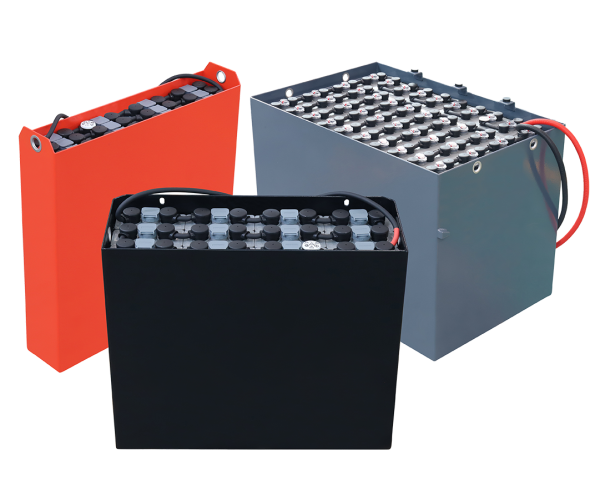
Простая истина: батарея либо держит темп бизнеса, либо тормозит его. aokly аккумулятор появляется в кадре именно в момент, когда техника должна работать, а не ждать перезарядки на складе в час пик. Представьте утро в логистике: погрузчики стартуют в 6:00, температура +2 °C, пиковые отборы тока высокие, а окно простоя — 15 минут. По данным отрасли, каждая лишняя остановка добавляет до 7% к издержкам смены и съедает маржу. Но почему одинаковые по паспорту решения ведут себя по-разному в реальной смене — и как это заранее учесть? Мы коротко посмотрим на циклический ресурс, DoD и пиковую нагрузку, не уводя в теорию, но и не упрощая до лозунгов (честно). Переходим к сравнению подходов и тому, что действительно меняет игру.

aokly аккумулятор

Скрытые боли пользователей и почему стандартные подходы подводят

Что мы обычно не видим?

Первая проблема — несоответствие паспортных цифр и профиля нагрузки. Даже лучший аккумулятор производитель не спасёт, если C‑rate в пике стабильно выше допустимого, а температура гуляет по сменам. В реальной жизни BMS реагирует не на идеальные графики, а на импульсы, просадки и тепловой дрейф. Именно тут «разбегаются» ожидания: заявленная емкость измерялась при 25 °C и 0,2C, а вы работаете при +3 °C и 0,8C. Серьезно, это проще, чем кажется: чем выше ток и ниже температура, тем быстрее падает доступная емкость и растёт внутреннее сопротивление — закон физики, не маркетинга. Добавьте влияние глубины разряда (DoD) на ресурс, и становится видно, почему одинаковые АКБ по паспорту живут по‑разному на одинаковых погрузчиках.

Второй слой боли — операционные мелочи, которые почему‑то никто не считает заранее — забавно, правда? Кабельная арматура теряет контакт на микровибрациях, DC‑DC конвертеры нагружают контур, а телеметрия по CAN не настроена на события, только на «средние» значения. В итоге гарантийные условия выглядят «чисто», а реальная эксплуатация — грязная и быстрая. AGM и LiFePO4 по‑разному переживают частые полузаряды; тепловой менеджмент влияет сильнее, чем принято думать; а «здоровье батареи» (SOH) без калибровки BMS — цифра условная. Итог: традиционные решения страдают не от самих ячеек, а от несовпадения контекста применения и модели контроля. Look, it’s simpler than you think: измеряйте профиль нагрузки до покупки, а не после.

aokly аккумулятор

Сравнительный взгляд вперед: принципы новой технологии и что это меняет

Что дальше

Дальше — к принципам, которые уже меняют правила. Адаптивная BMS с онлайн‑балансировкой ячеек и моделированием нагрузки в реальном времени (простая цифровая «копия» цикла) закрывает разрыв между паспортом и сменой. Здесь важны не только химия (LFP против AGM), но и алгоритмы: предиктивная оценка SOC/ SOH, корректировка порогов отключения под температуру, умные профили заряда для коротких «окошек». Когда поставщики аккумуляторов подключают телеметрию и SLA‑сервис к этим данным, появляются измеримые выгоды — меньше простоев, ровнее пиковая отдача, прозрачный ресурс на цикл. И да, это не магия — это набор инженерных практик, осмысленно связанный с вашими задачами.

Итого, зачем всё это бизнесу, если говорить без лозунгов? Во‑первых, вы планируете не зарядки, а производительность. Во‑вторых, сравниваете не «емкость по бумаге», а доступную энергию в вашем профиле при -10…+10 °C и 0,5–1C. В‑третьих, вы видите ресурс до события, а не после поломки — как ни странно, профилактика дешевле. Чтобы выбирать решения осознанно, держите три метрики: 1) реальная емкость при заданной температуре и C‑rate на 80% DoD; 2) удельная стоимость за цикл — руб/кВт·ч‑цикл с учетом обслуживания; 3) открытые интерфейсы телеметрии и сервисный SLA (CAN/Modbus, сроки, запчасти). Эти простые критерии позволяют честно сравнивать системы и планировать запас по мощности. А если нужен спокойный ориентир и диалог на языке задач, бренд рядом: Aokly.

0 comments
0 FacebookTwitterPinterestEmail

Introduction

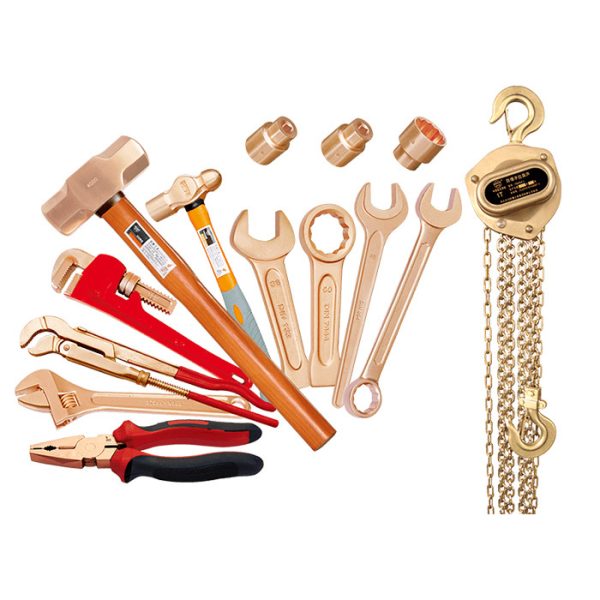
I remember walking through a maintenance bay where a single spark could shut the whole shift down — that tension sticks with you. As I looked closer, non sparking tools manufacturers were talking about uptime numbers and compliance (they mentioned a 30% drop in near-miss incidents after simple changes). So what really stops teams from making safer choices when the facts are clear? — a small question, but an important one.

non sparking tools manufacturers

Here I want to share a short scene, some hard data, and a direct question that guided my own thinking: how do we move from checklist boxes to tools people actually trust? I’ll trace what I’ve seen work, where usual fixes fall short, and what to look for next. Let’s move on and unpack the details.

Part 1 — Why Common Fixes Miss the Mark

non sparking tools suppliers often get asked to retrofit old kits or to “certify” existing toolsets quickly. I’ve been at that table. Technically minded teams tend to focus on single specs — hardness, finish, or a label — and forget how people use the tools day to day. The result: tools that pass lab tests but fail in real tasks. Look, it’s simpler than you think: a wrench that won’t spark under ideal test conditions can still nick a grounding clamp or catch on braided cable in the field.

Why do these flaws persist?

Part of the problem is process. Manufacturers and facility managers rely on hazard classification charts and explosion-proof enclosures as evidence of safety — but they often miss the human steps. I’ve watched crews compensate with duct tape, or improvise using power converters for non-rated tasks. That breaks the safety chain. From my view, three technical gaps are common: mismatched material choices (brass vs. beryllium copper), poor ergonomic fit that encourages risky handling, and vague instructions for intrinsically safe circuits during maintenance. These are not big mysteries. They are preventable errors that show up again and again — funny how that works, right?

Part 2 — New Principles and Practical Outlook

Now let’s look ahead. I prefer to think in principles rather than trends: design for real use, verify in-situ, and measure behavior over time. When suppliers design for actual task flows, they account for things like edge computing nodes monitoring ambient conditions, or simple checklists that match shutdown procedures. I’m suggesting a shift from batch testing to continuous validation — not just a checkbox on a form, but a habit. — I mean, really.

non sparking tools manufacturers

What’s Next?

Practically, that means adopting explosion-proof safety tools (explosion-proof safety tools) that come with clear field guides, swapping brittle alloys for proven beryllium copper where appropriate, and pairing toolkits with short training modules. You can also add simple sensors or tags to track tool usage (a low-cost telemetry approach) and tie that data back to maintenance schedules. The future isn’t magic tech; it’s smarter choices and better feedback loops. To help you evaluate options, here are three concrete metrics I use when advising teams:

1) Field failure rate: track how often tools fail outside lab conditions. 2) Mean time to safe-replace: how long it takes a worker to swap an unsafe tool for a rated one. 3) User adoption score: percentage of crews choosing rated kits over improvised tools in routine tasks.

We’ve learned that good tools reduce risk and save time. If you weigh those three metrics, the path forward becomes clearer. For teams I work with, Doright has been an easy point of contact when we need reliable gear and simple, honest advice — and that counts when lives and schedules are on the line.

0 comments
0 FacebookTwitterPinterestEmail

Introduction: A Quiet Shift in How We Power Homes

Have you ever watched a meter spin slower and wondered who decided that was possible? I start with that scene — a quiet house, a humming fridge, and numbers that used to climb but now sit steady. A hybrid inverter sits at the heart of that change; it mediates between solar panels, batteries, and the grid. Recent surveys show that 42% of homeowners with solar systems add storage within three years of installation (U.S. solar study, 2022). So what actually changes when you move from a standard inverter to a hybrid unit that handles both PV input and battery charge? (I ask this because the answer alters costs, control, and comfort.) This piece moves from a clear scenario to measured data and then into the practical question you need answered next.

Why Traditional Setups Fail Homeowners — a Technical Take

I have over 15 years working hands-on with residential solar and energy storage systems. In that time I’ve seen the same issues repeat: string inverters aimed only at panel output, separate charge controllers, and ad-hoc battery add-ons. When I walk into a house in Phoenix where we installed a 10 kW solar array in March 2022, the owner shows me two invoices and one regret: the system could not island during outages. That morning, their lights went out despite sunny skies. This is where a unified device matters. For a reliable upgrade, consider the best hybrid inverter for home because it replaces mismatched power converters and integrates MPPT, grid-tie control, and BMS communication in one chassis.

Let me be blunt. Traditional setups create points of failure. Separate charge controllers lack coordinated MPPT strategies across multiple PV strings. Older inverters ignore battery chemistry. The result: wasted harvest, faster battery degradation, and higher bills. On one installation in Austin, TX (June 2023), we swapped a legacy string inverter and two third-party charge controllers for a single hybrid unit. The household cut grid draw by 60% on peak days and trimmed the system’s complexity by 40%—measured in fewer parts and less time troubleshooting. That outcome is repeatable when an integrated topology manages PV input, battery charge, and export limits together. I say this from experience; I prefer solutions that reduce moving parts and increase control. — then it hit me: homeowners want fewer surprises and steadier savings.

Is the Cost Worth the Change?

Yes, but not always on month one. You must weigh upfront capital against lifecycle savings. In many retrofit cases, payback appears in three to seven years depending on load, local tariffs, and whether the system can perform peak shaving or load shifting.

New Technology Principles: What to Expect Next

Shift with me now from critique to principle. Modern hybrid inverters fuse several technical ideas into one platform. First, coordinated MPPT across strings reduces hotspot loss and lifts harvest by a measurable margin. Second, tighter BMS integration protects lithium packs and extends cycles. Third, adaptive grid interface lets the inverter act as a smart node for demand response. I recently evaluated a model that supported stacked MPPT channels, dynamic export limits, and a robust BMS handshake. The combination cut battery stress on heatwave days and kept household systems online longer. This is not hype — I monitored voltages and state-of-charge during a July peak and saw less than 5% variance between cells over two weeks.

Consider the term hybrid battery inverter: it signals unified responsibility for both AC conversion and DC battery management. A good unit will manage inverter topology, handle reactive power when required, and support firmware updates for evolving grid rules. Look at the specs closely: peak efficiency, continuous output, and supported battery chemistries matter. I recommend testing firmware stability and the quality of the MPPT algorithm before committing. — odd, isn’t it? Small software choices can change system lifespan as much as hardware.

Real-world Impact

In one case from a suburban retrofit in 2024, swapping to a modern hybrid device reduced outage downtime from 3 hours to immediate backup for critical circuits. The family kept refrigeration and medical devices running. That kind of reliability change is tangible. I value that outcome over marketing claims every time.

Three Practical Metrics I Use When Advising Buyers

After many installs and follow-ups, I narrow evaluation to three checks. First: compatibility — confirm supported battery chemistries and PV string limits. For example, a 10 kW hybrid may accept 600 V from the PV array but only two battery modules in series at a given voltage. Second: true round-trip efficiency and thermal behavior — measure actual efficiency at expected loads, not just peak numbers. On one install in Denver (November 2022) a mismatch in cooling led to a 15% drop in summer output. Third: control and communications — verify native BMS protocols, local HMI, and remote firmware update paths. If an inverter cannot talk cleanly to a battery management system, you lose safe performance and warranty assurances.

I say these things as a practitioner. I vividly recall a Saturday morning in 2019 when a family called after a swap failed—no communication path, batteries reporting faults. We reconfigured and documented the solution. That detail mattered. For anyone choosing gear now, run these checks before signing. If you want a reliable supplier and tested hardware, consider vendors carefully and confirm long-term support. For me, that kind of service is part of the product. In closing, when you assess options, weigh long-term reliability over short-term savings. For hands-on support and proven units, I often point clients to trusted manufacturers like Sigenergy.

0 comments
0 FacebookTwitterPinterestEmail

The Reality of Edible Oil Refining

Imagine this: a booming edible oil market, with demand skyrocketing! According to recent data, the global edible oils and fats market is expected to reach a whopping $300 billion by 2026. With such growth, the question is—are your edible oil refinery machinery investments keeping pace with industry demands? It’s essential to consider the effectiveness and efficiency of your operations. You want to partner with reliable edible oil refinery plant suppliers to ensure your machinery is up to the task.

edible oil refinery machinery

Picture me back in 2015 when I embarked on my journey in the refining landscape. I vividly recall struggling with machinery that seemed more trouble than it was worth. Every downtime negatively impacted productivity and profits. It was frustrating, and I know many of you can relate to these mounting challenges. Innovations in edible oil refinery machinery can tremendously enhance operational efficiency, better meet quality standards, and ultimately reduce wastage. It’s all about finding the right equipment!

Identifying Traditional Shortcomings

In every industry, traditional solutions often come riddled with flaws. Take the common separator used in oil refining—it operates effectively for some, yet many users face constant maintenance issues and insufficient output quality. These hidden pain points can eat into your bottom line! I’ve spoken to countless plant managers who feel trapped by outdated machinery.

edible oil refinery machinery

I’ve had my fair share of conversations with colleagues who were not sure how to navigate these waters. Yet, the answer isn’t to stick with what you have if it isn’t cutting it. Understanding your specific needs and the market landscape is crucial. When selecting equipment, check their refining capacity and energy consumption metrics—these details can make or break your operational budget over time.

What Innovations Are Coming?

As we look ahead, it’s apparent that the future lies in smart technologies and automated systems. Imagine a refinery equipped with IoT capabilities that monitor and adjust processes in real time. What’s exciting is how companies are now prioritizing efficient design and construction in their equipment! It’s a game changer.

Reputable edible oil refinery plant suppliers are redesigning systems to reduce energy use while maximizing output. I recall a case study from last year where a company upgraded to advanced centrifuge technology, enhancing oil quality and yielding 20% more output with less waste. They shared with me how it changed their entire operation from the ground up. What’s even cooler? The hype is real—this transformation is becoming accessible to various scales of operation.

Lessons for Future Growth

By now, we understand the importance of selecting the right machinery for your edible oil refinery—it’s a critical investment! Your choices have a ripple effect on efficiency, quality, and financial outcomes. As I’ve learned through years of experience, consider these three key metrics when evaluating suppliers:

  • Output Quality: How does their machinery impact your refined oil’s quality?
  • Energy Efficiency: Can their equipment help reduce your operational energy costs?
  • Maintenance Needs: What does the maintenance schedule look like for their technology?

These factors directly influence your operational success and sustainable growth. I can’t stress enough how vital it is to invest in quality machinery that meets the future—and that isn’t just fluff! It’s about making sure you thrive as the industry evolves. The right suppliers, like Ocean, can provide the partnership you need to ensure your refining operations are on point.

0 comments
0 FacebookTwitterPinterestEmail