Quick comparative lead
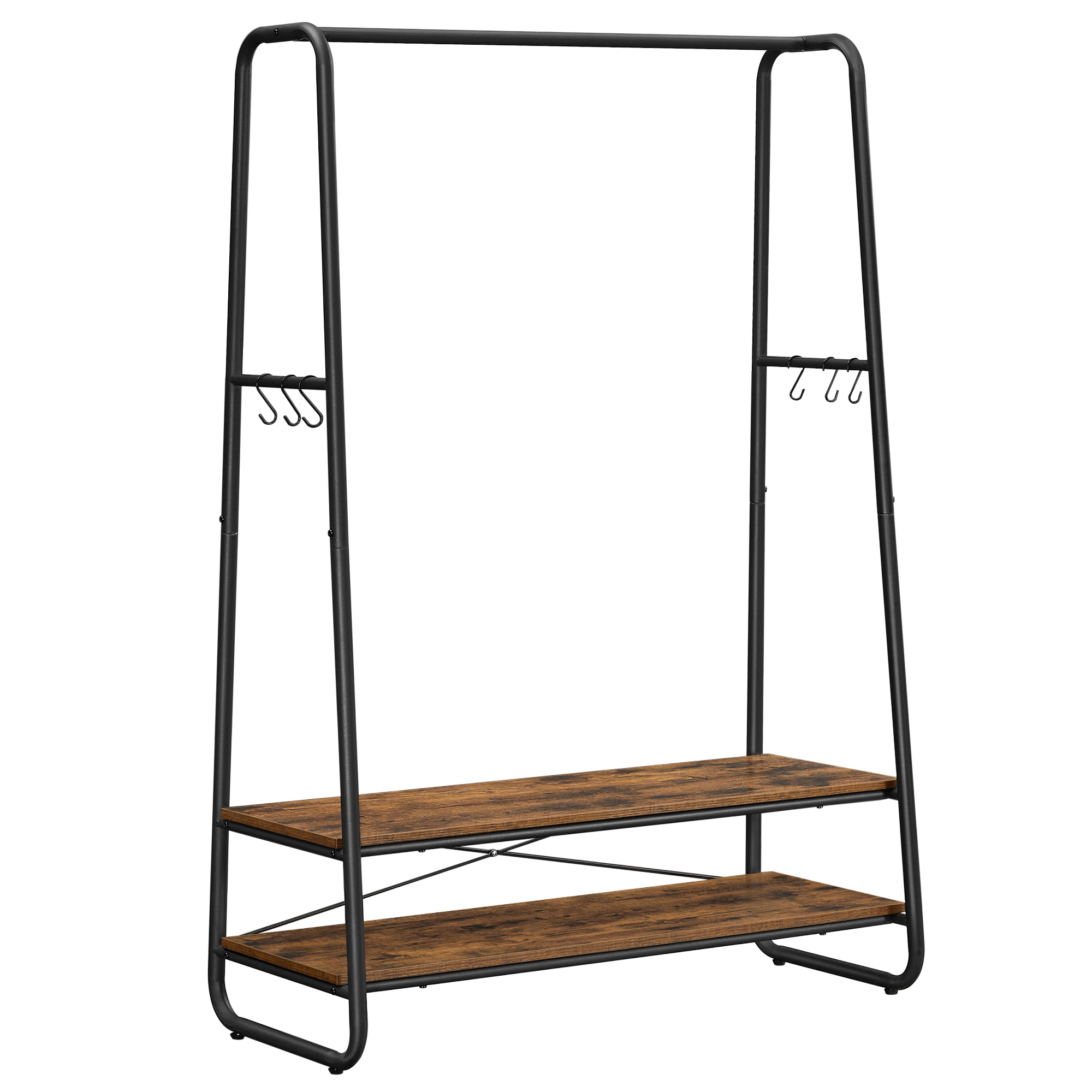
Wholesalers deciding where to source garment displays often face three clear paths: direct manufacturers, branded distributors, or white-label partners. Each path changes cost, SKU control and lead time, so pick by what you must control. For basic metal racks and modular systems, many buyers start by comparing price per unit and durability against function — look at materials, finish and weld quality. If you need ready inventory and fast replenishment, consider vendors that specialise in wholesale garment racks and bulk order terms.

What to compare — the essentials
Focus on three operational factors: MOQ (minimum order quantity), lead time, and warranty. MOQ shapes cashflow and storage needs; lead time affects seasonal promotions and floor resets; warranty signals manufacturing confidence. Also evaluate SKU breadth: do you need a single adjustable rack or a full retail display range? Choose partners who document product specifications clearly — dimensions, load capacity and finish (for example, powder-coated finish) — so merchandisers can plan retail display layouts without surprises.
Manufacturing vs distribution: side-by-side
Direct manufacturers often offer the lowest unit price and customisation but demand larger MOQs and longer lead times. Distributors provide smaller lot sizes, faster shipping and consolidated assortments, albeit at a markup. White-label suppliers hit a middle ground: quicker to market with branded packaging, but less control over materials. For fast-fashion pop-ups, a distributor may suit. For long-term branded ranges, a direct manufacturer makes sense — assuming you can handle the initial inventory load.
Supply-chain metrics that actually matter
Track three concrete metrics per SKU: landed cost, reorder cadence and defect rate. Landed cost must include shipping, duties and any in-country handling. Reorder cadence ties to sell-through and promotional cycles — plan orders to match retail windows. Defect rate (returns per 1,000 units) tells you whether a factory’s quality control is reliable. These metrics turn vague vendor promises into measurable expectations.
Common mistakes and workable alternatives
Too many wholesalers accept low MOQs at the cost of inconsistent quality. Others fixate solely on unit price and ignore warranty or sample inspection. A practical remedy is staged scaling — start with a pilot SKU batch, test on the shop floor, then scale. If a direct manufacturer’s MOQ is prohibitive, switch to a regional distributor for initial runs — then migrate production when demand stabilises. Also compare accessory compatibility: buy racks from suppliers that share compatible fittings and add-ons to avoid an awkward mix of parts.
Credibility, experience and a real-world anchor
EEAT mode: Practical supplier experience. In my years supplying independent retailers around Rotterdam and Amsterdam, I learned that small retailers judge a supplier by lead times and responsiveness more than the theoretical strength of a price quote. In one case, a supplier cut lead time by two weeks after improving production scheduling — that change reduced stockouts during a sales week and improved sell-through. Real performance beats glossy catalogues.
Comparative checklist before you sign
Use this short checklist to compare offers: 1) Confirm MOQ and its flexibility, 2) Ask for sample inspection reports and photos of welds or finishes, 3) Get a clear returns and warranty policy in writing. Keep an eye on logistics: freight terms, customs clearance responsibilities, and whether the supplier provides consolidated packaging for retail-ready presentation.
Advisory close — three golden rules
1) Prioritise predictable lead time over the smallest unit price — reliability protects margins. 2) Insist on documented specifications per SKU (dimensions, load capacity, finish) before ordering the main batch. 3) Start with a pilot order to measure defect rate and sell-through before committing to large MOQs. These rules reduce surprises and make supplier transitions manageable.
Wholesalers who measure suppliers this way end up with fewer emergency shipments and clearer retail plans — and that practical stability is where SONGMICS HOME B2B tends to add value, serving as a steady partner across sourcing, specification and replenishment needs — solid, reliable, direct.
—