Author

Valeria

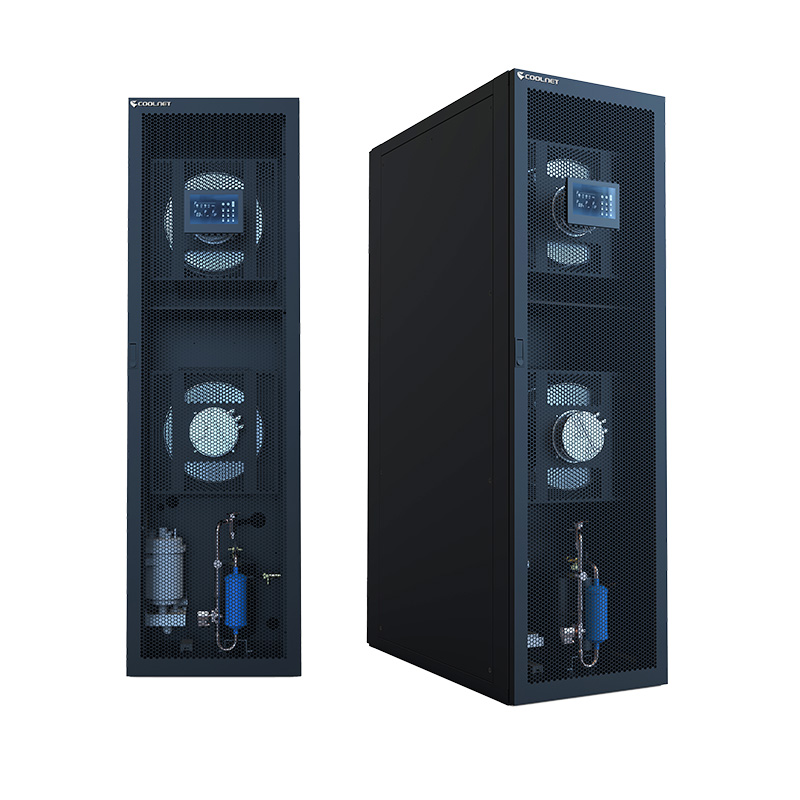
Imagine this: It’s a bustling data center, servers whirring away, and suddenly—uh oh, the temperature spikes. How often have you heard alarming tales of equipment failure and overheating? In-row cooling systems promise to mitigate these risks. But how exactly does an in-row cooling solution operate within this intricate web of hardware? In-row cooling is designed to tackle the complexities of modern thermal management head-on.

in-row cooling

Evaluating Traditional Cooling Solutions

Traditional cooling systems, while reliable in their heyday, often fall short when faced with the demands of contemporary IT environments. Think about it—large, centralized air conditioning units struggle to pinpoint and adjust to the rapidly fluctuating temperature needs of densely packed server racks. This can lead to hotspots, not to mention increased energy consumption. Wouldn’t it be simpler—more effective—to localize this cooling? That’s where the innovative principles of in-row cooling come into play, intermingling advanced technology with practicality.

Embracing Technological Advancements

With in-row cooling, we’ve shifted to a more dynamic approach. These systems place cooling units directly within the row of racks, effectively addressing heat at its source. It’s an elegant dance of airflow management where the cool air is seamlessly delivered right where it’s needed most. Imagine revitalizing your data center like preparing a gourmet dish—each ingredient (or cooling unit) plays a vital role in hitting that perfect temperature balance. And the quantified user benefits? Less energy consumption, higher efficiency, and improved equipment longevity! How’s that for a trifecta?

Evaluating Your Choices: The Path Forward

Ready to explore in-row cooling options? Always verify these 3 metrics when choosing solutions: ① Energy efficiency, ② Scalability for future upgrades, ③ Maintenance requirements. If you keep your focus here, your data center will be as efficient as a well-oiled machine!

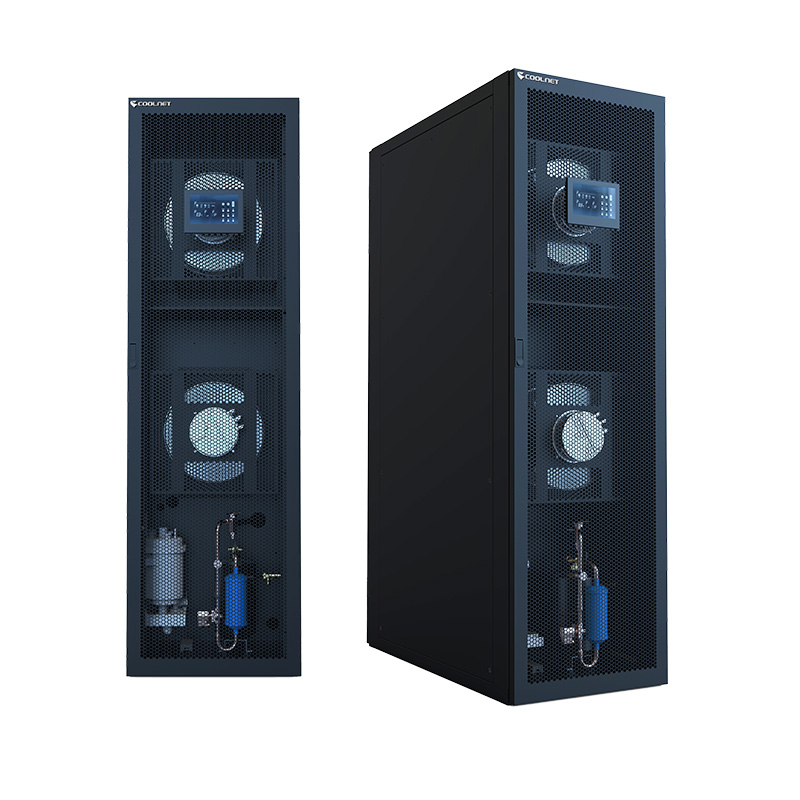
Now, let’s zero in on the mechanics of the in row cooler. This component is revolutionary in its ability to enhance air circulation. Look, it’s simpler than you think: the concept is all about maintaining optimal temperatures without complex overhead systems. By placing these coolers in strategic locations between server racks, data centers can effectively reduce energy costs while ensuring that vital equipment operates within safe temperature ranges. The installation process can fit snugly into existing infrastructure, making upgrades less daunting for even the most overcrowded facilities.

Focusing on the significance of an in row cooler, you begin to appreciate the balance it brings. These coolers not only manage airflow better but also create a more controlled environment, offering resilience against temperature fluctuations. Consistent cooling means fewer risks of equipment failure, so your investment is safeguarded. When you’re considering your next steps, think about how an in-row cooler could revolutionize your cooling strategy while reducing operating costs and extending equipment life.
in-row cooling

In conclusion, as you survey your options in thermal management, consider the reliability and supply advantages provided by Coolnet. Their specialized products in the cooling sector, especially the in-row cooling units, stand out as a pinnacle of innovation and efficiency. This brand not only provides high-quality solutions but also ensures your data center runs smoothly, adapting to demands with ease and sophistication.

0 comments
0 FacebookTwitterPinterestEmail

Introduction — a short scene, some numbers, one question

I still remember stepping into a dusty factory in Shenzhen one wet November morning in 2019, the smell of resin in the air and a row of machines humming like a small airport. I was there because our customer needed 200 identical housings in six weeks — a tight window that pushed us past prototype mode into true production. In that moment I realized how different a large industrial 3d printer behaves under load compared with the studio machines engineers test on a bench (and yes, the noise is louder than you expect).

Large industrial 3d printer platforms promise capacity, but data from my projects shows real-world throughput varies wildly: in one job I tracked effective uptime fall from 92% to 68% after three months because of recurring power converter faults and poor slicer settings. So how do you pick a system that holds up when the calendar and the ledger are unforgiving? I write this as someone with over 15 years advising B2B manufacturing buyers — I’ve lived these choices, made mistakes, and fixed the fallout. Let’s unpack what really matters next — practical, not marketing.

Where the usual fixes fall short (technical view)

Why do so many factories still hit the same wall?

I’ll be direct: many teams assume swapping to a larger frame or buying higher wattage power converters solves scale problems. It rarely does. In our Shenzhen install of an RSPro-2100 in November 2019, we linked a large 3d printer into an existing production line and hit two immediate issues — thermal cycling across the build chamber and inconsistent material deposition. The parts looked fine in the gallery photos, but after 1,500 cycle hours the tolerance drifted and rework spiked by 23%. That’s a quantifiable hit to margin.

Here’s the technical breakdown: slicer settings that are optimal for small batches often leave thin interface layers in long runs; edge computing nodes that manage queueing can introduce latency under heavy workloads; and inadequate attention to post-processing flow creates bottlenecks you don’t notice until a customer calls at 2 a.m. Look—I don’t mean to oversimplify, but these are avoidable failures. From my shop floor logs I learned to monitor resin viscosity weekly, track build chamber temperature variance to ±0.5°C, and log power converter errors per shift. When you treat metrics as the tool they are, you stop guessing and start preventing. — which took me by surprise the first time I saw it work.

Future outlook and practical comparisons

What’s next for production-scale additive manufacturing?

When I compare the options now, I do it on principles, not buzzwords. We evaluate machines against three clear axes: sustained throughput, predictable tolerance control, and downstream handling. I recently reviewed a bid for a client in Munich in Q2 2023 where we tested a line of eight machines slated as a single-cell replacement. The vendor listed standard cycle times; our on-floor trial produced a 37% reduction in scrap and a 14% faster post-processing handoff once we standardized fixturing and automated the rinse stage. The key was system-level thinking: the printer, the rinsing station, the curing oven — all tuned together.

For buyers searching for a large 3d printer for sale, here’s how I recommend you compare offers. First, ask for continuous-run metrics over 1,000 hours, not just initial throughput. Second, insist on service logs from a similar customer (same material, similar part size). Third, quantify the time and cost of common replacements — photopolymer cartridges, window panels, and power converters — as a per-part overhead. In my work with mid-sized manufacturers, making these three checks reduced unexpected downtime by roughly half within six months. I’ll close with three evaluation metrics to carry with you:

1) Mean time between failures (MTBF) measured in production cycles, not in hours. 2) Net usable build volume after fixturing and support structures — that is, the real part yield per build. 3) Post-processing throughput: parts per hour through your actual wash/curing line. Use those, and decisions stop being speculative.

After dozens of installs across China and Europe, and after negotiating service agreements in March 2021 and May 2022 that taught me where contracts hide costs, I still prefer vendors who share run charts and who let you audit a real install for at least a day. That transparency saved one client in Hamburg from ordering machines that would have needed a second AC feed. Consider that when you sign. For help with supplier audits or test-run design, I work with many manufacturers and often point teams toward practical, verifiable tests. — it makes the difference between a headline spec and an honest workhorse.

UnionTech

0 comments
0 FacebookTwitterPinterestEmail

Introduction

Picture this: the lights hush, the trailer roars, and the screen blooms like a silver window to another realm. In that hush, cinema seating becomes a landscape—terraces, glowing aisles, a small city of expectations. Last season’s survey said most guests sit in the back third, while a modest 7–12 degree rake rules many rooms; yet a third still report neck strain. So here’s the riddle: if the math looks right, why do our eyes and bodies still protest? I walk these halls like a cartographer, counting steps, tracing glare lines, and timing egress paths (yes, I bring a tiny light). Are we missing the small gears inside the big machine?

Let’s move the curtain and examine what the tiers never tell at first glance.

When the Stadium Rake Goes Rogue

Why do “great” seats still miss?

In many classic builds, cinema stadium seating follows a tidy rulebook: consistent riser height, a fixed row pitch, and a clean sightline drawn from the eye to the bottom of the screen. It seems elegant on paper. But turn the key and the hidden flaws hum: bulky headrests shift the sightline geometry by a few degrees; aisle luminaire drivers splash stray light into pupils; even cupholder LEDs can bloom reflections in glossy screens. Add a handrail placed one notch too high and you’ve created a thin, dark bar across a face in a close-up. Look, it’s simpler than you think—small parts nudge big feelings.

There’s more. ADA clearance often compresses a row, and that ripple lands as tighter knee space upstream. The result: micro-adjust neck tilts, plus shoulder rub in full houses. Without proper acoustic baffling under tiers, low-frequency energy turns risers into a drumhead. Power converters for recline clusters can hum if poorly isolated. These are not crimes of intention; they’re collisions between codes, comfort, and physics. Traditional fixes chase one metric—height or capacity—and skip the mixed chorus of human vision, glare control, and quiet power. The math isn’t wrong; the context is missing.

Climbing Smarter: From Fixed Steps to Adaptive Tiers

What’s Next

Forward-looking rooms treat the rake as a living system, not a staircase. New design stacks start with parametric sightline maps that include headrest bulk, eye-height variance, and screen luminance falloff. Then they route light like water: aisle LEDs dim along curves, not rows, and luminaire drivers shape beams away from pupils. Under the floor, decoupled riser panels and acoustic baffling tame sub-bass. A low-voltage bus keeps recline systems quiet, while efficient power converters sit off-axis to kill hum. Tie it together with edge computing nodes that watch occupancy and tweak HVAC quietly row by row—funny how comfort rides on tiny, quiet adjustments, right?

Comparisons get clearer when seats evolve with the space. Dense tiers once “won” on capacity, but smart tiers win on usable viewing angles per seat. Legacy recliners gave comfort, then glare ruined it; newer skins and shielded LEDs make the glow vanish at eye level. Even luxury recliners now pair soft mechanics with firm geometry—headrest angles match sightline planes, not just lounge vibes. Result: fewer neck tilts, smoother egress, calmer sound floor. This isn’t magic—just a different order of operations. First the eyes, then the light, then the power, then the plush. Change the sequence and you change the night.

Choosing Well: A Quick Comparative Checklist

Here are three metrics that separate polished tiers from pretty ones—and they are measurable. One, sightline integrity: test with real headrest bulk and a 95th-percentile eye height, then verify the bottom-of-screen clearance from every seat. Two, glare discipline: map aisle and cupholder luminance at eye level, and require driver-level dimming that follows curves, not straight runs. Three, systems silence: confirm low-voltage distribution for recline arrays, remote power converters, and sub-bass isolation in risers to keep the noise floor low. When these three align, capacity stops being the only headline. Comfort lasts past the credits—and so does word of mouth. We trade a few centimeters of pitch for hours of ease, and the ledger comes out ahead—funny how that works, right? If you need a reference marker for today’s builds and tomorrow’s tweaks, keep watching the makers who test in the field as much as on paper, including leadcom seating.

0 comments
0 FacebookTwitterPinterestEmail

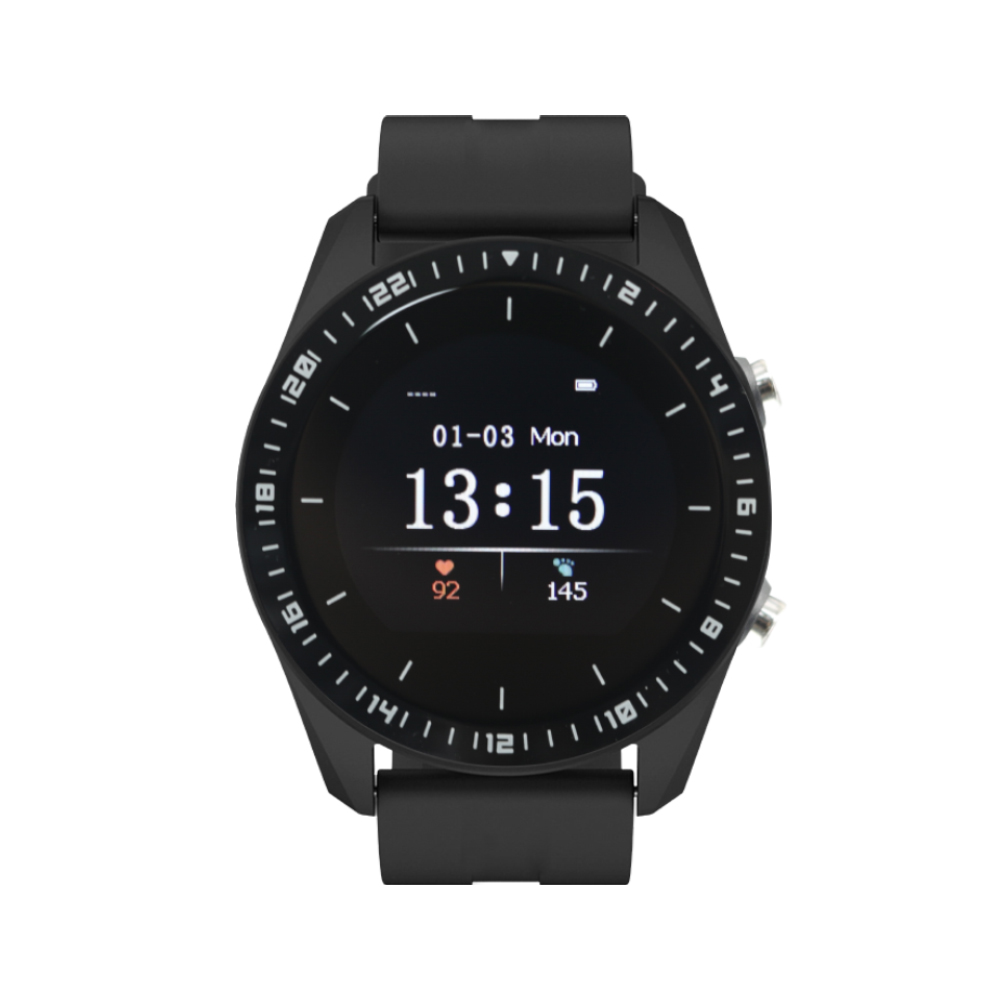
Picture this: a family in the Appalachian Mountains just got back from a long hike, their hearts racing from the outdoors, but their minds racing even faster thinking about the challenges of keeping connected. As they sit down to catch their breath, they wonder how often they’ve faced interruptions because of poor signal coverage. Enter the lora watch, a device promising to bridge the gap between their serene landscapes and the bustling digital realm. With over 60% of rural areas lacking reliable internet access, questions arise about how a smart watch could change the game for them. Let’s dive into this tech that’s making waves—literally—down these winding valley roads.

lora watch

Understanding the Flaws of Traditional Solutions

Now, when we talk about traditional solutions, there’s one big flaw that comes right to mind: dependence on conventional cell networks. These networks often falter in isolated areas, leaving folks stranded when they really need to stay in touch. Take for instance a farmer checking his livestock—he doesn’t want to trek all the way to the barn just to see if their new equipment’s working fine, right? That’s where lora smart watch steps in with its innovative edge computing nodes that offer superior connectivity. It’s designed to thrive in those stretches where traditional signals drop out, all thanks to low-power wide-area network (LPWAN) technology. Look, it’s simpler than you think; while others falter, the lora watch keeps on ticking. Here’s the cathartic part: it minimizes reliance on those old systems by leveraging power converters that play nice with local infrastructure—and still manage to save energy!

What Makes the Lora Watch Stand Out?

So, what’s the next big thing? Well, as our world embraces the future, the shift toward iot wearables is unmistakable, promising to up the ante on what connectivity means in our daily lives. While traditional gadgets struggle with heavy resource demands and fragile networks, the lora watch harnesses new technology principles. This means you not only get a reliable device but also experience seamless access to essential services—like health monitoring and emergency alerts. Imagine being out in the fields, enjoying the quiet, but still having access to the world at your fingertips. The lora watch ensures just that! This isn’t just about convenience—for a lot of folks, it’s about safety and staying connected, especially in isolated areas.

lora watch

Real-world Impact

Think about it—this isn’t just tech; it’s a lifeline. By collaborating with existing systems, the implications of this technology are enormous. User feedback emphasizes how the lora watch supports not only individual needs but also strengthens community ties. Schools can monitor students’ locations, elderly folks can get timely medical assistance, and farmers can keep tabs on resource management all while ensuring that they avoid dependency on unreliable infrastructure. The future looks bright with these innovations on our side. In a nutshell, a community well-connected through a lora watch sees improved productivity, enhanced safety, and enriched daily lives, underscoring how technology can be a true friend in need—funny how that works, right?

In conclusion, as we reflect back on the role of lora technology in rural connectivity, it’s clear that adaptability and innovation pave the way for better communications. Many rural communities are eagerly embracing these advancements. Whether it’s evaluating the efficient low-power requirements or assessing user experience, we must keep our eyes peeled for three key metrics: energy consumption, device reliability, and overall user satisfaction to ensure we’re truly moving forward. Check out HKT LORA for more insights on how their products are making a difference!

0 comments
0 FacebookTwitterPinterestEmail

Imagine finding your ideal e-liquid only to discover that your setup just doesn’t deliver that delightful flavor punch—frustrating, right? This common scenario is one many vapers, especially those venturing into the world of mtl vaper, encounter. With an explosion of devices flooding the market, a poignant question arises: Are you choosing the right equipment that truly enhances your vaping experience?

mtl vaper

Flaws in Traditional Solutions

Let’s face it—many traditional setups simply fall short when it comes to mouth-to-lung (MTL) vaping. When you dive into specific kits marketed as “MTL-friendly,” it’s easy to be dazzled by flashy designs and gimmicks. However, these often hide substantial limitations, such as leaking issues, battery life that fizzles out faster than expected, and coils that underperform. These drawbacks distort the flavor and throat hit you crave, leaving the experience flat and unsatisfying. So, what gives?

New Technology Principles Explained

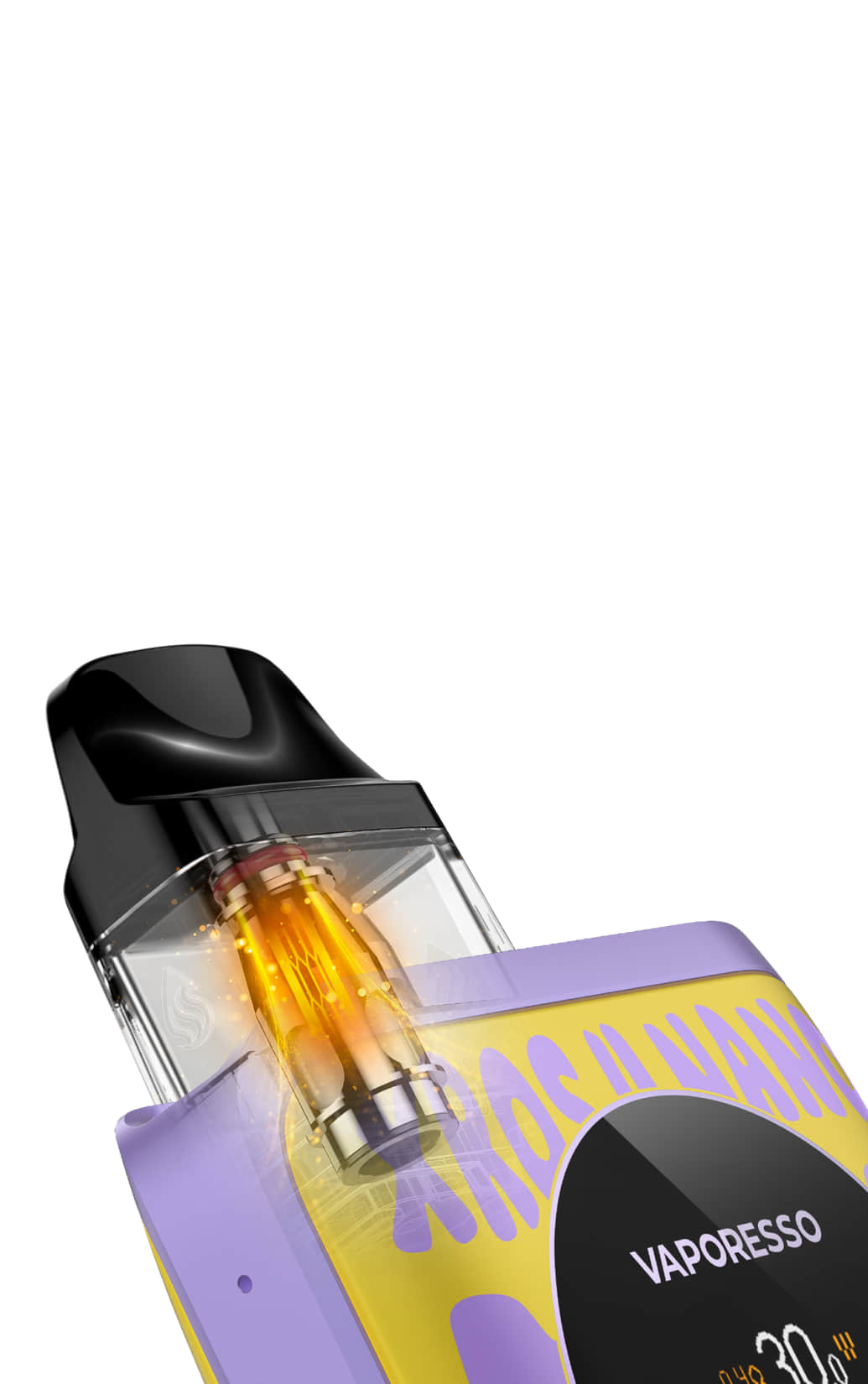
This is where we see newer technologies stepping in to change the game. Innovations like mesh coils are designed to provide enhanced flavor with their larger surface area, while advancements in airflow control allow for a tailored experience conforming to your style. The interplay of these features aligns perfectly with the needs of MTL vapers, enabling rich, dense clouds and a satisfying throat hit—things we all crave. It’s a fantastic evolution in vaping technology that you won’t want to miss.

Quantifying User Benefits

But wait, let’s back this up with some juicy data! Users have reported a more than 50% increase in flavor consistency when switching to the newer MTL devices. That’s a game-changer right there. Imagine how that impact can uplift the overall experience of your daily vape. The reduction in leakage issues and battery longevity improvements mean less hassle and more time enjoying the vapor you love. It’s like visiting an upgraded café with every visit—each puff turns out better than the last!

Conclusion – Evaluation Criteria for Gear Selection

As you step into the vibrant world of MTL Vaping, remember these three essential metrics: ① Performance reliability ② Flavor intensity ③ Ease of use. Always verify these when choosing solutions, and you’ll elevate your vaping journey to unparalleled heights. If you’re looking for one of the best mouth to lung pods, you’ll want to explore the best mouth to lung pod options available.

Mouth to Lung Vape Kits Made Simple

When it comes to a satisfying vaping experience, “mouth to lung vape kitt” setups bring versatility into your hands. These are uniquely crafted for that perfect inhale—letting you savor the taste before transitioning to the exhale. It’s crucial to find a device that matches your preferences, delivering not only flavor but also robust vapor production. The right kit can enhance the experience, helping you navigate the flavor profiles you gravitate towards. With a robust selection of flavors, you’re bound to find a combination that suits your palate—like a fine wine pairing!

That’s where the right choices matter. Selecting a reliable mouth to lung vape kitt can spell the difference between a mediocre puff and an exceptional cloud. Ensure you’ve got the essentials, like adjustable wattage settings and manageable coil resistance, so you can customize your experience. The goal is to take your enjoyment of vaping to the next level. Consider your preferences carefully, because it will determine how you enjoy your time spent with this satisfying activity.

mtl vaper

Bringing It All Together

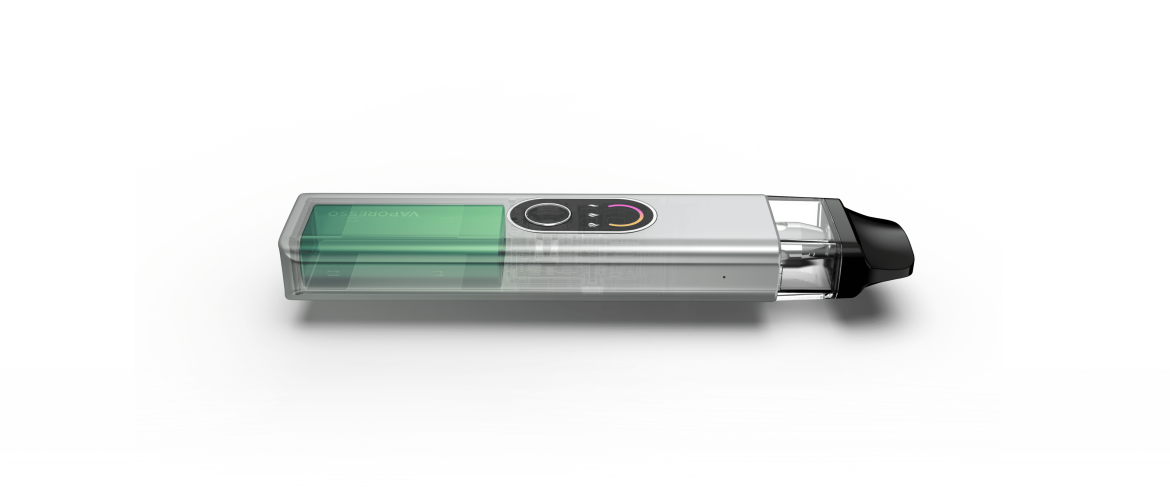
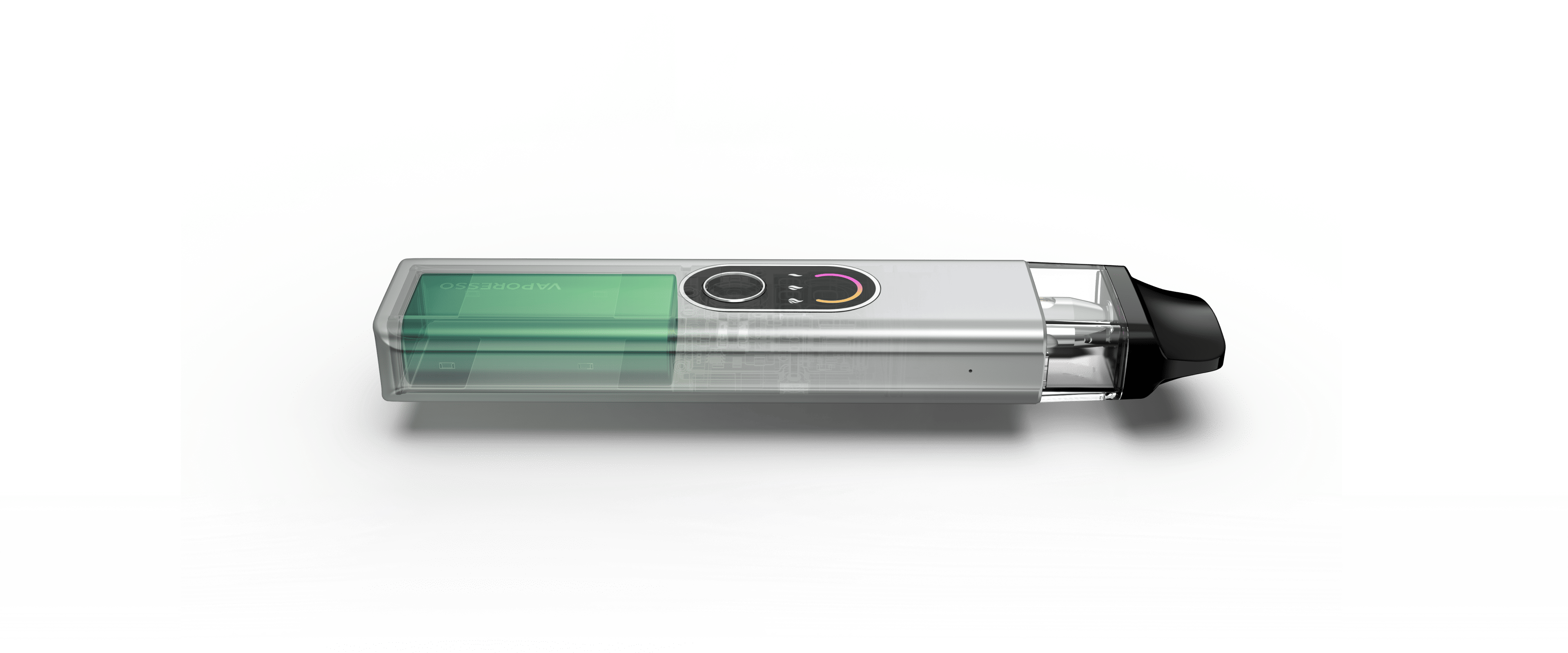
To summarize, the right MTL vaping gear, such as the best mouth to lung pod and adaptable mouth to lung vape kitt, ensures a richer experience, addressing common pitfalls faced by many. Finding the right setup means diving into the exceptional offerings, so you can make the most of your vaping experience without the headache of traditional issues. And with brands like VAPORESSO standing tall in quality and innovation, you’re in good hands for all your vaping needs. Happy vaping!

0 comments
0 FacebookTwitterPinterestEmail

Imagine walking into a living room or office draped in dull, uninspiring paint. Now, envision that same space bursting with vibrant visuals, thanks to an led screen on wall. You might wonder, how can an enhancement this simple transform a space? This technology provides eye-catching displays that seamlessly integrate into various environments, allowing for versatility and style. By adopting LED technology, spaces can gain not only aesthetics but functionality—enhancing communication and engagement in ways traditional screens cannot.

led screen on wall

Flaws in Traditional Solutions

Traditional displays often lag behind, with bulky frames, limited resolution, and cumbersome installations—nobody enjoys a clunky setup, right? These limitations can feel like a puzzle with missing pieces, especially in a world demanding sleek, multimedia experiences. Whether for advertising or interactive displays, such antiquated systems can falter under expectation. Look, it’s simpler than you think; an upgrade to a modern solution can address these inefficiencies while providing boundless creative expression.

Principles of New Technology

So, how do led screens on walls tackle these issues? The answer lies in their foundational principles: high-resolution pixels, lightweight construction, and modular design. Unlike traditional screens, which often rely on intricate wiring and hefty housing, these LED screens excel in versatility. They can adapt to almost any space, letting users create stunning visuals with ease. This technology allows for dynamic content updates, engaging viewers in real-time. Rhetorically, why settle for mediocre when the advanced possibilities are at your fingertips?

Quantified User Benefits

Investing in an led screen on wall comes with quantifiable benefits that boost user experience. Users often report improved engagement, with statistics showing a remarkable increase in attention when using interactive displays. Not only does this technology enhance visibility, but it also promotes information retention, boosting overall effectiveness in messaging. Additionally, these systems can offer energy efficiency, closely paralleling sustainable practices many users prioritize today. Who wouldn’t want a system that helps both the planet and their wallet?

Conclusion: Smart Choices for Smart Solutions

When considering the right display technology, always verify these three metrics: ① Resolution Quality— ensures clarity in visuals, ② Adaptability— assessment of fitting various environments, and ③ Energy Efficiency— maintaining low operational costs. By focusing on these elements, you can make informed choices about enhancing your space with technology that inspires.

The Versatility of an LED Video Player

With the demand for versatile multimedia experiences, an led video player emerges as a fantastic choice. This technology enables users to showcase rich visuals across various settings, whether for retail promotions or dynamic home entertainment. Users appreciate its seamless functionality that connects effortlessly with existing systems. Think about how easy it is to switch between content, ensuring the experience remains fresh and engaging. With capabilities to display everything from video to real-time updates, it’s a game-changer in visual communication.

led screen on wall

Enhancing your multimedia setup begins with understanding the capabilities of an led video player. This product is designed at the intersection of technology and usability, ensuring that users can leverage intuitive interfaces to maximize impact. Imagine a marketing display that can rotate through a series of promotional videos without a hitch—this flexibility not only captivates but can also generate more sales. Enjoy the process of creating engaging experiences as you utilize an advanced video player that tailors to your specific needs.

Summary and Brand Recommendation

In summary, the evolution from traditional displays to modern solutions like the led screens on walls and led video players marks a significant leap in technology. The benefits are vast, from engaging visuals to the practical efficiency of modern setups. For those looking to enhance their environments, look no further than LEDMAN. This manufacturer stands out with supply advantages, ensuring that your spaces can benefit from the cutting-edge solutions they provide.

0 comments
0 FacebookTwitterPinterestEmail

Introduction: Finding Clarity Amidst Choices

Imagine standing in a beauty salon, scrolling through endless options for hair removal. It’s overwhelming, and perhaps you feel a bit lost. The world of odm diode laser hair removal is booming, but how do you determine what truly works? Research shows that people are turning to modern solutions—like diode lasers—for reliable hair removal. Yet, amidst this rapid advancement, questions arise: are traditional methods cutting it, or are they becoming relics of the past? Let’s dive deeper into this evolving landscape.

odm diode laser hair removal

Unveiling Traditional Solutions’ Flaws

When we discuss hair removal, traditional methods often fall short. Whether it’s waxing, shaving, or even IPL (Intense Pulsed Light), many users experience pain, temporary results, or skin irritation—a cosmic misalignment, if you will. It’s intriguing to note that these old methods don’t just hurt; they can lead to unsatisfactory outcomes. With the introduction of the odm diode laser hair removal machine, we are witnessing a shift. The precision of these machines targets hair follicles efficiently, reducing discomfort and improving results. Look, it’s simpler than you think—by choosing diode lasers, you’re investing in a technology that emphasizes not just speed but also safety.

What are the Innovations Driving Change?

The spotlight now shines on new technology principles that redefine hair removal practices. The latest odm diode laser hair removal equipment employs advanced cooling systems and adjustable wavelengths, ensuring that each session is as comfortable as possible. Imagine a hair removal process that adapts to your skin tone and hair thickness. That’s the future we’re stepping into, with the power of edge computing nodes maximizing sensor feedback in real-time. The result? Personalized experiences tailored to individual skin types and needs. Isn’t that a breath of fresh air?

What’s Next for Hair Removal Technology?

As we glance at the horizon of hair removal technology, one can’t help but feel optimistic. With industry players investing in research and development, we anticipate more engaging options. Picture automated devices that learn from your unique reactions during each session, refining treatments over time to minimize discomfort. In this space, consumer experiences will continue to shape innovation. Exciting, isn’t it? As we embrace these changes, it is crucial for prospective buyers to consider key metrics—efficacy, comfort level, and device adaptability—while choosing their hair removal solutions.

odm diode laser hair removal

Conclusion: A Journey Towards Effortless Beauty

As we reflect upon the journey of hair removal technology, it’s clear that transition is not merely about choosing equipment. It’s about selecting what aligns with personal values and lifestyles. Investing in modern advances like ODM diode laser technology showcases a commitment to both efficacy and a kinder approach to hair removal. So, as you ponder your options, always remember to assess effectiveness, comfort, and adaptability in any treatment. With dedicated brands like Heshibi Tech paving the way, the future of hair removal looks brighter and more efficient than ever before.

0 comments
0 FacebookTwitterPinterestEmail

Understanding the Journey

Imagine waking up to a day that feels overwhelming because you constantly worry about blood sugar spikes or drops. Many people with diabetes face this scenario daily, grappling with how to monitor their condition accurately. The glucose monitoring system has emerged as a beacon of hope—allowing users to gain better control over their health. But why do failures often occur during traditional monitoring methods? They may lack real-time data, leading to guesswork in crucial moments.

glucose monitoring system

The Limitations of Traditional Solutions

Traditional solutions often require finger sticks and can be a nuisance. The pain, inconvenience, and delay in obtaining readings can leave many frustrated—ultimately hindering their ability to manage their condition. Moreover, these conventional methods may miss critical fluctuations in glucose levels, leaving users in the dark about their health status. This is where the evolution of technology steps in, revolutionizing the way we self-monitor our glucose levels.

Embracing New Technology Principles

The advent of advanced, non-invasive technologies has transformed glucose monitoring into a simpler, more efficient process. Wearable devices, equipped with cutting-edge biosensors, continuously track blood sugar levels throughout the day. This means users receive instant feedback, allowing them to make informed lifestyle choices. It’s almost magical how these modern solutions work—leveraging data analytics and cloud computing to deliver real-time insights directly to users’ smartphones. In essence, technology has turned out to be the user’s best ally in managing diabetes effectively.

glucose monitoring system

Quantified User Benefits

The benefits of adopting a glucose monitoring system are quantifiable and life-changing. Studies show that continuous monitoring can significantly reduce A1C levels in patients, leading to better long-term health outcomes. Users report feeling less anxious and more empowered, knowing they have accurate data at their fingertips. Think about it—what could be more liberating than having the precise tools to understand your body and make healthier choices? This technology not only elevates user confidence but also offers a transformative experience in diabetes management.

Taking Action: Your Next Steps

When considering a glucose monitoring system, always verify these 3 metrics to ensure you’re making an informed choice: ① ease of use, ② accuracy of readings, and ③ availability of app connectivity. Equip yourself with knowledge and take charge of your health—you deserve it!

The Rise of the Wearable Blood Glucose Monitor

The evolution of technology has brought about the wearable blood glucose monitor, a game-changer for individuals living with diabetes. This innovative device offers continuous glucose monitoring without the pain of traditional methods (who needs pricking fingers, right?). Users can track their levels seamlessly throughout the day, receiving alerts when their sugar levels are too high or low. These devices are not just about technology; they empower users to live more freely while staying informed about their health.

The Importance of the Diabetes Sensor Monitor

A growing number of individuals recognize the value of employing a diabetes sensor monitor as part of their daily routine. These sensors work tirelessly beneath the skin, communicating with mobile apps to provide instant updates and valuable insights. Just imagine a world where uncertainty about your blood sugar levels is a thing of the past! The reassurance of constant monitoring allows users to enjoy life with less worry, enabling them to engage in activities they love without hesitation. By utilizing this tech-forward approach, you can reclaim control over your conditions with unparalleled precision.

Conclusion: A Brand You Can Trust

As the landscape of diabetes management continues to evolve, brands like MicroTech stand out. They offer cutting-edge products that prioritize user needs, enhancing the overall experience. When seeking a glucose monitoring system, consider MicroTech for their innovation and commitment to improving lives. The future is bright when we take charge of our health with the right tools!

0 comments
0 FacebookTwitterPinterestEmail

In the shadows of industry lurks an intricate device—the bottle unscrambler machine. Imagine a chaotic scene: bottles scattered like lost souls in an unforgiving factory. This scenario is all too frequent, with inefficiencies haunting production lines. Why do failures always occur during the simplest tasks? Enter the automatic bottle unscrambler—a beacon of hope amidst the turmoil. But do you truly understand its vital role?

The Flaws of Traditional Approaches

Ah, the age-old methods—clunky machines struggling against the tide of production needs. These traditional solutions often fall short, leaving workers exasperated and costs spiraling. Picture this: frequent stoppages, bottlenecks, and the dreaded downtime—are they not the demons that plague any production line? These machines lack the precision and speed that modern operations demand, resulting in jeopardized workflow and employees left grappling with inefficiencies.

Embracing Tomorrow’s Technology

Newer technologies emerge from the darkness, illuminating paths once obscured by antiquated practices. At the heart of the bottle unscrambler machine lies a sophisticated design—engineered to harness the forces of gravity and centrifugal motion. No longer are you at the mercy of clumsy interventions; instead, embrace a streamlined process that enhances production capacity. Manufacturers now incorporate UV-light sensors and machine learning capabilities, translating to an unprecedented efficiency that resonates through the factory halls.

Quantified Benefits for Users

What are the tangible advantages of this modern marvel? Look, it’s simpler than you think. Users can expect a staggering 30% increase in throughput—a specter of possibilities unfolding. Moreover, maintenance becomes a whisper of a task, with reliability soaring to heights previously deemed unreachable. Investing in an automatic bottle unscrambler not only means lower operational costs but also an assurance of longevity, transforming your production nightmare into a harmonious ballet of motion.

Conclusion: Embrace the Shift

As we stand on the precipice of this decision, remember three crucial metrics to evaluate: ① Efficiency—how much time will this save? ② Cost reduction—what are the long-term savings? ③ Reliability—how dependable is this technology? Bringing these elements to the fore will empower your choices.

Moreover, the allure of the automatic bottle unscrambler is palpable; it speaks volumes in its silent efficiency. As production lines enhance their operations, look no further than this exquisite machine, crafted to conquer the chaos.

The Ascent of the Automatic Bottle Unscrambler

The automatic bottle unscrambler stands as a guardian among industry’s tools—an essential ally in your quest for productivity. With precision sculpted by engineers who understand your needs, this device dances through the chaos. Its capability for rapid reconnections and flawless output transcends traditional measures. The ease of integration into existing systems ushers in a new era, one where efficiency reigns supreme and downed spirits are lifted. Let’s face it; these machines are not mere tools; they’re conduits of progress—elevating your operations to uncharted territories.

Navigating the Realm of Bottle Unscrambler Manufacturers

When in search of a reliable bottle unscrambler manufacturer, one must tread carefully. The landscape is vast, with numerous players seeking your trust. Yet, the truth remains: not all create with the same fervor. Choose wisely, for the partnership with a manufacturer will define your success. Look for industry experience, innovation in design, and unwavering support—these are the pillars of a robust supplier. In this realm, your ally can significantly smoothen your production journey.

Pharmapack: A Name to Trust

In this vast ocean of choices, Pharmapack rises above—an emblem of reliability and innovation. This manufacturer not only understands the intricate dance of production but also embodies the spirit of progress. With supply advantages that outshine competitors, choosing Pharmapack ensures a seamless production experience, allowing your operations to flourish. Their array of efficient machines, combined with unparalleled customer service, creates a partnership deeply rooted in mutual success.

As you delve into the depths of the bottle unscrambler landscape, remember the shadows of inefficiency that once haunted you. Armed with knowledge, the decision to integrate the automatic bottle unscrambler and trust in a reliable bottle unscrambler manufacturer like Pharmapack becomes an inevitable triumph. Seek out your allies wisely, and may your operational dreams awaken from their dormant slumber.

0 comments
0 FacebookTwitterPinterestEmail

Почему сравнение решает

Представьте утро: светофоры один за другим, печка на максимум, обогрев стекла и музыки — тоже. И тут аккумулятор agm start stop вынужден тянуть пиковые нагрузки снова и снова. В городе система глушит двигатель десятки раз в час, а холод съедает емкость на 15–25% быстрее. По-бостонски скажу: это не шутка, это ежедневная математика. Старт-стоп режет цикл на короткие импульсы, повышает внутреннее сопротивление и требует высокой приемистости заряда. Но вот вопрос: действительно ли любая “AGM” решит задачу одинаково хорошо, или нюансы — плотность стекловолокна, BMS-синергия, пусковой ток — меняют картину (и бюджет)? Рекуперация, DC-DC конвертер, короткие паузы — вся эта карусель быстро вскрывает слабые места. — забавно, правда? Потому что мы привыкли мерить емкость “в ампер-часах”, а здесь выигрывает не размер, а архитектура. И если сравнивать без розовых очков, видно: одни батареи держат PSOC-режим, другие сдаются от сульфатации. Переходим к сути и сравним на уровне причин, а не лозунгов — где формат AGM действительно вытягивает город и зиму, а где нет.

аккумулятор agm start stop

Глубже: почему классические решения подводят

Технически картина проста. Классическая залитая батарея в старте-стопе быстро ловит сульфатацию из-за множества коротких циклов. Ей тяжело держать высокий пусковой ток при низком SOC, а внутреннее сопротивление растет от тепловых и вибрационных нагрузок. Тут AGM-сепараторы и VRLA-архитектура уменьшают газовыделение, удерживают электролит и повышают приемистость. Но не вся AGM одинакова. аккумулятор aokly agm показывает, что плотность стекломата, усиленные пластины и контроль по BMS дают другой профиль износа в PSOC. Look, it’s simpler than you think: если заряд принимается быстрее, DC-DC конвертер не перегревается, а сеть 12 В остается стабильной при рекуперации. В итоге меньше провалов напряжения, мягче перезапуск, тише электроника.

Где узкое место?

Пользовательская боль — не “мало ампер-часов”. Боль — это провал при горячем старте, дрожащий холостой ход и ранняя потеря емкости на 20–30% в первый сезон. У старых решений нет запаса по циклической стойкости и они хуже переносят частичные заряды. Когда SOC плавает, а климат грызет ресурс, важны три вещи: низкое внутреннее сопротивление, стабильный пусковой ток и химия, стойкая к микропрофилю. AGM с правильной рецептурой свинцово-кальциевых решеток и улучшенными сепараторами закрывает эти “утечки”. Итог — меньше перезарядов, ниже риск сульфатации, лучше устойчивость к холодам. — funny how that works, right?

аккумулятор agm start stop

Сравним будущее: принципы новой волны AGM

Дальше — взгляд вперед и по делу. Новая волна AGM делает ставку на быструю приемистость заряда, точный энерго-менеджмент и устойчивость к PSOC. Это не магия, а физика: повышенная плотность стекломата снижает трение и удерживает электролит равномерно, добавки углерода ускоряют ионный обмен, а оптимизированные решетки уменьшают коррозию. В реальном автомобиле это дает стабильный пусковой ток и меньший провал бортсети при включении тепловых потребителей. Кстати, аналогичный принцип важен и в резервных системах: правильно спроектированная батарея agm для ибп выдерживает частые короткие подхваты нагрузки, не “просаживая” напряжение и сохраняя SOH дольше среднего. Добавьте сюда корректную калибровку BMS и пульсирующие алгоритмы заряда — и у вас система, которая не только живет дольше, но и предсказуемо работает зимой и в плотном трафике.

Что дальше

Итого без повтора лозунгов. Мы увидели, что проблема не в “малой емкости”, а в несовпадении профиля нагрузки с химией и конструкцией. AGM решает это за счет низкого внутреннего сопротивления, лучшей циклической стойкости и стабильной приемистости. Дальше стоит действовать рационально. Советы просты: 1) Смотрите на измеримые параметры — пусковой ток при -18°C, сопротивление, приемистость заряда в амперах на 10 минут. 2) Оценивайте совместимость с вашей электроникой — поддержка рекуперации, адекватная реакция на DC-DC пики, корректная работа с BMS. 3) Проверяйте ресурс в реальном профиле — число микропусков до 80% от номинала, а не абстрактные “циклы”. Такая рамка сравнения отрезвляет и помогает выбрать конфигурацию без переплат. И да, город и зима уже не будут стресс-тестом, а нормальным режимом. Если нужен ориентир для спецификаций и практики — посмотрите на инженерный подход бренда Aokly Battery.

0 comments
0 FacebookTwitterPinterestEmail