Author

Timothy

Buying problem: unclear manufacturer claims and hidden scale-up risk

Most procurement teams begin with a lab test and expect the same performance at production scale; that assumption causes budget surprises and delivery delays. A lab powder mixer often sits on the bench during evaluation, but lab success doesn’t guarantee industrial output. Buyers need concrete comparisons of shear, energy input and service terms before signing contracts.

lab powder mixer

Primary issues that break projects

Manufacturers advertise “high shear,” yet specifications vary: tip speed, rotor geometry, and specific energy are rarely standardized. Teams face incompatible materials (SS316 vs hastelloy), inadequate clean-in-place (CIP) designs, and undocumented reproducibility. Compliance gaps—missing FAT/PAT records or incomplete traceability—turn a delivery into a validation headache. Financially, repeated rework and downtime erode margins faster than unit price differences justify.

Evaluation checklist: technical and commercial metrics

Quantify performance. Ask for: rotor tip speed (m/s), rotor–stator gap tolerance (mm), nominal power and torque curves, and kW/kg for representative product runs. Verify documentation: FAT reports, material certificates, surface finish values (Ra), and validation protocols. Confirm spare-parts lead times and local service capability. Price is one dimension; warranty, mean time between failures (MTBF), and accessible technical support determine total cost of ownership.

How to test claims without wasting cycles

Run two scaled tests: a lab-run using your formulation and a pilot run that emulates production shear and residence time. Compare particle-size distribution (D50/D90), viscosity curves, and thermal rise per pass. Insist on vendor-supplied process windows—acceptable ranges for solids loading, flowrate, and throughput—so you can predict scale-up. If a supplier refuses to simulate your formulation under representative conditions, treat that as a red flag.

Common mistakes buyers make

Choosing by price alone, relying on promotional videos, or accepting generic guarantees. Over-specifying for flexibility drives cost; under-specifying causes underperformance. Failing to validate materials compatibility or neglecting maintenance access leads to hidden downtime. Neglecting regulatory evidence—certificates of conformity, 3.1 material test reports, or ATEX ratings when required—creates audit failures that cost far more than the equipment.

Alternatives and realistic trade-offs

If high-shear rotor–stator units don’t meet particle-size targets, consider colloid mills for ultra-fine dispersion, high-pressure homogenizers for emulsions, or static mixers for low-viscosity blending. Expect trade-offs: higher fineness often means greater energy and heat; simpler technologies cost less but increase cycle time or require secondary processing. Select based on target particle size distribution, throughput, and allowable thermal exposure.
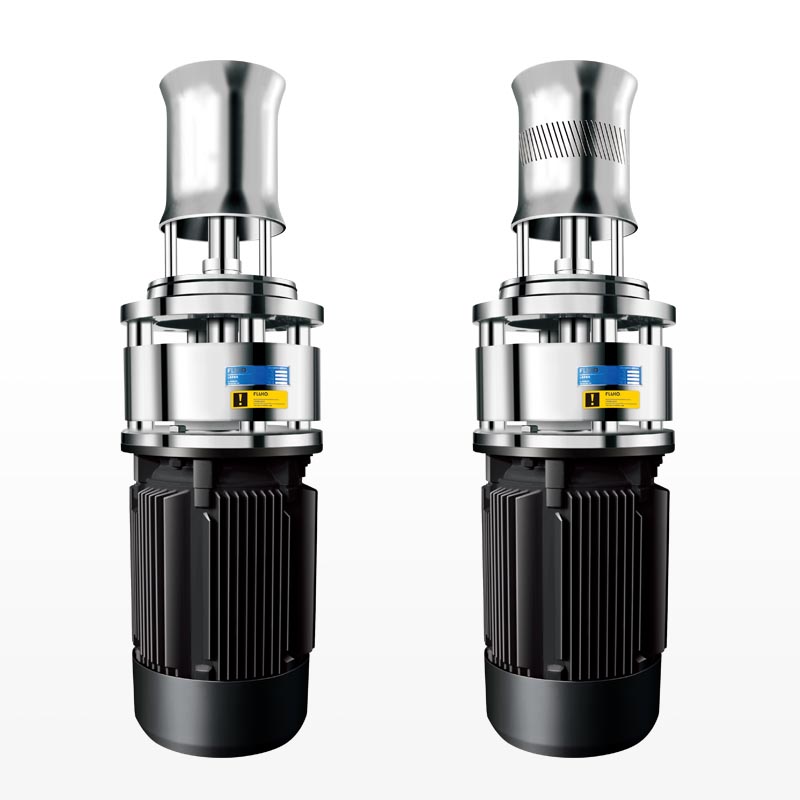
lab powder mixer

Experience, authority and a real-world anchor

Buying decisions mirror what pharmaceutical hubs demand; for instance, suppliers serving Basel, Switzerland must deliver documented GMP-capable equipment and traceable supply chains to satisfy multinational audits. Cross-check vendor case studies from regulated plants and ask for references that detail repeatable runs with formulations similar to yours, including examples using a powder liquid mixer. That verification separates marketing from verifiable performance.

Final synthesis—practical buying posture

Define measurable targets, require reproducible pilot data, and demand full documentation before procurement. Focus on supplier transparency, accessible service, and spare-part logistics rather than promotional labels. When you need a manufacturer whose specifications, validation support and aftercare align with these demands, evaluate providers that publish clear performance data and maintain regional serviceability, as demonstrated by FLUKO.
0 comments
0 FacebookTwitterPinterestEmail

Introduction: why a direct comparison matters

Large video walls demand more than bright panels; the driver board determines how those panels behave in concert. This guide compares common driver-board approaches used in corporate lobbies, control rooms and outdoor installations, and links each choice to practical outcomes. For signal routing and advanced image splicing, consider how the video wall processor integrates with your board early in the design—this alignment saves time during calibration and commissioning.

video wall processor

Core components and how they differ

Driver boards sit between the LED module and the control system. Key differences arise in the onboard memory, the number of LVDS lanes, and support for features such as pixel-level calibration. Terminology to note: pixel pitch affects perceived resolution at distance; refresh rate governs motion fluidity; and synchronization ensures frame-accurate rendering across tiles. Some driver boards include rudimentary scaling; others expect the upstream splicing processor to handle scaling and windowing. The comparative value is straightforward: boards that offload fewer tasks to the processor simplify wiring but increase cost and complexity at the module level.

Performance comparison: what metrics matter

Assess boards by four measurable attributes: latency (milliseconds between input and displayed frame), colour depth (bits per channel), thermal tolerance (operating range) and sync stability (frame alignment under load). Control-room installations prioritise sync stability; retail and outdoor signage emphasise brightness and thermal tolerance. Independent installations such as Times Square billboards demonstrate extreme cases—controllers must manage multiple tiles with robust synchronization during peak temperature swings, which is a practical anchor for expectations.

video wall processor

Real-world deployment patterns and pitfalls

Three deployment patterns recur: tightly integrated OEM solutions; modular systems using a central TV wall controller with passive driver boards; and hybrid models where a powerful splicing processor handles most image tasks. The hybrid model often offers the best balance between flexibility and maintenance. Installation mistakes repeat across projects—mismatched pixel pitch, neglected calibration and under-specced power supplies are common. Plan for calibration routines and ensure the controller and driver board share a calibration protocol—this reduces site visits later. Also expect cabling runs to complicate timing—use managed routing and labelling from the outset.

Operational teardown: where engineers should inspect

When unpacking a system, verify the firmware update path, measure sync jitter under full load, and confirm heat dissipation pathways on the driver board. A practical teardown checklist should include: firmware version, supported resolutions, connector types and diagnostic LEDs. During a production teardown, document {main_keyword} and {variation_keyword} behaviour under stress—capture logs while toggling inputs and during heavy windowing. This operational data prevents surprises when the video wall is driven at peak times.

Common alternatives and when to choose them

Alternatives vary by control architecture. Choose a centralised TV wall controller when you need fast source switching, multi-window layouts and remote management. Select smart driver boards when you require decentralised redundancy and minimal upstream processing. Consider modular splicing processors if future flexibility matters—these processors provide advanced scaling and often reduce dependence on bespoke firmware. Each option costs differently in maintenance and vendor lock-in; weigh the trade-offs against your expected service lifecycle.

Three golden rules for selection

1) Prioritise sync stability over raw feature lists—frame alignment is what users notice first. 2) Specify thermal and power margins explicitly; boards running close to rated limits will shorten display life. 3) Demand an accessible update and diagnostics path from suppliers—remote firmware and log retrieval save on-site labour.

These rules map directly to measurable procurement items: latency and sync jitter numbers, operating temperature bands, and documented remote management capabilities.

Choosing the right mix of driver board, splicing processor and controller ties directly to successful long-term operation; vendors that demonstrate field-tested solutions make a difference — Kystar.

Concise, proven.

0 comments
0 FacebookTwitterPinterestEmail

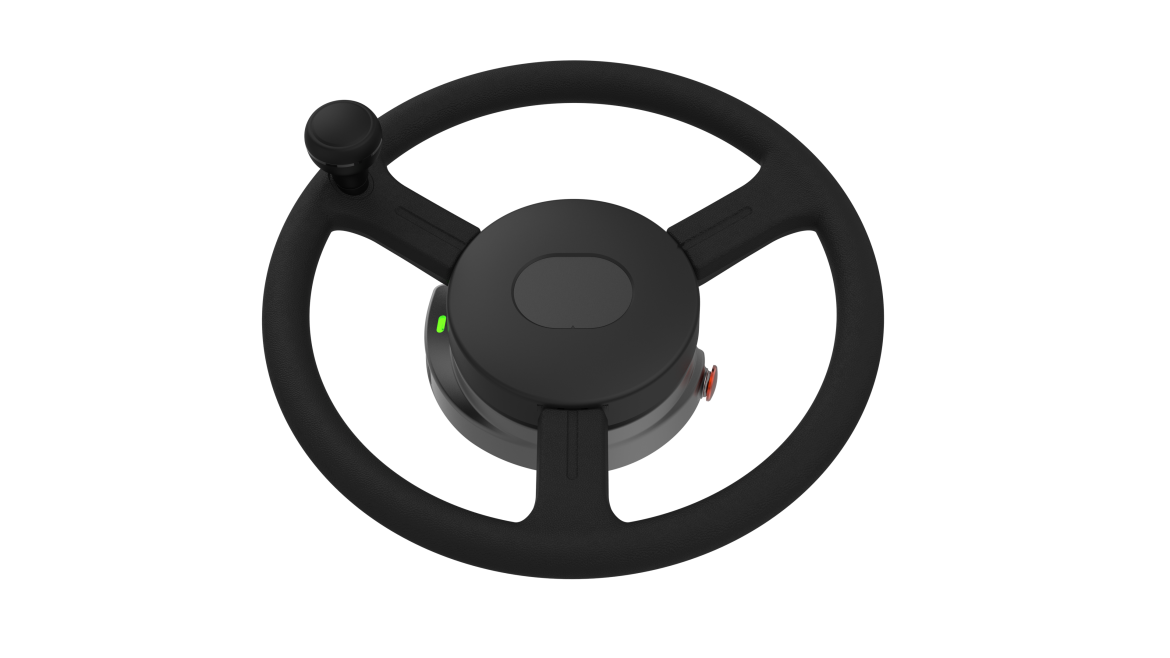
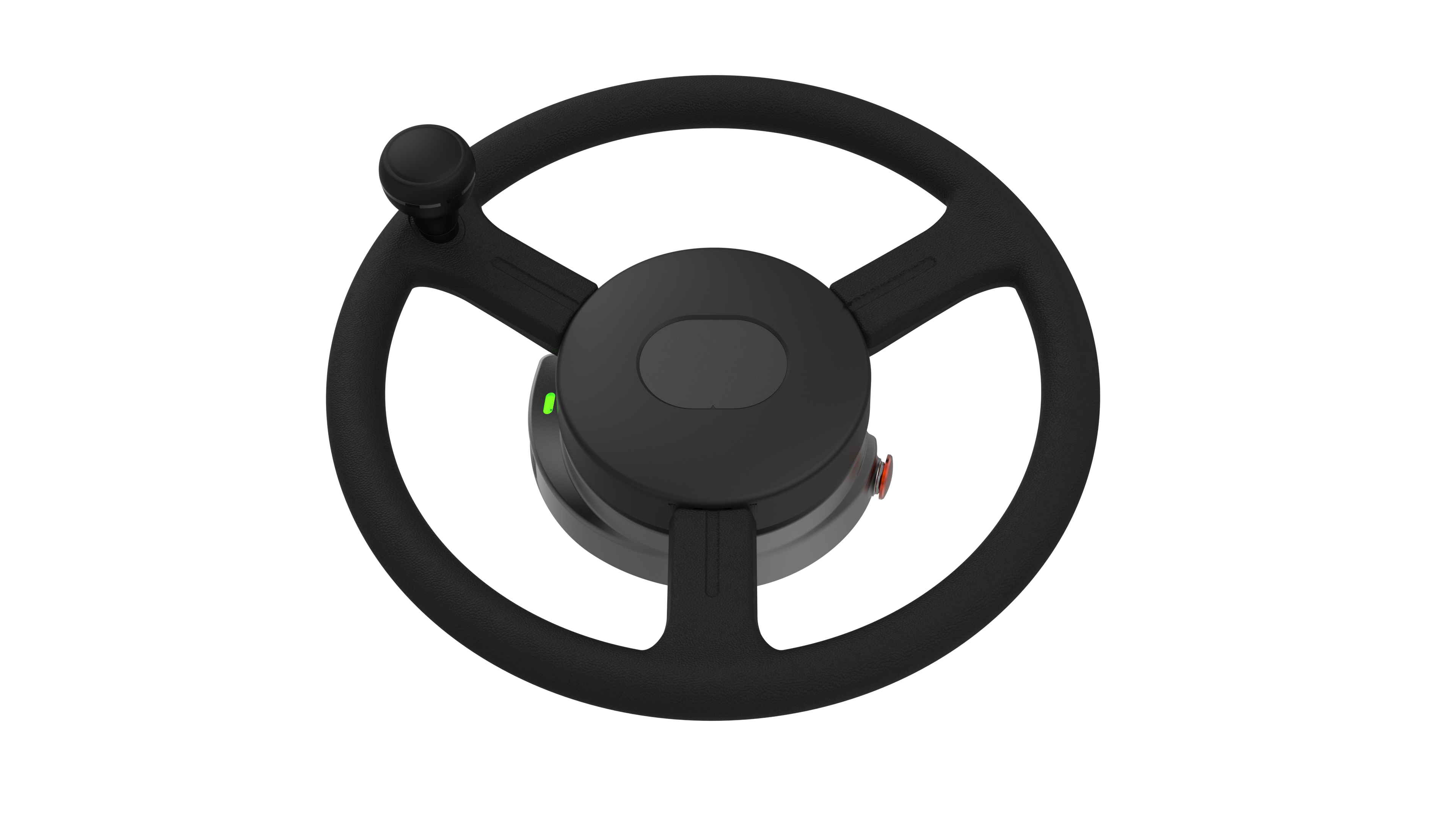
I remember the days before tractor autosteer systems became commonplace. Farmers would spend hours manually steering their equipment, fatigued and frustrated by the complexities of precision agriculture. According to industry surveys, nearly 60% of farmers have faced inconsistencies in yield due to poor navigation. How can such an essential tool like autosteer improve productivity in modern farming? Let’s dive into this transformative technology and explore its benefits.

tractor autosteer systems

Understanding the Basics of Autosteer Technology

Autosteer technology involves GPS-based systems that autonomously control tractor steering, allowing farmers to focus on other crucial tasks. Picture this: you’re out in the fields, and your tractor is perfectly aligning itself with the rows. It’s a game-changer! The days of guesswork and overlapped passes are behind us. By using an autosteer system, efficiency significantly increases, and fuel consumption decreases. Farmers are reporting up to a 10% reduction in fuel expenditure, which is a win-win in any farmer’s book.

What Challenges Do Farmers Face?

However, not all autosteer systems are created equal. Some common pain points include installation difficulties, steep learning curves, and inconsistent performance in various terrains. I recall a customer in Illinois, struggling for two weeks to program a newly installed system, leading to lost time and grains in the field. The frustration is palpable, as I’m sure many farmers out there can relate. Selecting the right system is crucial, yet if you’re uninformed, you could face unnecessary setbacks. It’s all about finding the solution tailored to your specific needs.

tractor autosteer systems

Looking Ahead: The Future of Autosteer for Tractors

As we move forward, the excitement around autosteer for tractors continues to grow. Imagine a future where these systems are integrated with artificial intelligence, allowing real-time data analysis for even better decision-making. The potential for improved crop management is staggering — farmers could harvest an entire field in significantly less time without compromising yield quality. The clearer the path, the more efficient the process. Could this technology even lead to a new era of farming?

Real-world Impact

With the rise of machine learning and data analytics, the operational capabilities of autosteer systems are set to expand. Already, innovators are developing systems that adapt based on field conditions, meaning fewer mistakes and an overall seamless experience. I’ve personally witnessed projects implementing such advancements lead to at least a 15% increase in farm productivity. Those numbers are hard to ignore! This isn’t just about staying current; it’s about leading the way in agriculture efficiency.

Ultimately, whether you’re grappling with the challenges of installation or looking ahead to a tech-driven future, understanding the landscape of autosteer systems can revolutionize your farming journey. Are you ready to embrace tools that will not only keep your tractors in line but will also drive your efficiency and crop yields to new heights? With thoughtful investment in technology, the possibilities are truly limitless.

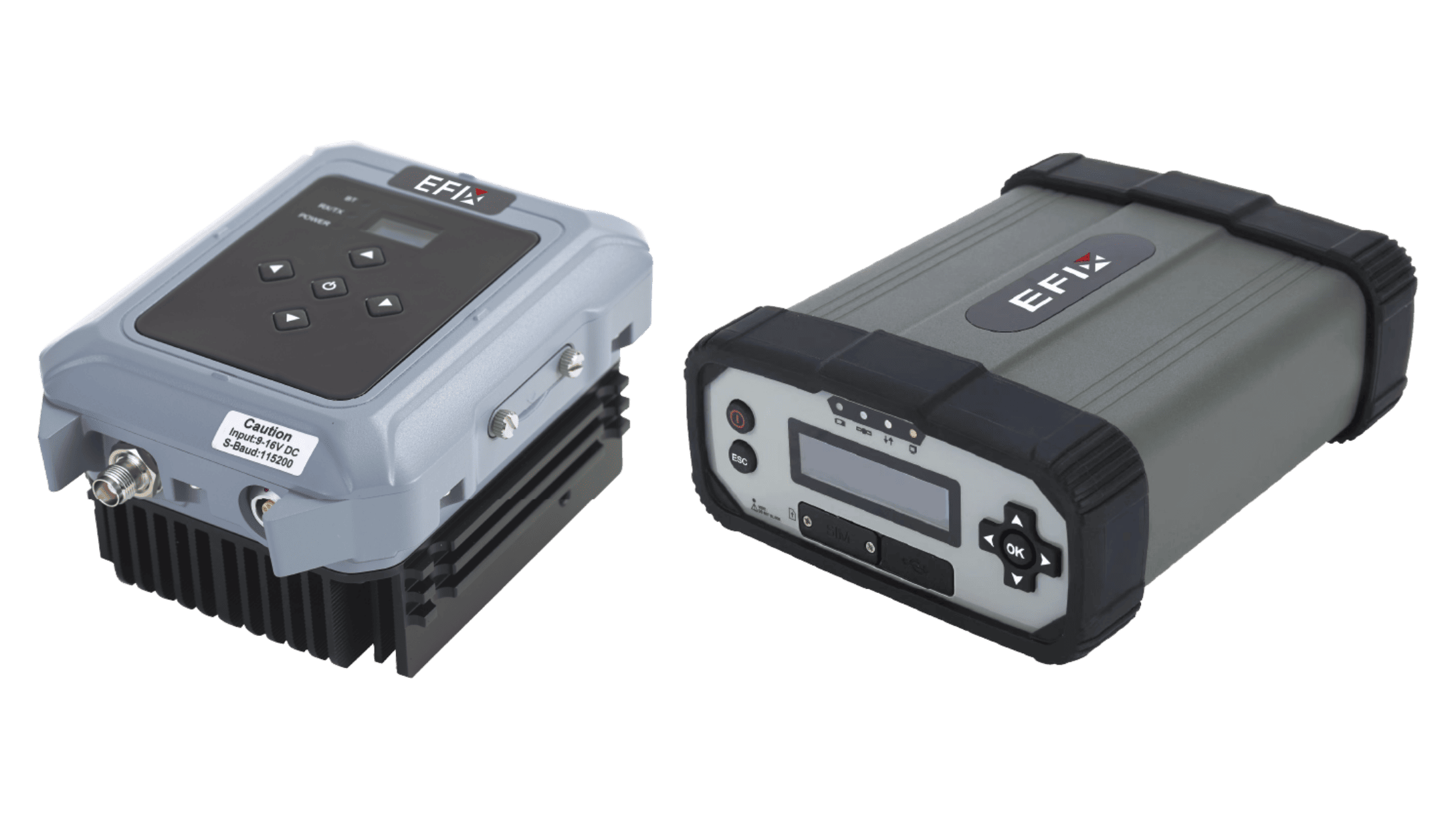
It’s a brave new world out there, and brands like EFIX are leading the charge toward smarter farming. Let’s equip ourselves with the right tools and step boldly into the future.

0 comments
0 FacebookTwitterPinterestEmail

Identifying the Hidden Challenge for Clean Parking Lots

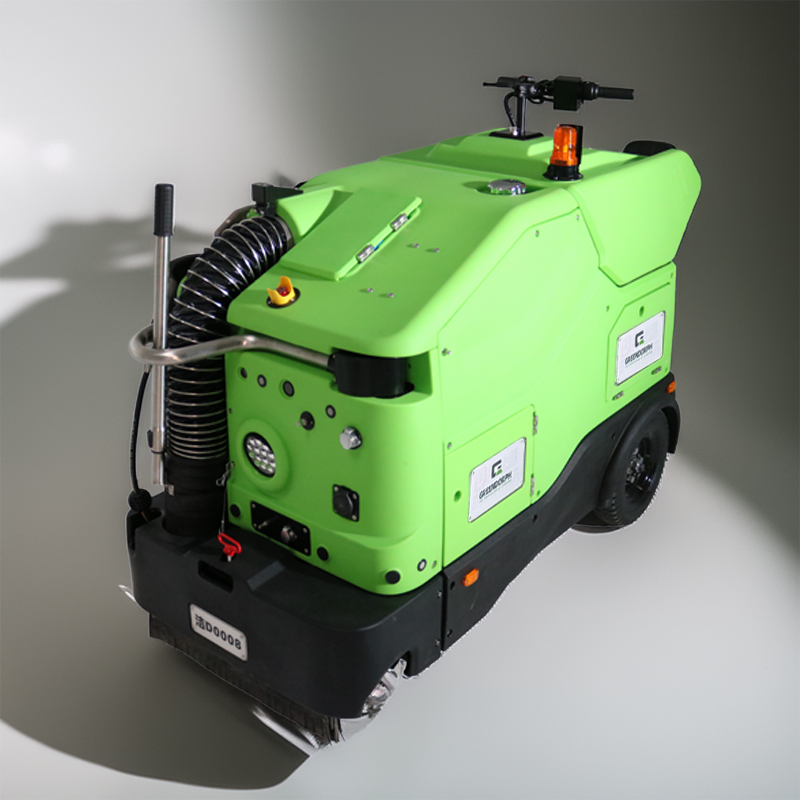
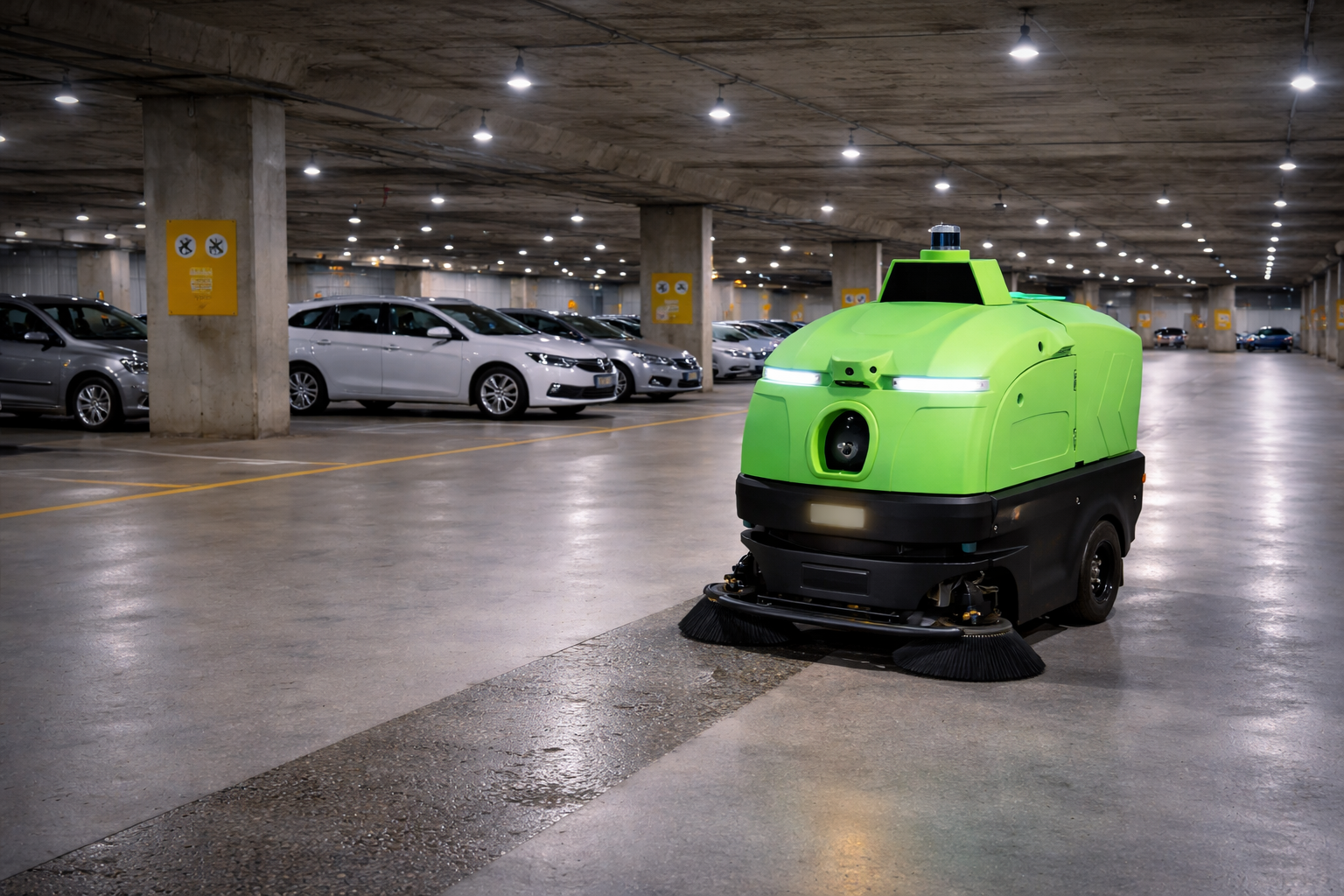
Imagine driving into a bustling retail parking lot that feels more like an urban jungle than a place to park. Data shows that 80% of customers judge a business by the cleanliness of their parking area. This stark reality is why maintaining this space with a competent carpark sweeper becomes crucial. Many overlook this, yet a clean parking lot can directly affect customer perception and retention.

parking lot sweeper

Challenges of Traditional Cleanup Methods

Traditional methods of parking lot maintenance often fall short. I vividly recall a time when a client opted for manual sweeping—an outdated practice that barely touched the surface (literally). Over the course of a month, dirt and debris accumulated, and complaints from customers skyrocketed. This experience taught me that relying solely on manual labor can lead to increased costs in the long run and, simply put, it just doesn’t cut it anymore. The need for more advanced solutions is palpable.

How Does a Carpark Sweeper Solve This?

Utilizing a carpark sweeper directly addresses the inefficiencies of traditional methods. These machines can clean better, faster, and more effectively. Think about it: through innovative technology, such as high-efficiency filters, they collect finer particles that manual sweepers miss. This leads to a cleaner environment and reduced complaints. Plus, businesses can cut down on labor costs—now that’s a win-win!

Future Perspectives on Parking Lot Maintenance

As I look to the future, the advancements in the carpark sweeper sector signal an exciting evolution. New models are emerging, equipped with smart technology that accommodates user needs. Imagine sweepers that can be programmed to clean during off-peak hours, minimizing disruption while maximizing cleaning power. The emergence of electric sweepers not only promises to be eco-friendly but also reduces long-term operational costs.

parking lot sweeper

What’s Next for Parking Lot Management?

As companies face tighter budgets, investments in automated sweepers that enhance operational efficiency will become indispensable. With the potential to collect analytics on cleaning frequency and debris type, these machines facilitate data-informed decision-making. Understanding these trends can result in substantial savings and better resource allocation—are you ready to adapt?

Summing It Up: Lessons from Experience

Through my extensive journey in parking lot management, the key takeaway has been clear—efficient cleaning is crucial for customer satisfaction and business longevity. An effective carpark sweeper can transform a neglected lot into a welcoming space, influencing customer decisions and ultimately boosting revenues. As I reflect on the lessons learned, I can confidently say that embracing new technology today leads to measurable results tomorrow.

In conclusion, investing in a reliable carpark sweeper is not just smart—it’s essential. As demands grow and customer expectations shift, those who adapt will lead the way forward. If you’re looking to navigate this changing landscape successfully, consider partnering with the right solution provider. Explore the offerings at Greendorph for the ultimate in parking lot maintenance solutions.

0 comments
0 FacebookTwitterPinterestEmail