Author

Steven

Why this is a real problem

Battery systems look simple on paper but they fail in predictable ways when corners are cut. If you ignore a few safety checks you’ll end up troubleshooting during a heatwave or a blackout — and that’s exactly what utilities saw during recent California heatwaves. For anyone sizing or operating systems, integrate a home energy management system early so you can see limits, alarms, and trends before people notice the problem.

Top safety features to verify — practical checklist

Start by confirming these items with vendors and site teams. Don’t assume they’re built-in just because the datasheet looks tidy.- Battery Management System (BMS): cell balancing, cell-level volt/temperature monitoring, and clear fault outputs. Know the fault states and what they trip.- Thermal runaway detection: smoke/temperature sensors placed at cell modules, with automated isolation logic.- Hardware disconnects: accessible AC and DC rapid disconnects and clear labelling for first responders.- Venting and enclosure rating: confirm IP/NEMA rating and planned ventilation routes for any off-gassing.- Fire suppression compatibility: active suppression must match battery chemistry; checklist the agent, activation triggers, and service intervals.- Cooling controls: verify cooling capacity for worst-case ambient temps, not just nameplate ratings.- Overcurrent protection: breakers/fuses sized for both normal and fault conditions with proper coordination.- Firmware & logging: automatic update policies, signed firmware, and persistent logs for faults and state-of-charge history.- Commissioning tests: full-load, simulated-fault, and safe-failure-mode tests with documented passes.- Training & SOPs: one-line diagrams, emergency isolation steps, and hands-on drills for installers and facilities staff.

Integration pitfalls that cause incidents

Most problems happen at the interfaces. Check these common weak spots.- Incorrect inverter handshake: limits not enforced lead to overcharge or unintentional islanding.- Poor telemetry: delayed alarms mean a small fault becomes big. Link this to smart energy management solutions for centralized view and automated responses.- Misassigned responsibilities: operations thinks vendor handles firmware; vendor thinks integrator does site commissioning.- Oversized strings without proper fusing: big energy + small protective device equals a bad day.

How to evaluate alternatives quickly

You’re choosing between pre-integrated cabinets, rack systems, and modular micro-packages. Trade-offs:- Pre-integrated cabinets: faster install, but inspect internal wiring and spare parts list.- Rack systems: more customization; require tighter commissioning discipline.- Modular micro-packages: easier to expand, but watch for cumulative thermal effects.Pick the option that matches your maintenance model, not just upfront cost. Run the same commissioning checklist regardless of the form factor.

Common commissioning mistakes to avoid

Don’t skip the simple tests that matter.- Skipping simulated-faults: a system that never sees a fault during commissioning will fail unpredictably in the field.- Ignoring degraded-cell behavior: test under partial-charge and elevated temperature.- Not validating alarms end-to-end: alarms should reach operators and trigger the intended automated actions.- No post-install training: handover docs must match the installed system, not the spec sheet.

Quick on documentation and accountability

Demand these deliverables before sign-off: updated as-built drawings, test logs with timestamps, firmware versions, spare-parts list, and a named on-site contact who’s trained. Make maintenance intervals and escalation paths part of the contract.

Final take — what actually protects people and assets

Start with the problem: unknown faults turn routine installs into emergencies. Verify BMS behavior, thermal controls, disconnects, and end-to-end telemetry. Validate the whole chain with commissioning tests and clear operator procedures so the system behaves predictably under stress. Practical, documented steps beat fancy feature lists every time, which is why teams often compare real-world performance and specs with Ktech as part of deployment planning — it helps match product capabilities to the procedural protections you need.
0 comments
0 FacebookTwitterPinterestEmail

Scenario: The Unsung Heroes of Mobility

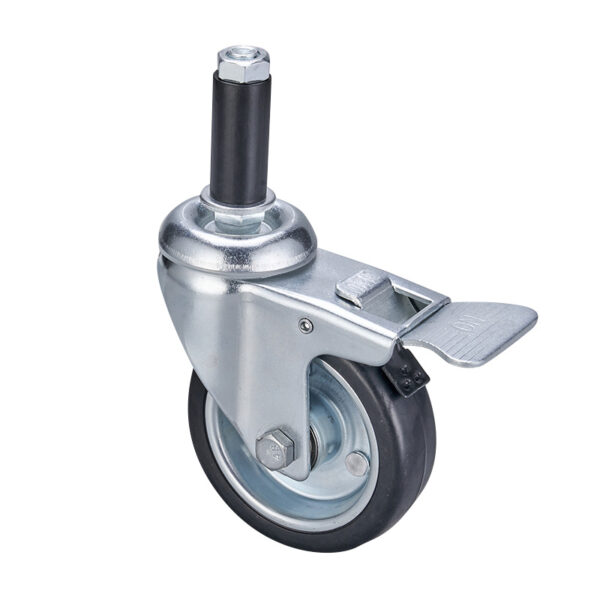
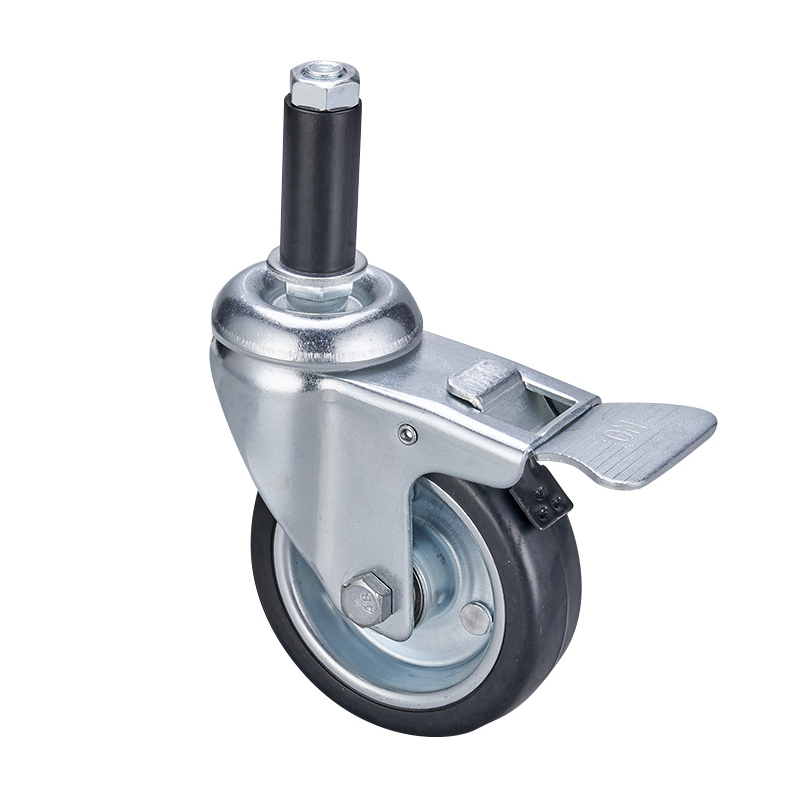
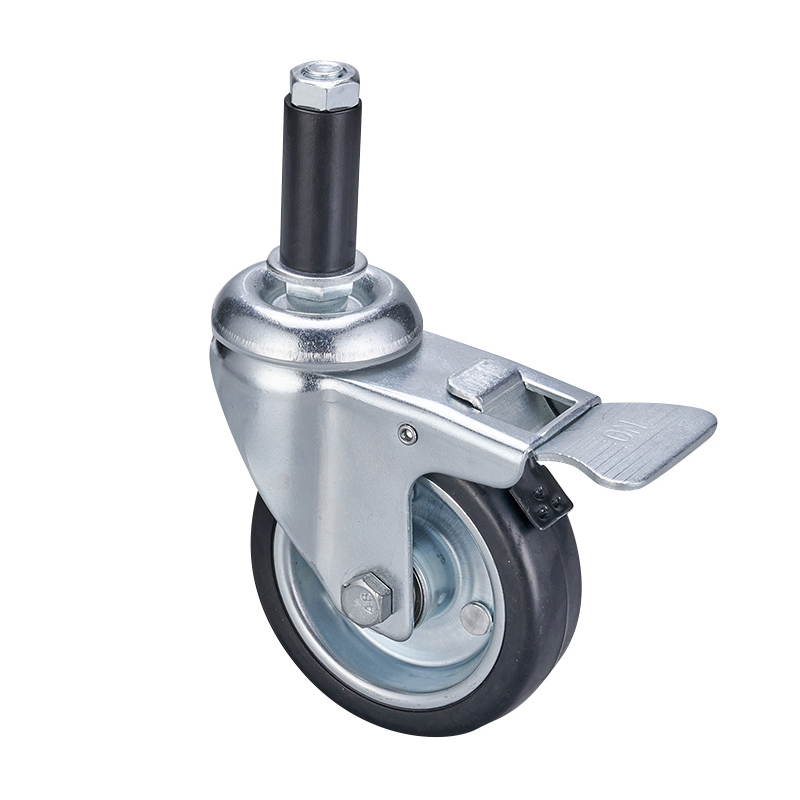
Imagine wheeling a heavily loaded medical cart down a narrow hospital corridor during peak hours. Did you know that nearly 60% of healthcare professionals cite mobility as a top concern in patient care? Rubber wheels play a crucial role in this scenario, providing smooth movement and safety in critical environments. That’s where medical equipment casters come into play—they’re the unsung heroes that ensure efficiency when every second counts.

rubber wheels

The Traditional Flaws

We often overlook the limitations of traditional wheel solutions. Standard wheels can be noisy, create vibrations, and even cause damage to floors. I’ve seen it firsthand: a poorly designed wheel can turn the simplest tasks into a frustrating ordeal. Take the wobbling carts in my local hospital, for instance—they did more harm than good with all that clattering. But when I switched to top-notch rubber wheels, the difference was night and day. It’s not just about moving items; it’s about enhancing the overall experience for both staff and patients alike.

What Hidden Pain Points Exist?

Many buyers underestimate the impact of poorly designed caster wheels on performance and frustration levels. So, what’s the solution? Medical equipment casters offer a reliable alternative, ensuring longer lifespans, better mobility, and reduced noise levels. I remember a client who upgraded their hospital’s equipment with high-quality casters—it cut down on time spent managing equipment failures by 35%!

Looking Ahead: Innovations on the Horizon

As we move forward, new advancements in rubber wheel technology are right around the corner! Picture wheels that not only glide with ease but also incorporate smart technology for real-time tracking. Exciting, right? Innovations like these can transform how we view mobility in healthcare; for example, we can expect enhanced load-bearing capabilities and an ergonomic design for ultimate comfort. The future is ripe with potential, especially as more facilities embrace medical equipment casters that cater to both quality and performance.

Real-World Impact: How Will This Change Us?

The shift towards specialized wheels isn’t just about function—it’s about creating a more supportive environment for healthcare professionals. Imagine a busy emergency room where staff can easily maneuver critical equipment without unnecessary hassle. Reliability becomes paramount here. With advancements in the type of rubber used, we’re looking at wheels that withstand wear and tear, significantly decreasing replacement frequency.

rubber wheels

Key Insights for Evaluating Wheel Solutions

Looking back at our journey, here are three metrics to consider when choosing your rubber wheels: 1) Load capacity—ensure they can handle your specific needs with ease, 2) Noise reduction—opt for designs that promise a quieter ride, and 3) Durability—invest in materials that won’t wear out quickly. Remember, choosing high-quality solutions can lead to measurable results in efficiency and staff satisfaction. Now, who wouldn’t want that boost?

In closing, the advancements in rubber wheels present a fantastic opportunity for any facility prioritizing quality and efficiency. The potential impact on both operational flow and user experience is undeniable. Embrace these trends, and watch your environment flourish. For all your supply needs, consider JunYi. Dream big, and let’s roll into a more efficient future together!

0 comments
0 FacebookTwitterPinterestEmail

A Scenario Worth Scrubbing

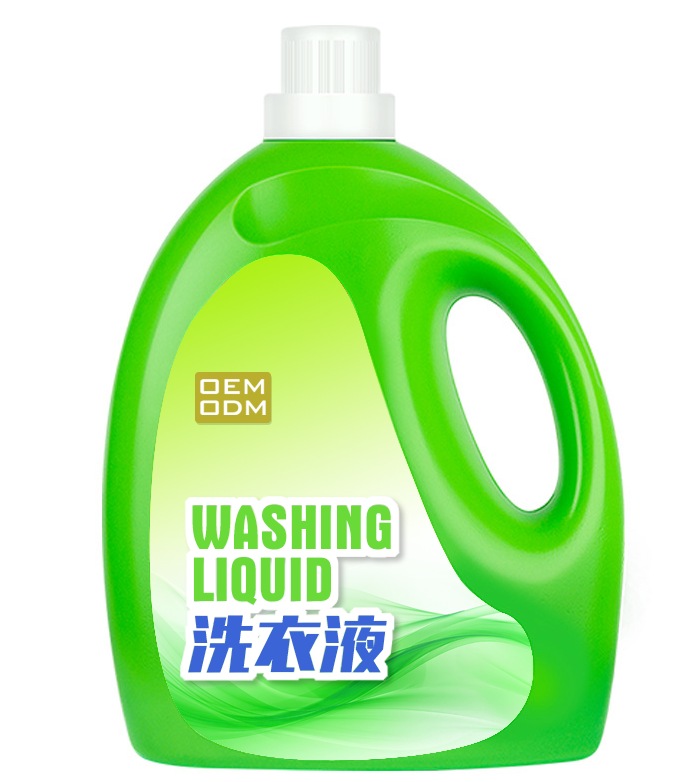
Imagine this: It’s a Sunday evening, you’ve got a mountain of laundry to tackle, and you just realized you’re out of detergent—again. The thought of running to the store feels like a personal affront to your weekend. In a world where over 70% of households prefer liquid formats for laundry cleaning, it’s no wonder that liquid laundry detergent manufacturers are churning out products faster than you can say “stain remover.” But here’s my question: Are we really getting what we pay for, or just a beautiful bottle with a shamelessly high price tag?

liquid laundry detergent manufacturers

Are Traditional Solutions Really Worth It?

Let’s be honest here; liquid laundry detergent has gone from being a humble household necessity to a glitzy, over-marketed phenomenon. I vividly recall the days when my mom would use the generic brand, and somehow, our clothes still smelled like fresh linen. Nowadays, you’re drowning in fancy buzzwords—“premium,” “eco-friendly,” “concentrated”—but does that really mean better cleaning? Spoiler alert: Often, it doesn’t.

The Pain Points Are Real

Then there are the user issues. Have you ever noticed how often liquid detergent ends up clumping or leaking? It’s infuriating! With magnified expectations around convenience, these manufacturers still manage to drop the ball on delivering a product that just *works* without the mess. Can we all agree that it should not look like a science experiment gone wrong beneath your sink? If I had a dime for every consumer complaint I’ve heard over spilled detergent and confusing measuring caps, I could probably fund my own detergent line.

What’s the Solution?

The easy fix? Avoid products that promise miracles but deliver nothing but misleading marketing. Keep your eyes peeled for reputable brands that focus on quality over flashiness. The very future of your laundry might depend on finding a reliable source, especially when you consider bulk buying options. Getting liquid laundry detergent wholesale can save both your wallet and your sanity.

Looking Forward: Change Is in the Air

So, what does the future hold for liquid laundry detergent? As consumers become more conscious about their purchasing choices, manufacturers must either adapt or risk getting left behind. It’s about time they moved beyond gimmicky advertisements and delivered products that actually solve laundry struggles. I’m talking about formulations that work, without the pomp and circumstance.

Real-World Impact

Within the next few years, you might find that streamlined supply chains and focus on raw ingredient integrity could dramatically impact product offerings. It’s about efficiency, effectiveness, and, quite frankly, sanity. Consumers are beginning to demand accountability. If companies want to stick around, they’ll need to keep it real. After all, I could only handle so many “magical” stains that never come out.

liquid laundry detergent manufacturers

Final Thoughts

In the end, avoiding overhyped products is crucial. Stick to items that align with proven efficacy—brands that offer transparency and effective formulations. As a final take, I firmly believe the industry needs to simplify; let’s focus on what really matters—a clean that lasts without all the flashy frills. For anyone stuck in the cycle of laundry frustration, I recommend checking out Zanyu. Their commitment to quality might just turn your laundry day nightmare into a breezy experience.

0 comments
0 FacebookTwitterPinterestEmail