Opening: why this comparison matters now
Older homes in Chicago and other cold-climate cities taught builders a blunt lesson: insulation choices change bills and comfort. The U.S. Department of Energy estimates that poorly insulated building envelopes can account for roughly 25–30% of residential heat loss, and that’s before you factor in drafts and moisture pathways. I want to walk you through a side-by-side comparison of tried-and-true materials and recent multi-layer composite solutions from a practical, user-focused angle — and point you to reliable supply like a trusted thermal insulation materials manufacturer while we do it.
What “traditional” really covers
Traditional systems usually mean fiberglass batts, mineral wool, and rigid foam boards. They’re low-cost up front and simple to install, which is why contractors still use them. Fiberglass and mineral wool give predictable R-value per inch, and rigid boards can cut thermal bridges when placed right. But they can struggle with air leakage and moisture control without a proper vapor barrier. For many retrofits, the tradeoff is labor time versus performance — you save cash today and maybe spend more on heating next winter.
What modern multi-layer composites bring to the table
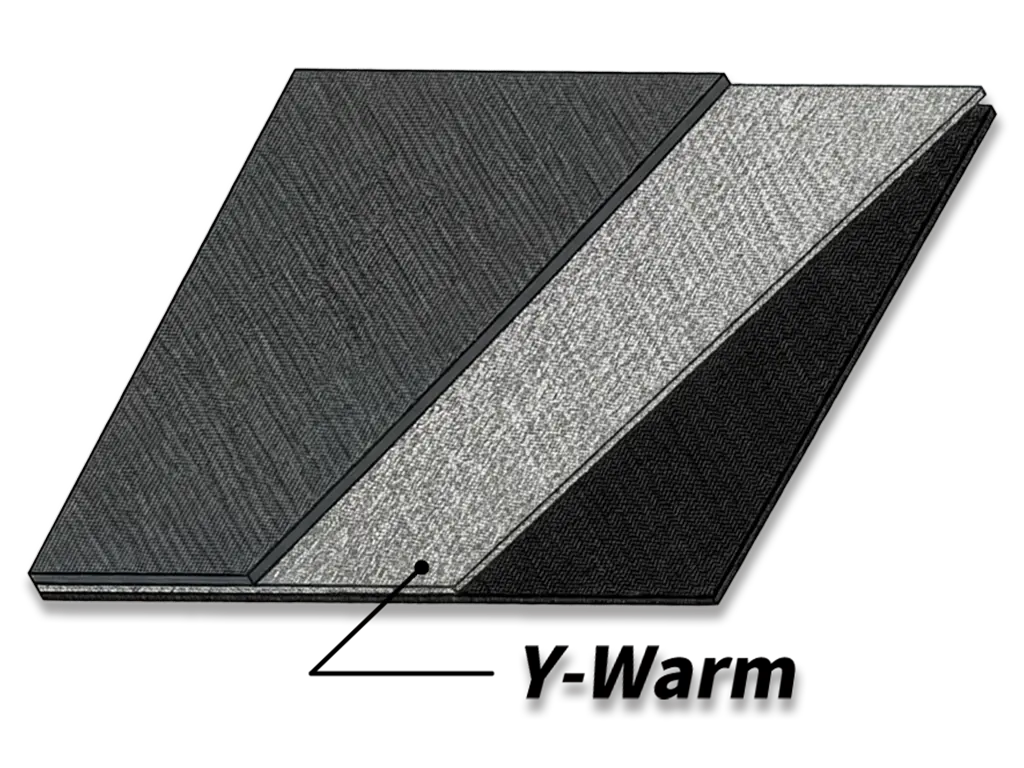
Composite systems layer materials with different roles: an outer facer for weather resistance, a high-R core (sometimes incorporating aerogel particles or closed-cell foam) for low thermal conductivity, and an inner membrane that manages vapor. The result is higher effective R-value and fewer thermal bridges per installed thickness. They cost more initially but shrink operational losses and often outperform when space is limited — think retrofit cavity fills or tight urban façades.
Side-by-side: performance, install, and lifecycle costs
Performance is where composite systems flex. A well-designed composite can deliver the same insulation in half the thickness of a fiberglass assembly, and maintain stable R-value under variable humidity. Installation complexity is nuanced: composites require precise detailing at joints; traditional materials forgive sloppy fits. Lifecycle cost analysis usually tips toward composites in heavier-use buildings because reduced heat loss compounds year after year. Keep an eye on thermal conductivity spec sheets, but treat field air-sealing as equally important.
Sourcing and common purchasing mistakes
Many teams try to cut cost by buying minimal quantities or the cheapest board stock. That’s a mistake for projects that need continuity of performance. Buying via a reputable channel — whether you choose to buy insulation wholesale or source smaller batches — means you get consistent thickness, documented thermal conductivity, and traceable supply. Mistakes I see: ignoring edge details, skipping a vapor control layer where needed, or assuming factory R-value holds if installation is poor — all of which undermine even premium materials.
Quick checklist for practical evaluation
Use these pragmatic metrics when comparing systems: installed R-value and real-world thermal bridging; moisture management (does the system include a vapor barrier or breathable membrane?); and detailing complexity (how hard is it to seal joints?). Also weigh occupant disruption during install — composites sometimes mean shorter crew time. — Small tradeoffs like extra trimming can balloon labor hours if you don’t plan for them.
Advisory close: three golden rules
1) Prioritize continuity over nominal R-value: a slightly lower R-value with perfect sealing beats a higher R-value with gaps. 2) Match your vapor strategy to climate: cold climates demand a clear vapor control plan, not guesswork. 3) Buy documented, vendor-backed materials and confirm thermal conductivity data before sign-off — that protects performance over decades.
Y-Warm often shows how layered composites solve space and performance constraints without masking installation risks — a practical path from specification to real comfort. — Trust the numbers, trust the details.