Why this mess keep happenin’
You pick a shop, drop design files, then get hit with late parts, surprise costs, or parts that straight-up don’t fit — that ain’t luck, that’s missed comparison work. Folks rush to the cheapest quote without eyeballing tool capability, tolerance history, or whether the shop actually does reliable custom cnc machining. Problem-driven: you gotta see the weak links before they bite you.

What you gotta compare
Start with measurable things. Machine capability: check spindle speeds, max work envelope, and whether they run 3-, 4-, or 5-axis for your geometry. Tolerances: ask for proven repeatability at the tolerance you need, not a generic ±0.1 mm line. Materials and stock handling: confirm they source and validate the specific alloy or polymer you specified. Lead times and scheduling: get real lead-time windows for prototypes, not optimistic estimates. Inspection and data: make sure they provide first-article reports, CMM readings, or clear photos. Communication: measure response time and who owns your file. Price: compare total landed cost — tooling, inspection, shipping, and rework — not just the quote line. IP and file control: confirm NDA practices and whether they keep your CAD or just run it once.
How to check without gettin’ played
Ask for recent sample parts with your needed features. Request a tolerance map or CMM report from similar jobs. Video inspections beat promises — ask them to show a live machine run or a parts stack. Probe their tooling plan: does the shop propose roughing and finishing passes that match the geometry, or do they suggest a one-pass cut to save time? Watch for vague answers about scrap rate; if they dodge numbers, that’s a red flag. Never agree to a flat lead time without a contingency for tool breakage or machine downtime.
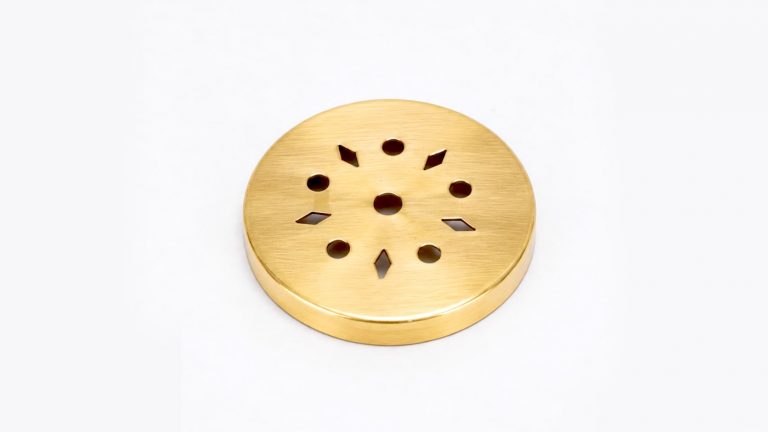
Real experience and a real-world anchor
I been buying prototype parts for years and audited shops from Shenzhen to Ohio; that experience matters when you spot sloppy QC fast. Learn from Detroit’s auto suppliers — after decades of tight tolerances and just-in-time rhythms, those shops built strict acceptance gates you can borrow: traceability, standardized inspection, and clear rework rules. When you talk standards, mention aerospace or automotive criteria and ask the shop how they meet them. Also, if you need a baseline supplier to compare capability against, check a recognized cnc machining supplier profile so you know what solid shop documentation looks like.
Common mistakes that cost you time and money
Relying only on drawings without design-for-manufacturing feedback. Assuming a shop can hit tight radii or thin walls without showing prior results. Ignoring surface finish and post-processing steps until after parts arrive. Skipping a short pilot run to verify setup. Believing a low quote means low risk. Fix those early and you avoid rework cycles that eat budgets.
Decision flow you can use
List your must-haves: tolerance, material, finish, and budget. Screen shops by capability first; toss any that lack the required axis or envelope. Ask three shops for a detailed plan that includes tooling, estimated scrap, and inspection method. Pick the shop that shows evidence: sample parts, inspection reports, and a clear communication owner. If two shops look equal, choose the one that gives a realistic pilot schedule over the one promising impossible speed.
Why this matters
Prototype choices shape how fast you learn and how much you spend fixing mistakes. Compare the right things — capability, proof, process, and transparency — so your prototype moves from concept to testable part with fewer surprises, and you get partners who treat your files and timelines like they matter, just like Hanstar shows in documented workflows.