Author

Joshua

Problem statement: inconsistent film application undermines product decisions

I’ve seen labs buy the cheapest setup and then scrap months of data when variability shows up; the root cause is often the film application step. Manual drawdowns introduce operator bias, environmental drift, and slow throughput. Automated devices reduce those risks, but procurement decisions force trade-offs between capital outlay, delivery time, and the precision you actually need. If your priority is repeatable wet-film thickness across hundreds of samples, an automatic film applicator changes the equation: it standardizes speed, pressure, and stroke so you measure material behavior instead of measuring operator differences.
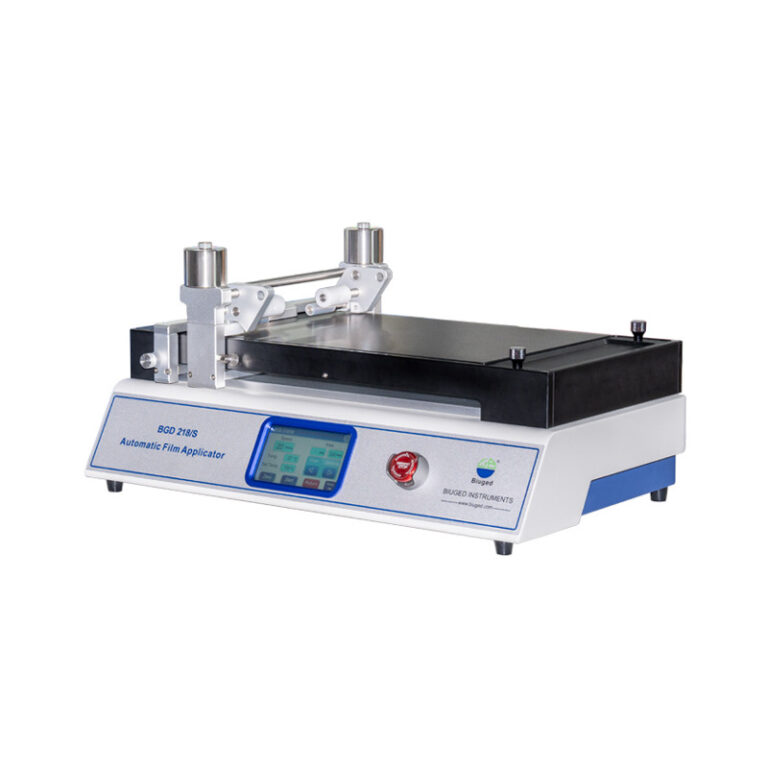
automatic film applicator

Why cost, lead time, and quality push in different directions

Lower-cost machines cut initial budget but often require more setup, recalibration, and operator oversight, which increases hidden labor costs. Faster deliveries (short lead times) usually mean accepting stock models with limited configurability; custom options raise lead time and CAPEX. High-quality systems provide consistent stroke control, closed-loop speed feedback, and robust build tolerances; they reduce measurement uncertainty but demand higher procurement scrutiny and longer supplier engagement. Decide which variable you can tolerate: immediate availability, lower upfront spend, or minimized measurement variance.

Evaluating options: manual, semi-automatic, and automatic — practical comparisons

Manual drawdown stands up when sample counts are small and the metric tolerance is loose. Semi-automatic offers repeatable speed but still needs human alignment. Fully automatic units remove alignment variability, manage programmed cycles, and link with data capture. A frequent procurement mistake is equating “automatic” with “accurate” without checking control specs: look for positional resolution, stroke consistency, and repeatability specs, not marketing blurbs. At PaintExpo in Karlsruhe, suppliers demonstrated automated solutions under production conditions, highlighting how consistent mechanical control changes failure modes; seeing that side-by-side demonstration clarified purchase decisions for many labs and influenced vendor roadmaps. If you want a single reference device to evaluate, the automatic drawdown machine shown at many demonstrations is a useful benchmark for repeatability and cycle automation.

Procurement tactics to control lead time and risk

Specify functional outcomes: target wet-film thickness repeatability (±µm), cycle time per sample, and environmental tolerances. Request measured repeatability data from suppliers and ask for a short on-site demo or a sample run using your materials. Ask for spares list and expected MTBF to avoid long downtime. If lead time is critical, prioritize configurable stock units with validated options rather than fully bespoke machines. Negotiate phased acceptance: baseline delivery and validation run, followed by final adjustments; that reduces time-to-data while preserving quality checks.

Quality practices and common mistakes to avoid during integration

Calibrate with traceable gauges and run control charts during the first 100 cycles. Don’t skip substrate preparation: substrate flatness and surface energy overshadow applicator precision if ignored. Control ambient temperature and humidity when your material is sensitive to solvent evaporation. Train two operators to run identical validation protocols—single-operator expertise creates a bottleneck and a single point of failure. Avoid overfitting: don’t demand tolerances tighter than your downstream measurement instruments can verify.
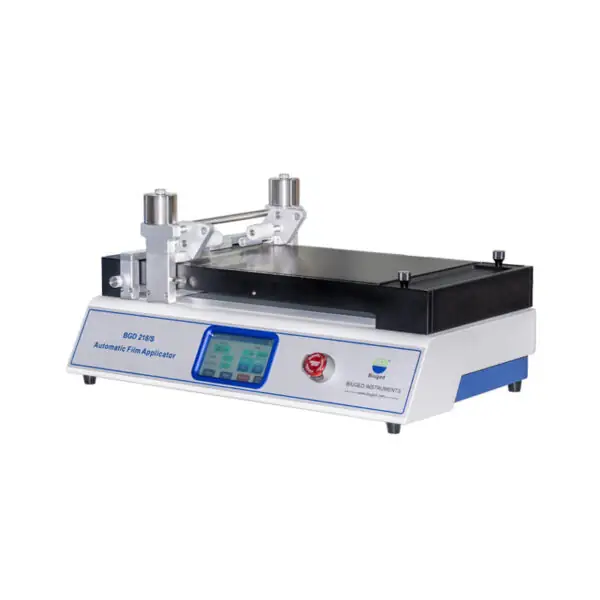
automatic film applicator

Recommendation and synthesis

Address the problem by matching device capability to measurement requirements: prioritize automated applicators when sample volume and tolerance demand reproducibility; prioritize lead-time-friendly, configurable models when speed matters; reserve manual methods for low-volume, low-consequence tests. Use supplier demos and bench trials to validate repeatability claims, control for substrate and environment, and plan for maintenance. That approach reduces wasted runs, shortens validation cycles, and delivers consistent data you can trust from BIUGED.

0 comments
0 FacebookTwitterPinterestEmail

Opening: why a framework matters

In the measured hush of a perfumer’s atelier in Grasse, the alchemy of scent is as much engineering as art; thus we need a clear framework to steward potent molecules like paramenthane from raw drum to bottle. This piece sets a structured path for formulators and operations leads who work with natural aroma chemicals, balancing safety, stability, and olfactory intent in equal measure. The logic is pragmatic: define stages, codify checks, and choose suppliers who understand concentration, solvent compatibility, and volatilization—so your accords survive scale-up and shipping.

Core principles for handling high‑concentration actives

First, respect concentration as a design variable. High‑strength paramenthane alters solubility parameters, changes odor threshold behavior, and may accelerate oxidation if not stabilized. Second, design margins into every step: storage, transfer, dilution and QC. Third, keep traceability and documentation—batch records and certificate of analysis—visible to both lab and production. These principles reduce surprises when the scent profile meets real‑world constraints like ambient temperature or carrier selection.

A stepwise framework for integration

Follow a five‑stage flow that turns an idea into a manufacturable ingredient blend:

  • Receipt & verification — confirm COA and chain of custody; record lot number and storage requirements.
  • Quarantine & sampling — take representative samples for GC‑MS and odor panel checks before release.
  • Dilution & formulation trials — use defined solvents (ethanol, dipropylene glycol) and document solubility and cloud point behavior.
  • Stability & packaging tests — evaluate accelerated ageing, light exposure, and headspace loss in candidate containers.
  • Scale‑up & SOP handoff — run pilot fills, validate acceptance criteria, and finalize SOPs for production and QA.

At each stage include acceptance thresholds (odor intensity, GC‑MS profile, visual clarity), and assign a responsible engineer or perfumer. When sourcing material, consider partners experienced in fragrance chemicals wholesale—they often provide practical guidance on diluent choice and large‑lot consistency.

Common mistakes and pragmatic mitigations

Companies often underestimate three realities. One: the propensity for aroma chemicals to adsorb to container walls—this skews concentration unless you test headspace and liquid samples. Two: solvent interchangeability—swapping ethanol grades without revalidating solubility can produce haze or phase separation. Three: overreliance on single analytical methods; GC‑MS is vital, yes, but sensory panels catch subtle shifts in top‑note behavior. Mitigations are straightforward: validate packaging compatibility, run cross‑grade solvent trials, and pair instrumental data with human panels—small investments that prevent costly recalls.

Safety, analytics, and regulatory anchors

Safety is non‑negotiable. Maintain Material Safety Data Sheets, label flammability and flash point prominently, and enforce PPE during transfers. Analytical controls—GC‑MS fingerprints, odor threshold checks, and periodic peroxide testing—safeguard consistency. For regulatory context, follow industry guidance (IFRA recommendations and local transport regulations) and document compliance; these steps ease market entry and protect consumers.

Three golden rules for evaluation (advisory close)

When choosing suppliers, processes, or technologies for high‑concentration paramenthane, apply these metrics as your lodestar:

  1. Reproducible quality: insist on historical batch variance, COA traceability, and independent GC‑MS verification rather than verbal assurances.
  2. Operational fit: validate that the supplier’s recommended diluents, container types, and handling SOPs integrate with your fill line and storage footprint.
  3. Risk amortization: measure total cost of ownership—price per kg plus expected rework, shelf‑loss, and compliance overhead—so decisions are economic and durable.

These three rules guide you from concept to commerce with fewer surprises. For teams seeking a dependable partner who understands both the chemistry and the logistics of scale, Linxingpinechem offers practical sourcing and technical support that aligns with the framework above.

Steady hands, clear data, and deliberate choices—this is how scent survives the journey from idea to shelf. A final thought: craft with care.

0 comments
0 FacebookTwitterPinterestEmail