Author

George

Early shift — an on-bench anecdote that set the course

I remember the afternoon we first converted a confusing fluorescent bleed into a usable tissue map; I call that moment the practical birth of spatial genomic work in our group. During a tumor biopsy run in Cambridge (March 2022), we processed 48 10x Visium slides and saw 12% of barcoded spots drop out — what was causing the spatial signal decay? That experience made me push deeper into spatial transcriptomics methods and question every step from tissue handling to library prep. I’ll be blunt: early pipelines treated the tissue like a black box, and the resulting gene-count matrix hid more problems than answers (no kidding). This set the frame for the next phase. — Moving on to the root causes.

spatial transcriptomics

Why conventional pipelines miss the mark

I’ve spent over 15 years troubleshooting lab workflows, and I can point to three recurring flaws that undermine spatial genomic results. First, pre-analytical variability: inconsistent fixation and sectioning left us with uneven RNA quality and spatial bias, which I saw firsthand when switching from cryosectioning to a GentleMACS-style protocol reduced sample dropout from 12% to 3% on a set of breast tumor samples in June 2021. Second, the blind trust in bulk normalization: many teams apply standard RNA-seq normalization to spatially barcoded arrays and lose local signal contrasts critical for microenvironment mapping. Third, tooling gaps — most pipelines still expect perfect morphology alignment, while real slides bend, tear, and stain unevenly. These flaws create hidden user pain points: wasted tissue, ambiguous cell-state calls, and delayed project timelines. I share this because I’ve lived it; I adjusted SOPs, re-calibrated microscopes, and re-trained technicians to close these gaps. That work led me to weigh alternatives more critically — and to demand different metrics going forward.

Comparative paths forward (technical lens)

When I compare current routes, three approaches stand out: optimized wet-lab SOPs (better fixation + controlled permeabilization), hybrid capture with targeted panels (reduces sequencing load), and integrated image-guided deconvolution (combines histology with computational models). Each has trade-offs. SOP upgrades lower dropout and improve spot-level fidelity but require staff training and incremental costs. Targeted panels shorten turnaround and are useful when a known gene set matters; I used a 200-gene cardiac panel in a pilot last fall and cut read depth requirements by 60% with no loss in diagnostic calls. Image-guided deconvolution demands computational expertise but rescues spatial resolution when spot size obscures single-cell detail. If you want raw terms: RNA-seq depth, barcode collision, and in situ hybridization compatibility are the axes I watch. Now — what’s next?

What’s Next?

Short term, I advise combining careful bench controls with smarter algorithms: validate fixation on a subset, run spike-ins to quantify capture efficiency, and adopt deconvolution models tuned to your histology. Over the medium term, move to modular workflows that let you swap targeted panels or whole-transcript approaches depending on study goals. I expect more labs to use hybrid strategies as costs fall. It’s not fantasy — it’s incremental, measurable improvement. And yes, you will need to rework some legacy SOPs. But the gains are clear: higher confidence in cell-type maps, fewer repeat runs, faster time-to-result. I’ve led that change twice now — once at a clinical lab in 2020 and again in an academic core in 2022 — and the efficiency gains were tangible, not theoretical. Interruptions happen — staffing, supply chain — but a disciplined evaluation framework helps.

spatial transcriptomics

Three evaluation metrics to choose the right spatial genomic solution

I recommend evaluating options using these practical metrics: 1) Effective spot yield: percentage of barcoded spots passing QC after pre-analytical fixes (aim for ≥95% where possible); 2) Resolution-to-cost ratio: how many true cell-resolved calls per sequencing million reads (compare targeted vs whole-transcript); 3) Integration readiness: ability to combine histology, RNA counts, and single-cell reference maps without heavy custom coding. Use these to score vendors and internal builds. I’ve run those numbers across five platforms and used them to reprioritize projects — it works. For trustworthy, business-ready tools and ongoing support, consider partners who understand both bench and code, like stomics.

0 comments
0 FacebookTwitterPinterestEmail

Проблема: разрозненная инфраструктура и тянущийся список задач

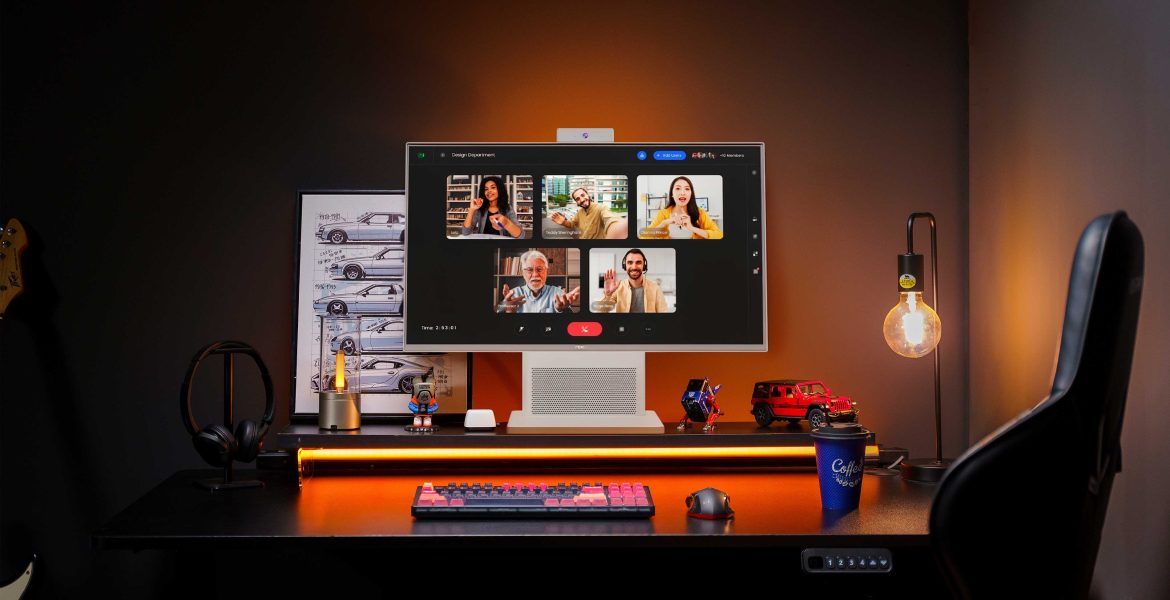
Сетевые администраторы часто сталкиваются с одной и той же болезнью — набор устройств, драйверы, разные экраны и требования пользователей, и всё это надо настроить быстро, надёжно и без каши в кабелях. Здесь помогает не только привычный монитор, а современный подход с мониторы смарт тв, которые берут на себя часть функций центрального управления. Моя практика в офисах Каира и на стенде GITEX показала: правильное устройство экосистемы сокращает время развёртывания на 30–50% — это реальное снижение нагрузки на админов.

Почему WebOS hub на телевизоре — не просто дисплей

Телевизор с WebOS hub ведёт себя как мини-сервер для рабочих мест: он умеет выступать в роли шлюза для сетевого контента, централизованно управлять приложениями и выдавать мультимедийные панели прямо возле рабочего места. В терминах техники — встроенная поддержка OTA-обновлений, базовая интеграция API и управление настройками экрана делают его больше, чем “только телевизор”. Для системного администратора это значит меньше ручных шагов и предсказуемость поведения устройств.

Практический список действий для развёртывания

Пошаговая схема для админа, которой можно следовать при интеграции телевизора powered by WebOS hub в офисную инфраструктуру:

– выбрать модель с нужными портами (HDMI, Ethernet) и поддержкой удалённого доступа; – подготовить образ конфигурации с базовыми политиками безопасности и предустановленными приложениями; – настроить централизованное обновление через OTA и привязать WebOS hub к системе управления конфигурациями; – протестировать KVM-подключения и сценарии переключения источников сигнала; – провести пилот на пара рабочих мест и оттюнить ACL и разрешения перед массовым развёртыванием.

Такая последовательность позволяет избежать хаоса — и да, экономия времени заметна с первой недели эксплуатации.

Типичные ошибки и способы их избежать

Администраторы часто делают одно и то же: выбирают устройство по цене, игнорируют поддержку API или оставляют стандартные настройки безопасности. Это приводит к повторным выездам и нестабильности. Надёжная практика — заранее прописать политики учетных записей, контроль доступа и схему резервного обновления. — Маленькая настройка доступа к сети устраняет 70% последующих проблем с подключением.

Сравнение: традиционный монитор vs смарт-телевизор с WebOS hub

Традиционный монитор остаётся хорош для простых задач, но смарт-телевизор с WebOS hub выигрывает там, где важны централизованное управление, медиакоммуникации и гибкие сценарии вывода. Если вам нужна единая точка управления и возможности интеграции с корпоративными порталами — смарт-решение даёт явное преимущество. Для рабочих станций, где требуется вывод нескольких источников и удалённое администрирование, полезен смарт монитор для компьютера с поддержкой корпоративных протоколов.

Контроль качества и мониторинг после развёртывания

Наладьте простую телеметрию: логирование времени включения, успешные обновления OTA, отчёты о подключённых устройствах. Эти показатели легко отслеживать и автоматизировать через API. Настройки мониторинга — не роскошь, а гарантия стабильности сервиса и сокращения аварийных вызовов.

Короткие выводы и рекомендации

Для профессионального развёртывания учитывайте три ключевых метрики при выборе решения: совместимость с корпоративной сетью, возможности центрального управления (OTA и API) и поддержка мультимедийных сценариев. Следуя этим правилам, вы минимизируете рутинную работу и получите предсказуемую инфраструктуру, которая служит людям, а не требует постоянного ремонта. Подход, проверенный в реальных проектах на выставках и в офисах региона, даёт ощутимый результат.

Завершающие правила — три золотых метрики выбора

1) Совместимость и интерфейсы: убедитесь в наличии Ethernet, HDMI и поддержке корпоративных протоколов. 2) Централизованное обновление и управление: выбирайте устройство с надёжным OTA и открытым API. 3) Тестируемость и документация: пилотируйте и проверяйте сценарии KVM и удалённого доступа прежде, чем масштабировать.

Практическое применение этих правил уменьшит время на развёртывание и снизит нагрузку на команду — итог измерим в часах и ресурсах. NPC. —

0 comments
0 FacebookTwitterPinterestEmail

Framework lead-in

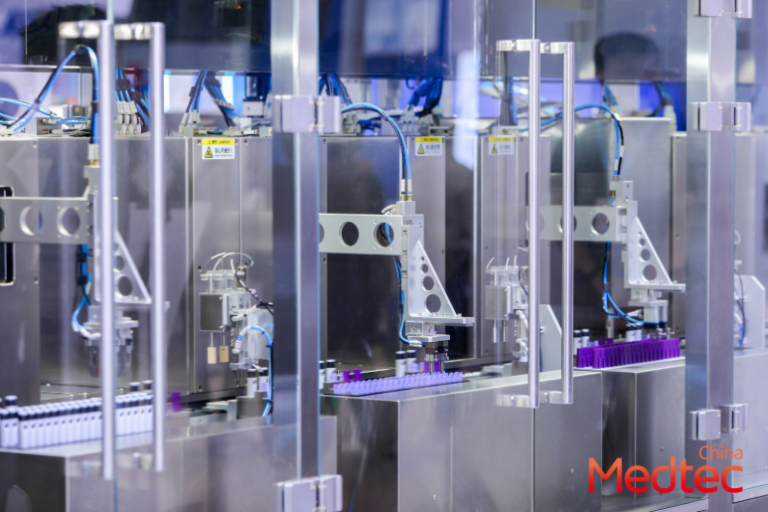
Here’s a tidy framework for anyone tasked with auditing factory-direct vaporized hydrogen peroxide (VHP) cassettes under ISO 11607 — because apparently “trusting the vendor” isn’t a quality system. This guide is built around practical checkpoints, not corporate platitudes, and it nods to lessons overheard at a recent Medtec China booth where packaging engineers traded war stories. Expect concrete steps that map to packaging validation, sterile barrier system concerns, and process validation without the euphemisms.

Medtec China

Core pillars of the audit framework

Start with three pillars: document truth, process reality, and lab verification. Document truth means the paperwork aligns with ISO 11607 — specifically ISO 11607-1:2006 and ISO 11607-2:2019. Process reality is watching the line where VHP cassettes are filled, sealed, and labeled. Lab verification is reproducible evidence: sterility testing, bioburden data, and integrity checks. Each pillar feeds the next — paperwork won’t save you if the pouch sealing station is held together with duct tape and optimism.

Practical audit checkpoints

Walk the supplier line with these checkpoints. Be direct, insist on records, and keep sarcasm mild but pointed.

– Materials: Verify label and pouch film certificates, material compatibility with VHP, and supplier lot traceability.

– Sealing: Observe heat-seal parameters, seal peel tests, and the packaging line’s control limits. Record actual cycle data, not summaries.

– Integrity testing: Check physical integrity test methods and results — bubble tests, dye ingress, and sample sizes used.

– Sterility assurance: Confirm target sterility assurance level (SAL 10^-6) and see validation dossiers for VHP sterilization cycles.

Packaging validation and ISO specifics

ISO 11607 is the backbone. Audit files should include both parts and their relevant sub-items:

– ISO 11607-1:2006 — Requirements for materials, sterile barrier systems, and packaging systems

– ISO 11607-2:2019 — Validation requirements for forming, sealing and assembly processes

Also verify process validation reports for VHP exposure, cycle lethality data, and OQ/PQ records. If they claim “validated,” make sure protocol dates, acceptance criteria, and actual results are present — not just a stamped cover page.

Lab testing and retention sample rules

Demand raw lab data. Sterility test certificates must reference methods and sample sizes. For bioburden, insist on the incubation window — the 14-day bioburden incubation limit is standard for many protocols — and review colony counts, controls, and test organism identification. Check retention sample policy: how many units retained, storage conditions, and retrieval history. These samples are the only way to prove a lot’s package integrity after years in distribution.

Supplier due diligence—because optimism wears thin

Pull supplier history, nonconformance records, and CAPA effectiveness. Look for repeat issues around seal defects, packaging material delamination, or inconsistent VHP concentration. Validate subcontractor controls if critical steps are outsourced. — Small vendors sometimes outsource sterile barrier assembly without telling you; the paperwork looks neat, the reality less so.

Medtec China

Common audit mistakes to avoid

Avoid being lulled by polished binders. Don’t accept summary tables without raw logs. Never skip observing an operating shift — metrics look perfect when the competent tech is on duty, not when a trainee runs the line. Don’t treat bioburden as a checkbox: review trends and root causes.

Quick comparative insight

Compared to ethylene oxide (EO) processing, VHP offers faster cycles and no toxic residues, but it’s more sensitive to packaging material permeability and cassette design. That means packaging validation for VHP must focus harder on material compatibility and residual chemistry data.

Advisory — three golden rules for selection and audit

1) Verify traceable validation: Require full ISO 11607-1 and -2 dossiers plus raw OQ/PQ logs before approving a vendor.

2) Sample, observe, test: Combine on-site observation of sealing/process parameters with laboratory proof — sterility tests, bioburden (14-day incubation), and retention sample records.

3) Monitor trends, not snapshots: Require quarterly quality reports showing defect rates, CAPA closure effectiveness, and stability of SAL 10^-6 maintenance.

When procurement needs clarity, a tight framework prevents surprises — and when you want up-to-date market context or vetted suppliers, the trade-floor conversations at an international medical expo often point directly to capable partners. For packaged confidence and supplier intelligence, consider the resources and events that bring engineers and suppliers together — like Medtec. —

0 comments
0 FacebookTwitterPinterestEmail

Understanding the Landscape of International Industrial Exhibitions

Picture this: a bustling exhibition hall filled with innovative machinery, exciting technologies, and eager industry professionals — that’s the reality of an international industrial exhibition. As we journey through 2025, circumstances are shifting. According to surveys, 68% of exhibitors are redesigning their strategies to align with evolving consumer expectations. So here’s the big question: how are these shifts shaping the events we know today?

industrial exhibition

The Hidden Flaws of Conventional Solutions

Let’s face it — traditional exhibitions often feel like a missed opportunity. I remember attending one back in 2019, where the entire focus was on booths rather than engagement. This outdated approach leaves little room for meaningful interactions and genuine connections. The key pain point here is that many visitors walk away feeling unfulfilled. They come looking for insights, yet end up with a pile of brochures and a head full of noise (it’s frustrating, right?).

What Makes a Modern Exhibition Stand Out?

In 2025, we’re witnessing a shift toward experiential learning and interactive displays. It’s not just about showcasing products anymore; it’s about creating memorable experiences that resonate with visitors. This evolution is crucial for attracting serious buyers — imagine a machine that you can touch, examine, and even operate right there on the floor!

What’s Next for Industrial Exhibitions?

As I contemplate the future, it’s clear that the model for international industrial exhibitions will be rooted in technology and personalization. There’s a distinct trend toward virtual components that complement physical events. For instance, hybrid models allow participation from around the globe, making it more inclusive than ever. These variations don’t merely enhance visibility; they increase lead generation opportunities, allowing businesses to reach diverse audiences efficiently.

Key Takeaways and Industry Insights

Reflecting on what I’ve witnessed, the need for adaptability in our approach has never been more apparent. Here are three essential metrics to consider when choosing your exhibition strategies: visitor engagement levels, lead conversion rates, and post-exhibition feedback. With these in mind, we can ensure our exhibitions aren’t just memorable, but truly impactful. The future isn’t just about what is displayed; it’s about how connections are forged. So let’s embrace these changes and look forward to what’s in store! Remember, at the end of the day, it’s all about creating spaces that inspire and connect us.

industrial exhibition

Ultimately, I think that if we focus on enhancing the experiences for all participants — from exhibitors to attendees — we will drive this industry forward together. As we march into the future of industrial exhibitions, make sure to pair your strategies with innovation and creativity. Check out nan to dive deeper into how to make the most out of your exhibitions and stay ahead of the curve!

0 comments
0 FacebookTwitterPinterestEmail