Author

David

Opening the problem — why protection matters

Factories fit 600kW inverters and expect steady power; what they often forget is the quiet cascade a single protection gap can start. For sites planning commercial and industrial energy storage, the risks are clear: inverter miscoordination, uncontrolled islanding, and component stress that shortens life. I’ve seen teams pivot strategies after events like California’s 2020 heatwaves pushed manufacturers toward resilience with on-site solar plus storage; those incidents underline why robust inverter protection isn’t optional. If you’re looking at a solar plus storage system for factories, start with protection as the primary design driver.

Core problems to solve up front

Treat the inverter’s protection set as the answer to three practical problems:- preventing equipment damage during faults,- avoiding unsafe islanding that exposes workers and municipal crews,- and maintaining plant operations without nuisance trips.Each problem demands different protection features. Ignore one and you invite downtime; ignore two and you risk safety. The rest of this piece follows those problems and lists the protection checks that address them directly.

Protection features checklist (what to verify)

Audit these features before deployment. They matter in plain ways you can test and document:- Overcurrent protection: adjustable thresholds and time curves matched to upstream breakers. Confirm coordination studies exist.- Anti-islanding: passive detection plus active methods (frequency/voltage drift algorithms) with documented Non-Detection Zone assessments.- DC-side protections: rapid ground-fault detection, DC arc-fault mitigation, and DC overvoltage clamps.- Thermal management alarms: real-time NTC/RTD monitoring and automatic derate or shutdown logic.- Ride-through and low-voltage-ride-through (LVRT): certified profiles for the local grid code and factory generator set interactions.- Fault-ride-through and surge immunity: tested to IEC and local equivalents; transient suppression on both AC and DC sides.- Control logic interlocks: clear priority rules for charge/discharge, grid-following vs grid-forming modes, and operator override with timestamps.- Communications and cybersecurity: redundant telemetry paths, signed firmware updates, and role-based access control.- Health diagnostics and predictive alarms: trending, firmware rollback plans, and spare-part lists tied to mean-time-to-replace estimates.

How to test these protections on site

Run tests that mimic real faults rather than relying solely on factory presets. Practical steps:- Witnessed coordination tests with protection relays and switchgear engineers.- Controlled islanding trials under supervision, using load banks to simulate factory demand.- Injected DC fault conditions where safe or employ certified test rigs to verify ground-fault detection speed.- Firmware and failover drills: simulate comms loss, force primary controller fail, confirm hot standby takes over cleanly.Document each test with time-stamped logs and video where possible. If you can’t reproduce a condition, demand a factory acceptance test (FAT) from the vendor that does.

Common mistakes that trip projects up

I’ve reviewed dozens of proposals and these errors recur:- Relying on vendor default curves instead of site-specific coordination.- Treating anti-islanding as a checkbox without staged validation.- Ignoring DC-side surge protection sized for factory rooftop PV arrays.- Overlooking generator-inverter interactions; a generator’s governor can destabilize an inverter if droop and deadband aren’t harmonised.Fix these early or budget for extended commissioning and overtime.

Alternatives and pragmatic trade-offs

Not every site needs the same level of protection. Choose based on consequence and cost:- High-consequence plants (continuous process, safety-critical) require redundant protections, separate protection relays, and third-party witness testing.- Medium-risk factories can rely on integrated inverter protections but must mandate comprehensive FATs and maintenance contracts.- Low-risk or pilot projects might accept simpler schemes but must cap loads and isolate critical lines until protections are validated.When in doubt, pick solution tests that scale: modular protections that add relay layers later save money compared with ripping out a poorly chosen integrated system.

Commissioning to operations — handover essentials

Handover must be more than documentation. Provide:- A protection matrix tying each fault type to action and responsible party.- Training sessions that include simulated alarms and recovery steps.- A service agreement with clear SLAs for firmware fixes and replacement parts.Record how protection settings affect plant procedures; for example, what to do if the inverter auto-derates during peak afternoon production. Clear, practiced responses prevent panic.

Final reckoning

Deploying a 600kW inverter for factory use is a technical job and a human one. Address the core problems—equipment damage, unsafe islanding, and unexpected downtime—by insisting on proper coordination, on-site validation, and operational readiness. The protection choices you make determine whether the system acts like a quiet guardian or a hidden risk. For factories that must keep running and need pragmatic engineering married to solid supply-chain support, the sensible route is the one that pairs tested protection logic with predictable maintenance — a combination I’ve found repeatedly at industrial microgrid projects handled by WidenEdge.

0 comments
0 FacebookTwitterPinterestEmail

The sourcing problem contractors face

Many contractors must deliver architecture-integrated LED work while meeting certification, structural and maintenance demands — steady headache. The crux: designers want seamless media facades; site teams need rugged, serviceable fixed outdoor display systems that won’t fail during handover. With façade interfaces, pixel pitch choices and weatherproofing all in play, procurement becomes a coordination problem as much as a specs exercise.

What certifications and technical specs really matter

Focus on the essentials that affect safety and longevity. For certified integration, check structural load approvals, electrical compliance and IP rating. Industry terms to know: media facade, pixel pitch and LED modules. Prioritise these items:

– Structural certification for wind and seismic loads, plus certified mounting bracket designs.

– Electrical safety: local mains compliance, surge protection and certified wiring schematics.

– Environmental rating: aim for IP65 or higher for exposed façades; condensation and drainage details matter.

– Serviceability: front or rear access, modular LED modules that allow quick replacement, and calibration procedures for uniform colour.

Practical procurement workflow that actually works

Make a workflow that ties the architect, structural engineer, and supplier together early. Start with a site survey and a mock-up clause in the contract — include sample panels and on-site testing windows. Align pixel pitch decisions to viewing distance; closer pedestrian façades use finer pixel pitch, roadside installations tolerate coarser pitches. Coordinate power routing, HVAC interaction points and façade maintenance access with the builder’s schedule. Real-world anchor: look at the planning behind Times Square LED installations — those projects demonstrate how early multidisciplinary alignment avoids rework and prolonged downtime.

Vendor selection and evaluation checklist

Don’t buy on price alone. Evaluate vendors on warranty clarity, spare-parts availability and local service presence. Include these checks in your tender pack:

– Factory acceptance testing records and site FAT/SAT plans.

– Case studies of similar scale media facades and documented commissioning reports.

– Local field support commitment and an inventory of replacement LED modules.

– Mean time to repair commitments and a preventive maintenance schedule — contractors need predictable uptime.

Common mistakes contractors make — and how to avoid them

Here are the pitfalls I’ve seen on multiple sites — avoid them lor.

– Late integration of control systems: control cabinets placed after finishes means cutting into cladding later — plan control room locations early.

– Ignoring thermal expansion: aluminium frames and LED modules expand differently, causing misalignment over time — specify expansion joints and flexible mounts.

– Underestimating ingress protection: a cheap bezel today becomes a leak tomorrow — insist on tested sealing details and IP-rated connectors.

– Overlooking content calibration: panels with different calibration eat your visual uniformity — demand a colour calibration plan and proof of calibration during commissioning.

– Poor spare parts strategy — keep a small stock of LED modules and power supplies to reduce downtime. Small buffer, big difference.

Three golden rules for evaluation (advisory close)

When assessing bids, apply these three metrics to make decisions fast and defensible:

1. Durability index — combine IP rating, material spec and local climate to score expected service life. Higher score means fewer surprises.

2. Maintainability score — measure access type, module swap time and spare parts lead time. Lower mean time to repair wins projects where uptime is critical.

3. Integration readiness — check structural stamps, electrical single-line diagrams and a signed off installation sequence. If the vendor can show prior installations that match your façade type, give them extra weight.

Final thought: a well-specified procurement reduces on-site friction and long-term costs — that’s the contractor’s advantage. MR LED brings that practical match between certified hardware and real-site support: MR LED. Worth the extra check.

0 comments
0 FacebookTwitterPinterestEmail

Comparative Snapshot

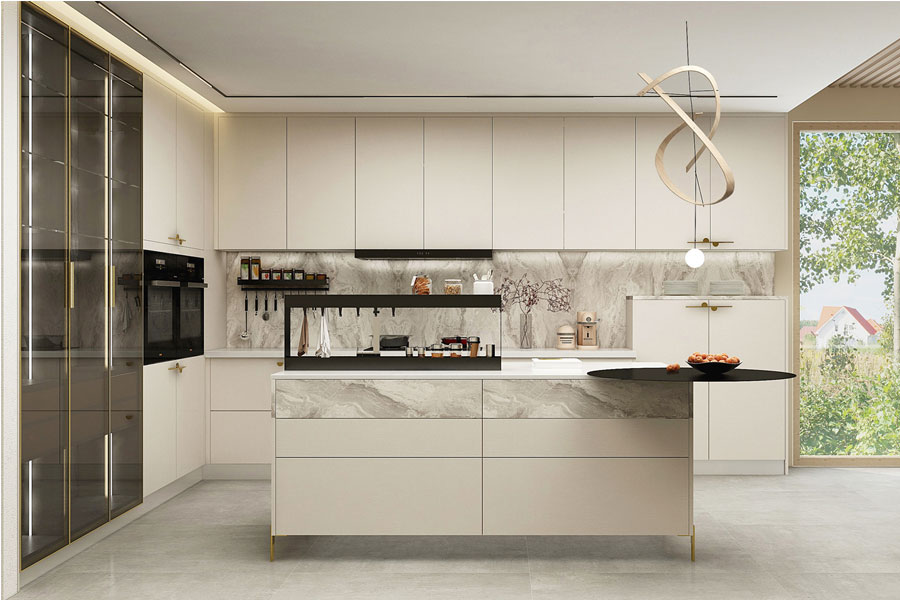
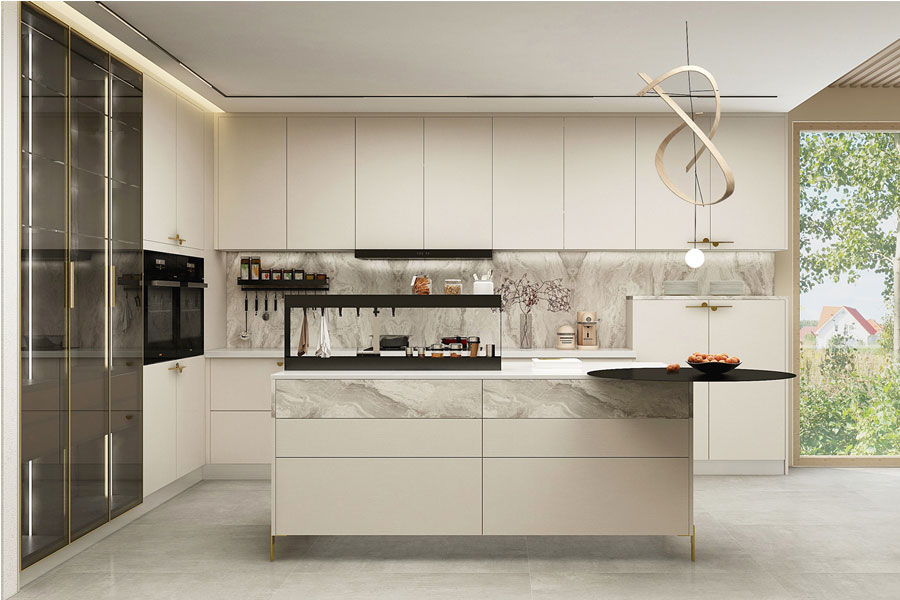
Thermofoil kitchen cabinets continue to outpace many alternatives on cost-to-performance metrics, which matters when buyers and builders balance aesthetics with long-term value. Against painted solid wood and melamine laminates, thermofoil offers a reliable, uniform finish with fewer touch-ups over time. For projects that extend beyond kitchen scope—think living rooms or media walls—manufacturers who also act as a trusted tv stand manufacturer often apply the same production discipline to cabinets, giving a cohesive build quality across fitted furniture categories.

tv stand manufacturer

Material Performance and Lifecycle

Thermofoil is applied to an MDF substrate using heat and vacuum to bond a vinyl layer; the result is a sealed, non-porous surface that resists common kitchen stresses: grease, light moisture, and staining. Compared to painted finishes, thermofoil reduces the need for frequent sanding or recoat cycles. Industry terms to note: MDF, edge-banding, and thermofoil. These matter because substrate quality and edge treatment determine whether a cabinet holds up in humid zones long-term.

Installation, Supply Chain, and Real-World Context

Installation speed is a measurable advantage. Ready-to-assemble units and thermofoil face frames align with streamlined workflows, cutting on-site labor time by measurable percentages in many remodels. The 2020–2021 home renovation surge—when homeowners prioritized upgrades after widespread lockdowns—exposed suppliers who couldn’t scale consistent thermofoil application. Builders who partnered with nimble producers saw fewer lead-time issues. RTA (ready-to-assemble) products like an rta tv stand illustrate how supply-chain discipline affects both cabinetry and leisure furniture: consistent panel sizing, predictable edge-banding tolerances, controlled finish runs.

Design Versatility vs. Alternatives

Thermofoil gives designers a broad palette of textures—from high-gloss to woodgrain—without the variability of hand-applied finishes. It beats raw laminate when you want a seamless wrap on curved doors. That said, thermofoil isn’t invincible: prolonged exposure to direct heat or UV can cause discoloration over decades, and very high-end bespoke projects may still prefer hand-finished lacquer on solid wood for tactile depth. When comparing, weigh upfront cost, planned lifecycle, and finish uniformity rather than prestige alone.

Common Mistakes and Practical Fixes

Installers and specifiers err when they assume all thermofoil is the same. Substrate grade, adhesive chemistry, and edge-sealing protocols differ. Common failures include edge lifting from poor edge-banding and swelling from low-grade particleboard. Preventive steps are straightforward: specify moisture-rated MDF, insist on factory-sealed edges, and validate heat tolerance near ovens. —A little diligence in procurement avoids large warranty exposures later.

tv stand manufacturer

Choosing a Supplier: Operational Teardown

Compare suppliers by inspecting production controls: consistent vacuum press times, QC checkpoints for surface tension, and documented cycle testing. An operational production teardown should reveal how {main_keyword} and {variation_keyword} are integrated into assembly lines and what tolerances the vendor holds for door flatness and hinge placement. Prioritize partners who publish sample cycle times and who can provide field references from completed custom-home projects.

Advisory — Three Golden Rules for Selection

1) Measure Finish Durability: Request standardized abrasion and adhesion test results and ask for sample panels conditioned under UV and heat cycles. Practical thresholds help—insist on doors that pass a minimum adhesion test after a 500-hour accelerated aging protocol. 2) Verify Substrate and Edge Strategy: Require MDF with moisture ratings and factory-applied edge-banding; confirm edge overlap specs in millimeters to prevent lifting. 3) Confirm Supply Resilience: Look for suppliers with diversified production lines and documented delivery performance from the 2020–2021 renovation period; consistent lead-times matter as much as price.

Thermofoil remains the pragmatic choice for many custom homes because it balances finish quality, predictable production, and cost control. For integrated living-room and media solutions, the same manufacturing rigor that supports a reliable tv stand translates directly to cabinet longevity—hence why brands that manage both product lines bring tangible value. SNIMAY. —

0 comments
0 FacebookTwitterPinterestEmail