Overview
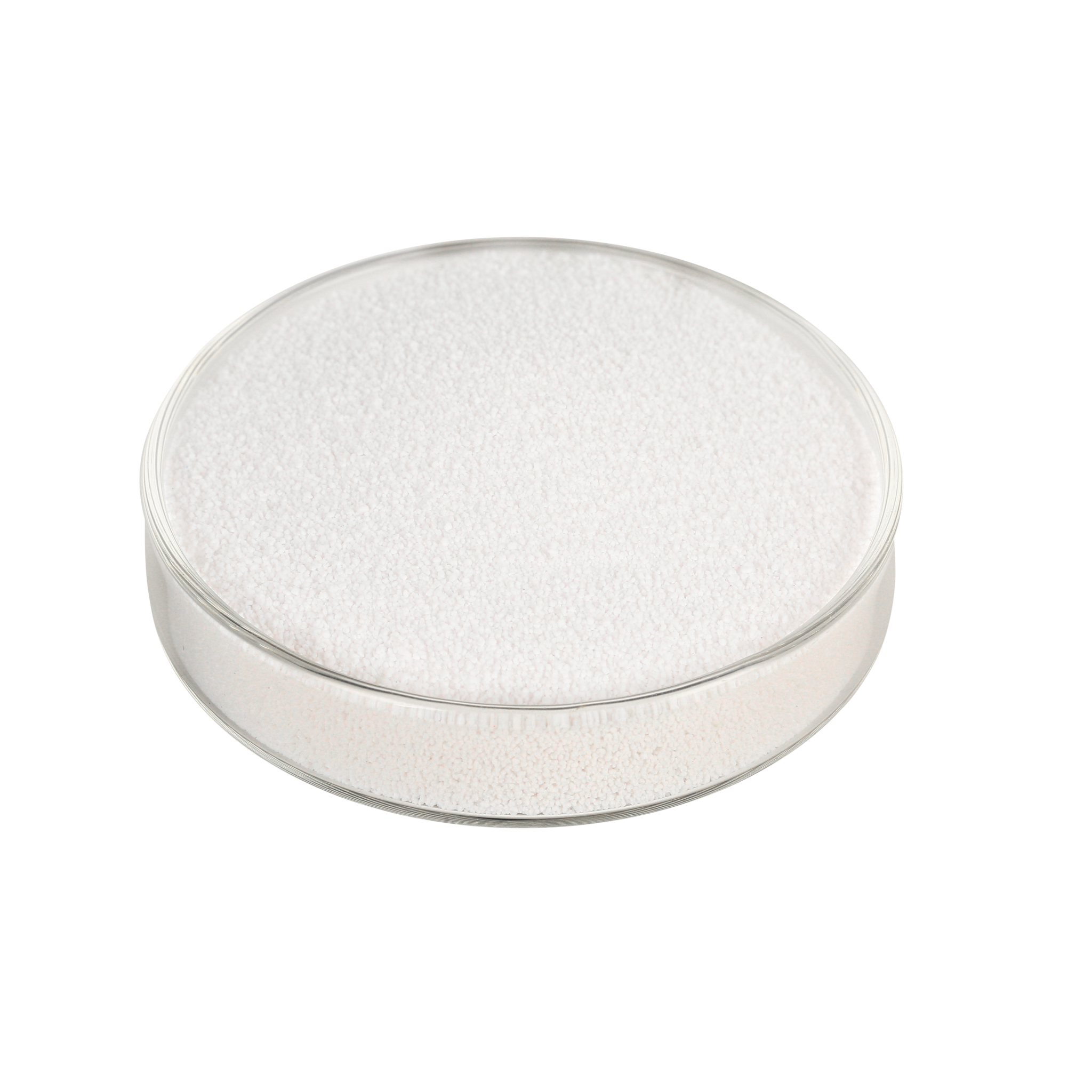
Think of toothpaste silica like coffee beans: the right grind and roast change everything. Some silicas mainly scrub; others thicken and stabilize. If you’re weighing options for texture and cleaning power, start with the basics and a quick test: does the silica behave more like an abrasive or a binder under shear? For an immediate example of a formulation that balances cleaning and feel, see how hydrated silica in toothpaste is used to tune mouthfeel while keeping polishing power.
How Silicas Compare (quick and useful contrasts)
Comparative insight matters: fumed silica gives low-density thickeners with strong structure at low loadings; precipitated or hydrated silica delivers higher bulk and abrasive action; amorphous colloidal silicas sit between. Regulators and safety reviewers, including the U.S. FDA, have long reviewed dentifrice ingredient roles—cleaning, stability, and safety—so formulators often map performance metrics (viscosity, rheology under shear, abrasive index) to regulatory expectations. If you’re evaluating a component for binding rather than polishing, check product notes labeled as toothpaste thickener to see how particle structure and surface chemistry affect rheology without raising abrasivity.
Alternatives and trade-offs
Head-to-head: hydrated/precipitated silica vs fumed silica vs polymer thickeners. Hydrated/precipitated silica: reliable bulk, mid-level abrasivity, easy to load. Fumed silica: strong thickening at low dosage, adds grit if not dispersed correctly. Polymers (xanthan, carbomers): give smooth gel textures but can lower whitening feel and sometimes interact with fluoride. Pick based on priority—cleaning power, smooth squeeze, or shelf-life stability. Don’t assume one fix handles everything; many modern toothpaste systems combine a silica for mild polishing with a polymer for texture control.
Common pitfalls to avoid
Don’t swap materials without checking particle size and surface treatment. Mistakes I see: equating low particle size with low abrasivity, ignoring pH effects on gel stability, and assuming compatibility with fluoride—some silica surfaces require neutralization or coupling agents. Over-thickening causes poor spread and consumer rejection; under-thickening makes dosing messy. Always run RDA-equivalent abrasive checks, laser-diffraction size distributions, and simple squeeze tests before scaling a formula.
Synthesis — what to do next
Compare at three levels: particle structure (surface area, porosity), functional role (abrasive vs rheology modifier), and formulation interactions (fluoride, flavors, humectants). Start small: bench batches that swap only the silica type, then measure viscosity, gloss, and basic abrasive metrics. Suppliers like JSJ Silica document particle properties that help you map choices to performance, so you can move from guesswork to predictable texture and cleaning results without wasting iterations.