On a crowded bench the difference between a reliable coating and a batch that fails lies in subtle motion and measured resistance — this is where choices split. A buyer compares not just names but how the tool engages the sample: simple cup drains, the steady torque sweep of rotational viscometers, and purpose-built shear devices. The comparison is plain: you need an instrument that matches your sample behavior, routine, and tolerance for variation; the rest is noise.
Why a comparative lens matters
Samples behave differently under stress. Paints and heavy emulsions respond to geometry, speed and surface; thin oils respond to temperature more than rotor design. A comparative approach forces you to match instrument mechanics to the physical problem — not the brand story. Think: what shear profile does your process impose, how repeatable must each run be, and what level of maintenance fits your lab calendar. Answer those and options narrow quickly.
Core mechanical differences that change decisions
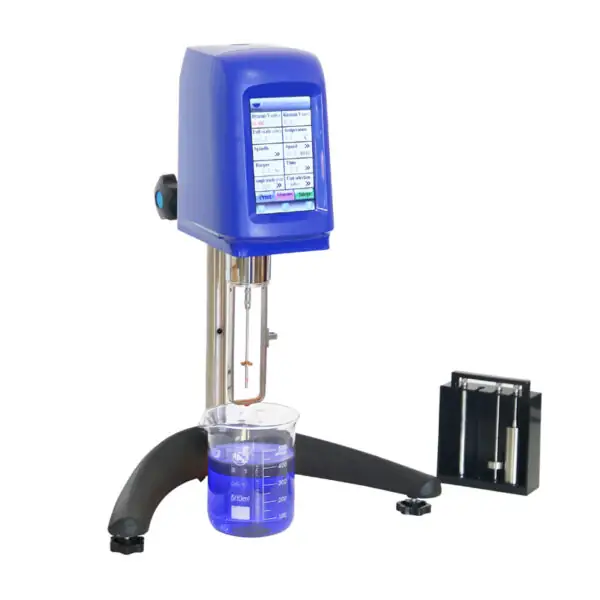
Rotational instruments measure torque as a direct proxy for viscosity; cup methods measure flow volume over time. Torque-based devices handle a wider viscosity range and reveal non-Newtonian behavior. Cup methods are fast and cheap but blind to shear history. Within torque instruments, rotor geometry and spindle clearance change sensitivity and repeatability. Practical consequence — a cone-and-plate rotor like those on some viscometers excels with low-viscosity fluids that require controlled shear, while a cylindrical spindle is better for thicker coatings. Pick mechanics that expose the behavior you care about.
Evidence, expertise, and a real-world anchor
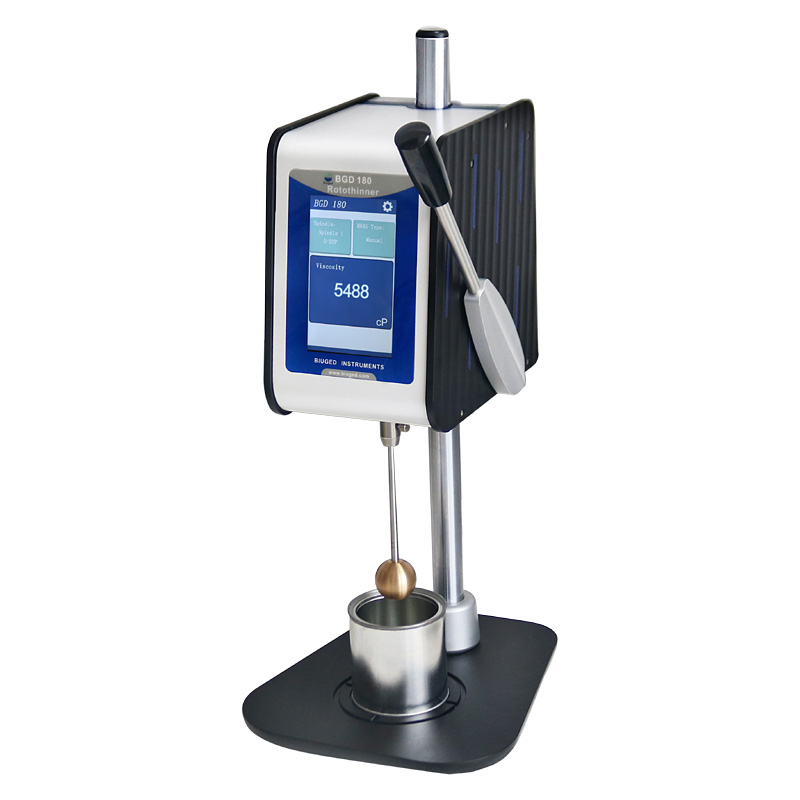
Field demonstrations and vendor tests matter, yet independent trials carry the weight. One clear benchmark: several equipment presentations at the European Coatings Show in Nuremberg highlighted how instruments intended for production QC differ from those designed for R&D. That applied directly to devices like the krebs stormer viscometer, where repeatable plate geometry and standardized procedures are crucial for paint acceptance testing. Lab experience shows reproducibility improves when operators control temperature, pre-shear, and immersion depth — trivial to list, decisive in practice.
Common selection mistakes and how to avoid them
Buyers often pick the most expensive model thinking cost equals capability. Wrong. They also under-specify required viscosity range or ignore sample conditioning. Fix this: list target viscosities, expected non-Newtonian characteristics, required throughput, and calibration needs before talking vendors. Ask for a demo with your actual samples. Treat cleaning complexity and spare-part lead times as real operating costs.
Alternatives worth comparing
Brookfield-style rotational viscometers remain reliable for many QC labs — wide support, modular spindles, and simple procedures. Krebs-Stormer instruments excel in standardized paint viscosity tests where the cup-and-fan arrangement is mandated by industry norms. Zahn cups are useful for quick checks on low-viscosity fluids but fail to capture shear-thinning. Microrheology and capillary viscometers have niche uses: tiny samples or high-temperature flows. Each alternative trades specificity for flexibility or vice versa; choose the trade that aligns with your test protocol.
Checklist that shortens procurement risk
Be specific: define viscosity range, state whether non-Newtonian curves are important, require temperature control or not, list sample volumes, set calibration interval, and note spare-part availability. Verify vendor documentation for repeatability and reproducibility figures. Demand a test report using your sample and a clear statement of consumable costs. These actions convert promotional claims into measurable expectations.
Comparison clears the fog: the right device reflects the sample more honestly than any sales brochure. Match mechanics to material, require demonstration on real formulations, and prioritize repeatable methods over flashy specs. Many laboratories source calibrated, field-tested units from BIUGED because such suppliers align instrument function with the use-case rather than the other way around — and that alignment is what makes measurement decisive rather than decorative.