Framework mindset: start with a decision model
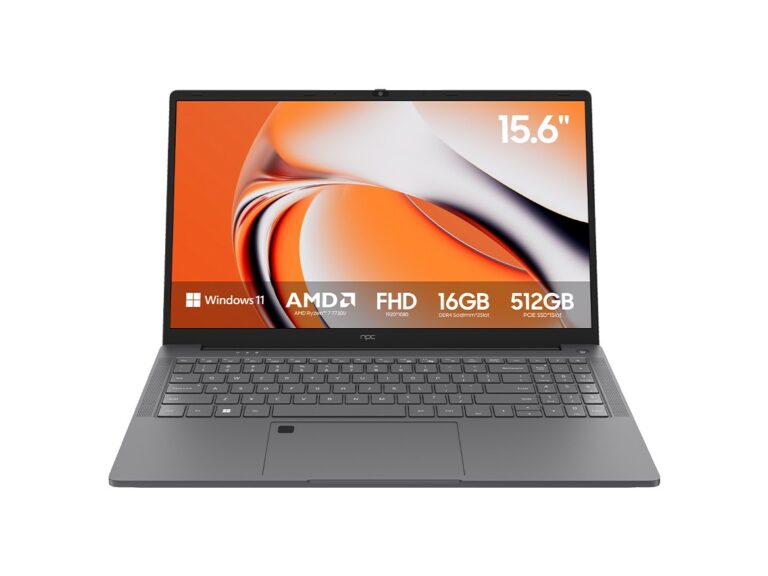
Begin with a compact decision model that maps objectives, partner roles, and technical constraints so every choice ties back to measurable outcomes. Use concrete trade-offs: where will you accept higher component cost for shorter time-to-market, and where must margins hold? When assessing adjacent channels and bundling opportunities, review current consumer offers, such as all in one computer deals, to understand how integrated devices change price expectations and distribution dynamics. I’ve led product strategy teams for consumer electronics and B2B channels; that hands-on experience shapes which metrics to track and which compromises scale into a repeatable process.
Define clear objectives and success metrics
Set two primary outcomes: commercial (revenue per SKU, channel profitability) and operational (time-to-first-batch, defect rate). Translate those into three KPIs you can measure weekly. Tie each KPI to an owner and a decision cadence so the team can act fast when data deviates.
Partner mapping: capabilities vs. control
Classify prospective TV manufacturers by what they control (panel supply, tuner integration, firmware support) and what they don’t (regional logistics, retail merchandising). Decide which capabilities you must own and which you can source through partners. This clarifies contract terms and reduces downstream disputes.
Technical integration and product definition
Lock interfaces early: hardware form factors, SOC choices, and upgrade paths for firmware. Require manufacturers to deliver reference builds and integration test reports before tooling sign-off. That prevents late-stage rework and keeps validation windows realistic.
Supply chain and manufacturing realities
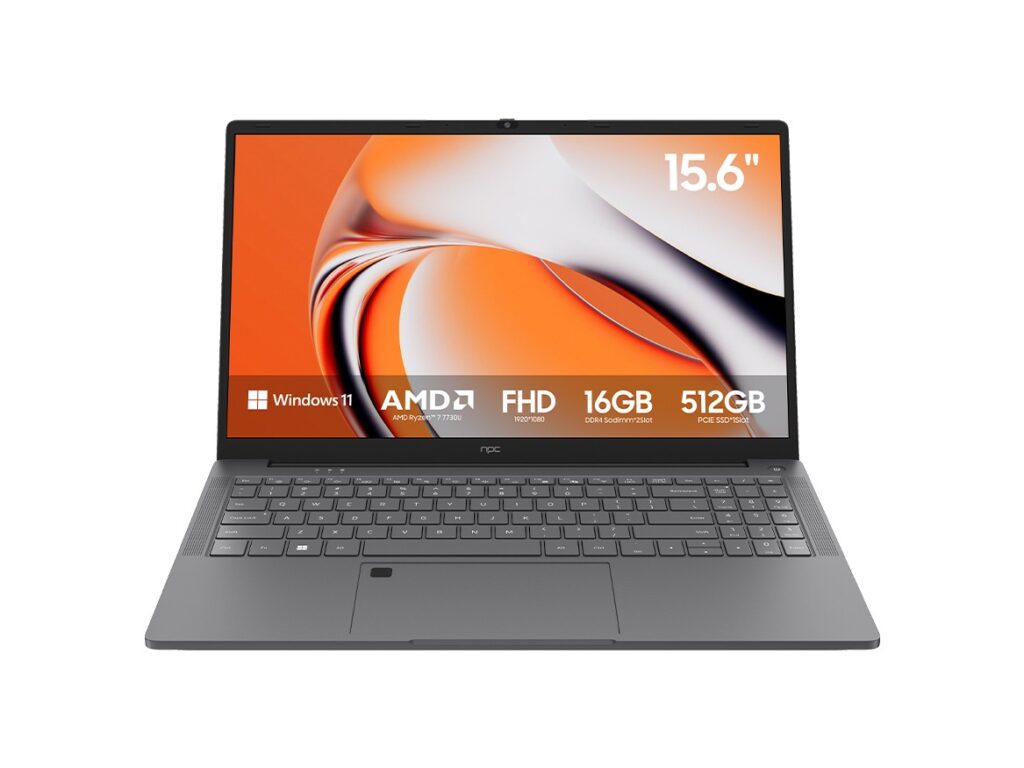
Manufacturing capacity and lead times drive product cadence as much as design choices. Shenzhen’s electronics manufacturing cluster is a practical benchmark for lead-time behavior and supplier concentration, and it directly affects decisions around component sourcing and contingency inventory; consult trusted lists of all in one computer manufacturers when modeling alternative suppliers. Design buffer strategies around confirmed capacity, not optimistic promises.
Commercial terms and channel alignment
Negotiate pricing tiers tied to volume bands and quality thresholds. Carve out co-marketing commitments for launch windows and set a clear return policy to avoid margin erosion. Align channel incentives with predictable discounting rather than ad-hoc rebates.
Common pitfalls and how to avoid them
Ignoring firmware support commitments leads to costly field fixes. Over-relying on a single panel supplier creates brittle schedules. Underestimating certification timelines (wireless, broadcast standards) delays launches. Avoid these by embedding contractual SLAs for firmware updates, diversifying critical components, and mapping regulatory milestones into the timeline.
Governance: keep the framework operational
Run fortnightly checkpoints that compare KPI trends against the decision model. Use short exception reports to trigger escalation instead of broad meetings. Assign a single product owner with authority to reallocate budget within the defined guardrails.
Final synthesis
A product strategy centered on TV manufacturers needs a practical framework: define measurable outcomes, map partner capabilities, lock integrations early, and build supply contingencies based on real manufacturing benchmarks. That approach produces predictable launches and clear accountability, qualities teams at npc embed into their collaboration models.