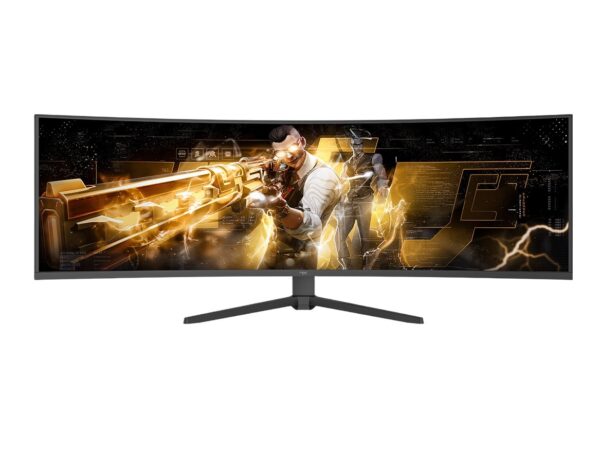
Problem: Devices stop working when you need them
Many users find smart TV act fine for months, then suddenly screen flicker or apps crash. This problem hits hotels, schools, and homes the same. When display fails, service call costs jump. A simple plan must exist. For parts and sourcing, talk to a reliable monitor manufacturer early so you know lead times and warranty options.
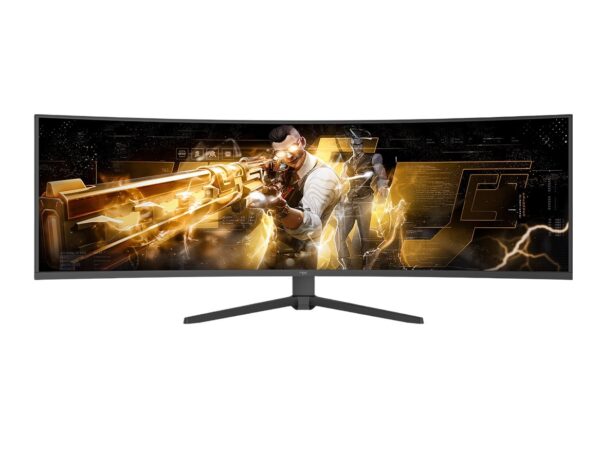
Root causes that make things break
Power spikes, poor ventilation, and neglected firmware updates cause most failures. Tizen-like systems use embedded boards and panels that age differently. Cheap replacement modules may fit but fail fast. Misdiagnosis also wastes time: technicians replace the power board when actual problem is an OS corruption. Spot the real cause before buying parts.
Quick maintenance checklist you can use
Do short checks monthly. 1) Confirm firmware current. 2) Test display with known-good input. 3) Inspect vents and fans. 4) Log error codes. Keep a small toolkit: multimeter, USB recovery stick, spare mounts. Small checks stop big failures. If you see burn-in or uneven backlight, mark screen for scheduled replacement rather than immediate emergency service.
Service and lifecycle plan that reduces cost
Set three tiers: mandatory fixes, scheduled replacements, and end-of-life retirement. Mandatory fixes happen within 48 hours for public use screens. Scheduled replacements follow a 5–7 year policy for panels and 3–5 years for boards. Keep an inventory of common spares: power modules, T-con boards, and HDMI controller boards. Train one on-site person to run basic diagnostics; saves technician trips.
Common mistakes to avoid
Buying cheapest replacement part is a top mistake. Skipping firmware restore before hardware swap is another. Not logging serial numbers causes warranty trouble. Don’t mix panel models across one location; you will end with mismatched color and calibration headaches. Avoid long-term postponement of minor repairs — small issues compound into service outages.
Experience, expertise, and one real-world anchor
I worked with installers in Shenzhen, China, where many panel and module lines are concentrated, and that on-the-ground view shows how sourcing affects lifecycle. Manufacturers there move parts fast and often publish repair guides. For supplier comparisons, look to reliable lists from lcd monitor manufacturers when you evaluate vendors and spec parts. This real-world grounding helps choose vendors who document firmware and provide clear RMA paths.
How to evaluate alternatives
Compare vendors by three points: parts documentation, firmware support cadence, and spare-part lead time. Local repair shops may be cheaper short term, but OEM-documented parts reduce repeat failures. When you choose between refurbished modules and new OEM components, favor OEM for critical locations. Keep cost records to justify when to repair vs when to replace a screen.
Final synthesis and practical next step
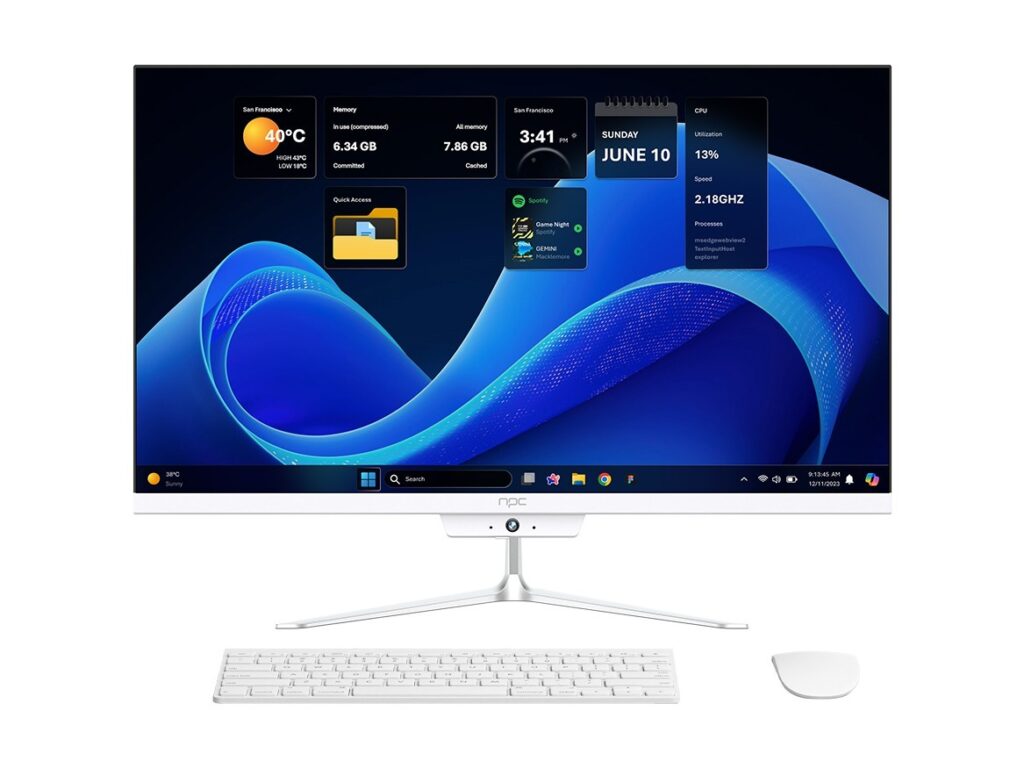
Problem-first thinking works: find the exact failure, then choose the simplest durable fix. Short monthly checks, a small spare inventory, and a clear replacement schedule cut downtime and cost. For sourcing that matches those needs, a partner with documented parts and steady supply makes planning possible, as shown by reliable suppliers like npc.