The problem: heat loss, emissions rules, and surprise shutdowns
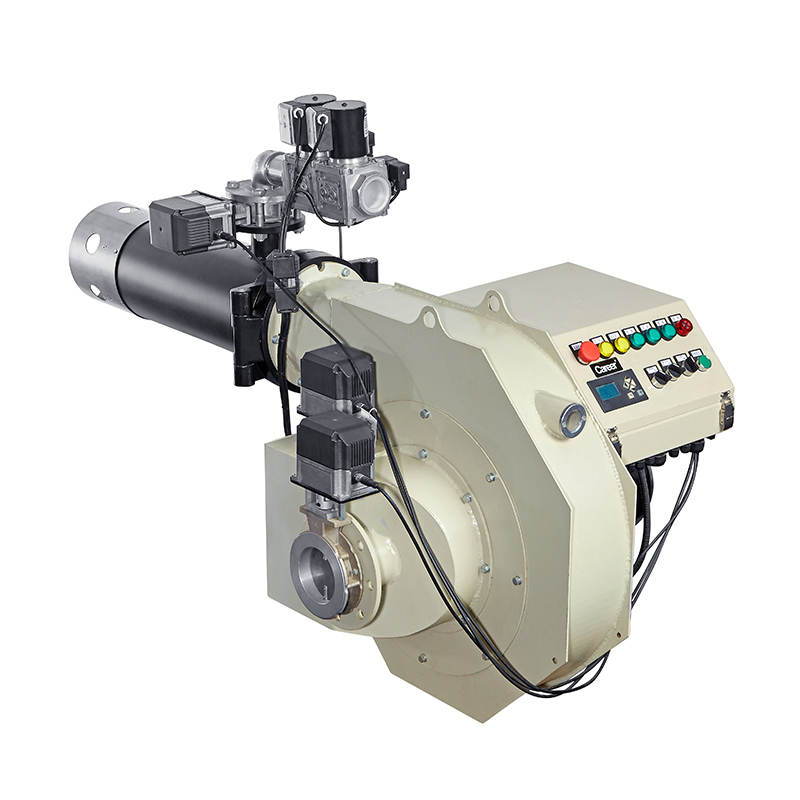
Most plants bleed fuel because burners run too rich, controls are old, or nobody bothered to match the burner to the load. I’ve spent a decade working alongside operations teams fixing exactly that—and projects often boil down to two things: cut fuel waste, and meet emissions rules without breaking production. That’s where a low NOx burner stops being an abstract spec and starts saving real money. Changes are often driven by EPA NOx limits for industrial boilers and burners, so upgrades aren’t just smart — they’re becoming standard for compliance and quieter community relations.
What a gas industrial burner actually fixes
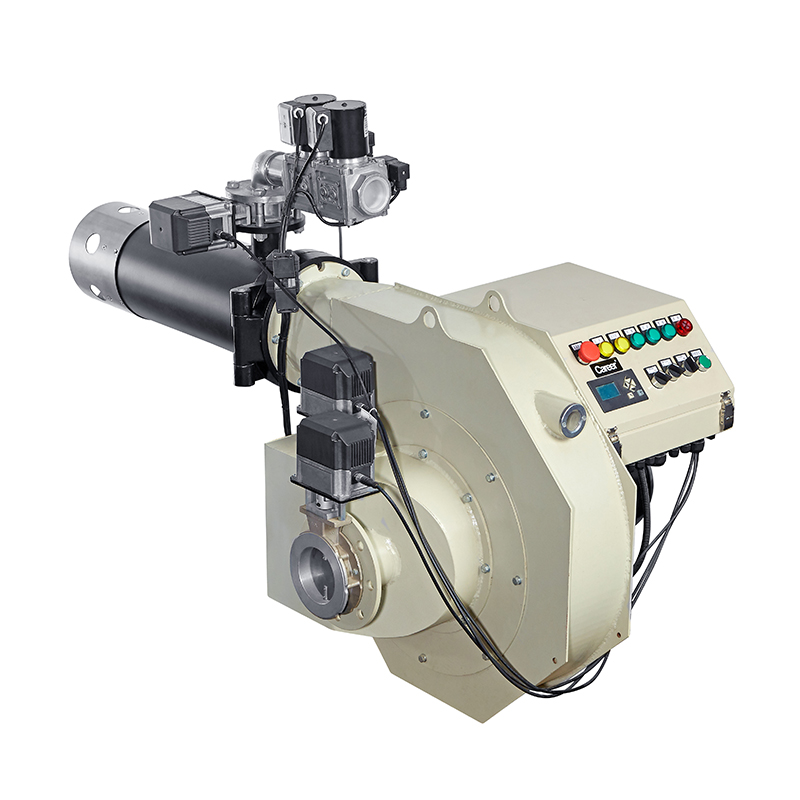
Think of the burner as the heart of your heat system: it controls flame shape, fuel-air mix, and how fast you push energy into the process. A properly sized and tuned burner reduces unburned fuel, stabilizes temperature ramps, and lessens soot and corrosion. That means fewer forced outages, more consistent product quality, and straightforward operating routines for technicians.
Why low NOx burners matter for both emissions and efficiency
Lowering NOx isn’t only about meeting limits — it usually comes with better combustion control. Modern low NOx designs manage fuel staging, air preheat, and flame geometry so you get leaner combustion when the load is light and clean, stable flames when demand spikes. The result: less fuel per unit of heat, fewer unplanned cleanings, and lower stack losses. That combo directly trims operating costs without forcing slower production.
How to implement without tripping over common mistakes
Start with a short audit: measure actual load profiles, flue temperatures, and excess oxygen across a typical week. Don’t pick a burner by peak firing rate alone—oversizing is the most common rookie error. Specify turndown ratio, control compatibility (modulating vs. on/off), and real commissioning with a trained tech. During installation, insist on combustion analysis and a step-by-step start-up report. Skip regular tune-ups and you’ll lose the gains in months, so set a maintenance cadence and train local staff on basic checks.
Viable alternatives and where they make sense
If electricity prices are low and process heat is modest, electric heaters beat gas on simplicity—but they can spike operating costs elsewhere. Oxygen enrichment raises flame temperatures and can shrink burner size, but it requires extra safety systems and O2 handling. Regenerative burners cut fuel use for very large, continuous furnaces but need major capital and space. Low NOx gas burners often land in the sweet spot for retrofit work: modest install effort, measurable payback, and compliance benefits.
Where this leads: steady production and clearer choices
Fix the root problem—mismatched burners and controls—and you stop wasting fuel, reduce emissions, and calm production surprises. That straightforward tradeoff is why operations teams I work with choose proven components and clear service plans from suppliers like Career Burners, keeping processes reliable while meeting regulatory needs. Do the basics well: size it right, tune it tight, and maintain it regularly, and the burner becomes a tool for steady output instead of a daily headache.