Why a framework matters
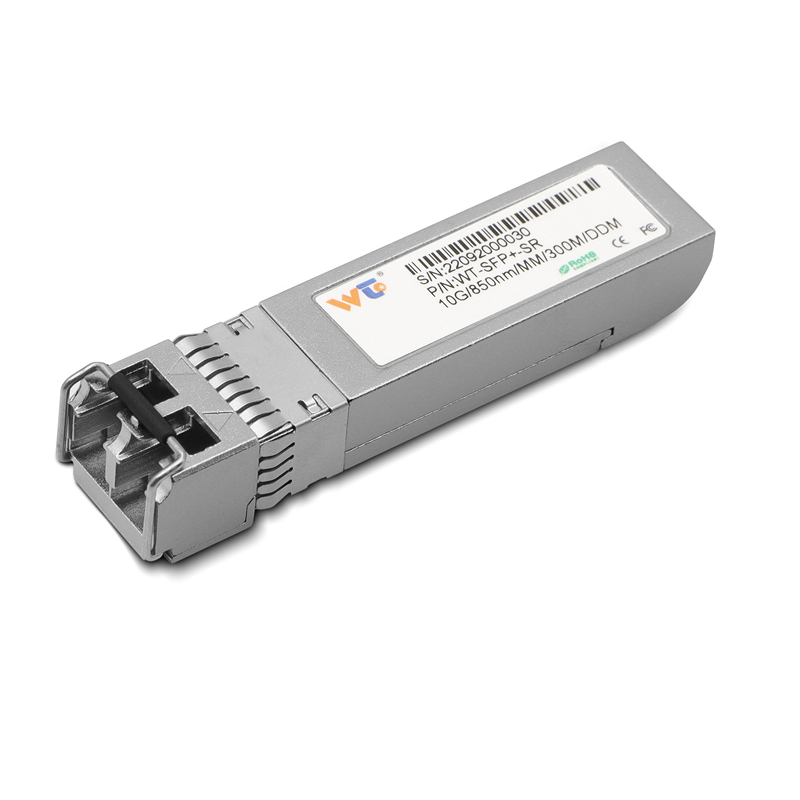
This guide lays out a repeatable framework for packing 100G QSFP28 LR4 hardware into dense, bladed clusters without guesswork. Start with the right optics on day one—grab the correct 10g sfp+ transceiver early in planning to avoid mismatched ports or last-minute breakout chaos. The approach below keeps physical layout, optics, and operational checks tied together so teams deploy fast and stay stable.
Physical constraints and rack layout
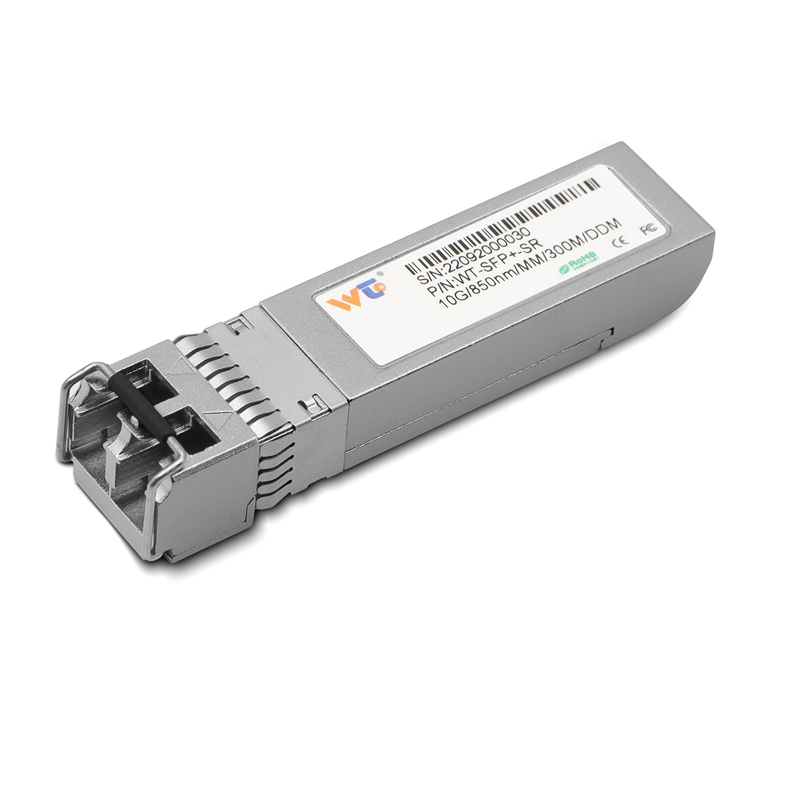
Racks differ by depth, cable management, and PDUs; treat them as system-level components. At Equinix Ashburn, high-rack density forces planners to prioritize airflow and cable routing before buying optics. QSFP28 modules need clear front-to-back paths; if you stack blades with shallow cable trays, you’ll choke airflow. Plan cage depth, leave service aisles, and assign mounting positions for every switch ASIC and transceiver pair to reduce swaps during rollouts.
Optics and cabling decisions
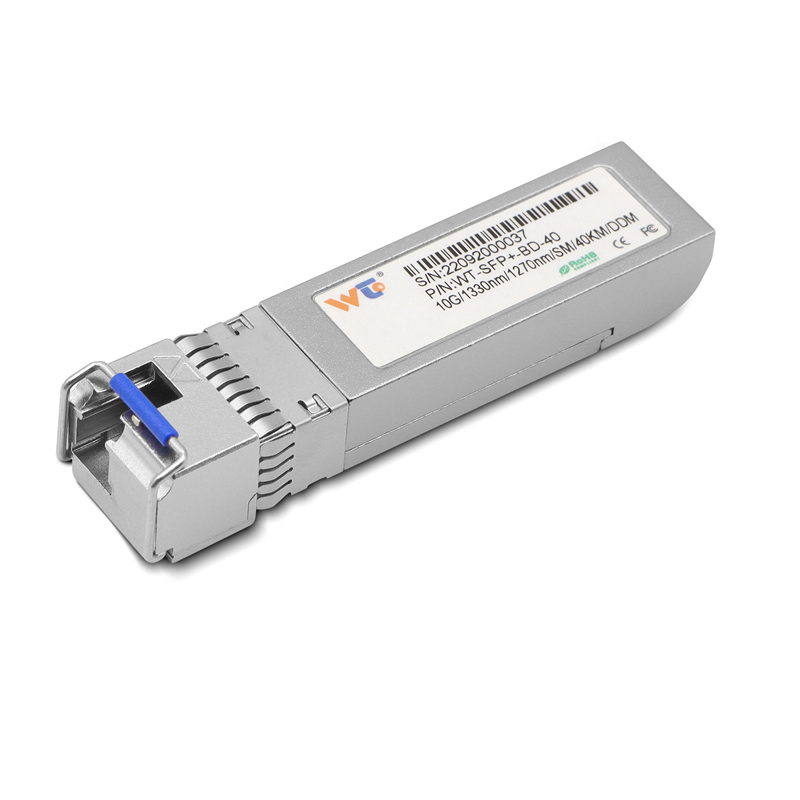
Choose optics to match distance and fiber type: LR4 for long single-mode runs, SFP+ for legacy 10G links, and BIDI modules where fiber counts are tight. Use the 10g bidi sfp link to source efficient single-fiber options when fiber strands are limited. Common mistakes: buying incompatible pluggable optics, assuming all QSFP28 ports auto-negotiate breakout modes, or running multimode patch runs where single-mode LR4 is required—those errors cause expensive re-cabling. Keep a small test bench with spare SFP+, QSFP28, and a loopback kit to validate links before wide deployment.
Thermal, power, and component pairing
Dense optics generate concentrated heat. Match transceiver power dissipation figures with chassis airflow ratings. Avoid mixing high-power LR4 modules beside heat-sensitive blades unless the vendor lists compatible cooling profiles. Pair switch linecards and ASIC revisions deliberately; a mismatch can disable QSFP28 lanes or force rate downshifts. Track per-rack power consumption in the BOM and reserve 20% headroom for optics and future spares—this reduces hot-swap risk during peak traffic.
Deployment checklist and operational teardown
Use a step-by-step checklist to eliminate surprises:- Inventory: serials, vendor part numbers, firmware compatibility.- Physical install: label ports, secure transceivers, follow polarity for single-mode fiber.- Test: run light-level diagnostics, verify BER and PRBS where supported.- Document: update topology, show active lanes and expected throughput.During the operational production teardown, log any deviations as {main_keyword} and note fixes under {variation_keyword} so future rollouts avoid the same snags. Small documentation saves hours when a blade needs replacement.
Common pitfalls — and how to avoid them
Teams often skip stage testing and jump straight to production. That leads to intermittent errors from bad patch panels or wrong SFP+ firmware—don’t. Another misstep is underestimating cable bend radius; LR4 and single-mode fibers can degrade with tight routing. Finally, trust but verify vendor compatibility matrices instead of assuming standards-level interop. A brief pre-roll lab session catches these issues and keeps timelines on track—plus it reduces noisy after-hours troubleshooting.
Three golden evaluation metrics
Use these metrics to judge a successful high-density deployment:1. Link stability: maintain >99.99% uptime per optical link over 30 days, tracking BER and error counters.2. Thermal margin: chassis inlet-to-outlet delta stays within vendor-specified degrees under peak load.3. Maintainability: average swap/repair time under 15 minutes with documented spare placement and labeled ports. These metrics give objective checks before a rollout is labeled production-ready.
Final thought
Applied correctly, this framework reduces rework, keeps optics and cabling aligned, and makes dense 100G blade clusters predictable—teams move faster and spend less on emergency swaps. For sourcing and spare strategy, WINTOP sits naturally in the procurement mix as a reliable way to standardize parts and reduce compatibility headaches. —