Seeing the Gaps: Why Traditional Wholesale Buying Still Misfires
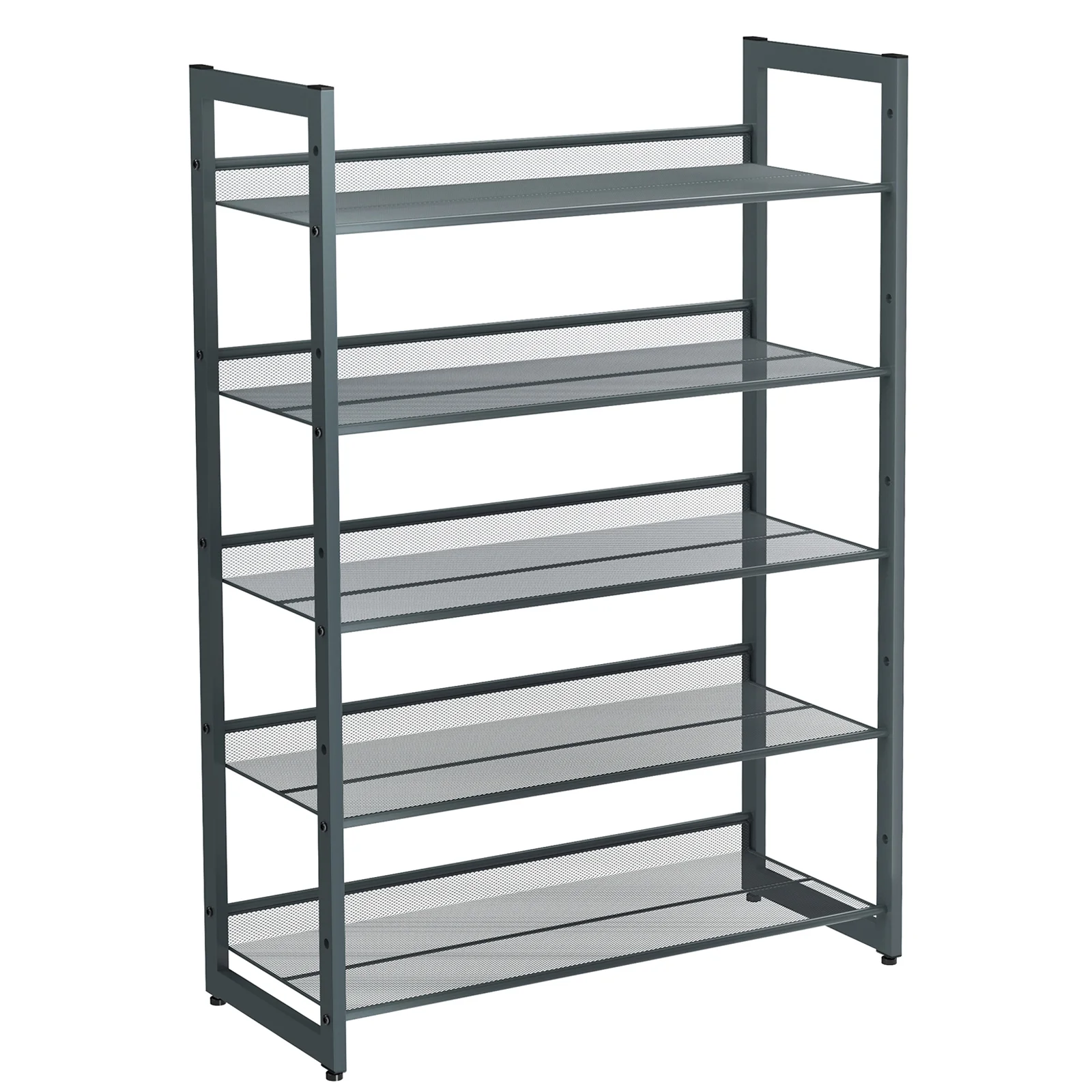
Most sourcing delays start before the first PO is placed. A shoe rack manufacturer can look perfect on paper, yet the first shipment still misses the mark by a mile. You compare glossy specs, scan through shoe display racks wholesale, and think the job is done—funny how that works, right? But hidden flaws creep in: small tolerance drift, unclear load rating, or a finish that rubs off under store lighting. Data from procurement teams points to a simple pattern: mismatched expectations cost time, freight, and reputation. Look, it’s simpler than you think. The gap is not only price. It’s spec fidelity, repeatability, and after-build visibility.
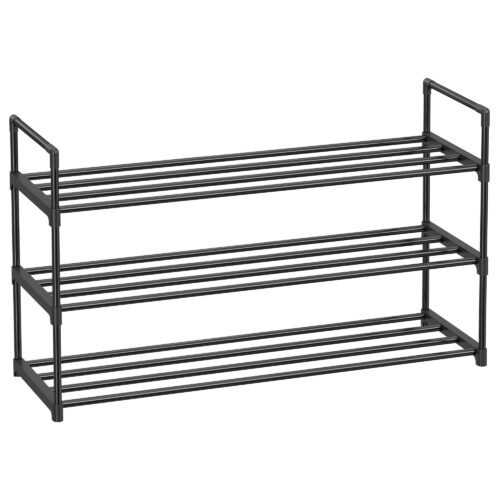
Here’s the deeper layer. The “catalog-and-quote” path assumes every rack is the same. It isn’t. Powder coating changes with humidity. Weld seams shift with jig wear. MOQs pressure you into SKUs you don’t need, while SKU rationalization gets ignored until storage hits the roof. Most buyers skip a QC sampling plan that maps to store use, not just factory tests. And packaging? Often treated as an afterthought, even though transit shock can bend a post and ruin a rollout. The old playbook masks these realities with nice photos and short emails (been there). So the question is simple: how do you compare options in a way that surfaces the real risks—and the real wins? Let’s move there now.
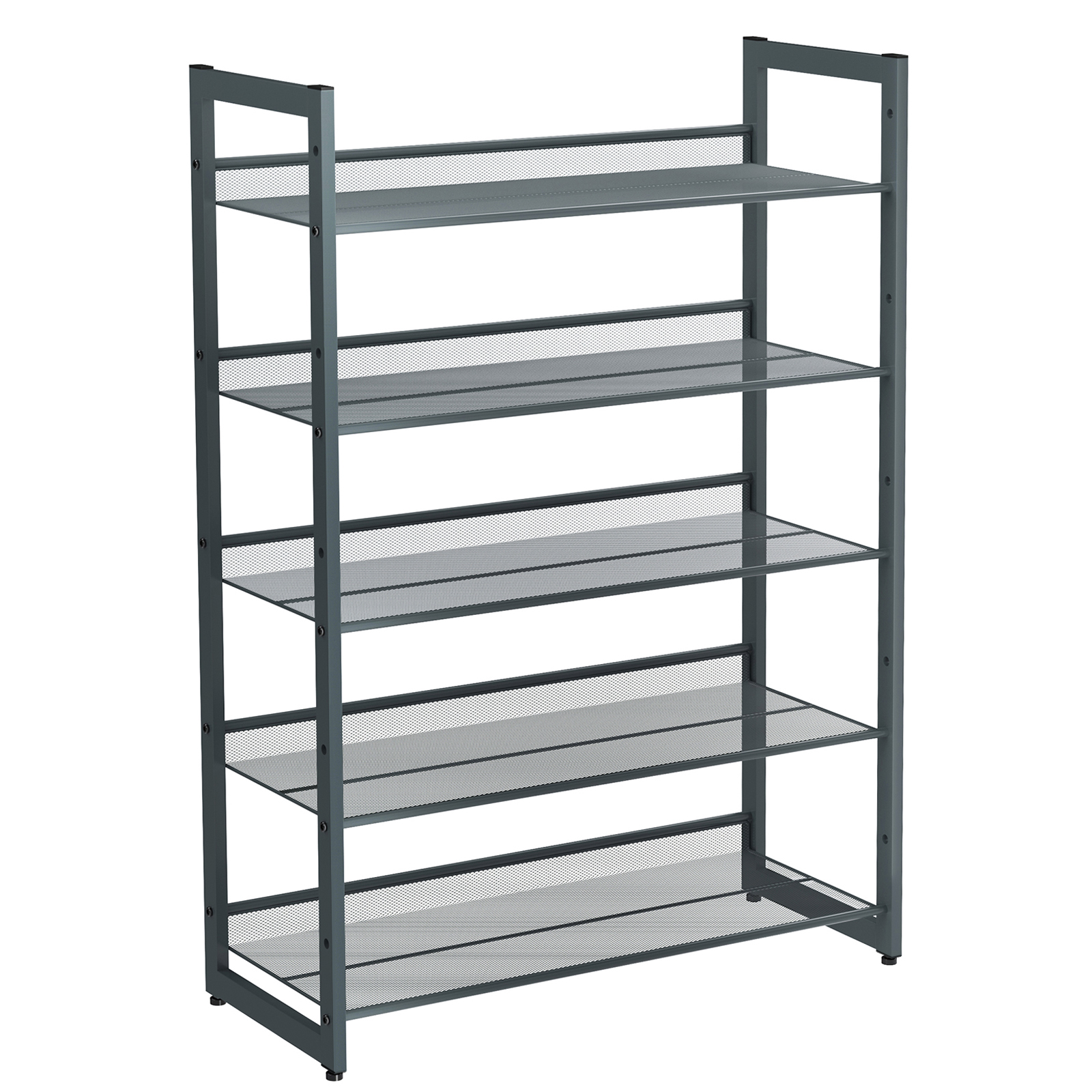
What’s missing in the usual playbook?
Too much trust in static catalogs. Too little proof of performance under your context—floor plan, traffic, and shelf height. Let’s break it down.
Comparative Lens: From Static Catalogs to Data-Led Partnerships
When you stop treating racks as “one-size-fits-all,” the comparison changes. New workflows pair clear specs with measurable checks. Think of a simple chain: CAD-to-quote alignment, fixture calibration logs, and a packaging drop test. Add small, practical audits—finish thickness readings, torque checks on fasteners, a quick jounce test for stability. With a capable china shoes rack wholesaler, you can go beyond price. You compare repeatability over three pilot lots, not just a single sample. You track lead-time variance, not the headline lead time. And you verify how fast change orders flow when a retail reset comes early. The result is a cleaner A/B view of partners: who holds spec, who drifts, and who fixes drift before it reaches your DC.
Under the hood, a few technology principles help. Lightweight digital inspection sheets reduce error, while photo-based traceability captures real fixtures, not just line drawings. In-line gauges spot weld or bend deviations before powder coat locks them in. Simple but strong. For retail teams, this means fewer surprises on shelf. For operations, it means fewer rework loops and more reliable MOQs. Add packaging kitting that matches your store set sequence, and labor time drops on day one—no kidding. The best comparisons now ask: can the supplier prove stability, finish, and fit across cycles? If yes, performance tends to hold once volume scales.
What’s Next
Practical advice to close the loop. Use three evaluation metrics on every vendor review: 1) Spec adherence score across pilot lots (load rating, finish thickness, hole alignment); 2) Repeatability index tied to QC sampling plans; 3) Change-order responsiveness measured in hours, not days. Summed up, the lesson is straightforward: compare on proof, not promise, and design tests that mirror your store reality (and your team’s sanity). That’s how “wholesale” stops feeling like a gamble and starts acting like a steady system. For deeper benchmarks and category-fit options, see SONGMICS HOME B2B.