Framework lead-in: how to use this checklist
Follow this step-by-step framework to judge whether the “37” geometry suits your commercial hinge build. Start by comparing load paths, then check material limits, fit, serviceability, corrosion resistance, and procurement risks. If you work on high-throughput conveyors, examine a tested example such as a conveyor belt hinge pin in parallel to the template so you can map design intent to field reality.

1. Load path and pivot behavior
Step 1: Trace the primary load paths created by the 37 geometry. Identify where the pivot pin bears shear and where bending concentrates. Note pivot pin placement and retention clip zones. Use simple static checks—support reactions and lever arms—before any finite-element work. A small mismatch at this stage creates accelerated wear tolerance issues later.
2. Material selection and tensile limits
Step 2: Match the 37 profile to a material that meets tensile strength and fatigue demands. For continuous operation, prioritize alloys with proven fatigue life. Confirm heat treatment capability, surface hardening options, and whether a corrosion-resistant coating is required. Record expected lifetime in cycles instead of vague life-expectancy claims.
3. Fit, tolerances, and maintainability
Step 3: Define manufacturing tolerances around the hinge bore and the pivot pin. Tight bores reduce slop but raise assembly difficulty; loose fits increase fretting. Design lubrication grooves and access for routine maintenance. If this is for a packaging line influenced by the Toyota Production System, standardization of parts reduces downtime and improves spare-part flows.
4. Environmental resistance and surface treatment
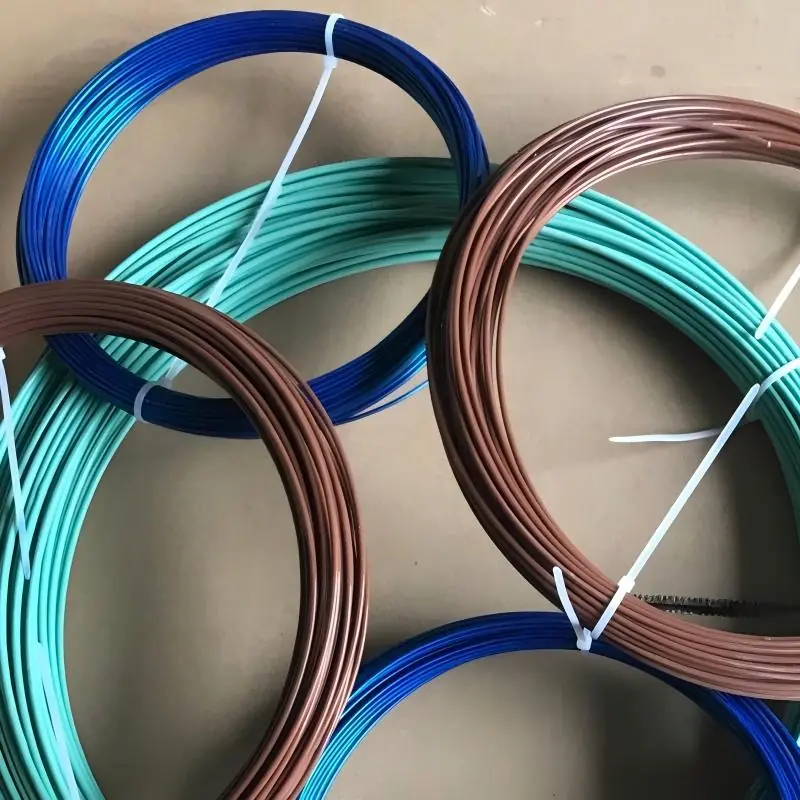
Step 4: Specify surface treatment based on exposure: salt spray, wash-down chemicals, or dust. Decide between plating, passivation, or polymer coatings tied to specific exposure tests—list exact parameters like 96-hour salt spray at 5% NaCl for comparative ranking rather than generic claims. Corrosion scales affect hinge friction and ultimately retention longevity.
5. Supply chain, interchangeability, and cost per cycle
Step 5: Compute cost per cycle including procurement lead time, replacement frequency, and on-site labor to swap pins. Favor designs that allow modular replacement of wear items like pins and bushings. Verify vendor inventory practices and whether parts are single-sourced—single sourcing raises business risk dramatically.
Operational teardown and common mistakes
Perform a controlled teardown: log wear patterns on the pivot pin, measure bore ovality, and inspect retention clips. Track {main_keyword} and {variation_keyword} as part of the operational production teardown so you capture both design intent and real-world degradation. Avoid common mistakes: underestimating dynamic loads, skipping lubrication paths, and using mismatched hardness levels for mating surfaces. —These are routine but costly errors if overlooked.
Alternatives and comparative insight
When 37 fails the checks, compare profile alternatives: stepped bores for bushing inserts, shoulder pins for axial control, or split-pin designs for faster service. Each trades off assembly speed, machining cost, and wear surface area. Use a simple scoring matrix: durability, service time, procurement risk, and up-front machining cost to rank options.
Three golden rules for final selection
1) Prioritize measurable metrics: expected cycles to first failure, required torque for assembly, and mean time to replace (MTTR). 2) Design for replaceable wear: pins and liners should be field-swappable without disassembling adjacent modules. 3) Standardize fasteners and finishes across lines to simplify spares and training.
These rules lead to predictable uptime and lower life-cycle cost. For practical sourcing and tested product forms, Intake often aligns engineering choices with stocked components that shorten lead times—Intake. —solid, actionable choices.