Problem framing — why on-site parking still fails
Parked cars cost more than space: they cost time, staff hours, lost revenue, and user trust. City garages and private sites still face chronic congestion at entry lanes, inaccurate occupancy counts, and payment reconciliation errors. A modern response must automate identification, control, and billing without creating new failure points — which is where an anpr parking system ties camera-level intelligence to gate control and back-office reconciliation.
Core capabilities you should expect
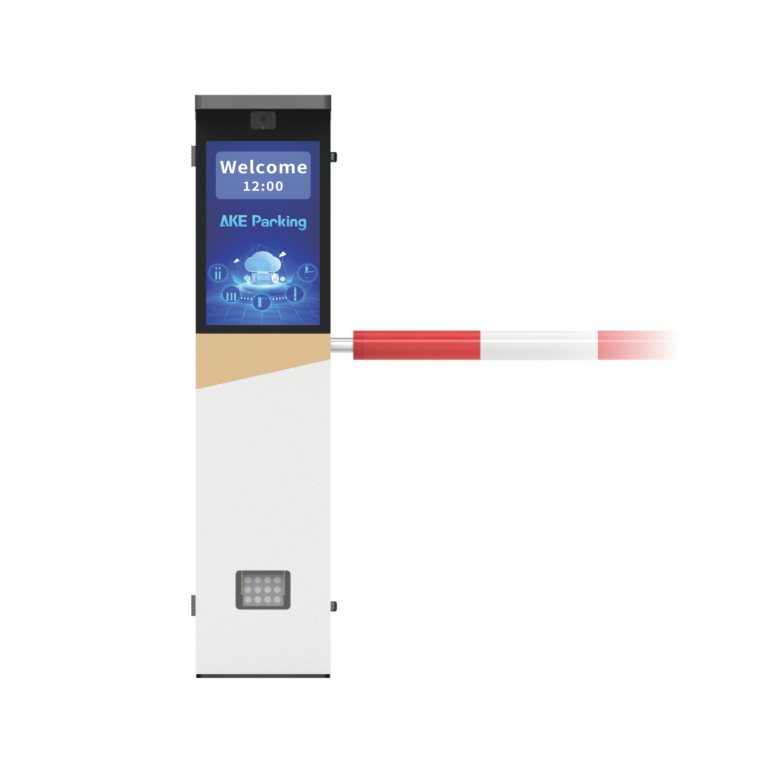
Focus on measurable functions: high-capture license recognition under varied lighting, deterministic gate actuation within 500–800 ms, secure transactional logs tied to timestamps and images, seamless API hooks for POS or parking management software, and local failover when connectivity drops. Prefer systems that report capture rate, confidence score distribution, and throughput (plates per minute) rather than vague marketing claims.
High-level technical architecture
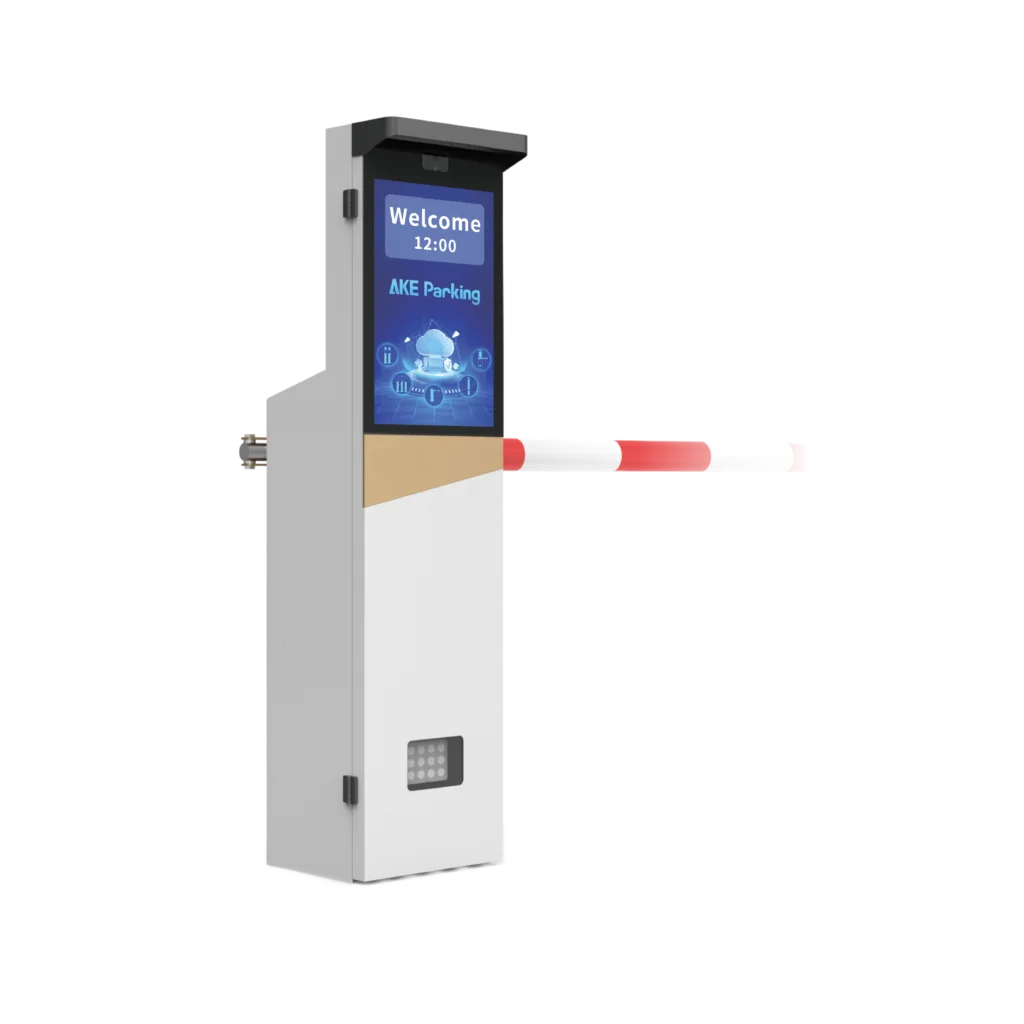
Standard architecture: cameras (day/night with IR) feed an edge LPR module that normalizes images, runs plate extraction, and sends results to a control module that triggers barriers and posts events to a cloud service. Key design parameters: camera angle ≤15° off-axis, shutter speed tuned to vehicle speed, edge inference for low latency, and encrypted telemetry for logs. Expect hardware specs: global-shutter or rolling sensor with exposure control, 2 MP+ optics, and PoE power where possible.
Real-world validation and EEAT
I’ve run pilots and reviewed deployments showcased at Intertraffic Amsterdam, where vendors and operators compared capture reliability in mixed-traffic demonstrations; those sessions highlight practical trade-offs between edge and cloud processing. Field evidence shows plate-recognition performance depends on dataset coverage for local plate styles, and mature deployments log capture confidence to tune thresholds. For a compact reference to operational behavior, review documented lpr parking operation that demonstrates how plate capture, gate logic, and exception workflows tie together during live shifts: lpr parking operation.
Selection criteria — test these before you commit
Run site-specific acceptance tests. Measure: end-to-end capture rate on real-world plates (goal ≥98% under business conditions), false-open and false-block rates, end-to-end latency from plate visible to barrier retract, and behavior under partial occlusion and foreign characters. Verify API maturity (webhooks, batch reconciliation), camera mounting options, maintenance SLA, spare-part lead times, and vendor support hours.
Pitfalls that break deployments
Common failures: wrong camera placement (too high, too oblique), ignoring reflective plates or aftermarket frames, assuming cloud-only processing when cellular is flaky, and deploying a model trained only on one plate format. Don’t accept vendor claims without site stress tests at peak hour and during poor weather. Also define a clear exceptions workflow for unread plates to avoid manual backlogs.
Alternatives and where each fits
RFID tags deliver deterministic access at scale but need physical distribution and tamper controls. Mobile app check-in is low-cost but raises friction and reliance on user behavior. LPR/ANPR balances contactless convenience with minimal user action and integrates directly with enforcement, payments, and analytics. Choose based on turnover, lane throughput, and privacy constraints: high-turnover commercial garages often favor LPR; gated residential may prefer RFID.
90-day pilot checklist
Start with a site survey that records sightlines, illumination cycles, and vehicle approach speeds. Bench-test cameras with the exact plate samples you expect. Deploy a single-lane pilot, collect metrics for 30 days, then stress-test at peak windows and in low-light. Tune confidence thresholds, set exception rules, and lock a maintenance schedule with spares before scaling to additional lanes.
Conclusion — where value concentrates
Solve the worst failures first: accurate plate capture at the lane, predictable gate behavior, and clear exception handling. When those are validated, the system delivers reliable billing, reduced congestion, and straightforward integration with property systems. For operators seeking a pragmatic, tested solution that ties those elements together, AKE Parking represents a focused option built around these same technical priorities.