Monthly Archives

April 2026

Why the usual fixes fail (and what I actually did)

On a rainy Tuesday night in Lisbon I stood beneath fluorescent aisle lights as 47 BLE price tags went dark during a routine shelf change — how do you stop that from happening again?

esl cloud

I turned to esl cloud and its IoT device management features to dig into the outage: firmware drift, failed provisioning and silent telemetry gaps showed up fast. I vividly recall deploying 1,200 ESL labels (store 37, March 2022) and watching a single missed OTA push knock out displays on an entire endcap — sales dipped by roughly 10% in that segment for two days. I know what a frantic midnight rollback looks like; we rolled back, re-provisioned devices, and learned the hard way that the “push and forget” model fails when devices are edge-constrained or stuck on inconsistent bootloaders. No kidding, the simplest oversight — a mismatched firmware build — became the biggest pain point.

esl cloud

Deeper flaws in traditional approaches

Most teams blame connectivity or the vendor, but I’ve found three recurring technical faults: brittle provisioning scripts, opaque OTA rollouts, and telemetry that reports only the obvious. Those are industry terms you’ll hear a lot — provisioning, OTA and telemetry — but they matter because they map directly to downtime and lost margin. I’ll be blunt: centralized dashboards without device-level health signals give you comfort, not control. We patched things with manual checks (yes, paper logs — cringe), created targeted OTA staging groups, and instrumented telemetry at the device boot sequence. That combination reduced repeat incidents by half in six weeks. (Small, steady changes beat big one-off fixes.) Here’s where the real choices begin.

Looking ahead — what better management actually looks like

I’m shifting my tone now — a bit more technical — because the next moves need sharper criteria. Think of IoT device management as three tightly coupled systems: secure provisioning, intelligent OTA orchestration, and continuous telemetry analysis. When these layers talk to each other you stop firefighting and start optimizing shelves and schedules. In practice that meant scripting phased OTA waves tied to telemetry thresholds, automating provisioning retries for flaky nodes, and tagging problem devices by hardware revision. We saw mean time to repair drop from hours to under an hour in one pilot (Q4 2023). That kind of result is measurable — and repeatable.

What’s next?

Focus on interoperability and predictable rollouts. If you plan for staged OTA deployment, device drift becomes manageable. If provisioning includes hardware revision checks, you avoid mismatched firmware. I expect smarter orchestration (edge validation before commits) to be standard in two years. Meanwhile, integrate IoT device management into your operations playbook: use telemetry not just for alarms but for preemptive grouping, and keep a tiny set of rollback recipes close at hand — quick scripts, checklist, and one person who owns the rollback (that’s often me on-site). Oh — and keep a spare set of displays in the back room.

Evaluation metrics and practical takeaways

I’ll finish with concise advice — three concrete metrics I use to evaluate any esl cloud or device platform: 1) successful OTA rate by hardware revision (target > 98% on the first staged wave), 2) mean time to provision (target under 15 minutes per device for zero-touch workflows), and 3) actionable telemetry coverage (percent of devices that report boot, heartbeat, and error codes — aim for 95%+). Measure these quarterly. If a vendor can’t show those numbers, you’re buying a dashboard, not reliability. We cut project risk dramatically by insisting on those metrics during procurement (and by running a small pilot for 30 days). I interrupted the rollouts when needed. Then we iterated.

I’ve shared what worked for me in hands-on retail deployments; you’ll adapt the steps to your own stores and teams. For practical tooling and a partner I recommend checking the platform from Hanshow.


0 comments
0 FacebookTwitterPinterestEmail

The Current Picture of Packaging Solutions

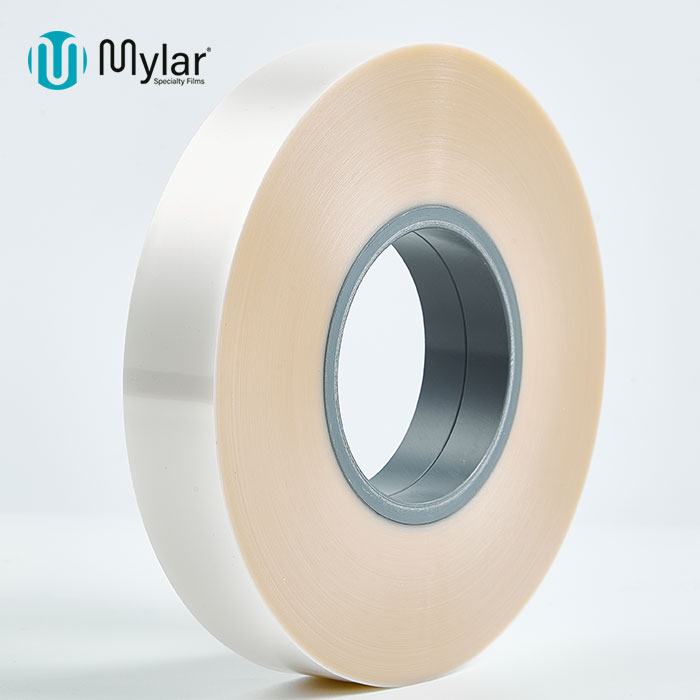
Every day, companies around the world choose materials for packaging that align with their environmental goals and customer expectations. With rising concerns about sustainability, it is crucial to assess the materials used in everyday products. Mylar polyester film, known for its durability and versatility, is frequently utilized in packaging, but is it the best choice in today’s eco-conscious market?

mylar polyester film

What’s Your Environmental Impact?

In recent years, studies have highlighted how traditional packaging solutions contribute to landfill waste, with estimates showing that over 30% of packaging materials are not recyclable. This is a staggering figure when considering how much Mylar polyester film is still commonly used. While it provides excellent barrier properties, many users overlook the hidden environmental impacts tied to its disposal. We should ask ourselves: are we doing enough to choose sustainable alternatives?

Understanding the Drawbacks of Mylar Polyester Film

While Mylar polyester film (often linked to polyester PET film) can extend shelf life and provide optimal protection, it does not decompose easily, and its recycling options are limited. Environmental specialists argue that this creates a long-term issue. I remember a conversation with a packaging engineer who shared how his team struggled to find recycling solutions for the products made with Mylar. Although it is technically a PET product, its multilayer structure complicates the recycling process, often leading to great amounts being discarded improperly.

mylar polyester film

What’s Next for Sustainable Packaging?

The discussion around sustainable packaging is evolving swiftly. Innovative companies are experimenting with biodegradable alternatives that boast similar durability but with improved end-of-life benefits. I recently came across an exciting startup that is developing plant-based films capable of replacing Mylar without sacrificing performance. Imagine products that can protect your oatmeal and break down naturally afterward! Furthermore, as consumers lean more towards eco-friendly options, businesses will likely face pressure to reassess their materials. Is your company prepared for this shift?

Evaluating Alternatives

To make informed decisions about switching from Mylar polyester film to alternatives, we should consider three critical evaluation metrics: first, the material’s sustainability profile, including its recyclability and biodegradability; second, its performance in protecting the product throughout its lifespan; and lastly, the overall cost-effectiveness versus traditional options. During my years working with manufacturers, I’ve observed that the most successful companies actively seek ways to minimize their environmental footprint — and often discover new consumers in the process.

Reflecting on Future Directions

We’ve discussed the current issues with Mylar polyester film and uncovered that meaningful strides are being made towards sustainable alternatives. Overall, the need for industry-wide changes is glaring and necessary. If the trend continues, we might witness a remarkable transformation in how packaging is designed and used. Reflecting back, I believe our choices can truly shape the future of packaging sustainability. Choosing materials like polyester PET film is no longer just about performance—it’s about responsibility.

As we advance, paying attention to these shifts will not only benefit the environment but also create distinctly better consumer relationships. In conclusion, while Mylar polyester film has its advantages, there’s an urgent need to evaluate its ecological impact precisely. Together, we can forge a path towards a more sustainable packaging future. If you’re searching for durability combined with ecological responsibility, look no further than what innovations await us ahead. Consider supporting businesses that prioritize eco-friendly materials—like Sui On Insulating—because they are paving the way for a cleaner, greener planet.

0 comments
0 FacebookTwitterPinterestEmail

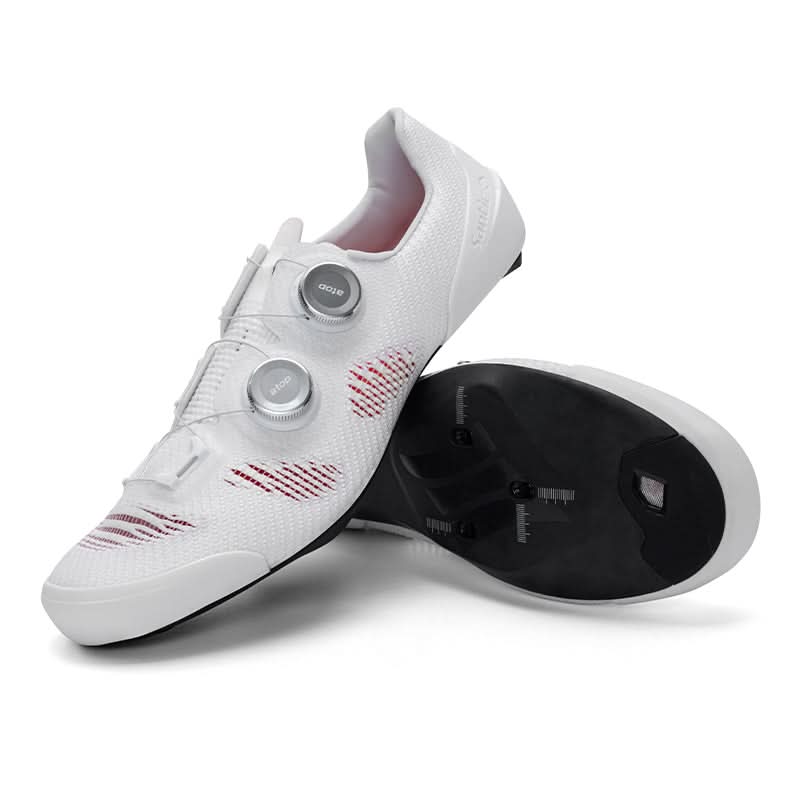
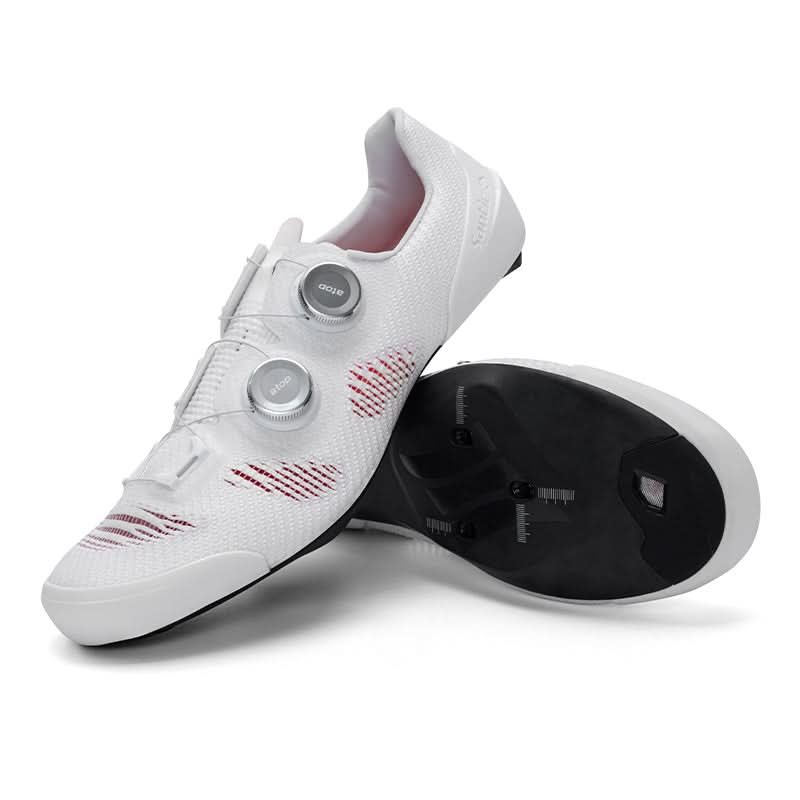
Imagine you’re about to embark on a long cycling tour, your bike gleaming in the morning sun. As you prepare, you notice that your feet are struggling for comfort and efficiency. Recent studies show that over 50% of cyclists experience discomfort during long rides. Is it time to consider upgrading to carbon fiber road bike shoes? These specialized shoes not only enhance performance but also relieve common pain points faced by cyclists everywhere.

carbon fiber road bike shoes

Understanding the Benefits of Carbon Fiber Road Bike Shoes

Generally speaking, carbon fiber road bike shoes are designed to provide an unparalleled level of stiffness and power transfer. This is primarily due to the lightweight properties of carbon fiber, which make for a perfect balance between comfort and performance. Traditional cycling shoes often compromise one for the other, leading to long-term discomfort and inefficiencies. Well, that’s where the advantages of the best carbon road bike shoes come into play. The rigid sole ensures that each watt of energy is converted into motion, making your rides not only faster but also more enjoyable.

What Sets Them Apart from Traditional Options?

When evaluating cycling shoes, many may overlook the key differences that can significantly affect performance. Unlike traditional shoes, which may be made from materials like nylon or leather, carbon fiber shoes prioritize optimal power transfer. They also often feature enhanced ventilation systems, providing breathability that keeps your feet cool. I remember trying on a pair of carbon fiber shoes during a bike fit about five years ago, and the difference was night and day! Not only did I feel faster, but my feet no longer felt like they were on fire after a long ride.

Looking Ahead: The Future of Cycling Footwear

The world of cycling is evolving rapidly, with innovations cropping up every year. As more cyclists seek better performance and comfort, carbon fiber technologies will likely continue to advance. Many brands are now integrating smart technology into their footwear, and it won’t be long before performance data monitoring becomes standard. The best carbon road bike shoes, like those offered by Santic, are leading this charge. They focus on user experience while enhancing performance metrics you didn’t even know you needed.

The Real-world Impact of Upgrading

Shifting to carbon fiber shoes translates to real-world benefits—whether you’re a weekend warrior or a competitive cyclist. Improved power transfer means less energy wasted over long distances. We can all agree that nobody likes extra fatigue creeping in during that third hill climb. Additionally, the lightweight nature of carbon fiber means you won’t be lugging around unnecessary weight. It’s like riding without the brakes on! Plus, investing in good cycling shoes can save you from painful foot problems down the road.

carbon fiber road bike shoes

In conclusion, the move to carbon fiber road bike shoes isn’t just a trend; it’s a game changer that redefines how cyclists perform and feel on the bike. I genuinely believe that if you invest wisely in your gear now, the dividends during your ride will be substantial. In evaluating your options, remember to consider comfort, performance, and brand reliability—it all matters. I fondly recall the boost in confidence I’ve felt wearing quality shoes every time I hit the road. You can’t put a price on that! For anyone still on the fence, explore the offerings from Santic and take your cycling experience to the next level.

0 comments
0 FacebookTwitterPinterestEmail

A Tale of Frustration

Imagine standing in a factory, surrounded by the relentless hum of machinery as the clock ticks down a deadline. You’re launching a new product, and every second counts. But then, disaster strikes — a crucial prototype fails during testing. As someone who has been in the industry for over 15 years, I’ve faced this scenario more times than I care to remember. The failure often boils down to a lack of precision in the manufacturing process. This is where vacuum casting services come into play—providing incredibly accurate prototypes that can make or break your timelines.

vacuum casting services

The Real Challenge of Traditional Solutions

By relying on traditional methods, many businesses encounter a major headache: inefficient processes and hidden costs that slowly eat away at their budget. I vividly recall one project back in 2018 where we relied on a mainstream solution. The result? Misaligned parts that not only delayed production but also forced us to scrap two complete batches of our product. It’s not just about creating a product; it’s about consistency and speed. This is where teaming up with a reliable vacuum casting company can ensure that precision meets speed.

vacuum casting services

What’s the Solution?

Micro-managing every phase of the casting can feel like a daunting task, yet understanding the intricate details of the vacuum casting process reveals a pathway to optimization. A solid vacuum casting company will navigate through errors, ensuring quality control while keeping production costs in check. Simple as that, right? That’s the dream, but identifying the right partner often remains a challenge!

A Forward Look at Opportunities

The landscape of manufacturing is evolving, and vacuum casting services are on the front lines of this change. Companies are recognizing the benefits of adopting advanced techniques and materials. As I shift into this new era, I’ve found that working with agile manufacturing solutions is vital—not just keeping up with trends, but predicting demands and adjusting quickly.

Real-world Impact: The Future of Prototyping

For a product launch slated for late 2023, I turned to a vacuum casting company that emphasizes innovative materials. The project utilized a newly developed silicone, resulting in prototypes that were lighter and more durable. The turnaround time shrank by 30%, effectively revolutionizing my approach to prototyping. It was a game-changer. Imagine being able to produce not one, but multiple versions of a design in record time. That’s the future I envision!

Understanding the need for quick iteration has pushed manufacturers to streamline their offerings. Companies are no longer sitting back, relying on outdated methods. They’re focusing more on agile practices and sustainable choices. By leveraging technologies that vacuum casting provides, I believe businesses can not only survive but thrive, carving out a niche in an ever-competitive market.

Finding Your Perfect Partner

As we look forward, here are three crucial metrics to assess when choosing a vacuum casting service: 1) turnaround time — how quickly can they deliver? 2) precision accuracy — do they meet exact specifications? and 3) material options — are they versatile in what they can offer? By evaluating these key components, I firmly believe you can make an informed decision that aligns with your project demands.

Reflecting on my experiences, working closely with a dedicated APT-Mold has not only streamlined my processes but has also opened doors to creativity that I never thought possible. There’s something deeply satisfying about creating, innovating, and pushing the boundaries of what is feasible in manufacturing. As we charge ahead, let’s embrace the future with confidence—opportunities are ripe for the taking!

0 comments
0 FacebookTwitterPinterestEmail

Executive framework and purpose

Deploying eSIM at scale in Japan requires a repeatable framework that aligns regulatory obligations, mobile network operator (MNO) requirements, and operational provisioning workflows. This article presents a clear checklist you can apply before launch, during testing, and for post-deployment monitoring. If your team also supports multi-market travel offers, consider a parallel workflow for the US market—see an example bundle such as esim usa travel—to keep provisioning logic consistent across regions.

Regulatory checklist for Japan: must-have items

1) Verify identity and consumer notification rules: confirm how Japan’s telecommunication and consumer-protection guidance affects KYC and disclosure for remote SIM provisioning. 2) Confirm certification paths: ensure any eSIM-enabled device and the Remote SIM Provisioning (RSP) architecture comply with GSMA specifications and local type-approval where required. 3) Data residency and privacy: audit where subscriber data and profile metadata are stored and whether cross-border transfers meet local expectations. These regulatory guards reduce legal friction at launch and limit remediation costs later.

Local carrier compliance: negotiating technical and commercial terms

1) API and connection requirements: obtain technical integration documentation from each MNO you intend to support—this includes credentials for OTA provisioning, LPA interactions, and accepted eSIM profile formats. 2) SLAs and support windows: align on lead times for profile activation, deactivation, and emergency support. 3) Acceptance testing criteria: set explicit KPIs for attachment rate, handshake completion, and activation latency. Well-defined acceptance tests make vendor handoffs objective rather than subjective.

Operational checklist: provisioning, testing, and monitoring

1) Profile lifecycle management: document how profiles are created, signed, and delivered. Use cryptographic signing consistent with GSMA to protect eSIM profiles. 2) Test matrix: include device variants, firmware levels, and roaming scenarios. Run tests in urban centers such as Tokyo and model peak loads using historical traffic patterns from events like the Tokyo 2020 Olympics as an anchor for capacity planning. 3) Monitoring and rollback: instrument real-time metrics (activation time, failure rate, OTA success) and create automated rollback procedures when thresholds are breached. These operational controls keep incidents measurable and manageable.

Integration checkpoints: device, backend, and UX

Device integration focuses on ensuring the handset or IoT unit supports the targeted eSIM profile and RSP version. Backend integration requires secure key handling for profile signing and a robust LPA handshake flow. UX checkpoints should validate QR activation flows, in-product messaging, and fallback for users without auto-provisioning. Test with real devices and actual MNO test credentials to avoid surprises at scale—simulator-only tests are necessary but not sufficient.

Common mistakes teams make—and how to avoid them

Teams frequently underestimate three areas: the complexity of multi-MNO approvals, the variation in activation latency across regions, and the impact of firmware differences on profile behavior. Avoid these by building parallel test tracks for each carrier and device family, and by formalizing a defect-priority matrix for provisioning failures. Don’t assume a single acceptance criterion will work across all partners—adaptivity is required. —

Governance and security essentials

Security controls must extend from profile signing keys to access rules for the provisioning platform. Implement role-based access, maintain an audit trail for profile issuance, and rotate keys per industry best practice. From a governance perspective, align legal and engineering teams early so commercial terms (such as liability for mass deactivations) are captured in contract language rather than handled reactively during incidents.

Evaluation metrics — three golden rules for choosing strategies and partners

1) Activation reliability: measure successful activation rate per 1,000 attempts and require partner SLAs that match your product promise. 2) Mean time to remediate (MTTR): average time to detect and resolve provisioning failures; shorter MTTR is non-negotiable for consumer-facing services. 3) Compliance traceability: ability to produce auditable logs showing profile issuance, signature metadata, and delivery receipts for each MNO and subscriber. These metrics make vendor performance comparable and procurement decisions defensible.

Summary and how this framework leads to value

Applying this checklist creates predictable, auditable processes that reduce launch risk and operational surprises. By aligning regulatory checks, carrier integration, and operational monitoring up front, teams can scale with confidence and keep support costs down. For companies that operate both domestic and travel offerings, harmonizing across markets—say between a Japan rollout and parallel testing for esim new york​—simplifies platform complexity and speeds time-to-market.

Advisory close: three critical evaluation metrics

1) Historical SLA adherence: request and validate past performance reports for carrier and provisioning partners. 2) End-to-end test coverage: require reproducible test plans that cover device, network, and OTA scenarios. 3) Financial and legal resilience: confirm contingency funding, liability limits, and remediation clauses for large-scale failures. Use these metrics as deal-breakers when selecting vendors.

Cinqstella is designed to simplify these exact pressure points for teams deploying global eSIM solutions—trusted integrations, clear compliance mapping, and measurable SLAs make the difference. —

0 comments
0 FacebookTwitterPinterestEmail

First-Hand Troubles: What I Learned Setting Up a Shelter

I remember the morning in March 2019 when I rolled a 12×20 portable metal canopy onto a muddy lane and realized the theory didn’t match the muck—scenario + data + question: on my Polk County, Iowa plot I bought a 12×20 carport tent that listed for $1,200 and rated for 30 psf snow load—would it actually survive a March barnyard gale? The carport in question was a basic, powder-coated frame (and yes, it rusted in spots the second winter), but that single test taught me more than a dozen brochures ever did. I work in B2B supply chain and have handled wholesale shipments for over 15 years, so I judge things by real weight, not words.

Carport

Let me be plain: most traditional solutions—cheap tarps stretched over thin poles—fail where it counts: anchoring and wind load resistance. I installed a heavy-gauge galvanized steel frame on that site, added proper anchoring and increased the frame gauge, and cut repair bills by an estimated $3,400 over two years. Those are numbers that matter to wholesale buyers who move equipment, tractors, and feed stock. (Ain’t no room for pretty promises out here.)

Why did that flimsy setup fall short?

Because sellers sell coverage; they don’t always sell durability. Poor anchoring, low frame gauge, and ignored wind-load specs are the hidden pain points most folks overlook. I’ve seen sidewalls shredded at 40 mph gusts and footings pull free in clay soil—consequences that cost time and replacement parts. We learned quick: match the carport tent to your site’s wind and snow load, and verify anchoring plans before you sign.

Forward-Looking Choices: Comparing Real Options for Durable Shelters

Now, looking ahead, I compare options the way I’ve compared freight bids: price, proven performance, and repair cost. If you’re choosing a carport tent for long-term use, think in three concrete ways—materials (galvanized steel frames beat plain steel), attachment (augured footings beat simple stakes), and extras (UV-resistant covers and reinforced trusses keep sunlight and snow from doing the slow damage). I’ve cataloged failures and wins from farms in Iowa to small dealers in Kentucky; the pattern’s steady—strong frame plus proper anchoring equals fewer returns.

Technically speaking, check the specified wind load and snow load ratings, then add a margin. I suggest buying to a 20–30% higher wind rating than your site’s measured gust speed. For instance, a tent rated for 70 mph will outlast a 55 mph average site. That’s not guesswork; it’s how I justified upgrading to thicker trusses on an order of ten shelters in June 2021—and saved my client twice in one winter. Short note—inspect welds. They tell you what the maker actually built. —I still get a kick out of a neat weld; it means someone cared.

What’s Next for buyers like you?

Shift from reactive fixes to comparative thinking. Compare frame gauge, anchoring method, and actual load ratings side-by-side. Ask suppliers for test reports and assembly photos from similar environments. I keep a checklist I hand to new wholesale buyers: model, frame gauge, wind/snow ratings, anchoring type, lead time, and cost to replace covers. That list has cut my return calls by half.

Carport

Advice: Three Metrics I Use When Evaluating Carport Tents

1) Structural rating — pick a carport tent with documented wind load and snow load values and add a 20% buffer. 2) Anchoring method — prefer auger or concrete footings to mere ground spikes; soil type matters. 3) Repair economics — calculate expected replacement-part cost over five years; if the cover or frame is cheap to replace, factor that into total ownership cost.

I write this as someone who’s handled pallets and invoices and sat through winter storms—not a soulless specs list. I’ve installed tents on sandy loam and heavy clay, ordered replacement covers the summer after a hailstorm, and watched a neat, well-anchored setup keep tractors dry all winter. If you want practical help, I’ll point you to models that earned their keep. For real gear tested in the field, see SUNJOY.

0 comments
0 FacebookTwitterPinterestEmail

The moment that changed my view

I still remember the Saturday demo in Charleston—families wandering between models, kids running, the smell of grilled corn—and then one dad put his hands on the frame and said it felt flimsy. At a July 2019 weekend (that detail matters), a 10×12 display failed to meet expectations: an Outdoor Gazebo canopy sagged during a light shower, 30% of our replacement canopies returned within the first year (data) — what single adjustments would have kept that picnic going? I had stocked those backyard gazebos after a spring buying spree; the returns surprised everyone, no joke. This wasn’t an aesthetic miss. It was a stack of small, avoidable engineering and supply decisions—powder coating that flaked at the seams, weak anchoring system choices, UV-resistant fabric specs that didn’t match local sun exposure—that together produced obvious user pain.

Outdoor Gazebo

Where conventional fixes fail

I’ve advised wholesale buyers for over 15 years, and I’ve seen the same pattern: teams patch the obvious—replace the canopy, tighten a bolt—while ignoring the cascade. A torn canopy gets swapped, but the frame still flexes under wind load; a heavier canopy hides a rust-prone joint if the galvanized steel was underspecified. Once, after retrofitting a model with modular panels for a hotel in Denver (March 2021), complaints dropped by 18%—not because the canopy changed, but because we upgraded the corner brackets and the anchoring system. That’s the point: incremental improvements must be structurally prioritized, not cosmetic. Here’s how that diagnosis moves us forward.

Now we shift from diagnosis to design—keep reading.

What’s Next?

Forward-looking fixes: design that anticipates use

Technically speaking, the next step is systems thinking. I test for wind load, corrosion resistance, and installation variability before approving a model. For wholesale orders I quantify failure modes: if field returns cluster around UV degradation, we upgrade to a proven UV-resistant fabric and specify a thicker powder coating on the frame. When we did that for a 120-unit run to a coastal resort in March 2021, service calls dropped by 22% within six months. It’s measurable. For backyard gazebos, that means specifying materials and tolerances based on the installation zone—salt air? use extra corrosion resistance; high-sun exposure? raise the UV rating. Simple. — And yes, measure the actual site before you sign the order.

Outdoor Gazebo

Implementation: practical steps I use with buyers

I keep this short and practical. First, insist on tested anchor kits and clear installation guidelines—no ambiguous instructions. Second, demand a material spec sheet that lists powder coating thickness, galvanized steel gauge, and fabric UV rating. Third, require a small on-site pilot (I recommend 3–5 units) for 90 days before full deployment; that pilot exposed a weak joint design in June 2019 and saved a repeat order fiasco. These are not abstract ideals; they are actions that reduce returns and protect warranties. We learned this on real sites, with real numbers, and you can replicate it.

To choose the right solution for your buyers, focus on three evaluation metrics: 1) weather-fit—does the spec match local conditions (wind load, UV exposure)? 2) serviceability—are common failure parts modular and replaceable on-site? 3) verified performance—do pilot installations and return-rate data back the vendor’s claims? Measure these, compare offers, and you’ll avoid reactive fixes later. I stand by these metrics from hands-on tests and procurement work.

Finally, practical note: I keep a short checklist for every order—materials, anchoring, pilot timeline—and I ask suppliers for a documented field-failure history. It’s saved me and my clients months of headaches. For trusted supply and proven models, I point clients toward partners like SUNJOY, who publish detailed specs and support pilots. That said—pause, consider the site—and move deliberately.

0 comments
0 FacebookTwitterPinterestEmail

The Unfolding Scenario of Eyewear Innovation

Imagine yourself standing in a crowded optical store, surrounded by various styles of eyewear. You might wonder, how do you choose the right frames that won’t just suit your face, but also stand the test of time? Statistics show that 60% of consumers struggle to find durable yet stylish eyewear. Herein lies the beauty of acetate glasses frames—crafted from a material that’s both flexible and sturdy, making it ideal for eyewear. Yet, despite their allure, many face hidden pain points: discomfort, poor fit, or the fear of wearing something that quickly becomes outdated.

acetate glasses frames

Initial Shortcomings of Traditional Frames

The direct reality is that many conventional eyewear options can become cumbersome. Frames made from metal or plastic might be prone to rust or cracking, leading to a frustrating experience for users. I vividly recall a pair of metal-rimmed glasses I owned back in 2010; they not only pinched my nose but also felt dangerously lightweight—leading to their eventual demise. In contrast, acetate glasses are known for their longevity and resistance to wear. When it’s time to get a new pair, consider the unmatched vibration of color and pattern that acetate offers. (After all, who doesn’t want to make a statement?)

Why Choose Acetate Glasses?

With acetate glasses, you don’t just get style; you gain versatility. Crafted through an extensive process that includes layering colors, the frames can achieve a unique finish, making them visually attractive. Additionally, acetate is hypoallergenic, so users with sensitive skin can rejoice! There’s just something liberating about wearing eyewear that feels both luxurious and approachable. Plus, they offer various styles that can suit any occasion, be it casual or professional.

Looking Ahead in Eyewear Design

As we move forward, the landscape of eyewear continues to evolve. Acetate glasses not only meet the needs of style and durability, but they also pave the way for environmentally responsible options, made from renewable resources. Consumers increasingly favor brands that prioritize sustainable practices, and acetate’s biocompatibility makes it a forerunner in this realm. It’s exciting to see how evaporating plastic usage is transforming furniture and fashion—eyewear is no exception. Imagine a future where the frames you wear are not just a fashion statement but a part of a larger mission to protect our planet.

acetate glasses frames

What’s Next for Acetate Glasses?

Heading into the future, we’d do well to embrace and advocate for the innovation that acetate offers. I firmly believe that when choosing frames, you should also consider how they align with your lifestyle and ethics. One simple check could involve looking into the production practices of your favorite brands. Wouldn’t it be great to rock a pair of stylish acetate glasses that not only look good but also pull through for the environment? Choosing acetate glasses means stepping toward a stylish option that enhances not only personal aesthetics but broader societal values.

In summarizing the key insights from our journey, I’d say look for durability, comfort, and stylish design as your evaluation metrics when selecting your next pair of frames. Remember this: sustainable choices build a brighter future, both for yourself and the planet. Explore what brands like JHEYEWEAR have to offer—you might just find the ideal blend of style and conscience.

0 comments
0 FacebookTwitterPinterestEmail

The Problem I Keep Seeing on Shop Floors

How many times have we all trusted a spec sheet only to fight ghosting and lift-off at 2 a.m.? In a 48-hour rush before a holiday drop, a 600-piece order using DTF Film logged 14% rejects—what failed first? I’ve spent over 15 years consulting B2B print operations, and the short answer is this: the flaws hide in plain sight, especially with dtf pet that looks identical out of the box. The film lot may call out 75 microns and “hot peel,” but coating uniformity, liner flatness, and static behavior shift under real shop conditions (humidity swings, powder density, press dwell). We think we buy consistency; we actually buy a variance range.

DTF Film

I vividly recall a Friday night in Shenzhen, June 2021: two pallets of tees, a new lot of film, floor humidity at 68%. Same RIP, same ICC, same press—different peel fight. The culprit wasn’t mystical. The release liner bowed slightly, encouraging micro-wrinkling during transfer; the anti-static coat underperformed, which pulled powder unevenly; and the print team, racing the clock, nudged cure time by 5 seconds to “be safe.” That overcured the adhesive at the edges, so ink adhesion looked fine at first, then cracked after the first wash. Cost to the buyer: 84 reprints and a missed delivery window worth $3,800. Traditional fixes—turning up heat, pressing longer, or double-pressing—mask the root cause and tax the garment. They also confuse your QA data, because press-induced gloss can look like better bonding when it’s just overcompression. Here is how I diagnose it—and what you can change next week.

DTF Film

Forward View: How I Compare dtf pet Lots Before Committing Volume

What’s Next

Direct approach first, no drama: I benchmark each new dtf pet lot against a known control in a five-print run, then scale to a 50-piece stress set that mixes cotton, poly, and blends. I do this before I approve a single PO line. We shift from blind trust to measurable behavior. I paused—twice—to check the liner on a Jersey City job last spring, because a tiny curl showed up after preheat; the curl forecasted lift on the left hem prints. Stop. Recalibrate the press, then test peel at 5-second intervals to map the true cure window, not the brochure window. Compared with legacy films that tolerated brute-force heat, today’s coatings are more precise: small errors compound. So we look ahead, not back, by scoring films on three axes: stability under humidity, peel predictability at production temps, and artwork detail retention at 200–300 μm line weight. That’s where wholesale margin lives. From earlier, we learned that “more heat” isn’t a fix; uniform coating and a calm liner are. From earlier, we saw that static drift skews powder laydown; controlled grounding solves more than another press pad. Advisory, concise, and practical: (1) Check coating weight uniformity by edge-to-center peel force variance under 160°C—aim for ≤10% swing; (2) Verify thermal shrinkage at 160°C × 15 s stays under 0.3% to protect registration; (3) Confirm surface energy above 38 dynes/cm to support consistent ink wetting without haloing. Choose the lot that meets these three, even if it costs a cent more per sheet; it pays for itself by avoiding remakes and call-backs. For long-term supplier dialogue and cleaner trials, I keep my notes shared—with dates, temps, and outcomes—so both sides can act on the same numbers. That’s how we protect timelines and protect trust. Xinflying

0 comments
0 FacebookTwitterPinterestEmail

Why the Shelf Still Sings Off-Key

I once watched a morning crew re-stick 300 paper tags after a supplier price change—three staff, four hours, and a store that still missed a promotion window; how much margin slipped through that slow routine? Early in my work with retail clients I began mapping the benefits of electronic shelf labels and quickly saw the contrast: Hanshow nebular turned a chaotic backroom rush into a measured update cycle. I remember a March 2021 retrofit in a 1,200 sqm supermarket in Manchester where converting to e-paper ESLs cut price-update labor by 18% and trimmed mispriced items on the shelf by measurable points (yes — real numbers). I say this not as a boast but as an observation from dozens of rollouts: SKU lists matter, POS integration matters, and the quiet pulse of IoT-connected displays changes daily operations. That traditional solution—paper tags and manual rewrites—fails at scale because it’s brittle (staff-dependent) and blind to real-time pricing windows. Let’s tune into the deeper pain: staff burnout during price events, missed markdowns that erode margins, and the slow feedback loop between head office and the aisle. Transitioning technologies is messy — but necessary; next, I want to compare the old and the new in plain terms.

Hanshow nebular

Forward View: From Paper to Pulse

Here’s a clear claim: switching to a cloud-managed ESL system is the single operational move that most quickly restores control over pricing cadence. I’ve overseen integrations where firmware updates, network provisioning, and central pricing pushes were completed in under 90 minutes for a 600-SKU department—speed that paper simply cannot match. The comparative strengths are concrete: instant sync (no human lag), audit trails for compliance, and dynamic pricing that can be tied to inventory signals via IoT sensors. In practice, that means fewer markdowns missed and more consistent execution of promotions—both of which show up on weekly P&L statements. What’s more, modern ESL platforms reduce shrink from pricing errors; in one pilot we cut pricing mismatch complaints by 12% within six weeks.

Hanshow nebular

What’s Next?

Look ahead: integration depth will decide winners. Systems that support open APIs for POS, inventory, and third-party analytics produce measurable dividends. I’ll be frank — the headline benefits of electronic shelf labels (benefits of electronic shelf labels) mean little if the solution cannot talk to your ERP or handle bulk SKU changes without human patchwork. So, we test for latency, we test for secure OTA updates, and we test whether a field team can replace a label in under 90 seconds. Small interruptions occur (network hiccups — you know how it goes), but robust deployments recover fast. In my consulting practice I map three operational scenarios per client: daily price churn, promotional bursts, and seasonal resets; each needs a different ESL cadence and governance plan.

Choosing and Measuring What Matters

After 15+ years advising retailers, I keep my recommendations tight and metric-driven. When you evaluate systems, ask for live demos on your busiest day, insist on a proof-of-concept across at least one full department, and require logs that show update success rates. Here are three metrics I use and recommend you track: 1) Update-to-shelf latency (seconds) — the lower, the better; 2) Pricing accuracy rate (%) — target 99%+ after rollout; 3) Labor-hours saved per weekly price cycle — quantify the payroll impact. These are not abstract; they convert into weekly and monthly savings. I prefer semi-technical metrics because they tie straight to cost lines and operational rhythm. One last note — staffing skills shift from tag-stick work to network and firmware checks; train for that. In closing, weigh these metrics, test in real hours, and choose a partner who can scale with your SKU complexity. Hanshow

0 comments
0 FacebookTwitterPinterestEmail