Why measurement must lead procurement choices
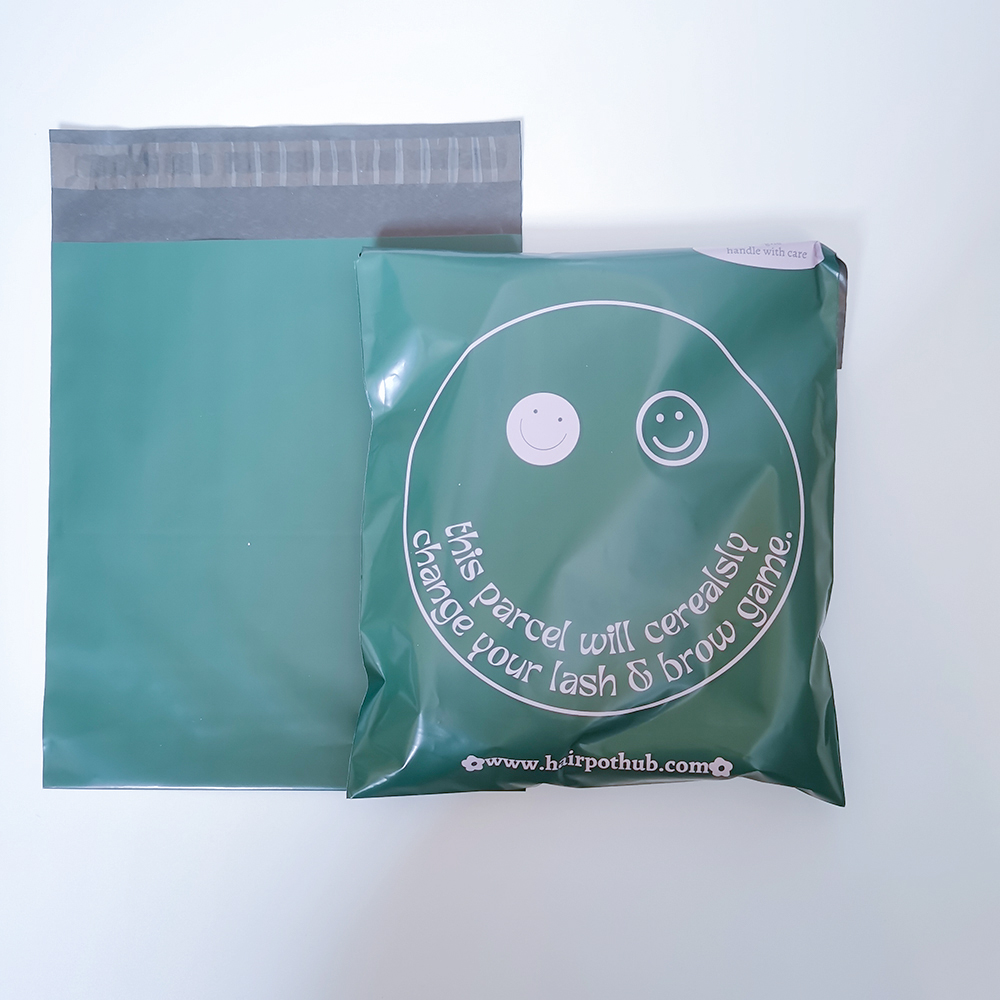
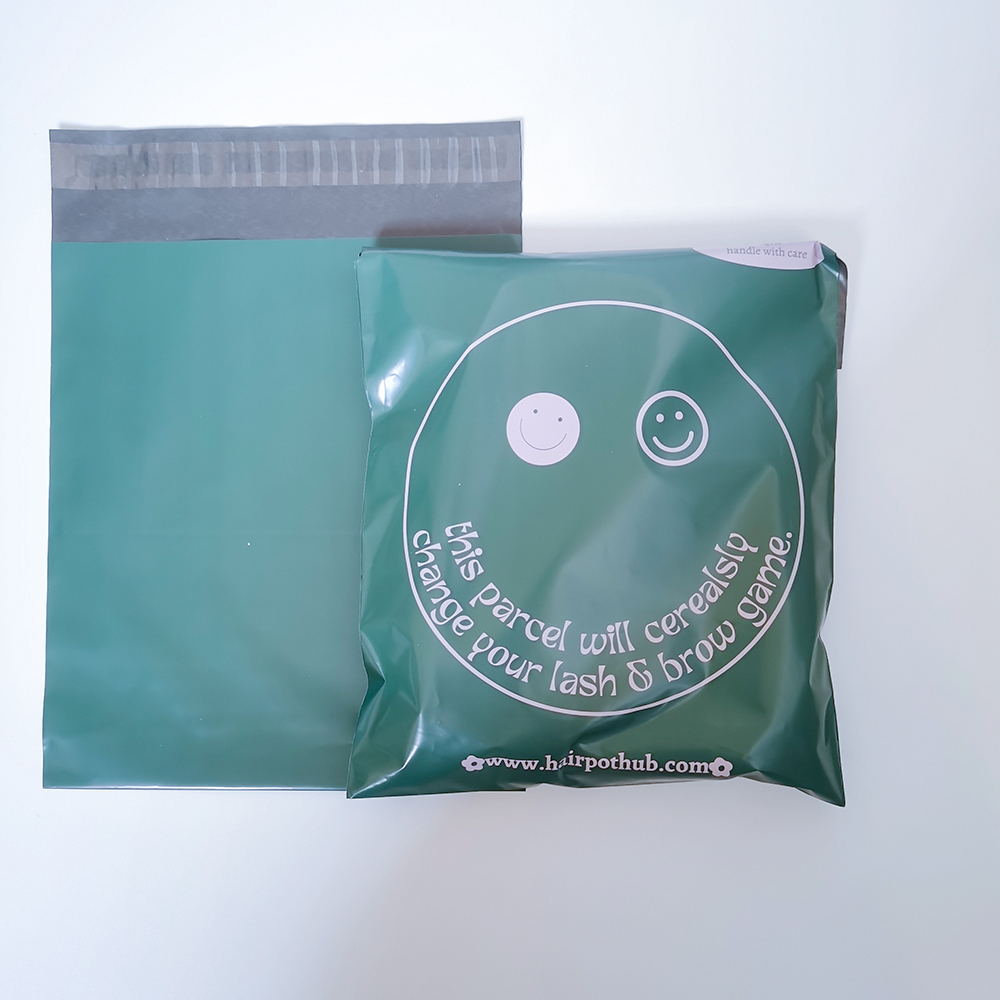
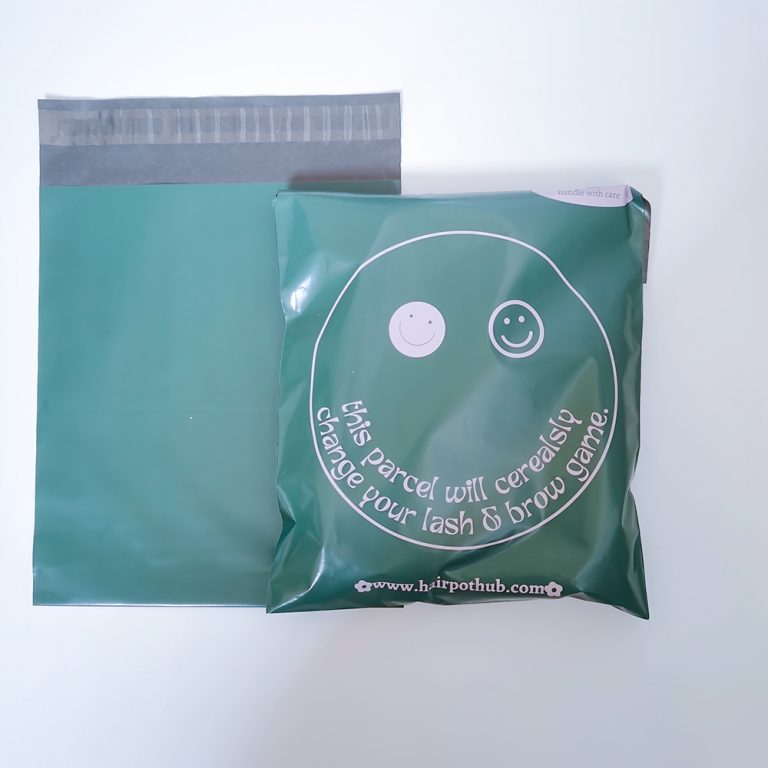
Brands that buy packaging can no longer rely on intuition when sustainability is a stated goal. A data-driven view ties decisions to measurable outcomes: reduced transport emissions, fewer returns from damaged goods, and more predictable lead time. After the 2020–2022 global supply-chain disruptions — including the Port of Los Angeles backlog — many retailers shifted to nearer suppliers to shorten pipelines and lower risk. For companies evaluating options, ordering custom printed poly mailers from regional suppliers is often presented as both an environmental and operational improvement; the question is how large and under what conditions those gains actually are.
Core metrics to quantify carbon impact
To compare sourcing strategies, adopt a small set of repeatable metrics: transport emissions per shipment (mode- and distance-weighted), order frequency versus batch size, and material life-cycle impact (recycled content and end‑of‑life recyclability). Include pragmatic supply metrics as well: MOQ, lead time, and fulfillment compatibility. Focused KPIs keep analysis tractable and comparable across suppliers. For instance, measure grams CO2 per unit delivered rather than vague claims about “lower emissions.”
A simple comparative scenario
Consider two sourcing models: Local bulk procurement from a regional manufacturer vs. offshore consolidation with ocean freight and domestic last-mile trucking. Ocean freight can offer low emissions per tonne-km but adds inventory days and port dwell time; last-mile trucking multiplies small-shipment emissions. When a brand moves from weekly small orders to a monthly bulk order from a nearby supplier, transport miles fall and fewer partial shipments are needed. The net carbon benefit depends on order cadence, mode mix, and packaging density. Model the trade-offs with a unit-based calculation: distance × mode-emission factor ÷ units per shipment. Do not neglect the packaging material itself—film gauge and lamination choices change weight and therefore transport footprint.
Operational levers that change the outcome
Several levers materially affect carbon and cost. First, consolidation: larger, less frequent shipments reduce per-unit transport emissions but increase inventory carrying costs. Second, film specification: choosing a lighter film gauge or single-layer recyclable material lowers weight and simplifies end‑of‑life handling. Third, supplier practices: local vendors often enable faster prototyping and fewer reworks, which reduces waste and repeat shipments. And attention to fulfillment integration—barcode orientation, tamper-evident seal compatibility, and pack density—reduces handling inefficiencies. A practical note—testing packaging on the actual fulfillment line is non-negotiable; it will reveal hidden failures before they escalate.
Supplier comparison: what to ask and measure
When you audit suppliers, request consistent evidence across four areas: verified transport routes and typical lead times; material specifications (recycled content percentage, lamination type, film gauge); quality control data (first-article rejection rates); and end-of-life guidance (recyclability streams by region). Ask for shipment-level carbon estimates or, if unavailable, provide a simple template so vendors can report distance, mode split, and palletization rate. If a supplier cannot provide those numbers, treat the claim of “greener” sourcing with caution—transparency is itself a proxy for capability.
Common mistakes and how to avoid them
Brands often misjudge the interplay of lead time and MOQ, assume recyclability is uniform across markets, or forget to include returns and rework in their carbon model. Avoid these errors by aligning procurement, operations, and sustainability teams on one calculation method. Also, consider the entire supply chain: a locally produced printed poly mailer that uses non-recyclable lamination may still score worse in a life-cycle view than a slightly farther supplier using mono-material film. —
Three golden rules for choosing a low-carbon poly mailer supplier
1) Measure per-unit delivered emissions: require or compute grams CO2 equivalent per unit delivered using mode- and distance-weighted factors, and compare across suppliers. 2) Prioritize material circularity: select film specifications that balance film gauge reduction with high recycled content and mono-material construction for real-world recyclability. 3) Insist on operational transparency: compare documented lead time adherence, MOQ flexibility, and fulfillment compatibility (e.g., palletization, barcode orientation) to avoid hidden repeat shipments.
Local sourcing often yields faster prototyping, fewer reworks, and lower last‑mile emissions—making it a practical step toward measurable sustainability. For many brands, sourcing printed poly mailers wholesale from a partner that can report these metrics is the decisive advantage. In practice, a partner that combines clear data, industrial experience, and regional logistics know-how will deliver both lower carbon and smoother operations.
Use these rules to assess suppliers; the right partner will make the numbers and the operations align. WH Packing. —