Introduction — a morning at the depot
I remember standing beside a line of electric vans while the depot manager tapped his phone and sighed. The all-in-one charging station dutifully blinked, but only two vehicles were actually charging—this was supposed to be peak time. Recent operational checks I’ve seen suggest fleets can lose up to 15% of available charging hours to scheduling and equipment hiccups (yes, that adds up fast). How do we stop losing time, money, and patience?
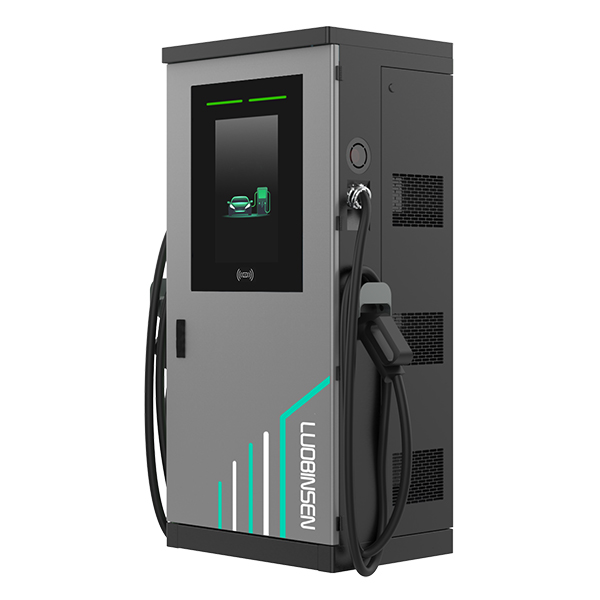
What follows is not abstract advice. I’ll walk you through the human side of these systems, and the technical bits that matter—think charge scheduling, power converters, and basic load balancing. I’m writing from experience: I’ve sat through late-night resets, fielded frantic calls, and watched simple fixes prevent repeated outages. My goal is to help managers and technicians spot the patterns before they become crises. Ready to dig in? Let’s move on to the deeper problems that hide under neat dashboards.
Part 1 — Where standard approaches break down (deeper pains)
ev fleet charging solutions often look tidy on paper, but in my work I find several recurring failures. First, single-point assumptions: operators assume one charger and one vehicle equals one successful session. In reality, shared feeders and imperfect load balancing create contention—so two vans might compete for headroom and one ends up starved. Second, firmware and interoperability gaps: chargers, BMS (battery management systems), and chargepoint management software sometimes speak different “dialects.” That mismatch causes failed handshakes and aborted sessions. Look, it’s simpler than you think—many of these are configuration errors, not hardware disasters.
Third, hidden operational friction: technicians aren’t always given clear error codes or uptime expectations, so troubleshooting becomes trial-and-error. Fourth, the human workflows—shift handovers, routing, and charging priorities—aren’t modeled into most systems. Add edge computing nodes and DC fast charging demands, and you’ve got a complex system with brittle spots. I’ve seen fleets rely on manual overrides when they should be using automated load-shedding policies—funny how that works, right?
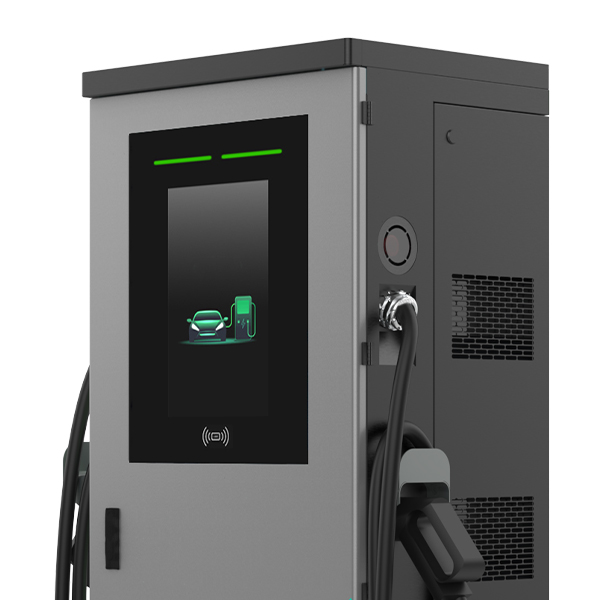
What’s the most common single root cause?
In my view: communication mismatches between devices and poor monitoring. When telemetry is inconsistent, you lose situational awareness fast. Fix that and many other problems evaporate.
Part 2 — Looking forward: principles and practical fixes
Now let’s move toward solutions. I want to sketch technology principles that actually help operations—not buzzwords. First, adopt modular interoperability: insist on open protocols and clear APIs so chargers, fleet management, and payment systems exchange clean data. Second, prioritize intelligent power management: distributed load balancing and predictive scheduling reduce peak draws and extend battery life. Third, build operator-centric dashboards—simple alerts, clear error messages, and a single source of truth for state-of-charge and queued sessions.
Putting this into practice, I recommend investing in smart metering and localized edge computing nodes to handle split-second decisions at the site level. These reduce latency for decisions like transient load shedding or session reprioritization. Combine that with robust remote diagnostics and you’ll cut truck-rolls. Real-world pilots show faster recovery times and fewer stranded vehicles—yes, measurable wins. — and they often cost less than the downtime they prevent.
Real-world impact
I’ve overseen rollouts where simple changes—better telemetry and a modest upgrade to the chargepoint management system—reduced charger contention by nearly half. That freed up hours of charging every week and made scheduling predictable again. It’s practical, not theoretical.
Conclusion — where we go from here
To wrap up, I’ll be candid: fixing fleet charging isn’t a single fix. We need layered improvements—better device communication, smarter power converters, clearer operator workflows, and thoughtful use of edge compute. If you measure outcomes, focus on three metrics: uptime percentage, average time-to-charge per vehicle, and number of manual interventions per week. Those tell you whether changes are working.
I’m hopeful. When teams invest a little time in interoperability and monitoring, they usually see quick returns—less stress, fewer late nights, and a smoother operation. — funny how that works, right? For teams looking for hardware or system partners, I often point them to solid vendors that understand both the human and technical sides of electric vehicle charging equipment. If you want a place to start, check out Luobisnen.