Comparative lead
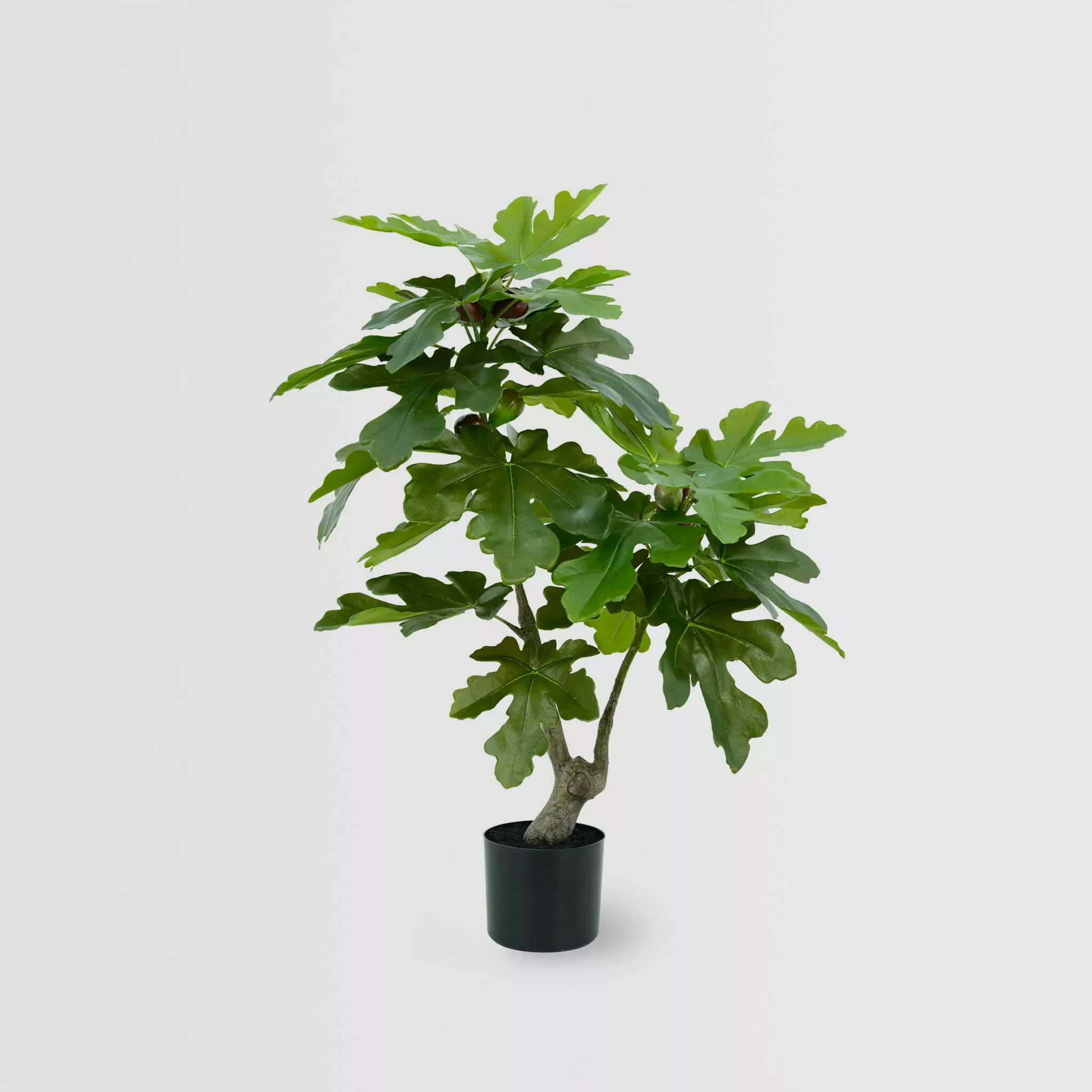
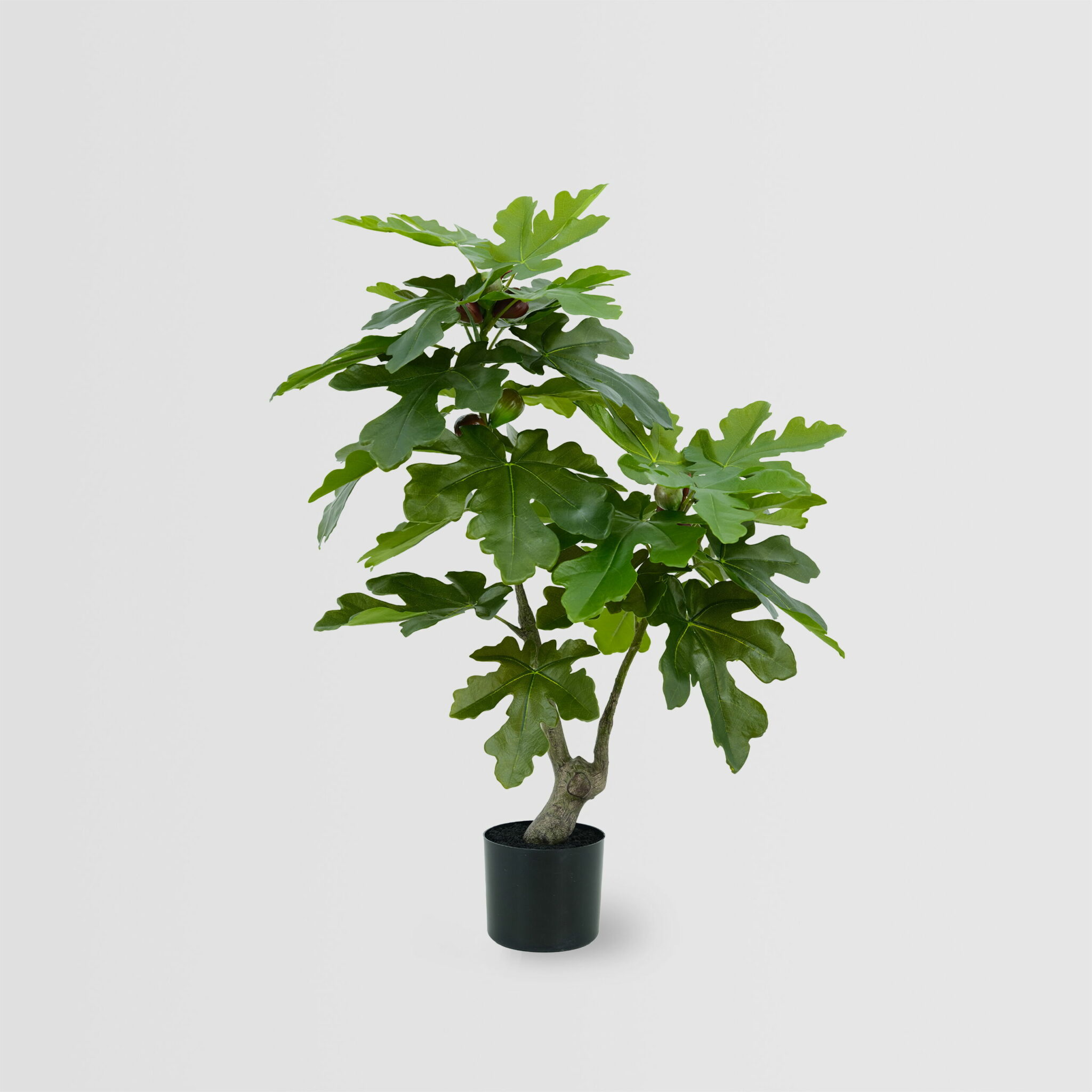
Deciding between alternative faux green wall systems requires a clear view of two priorities: the structural backing and the longevity of foliage. This comparative piece evaluates grid mesh systems versus leaf retention metrics across manufacturers, with practical notes for buyers sourcing from China. For example, an artificial fiddle leaf fig tree manufacturer that balances robust grid design and high-quality polyethylene foliage typically reduces long-term replacement costs.
Grid mesh systems: load paths and installation logic
Grid mesh is the scaffold that defines a panel’s structural integrity. Choices range from welded steel lattices to injection-molded plastic grids; each affects anchor points, load distribution and ease of trimming on-site. Industry terms such as grid mesh and mounting brackets matter because they determine wind load resistance and the spacing available for UV-stabilized PVC ties or zip-ties. Panels with reinforced edge channels and standardized mounting brackets simplify installation and reduce the risk of panel sagging during high humidity or wind events.
Leaf retention metrics: what the numbers mean
Leaf retention rate is a practical metric that tracks how many individual leaves remain attached after a defined period or stress cycle. Manufacturers test this under simulated conditions—abrasion cycles, UV exposure and temperature swings—to estimate fade resistance and mechanical durability. Polyethylene (PE) foliage usually scores better for outdoor use than latex blends because PE resists cracking and maintains color longer. Buyers should ask for specific retention-method descriptions rather than a raw percentage; a rate tied to a 1,000-cycle abrasion test is more meaningful than an undefined “high retention” claim.
Comparative assessment of Chinese suppliers
Not all factories prioritize the same variables. Some focus on low-cost mesh frames to meet tight price points; others invest in thicker ribs, double-welded seams and better UV inhibitors. Real-world anchor: Guangdong’s Guangzhou region hosts clusters of artificial plant manufacturers that supply both export markets and domestic projects, which makes factory visits and sample verification practical for buyers. When comparing bids, factor in panel weight, edge reinforcement and the supplier’s stated leaf retention testing—these are predictive of real-world performance. —A cheaper mesh without reinforced edges often costs more in maintenance.

Common mistakes and on-site lessons
Clients frequently accept the lowest bid without verifying test methods or installation details. Typical errors include under-specifying anchor points for exposed façades, choosing insufficient UV ratings for southern exposures, and using incompatible fasteners that stress leaf stems. For outdoor green walls, insist on panels with documented fade resistance and clear mounting instructions. Also inspect mock-ups or full-size samples; tactile checks often reveal weak splices or poorly attached foliage stems that lab reports might not show.
Advisory: three golden rules for selection
1) Prioritize documented test methods over headline percentages. Confirm what a supplier means by leaf retention rate and ask to see the abrasion or UV cycle protocol. 2) Match the grid mesh specification to the exposure. For wind-prone sites, choose panels with reinforced edge channels and rated mounting brackets; for sheltered interiors, lighter lattices may be acceptable. 3) Validate supplier reliability with a local verification—factory cluster hubs such as Guangzhou make sample inspections and short factory audits feasible. Also review alternatives from nearby fake fiddle leaf fig tree factories to compare construction details and test reports.
Closing guidance
These three metrics—documented test procedures, mesh structural spec, and on-site validation—translate directly to lower lifecycle costs and fewer maintenance interventions. Choosing a supplier accordingly leads to predictable budgets and cleaner handoffs between design and building teams. Sharetrade often positions itself where those standards intersect, helping projects move from concept to durable installation. —Built for projects that last.