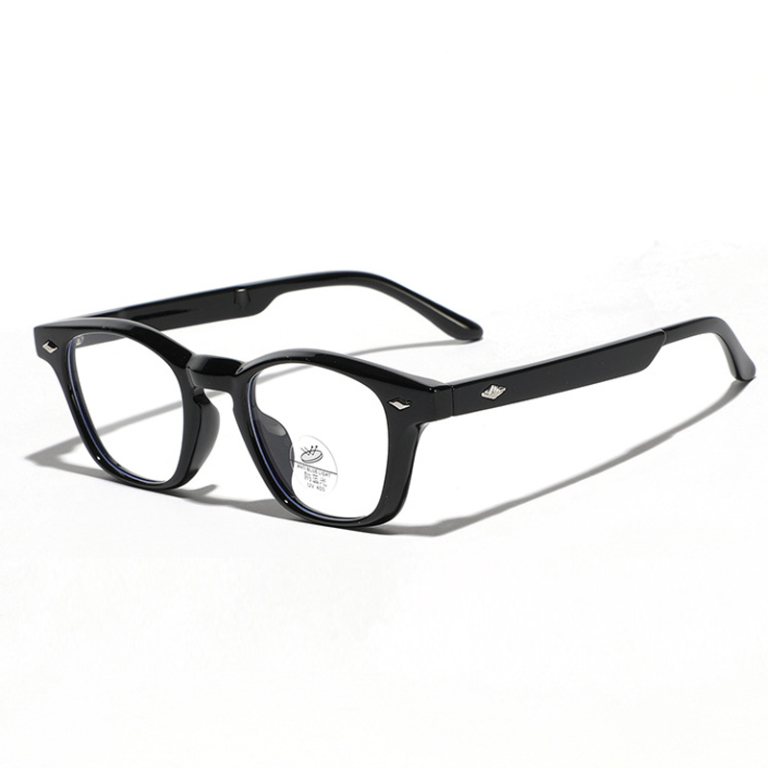
A New Era for Vision Correction
In a world increasingly reliant on digital screens, the demand for optical glasses frames is more pronounced than ever. Recent research indicates that nearly 2.7 billion people globally need vision correction. This begs the question: how are optical frames adapting to needs that span various lifestyles and age groups? The current market for optical frames for sale showcases numerous options, yet many frames still fail to meet the comfort and functionality required for prolonged use in today’s fast-paced environment.
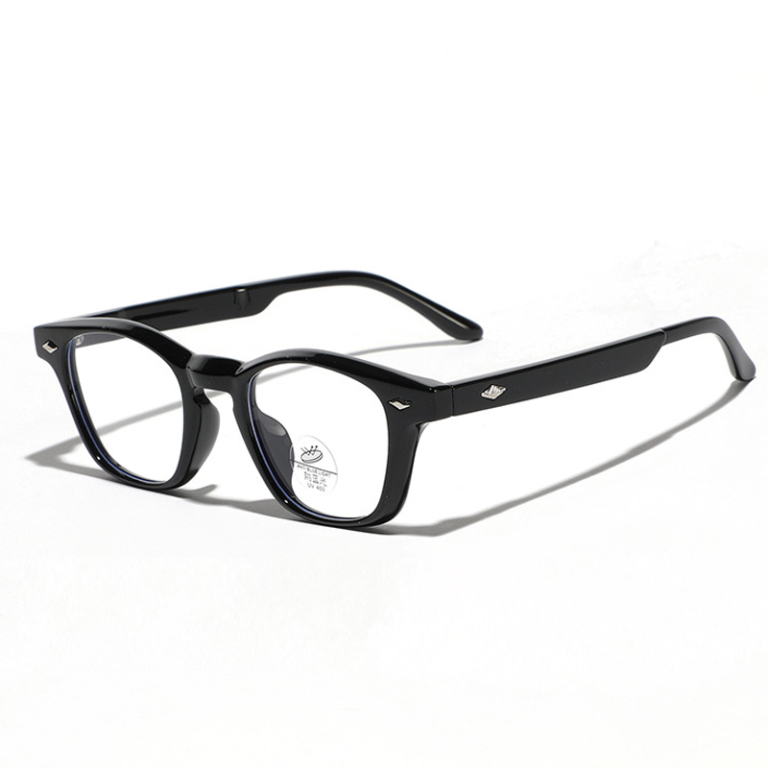
Addressing Traditional Shortcomings
As I have seen in over 15 years of experience within the eyewear industry, many traditional optical frames suffer from fundamental flaws. A significant issue is their lack of adaptability; many customers find that standard sizes do not accommodate diverse facial structures. I vividly recall a client who opted for a stylish pair, only to abandon them due to discomfort after a couple of hours. This leads to a crucial consideration for manufacturers: how well can they innovate while satisfying aesthetic desires alongside practical needs?
What Makes a Good Optical Frame?
When evaluating the best optical frames, consider factors like the frame material, weight, and adjustability. To encourage long-term wear, modern designs incorporate lightweight materials such as titanium or flexible plastics, enhancing comfort without sacrificing durability. The reality is that a frame must also reflect one’s personal style—after all, who wants to wear something that feels like a burden?

Looking Ahead: What’s Next for Optical Frames?
As we peer into the future, emerging trends point to significant advancements in the realm of optical frames. From smart glasses that adjust to varying light conditions to frames featuring built-in health monitors, the integration of technology into eyewear is no longer a distant fantasy. I have seen concepts in prototypes that promise to provide users with real-time data about their eye health—this could be the revolution we’ve been waiting for.
Furthermore, as sustainability becomes a paramount concern, manufacturers are shifting towards eco-friendly materials, reducing waste, and producing frames that appeal to the environmentally conscious. In this context, finding the right pair of optical frames for sale will require buyers to consider not only aesthetics and comfort but also their environmental impact.
Real-world Impact
The decisions made today will set the stage for an industry that is more responsive and user-centric. I believe it’s paramount that both manufacturers and consumers take time to evaluate the implications of their choices. Will a higher price point justify innovations that lead to enhanced well-being? It’s plausible that as consumers demand more functionality, manufacturers will respond accordingly.
Embracing Change: Key Takeaways
In conclusion, the optical glasses frame market is on the verge of a transformation, characterized by improved adaptability, greater focus on comfort, and the integration of technology. I firmly believe that these changes will not only enhance user experiences but also establish a new standard in the industry. As you explore various options, consider measurements that matter: comfort, adaptability, and environmental impact. Such metrics will guide you towards the ideal choice that meets personal needs without compromising on values.
In the end, the future of optical frames is bright, reflecting not just personal aesthetic choices, but also a collective leap towards innovation and sustainability—what an exciting time to get involved!
Explore the latest at JHEYEWEAR, where you can find frames that combine style with cutting-edge technology.