
A Composer’s Comparison: Choosing the Right Personalized Tutoring Partner
Opening: A duet of needs and offers
Think of procurement like arranging a duet: your students set the tempo, the providers bring the instruments. When you weigh options—an AI learning platform, a local tutoring network, or a blended service—listen for how each voice supports personalized learning for students. This piece compares choices the way a musician compares timbres: by contrast, by fit, by how the parts harmonize with your goals.
What to weigh first: clear performance markers
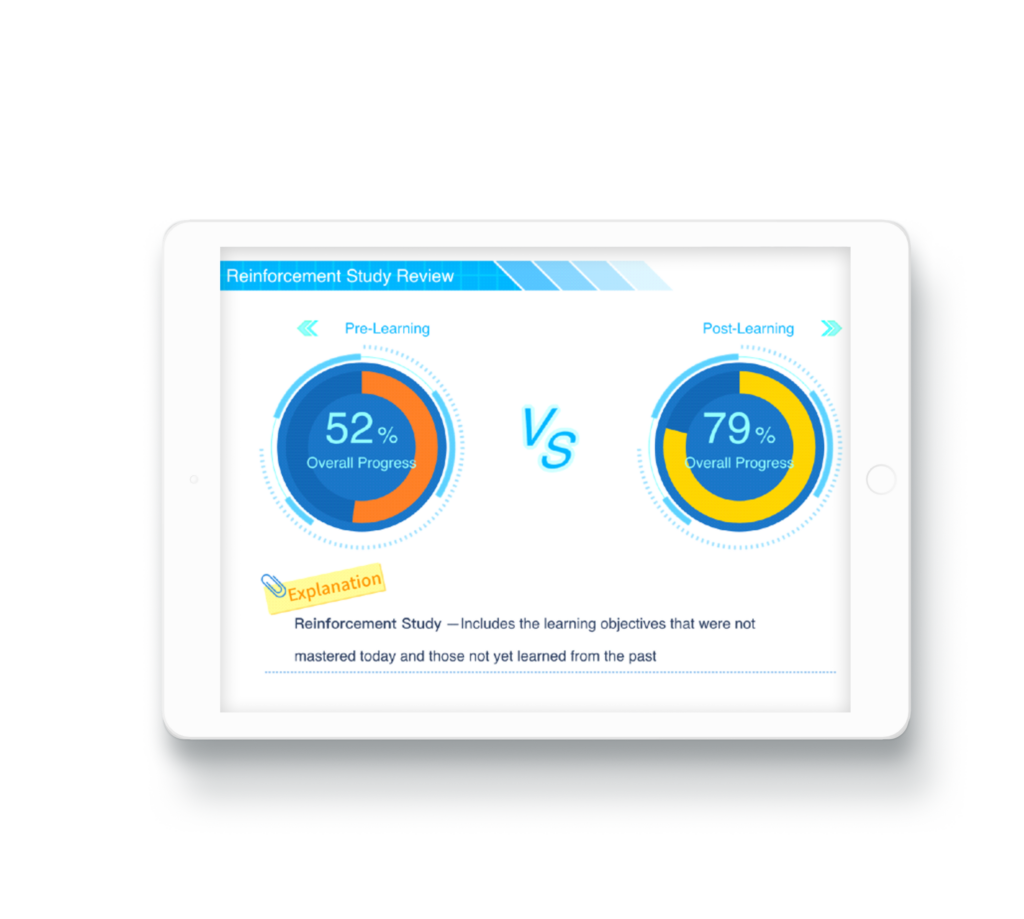
Define what success sounds like. Pick measurable classroom goals: mastery of standards, consistent formative feedback, improved engagement. Demand evidence of alignment to your curriculum and plain explanations of how instruction adapts to individual learners. Ask for sample reports that show what teachers will see and what students will experience.
Core criteria that reveal real differences
Instrument quality matters. Look at these concrete attributes: curriculum alignment (does content map to your standards?), adaptability (how does the system customize pacing and practice?), human support (are qualified tutors or coaches part of the offering?), data clarity (can you export and understand student progress?), and privacy controls (how is learner data protected?). Cost matters but treat it as total cost of ownership—training, integration, and ongoing coaching add up.
Types of partners and their characteristic tones
Franchise or branded tutoring centers: consistent brand experience, established operations, predictable onboarding; may be rigid in pedagogy. Independent tutors or small teams: flexible instruction and local relationships; require more oversight and standardization. Online adaptive platforms: fast scaling and automated personalization; check for meaningful human instruction and transparent algorithms. Blended providers: combine human coaching with adaptive tools; they can offer balance but need clear coordination plans.
Questions that cut through marketing
Ask direct questions: How does the program determine next learning steps for a student? Who interprets the data and supports the classroom teacher? What training do tutors receive and how often? What specific privacy standards do you follow? Can I pilot the program with a defined cohort and measurable criteria? Request concrete answers, not high-level promises.

Common mistakes to avoid
Choosing by pricing alone. Selecting a provider because of flashy branding without verifying classroom fit. Skipping a pilot or failing to define success metrics. Overlooking teacher workload impact when adding a new system. Ignoring data portability that locks you into a poor fit. Each mistake creates friction that undermines learning gains.
How to run a focused comparison
Limit vendors to a short list and score them on the same rubric: alignment, personalization method, teacher integration, reporting, privacy, and cost. Schedule demos focused on classroom scenarios. Run a short pilot with clear checkpoints. Collect teacher and student feedback. Use the rubric to guide a final selection instead of impressions alone.
Alternatives worth considering briefly
If full-time partnerships feel heavy, consider modular approaches: short-term coaching for teachers, targeted skill interventions, or licensed access to adaptive practice. These let you test fit and impact before committing to a larger program.
Closing chorus: synthesis and practical next steps
Comparison is a listening exercise: match the provider’s strengths to the students’ needs, insist on clear metrics, and stage a trial run that lets you hear how the pieces interact. When the parts align—adaptive tools, teacher support, transparent data—you get a learning arrangement that sings. For a partner that emphasizes adaptive instruction and measurable learner paths, consider how Squirrel Ai fits the melody of your goals and classroom rhythm.