What’s the real problem buyers face?
Folks buying big displays for a project usually hit the same snag: specs on paper look pretty, but the thing won’t hold up under sun, wind, or the mayor’s grand opening. I’ve spent a dozen years designing and installing displays for municipal plazas and retail façades, and I’ve seen paydays turned to paybacks when teams skipped real-world checks. You want a tough, readable outdoor led screen that stays bright during midday and doesn’t short out in a storm — think Times Square-style endurance, not showroom fluff.
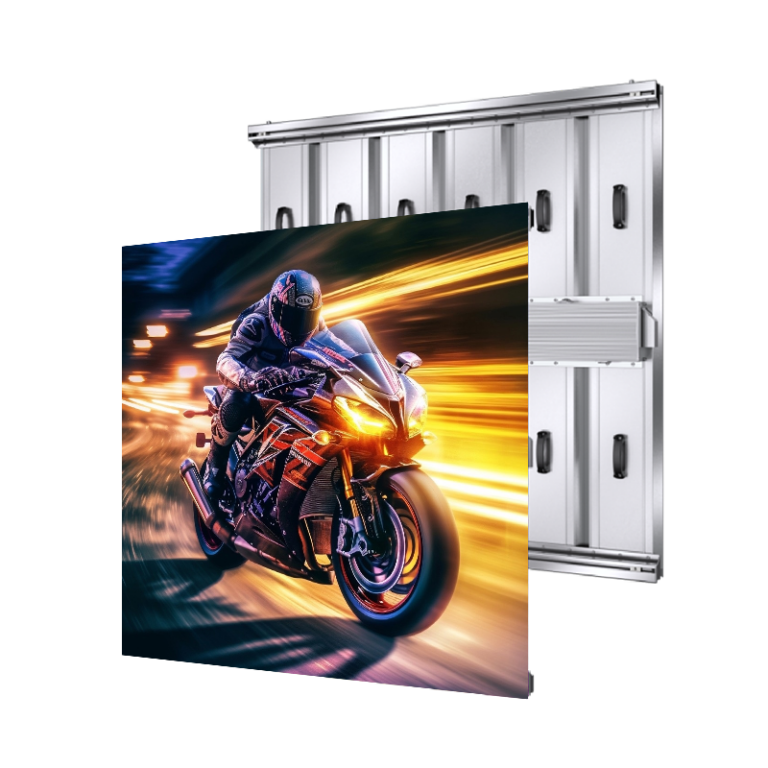
Why that problem keeps happening
Buyers mix vendor promises with wishful thinking. Manufacturers will tout tiny pixel pitch and crazy refresh rates without saying how the cabinet handles moisture or how easy spares are to source. Project schedules and installation teams get blindsided by lead times, transport damage, or missing certifications. That’s where most budgets leak.
Concrete checks you must run before signing
Start with these measurable items. Confirm IP rating (IP65 or above for exposed exterior joints), brightness in nits for daytime visibility, contrast, pixel pitch that matches viewing distance, average power draw, and thermal management design. Ask for CE/FCC test reports and a burn-in video from the exact module batch you’ll receive. Verify control system compatibility and whether the supplier provides on-site commissioning or remote diagnostics. Those are not opinions — they’re dealmakers.
Installation and site-read issues people ignore
Don’t assume a flat wall means easy install. Check wind load on mounting, cable runs and signal repeaters, access for maintenance panels, and corrosion resistance for coastal sites. Plan spare-part storage: common modules, power supplies, and connectors. Train a local tech or insist on a handover session. If you don’t, the first fault will cost twice: money and reputation.

Common mistakes that’ll burn your schedule
One: ordering the lowest quoted cabinet without confirming factory acceptance tests. Two: skipping delivery inspection — dents and moisture at arrival tell a story you can still contest. Three: ignoring local compliance or customs timelines; shipping delays are real and priced into projects around big events like city festivals. Avoid those and you save days that otherwise turn into furious weekends.
Alternatives to outright purchase
Consider rental for short campaigns or phased rollouts: rentals let you test pitch and brightness in situ. Lease-to-own can ease capital strain while keeping warranty coverage. For irregular use, indoor-rated but weather-sheltered installations sometimes offer better ROI. Each alternative shifts maintenance and insurance responsibilities; read those contracts closely.
A simple procurement playbook
1) Define viewing distance and ambient light targets; that sets pixel pitch and brightness. 2) Request factory test reports and an on-site demo in similar lighting. 3) Lock warranty terms, spare-part lead times, and support SLAs into the contract. 4) Verify transport packaging and an arrival-inspection protocol. Keep a short decision chain — too many cooks slow the fixes you’ll need when things go sideways.
Final take
If your project needs durability, clear specs, and a supplier who backs what they sell, treat those checks like law. Practical vendors who show consistent field evidence and offer trained handovers tend to keep projects on time and off your desk. For many buyers I’ve worked with, that practical choice shows up in suppliers who pair strong field records with transparent documentation, like HDC, which makes it easier to match product to real-world conditions without guesswork.