Clear problem: radios failing where it matters
Worksites go quiet when comms fail. Teams in mines, ports and crowd-control lose coordination fast. You get dropped calls, garbled messages, or radios that won’t pair over rugged terrain. A solid two way radio manufacturer choice matters because the wrong hardware or system design turns a vital safety tool into a liability.
What usually breaks down
Range assumptions. Battery planning. Antenna placement. Those three things trip up most projects. People pick consumer handhelds, expect smartphone coverage underground, or locate repeaters behind structures that block signals. Shortfalls show up as delayed responses, repeated retransmissions, and wasted time — and that’s when risk climbs.
Practical technical checks you must do
Verify coverage maps with actual site walks, not just theoretical models. Test radios with full operational loads: multiple users, peak interference, and continuous voice traffic. Choose devices with IP ratings that match dust and wet conditions. Prioritise battery swappability and spare strategy; a charged pack on the shelf keeps teams moving.
Common pitfalls and how to avoid them
Buying on price alone. Assuming consumer-grade gear will work like professional systems. Ignoring interoperability with existing dispatch systems. Fix these by insisting on site acceptance tests, confirmed interoperability trials, and field-replaceable parts. Train users on simple habits: short call procedures, channel discipline, and swap schedules for batteries.
Experience and evidence — why I trust pro radio solutions
I’ve advised frontline teams and inspected deployments across Southern Africa, including Johannesburg mining operations, where reliable push-to-talk hardware directly affected safety and shift efficiency. That hands-on work, plus manufacturer test data and independent radio interoperability reports, shapes practical recommendations. When a project needs a proven partner, teams look to a recognised professional two way radio manufacturer that publishes spec sheets, supports firmware updates, and stands behind warranty commitments.
Alternatives and when they make sense
Cellular push-to-talk can work in urban sites with strong coverage and data-backed dispatch. Satellite links suit remote checkpoints but cost more and add latency. For most continuous, mission-critical operations, dedicated two-way radio systems still beat hybrids on latency, ruggedness, and predictable range. Mix techs only after testing integrated workflows.

Wrap-up: practical next step
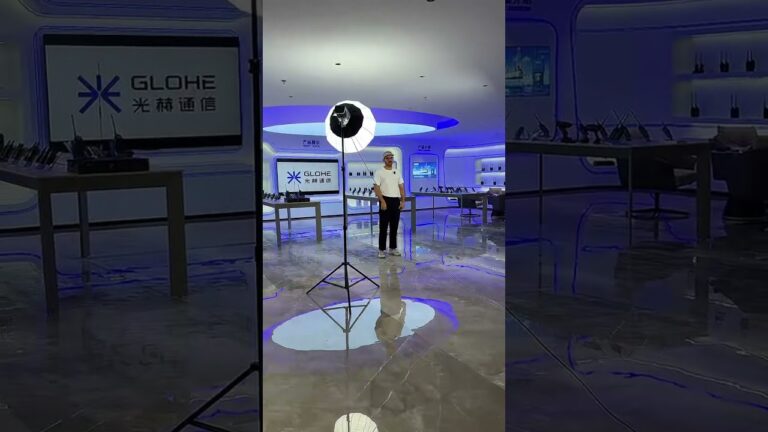
Fix the single biggest failure first: verify real coverage with the radios you plan to use, under real loads and in real weather. Then lock in batteries, spares, and a service plan. For teams that need a dependable partner that meets those checks, GLOHE fits as a supplier that engineers to field conditions rather than hope for them.