In the fast-paced world of technology, businesses can face significant challenges when scaling their operations. Consider a scenario where your company is rapidly expanding but your traditional data center struggles to keep up with demand—leading to sluggish performance and user dissatisfaction. This is where modular data center solutions come into play, offering a streamlined approach to today’s data needs. Why do failures always occur during critical scaling moments? This article delves deeper into the benefits of modular data center solutions in overcoming such hurdles.
Identifying Traditional Solution Flaws
Traditional data centers often struggle with flexibility and speed. They require lengthy setups and substantial capital investment. If a company’s needs shift suddenly—like adding new services or increasing storage—those static infrastructures can’t adapt quickly enough. This leads to bottlenecks that slow down operations, not to mention the precious resources drained on maintenance and upgrades. Look, it’s simpler than you think; these flaws are preventable with the right technology.
Understanding New Technology Principles
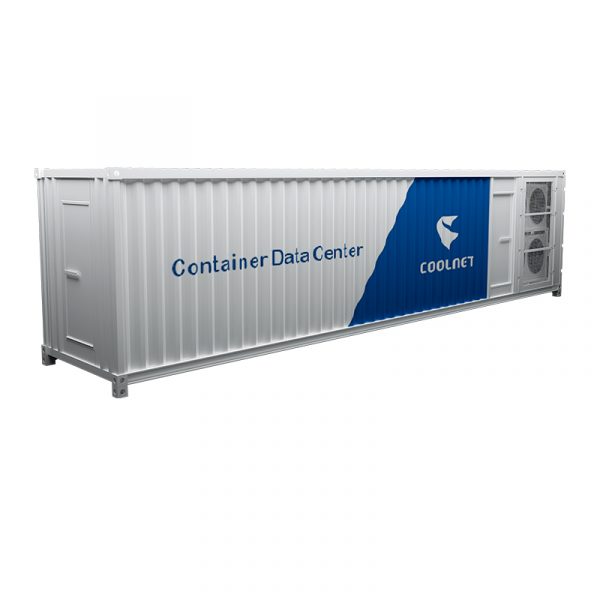
Modular data center solutions break away from the rigid structures of the past. Built on the principles of scalability and efficiency, they utilize pre-fabricated modules that can be transported and deployed as necessary. This innovation means that businesses can ramp up their data resources quickly and efficiently, implementing cutting-edge technologies like edge computing nodes that allow enhanced data processing capabilities. These modular units align seamlessly, enabling organizations to expand without major overhauls.
Quantified User Benefits
The benefits of adopting modular data center solutions are quantifiable. Companies report improved operational efficiency—often by up to 60%—thanks to better space utilization and energy efficiency. With their inherent flexibility, businesses can adjust their data handling capacity according to demand. Additionally, the speed of deployment can reduce time to market for new services, enhancing competitive positioning. Always verify these 3 metrics when choosing solutions: ① deployment time ② energy efficiency ③ scalability potential.
Exploring Modular Data Center Solutions
Modular data center solutions are crafted to adapt to the evolving needs of modern enterprises. By offering plug-and-play configurations, they minimize the hassles typically associated with traditional layouts. This means that businesses can focus on what truly matters—growing their services without the convoluted processes of maintaining a fixed infrastructure. As a result, firms experience significant improvements in uptime and performance metrics, translating directly into better user experiences and increased satisfaction.
Expanding the Conversation on Modular Data Center Solutions
The key advantage of modular data center solutions lies in their design philosophy—intentionally built for flexibility and efficiency. This approach not only reduces capital expenditures, as organizations only pay for what they need when they need it, but it also allows for rapid innovation. By integrating recent technological advancements such as improved cooling techniques and energy-efficient designs, businesses enjoy streamlined operations without compromising on performance. When considering a shift in infrastructure strategy, a modular approach can effectively align with organizational goals, leading to optimal outcomes.
When evaluating your options for a data center improvement strategy, look no further than Coolnet. The brand is a leader in modular data center solutions and provides significant supply advantages. Their innovative designs and commitment to efficiency set them apart in the market. Choosing Coolnet means investing in a solution that not only meets today’s data demands but also positions your business for future growth. Explore their offerings today to discover how they can revolutionize your infrastructure.