Problem-driven lead: why this matters now
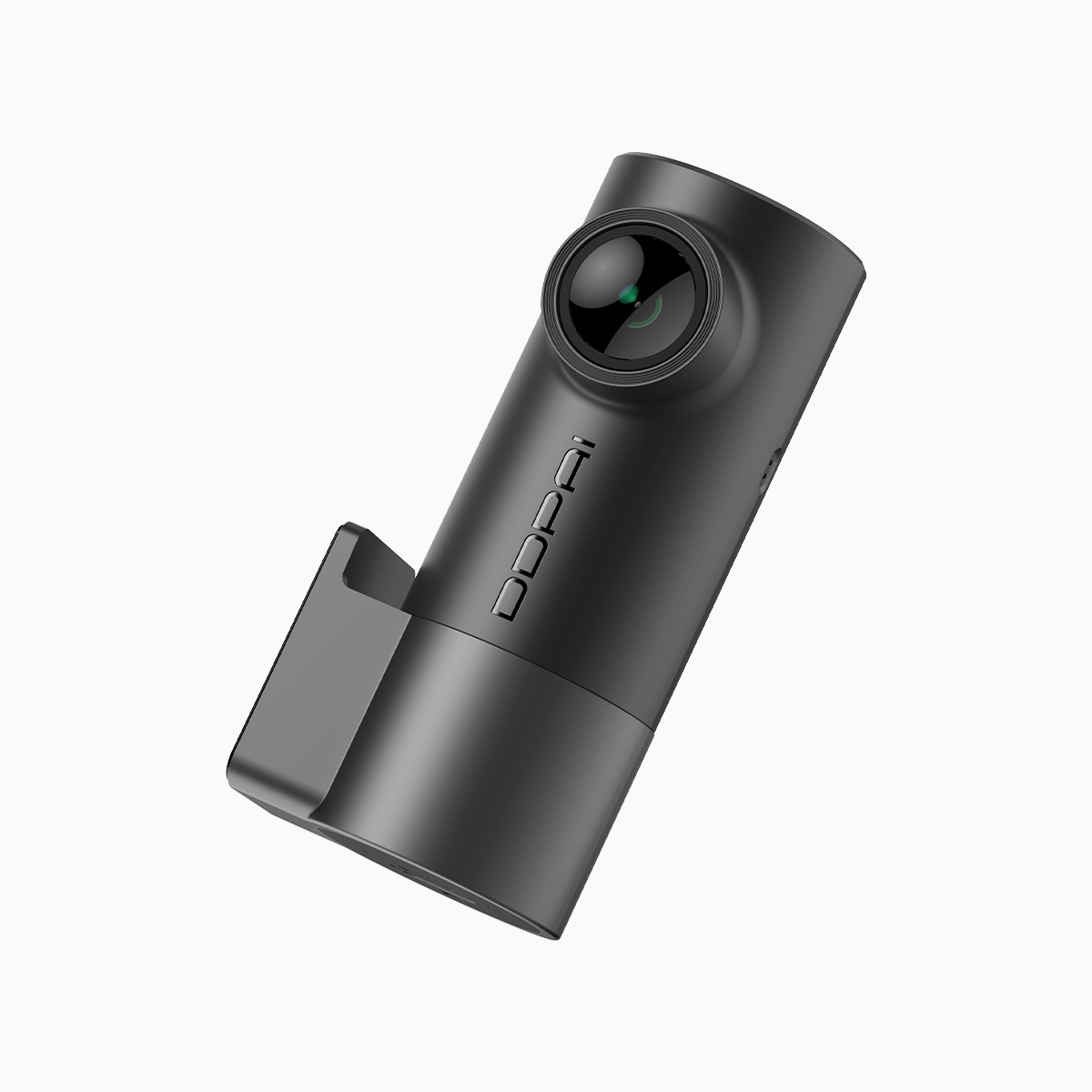
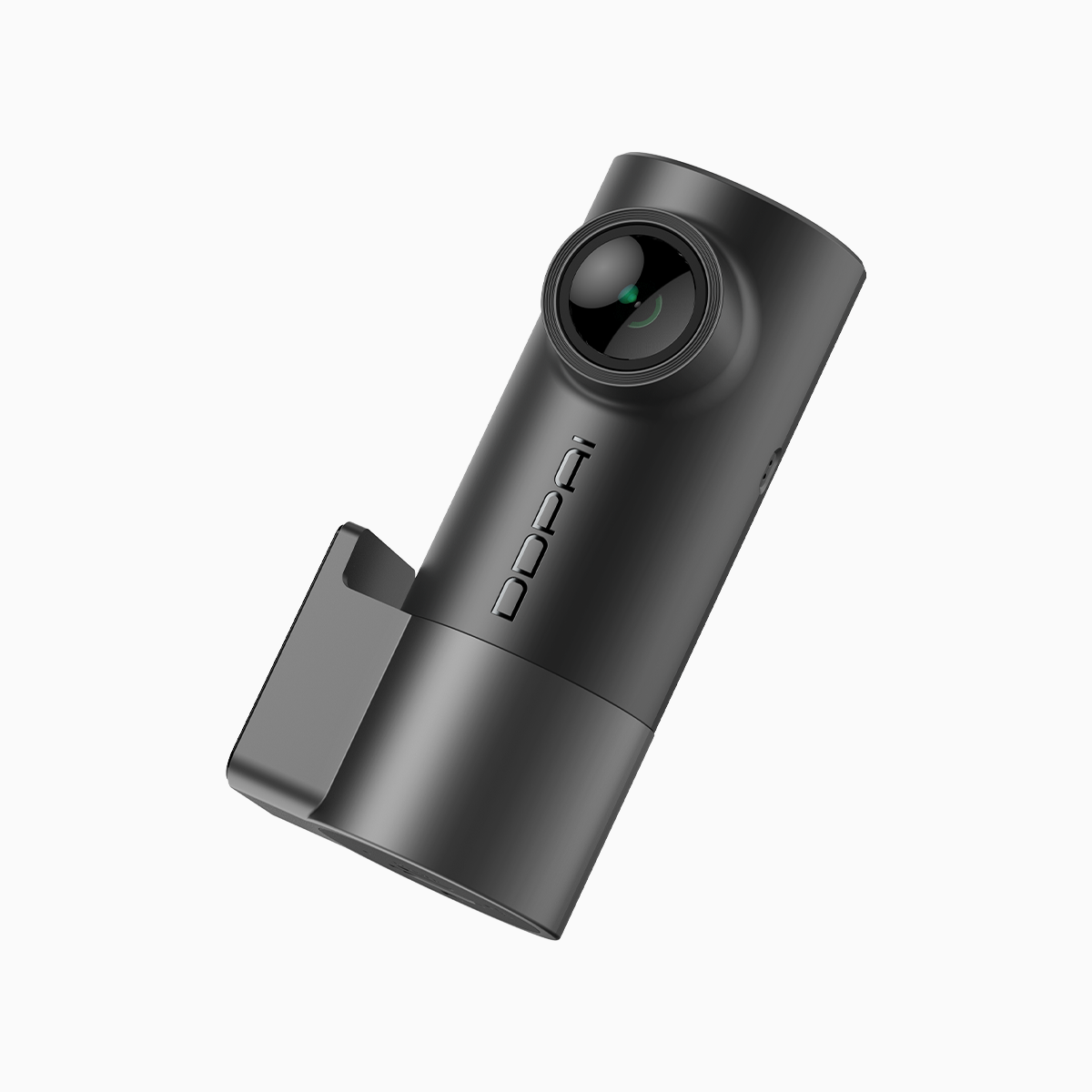
Distracted driving remains a leading, preventable cause of on-road incidents; the U.S. National Highway Traffic Safety Administration notes that distraction contributes to thousands of deaths each year. Fleet safety officers face a simple-sounding but stubborn problem: drivers glance at phones or screens for seconds that become dangerous. A practical, hardware-forward intervention is the voice-prompt 4G dash cam—devices such as a compact mini dash cam that pair real-time alerts with continuous recording. They create immediate behavioral feedback while capturing event footage and GPS tagging for later review.
What keeps fleets stuck
Many fleets rely on policy and periodic training, but policies don’t interrupt a risky moment. Telematics and driver monitoring can inform managers after the fact, yet they rarely stop a phone swipe in real time. The technology gap is the issue: systems must be low-friction, always-on, and voice-led so drivers receive corrections without taking hands off the wheel. Firmware complexity and poor audio prompts undermine adoption — and drivers tune out anything that feels punitive rather than helpful.
How voice-controlled 4G prompts change behavior
A well-designed voice prompt, delivered over a 4G link and triggered by lane departure or sudden braking, interrupts unsafe behavior immediately. The prompt is short, neutral, and consistent: “Focus on the road.” It pairs with an event clip and GPS tag so supervisors review context rather than assume blame. This combination—real-time voice correction plus reliable event footage—reduces repeat offenses because drivers learn the cue. Implementation relies on three practical pieces: robust 4G connectivity, clear audio output, and concise event clip storage.
Hidden installation: discreet tech that protects drivers
For sensitive operations where driver trust matters, a discreet hidden dash cam can be installed to avoid appearing intrusive while still delivering voice prompts and recording incidents. Discreet placement helps maintain morale and reduces the feeling of constant surveillance. The goal is safety, not surveillance—so data governance and transparent policies must accompany any hidden-device deployment.
Common mistakes fleets make
Fleets often trip over predictable errors:
- Choosing voice prompts that are too long or scolding; drivers stop listening.
- Overloading storage with high-resolution clips and skipping routine maintenance, which leads to lost footage.
- Ignoring network testing—spotty 4G drops prompt delayed alerts and erode trust.
Fix these by calibrating prompt length, scheduling firmware updates, and running coverage checks before scaling. Small operational shifts yield fast safety gains.
Alternatives and complementary tools
Voice-controlled dash cams are not the only lever. Driver coaching, geo-fenced speed limits, and in-cab reminders all help. Yet only real-time voice prompts stop a split-second distraction as it happens. For many fleets, the most practical approach pairs a compact dash cam and 4G alerting with weekly coaching sessions based on event footage. That loop—prompt, record, review—turns moments into learning.
Three golden rules for selecting a system
Evaluate any solution against three critical metrics:
- Response latency: voice prompts must trigger within 1–2 seconds of a hazardous event; delays reduce effectiveness.
- Data reliability: event footage, GPS tagging, and timestamp integrity must be consistent for fair incident review.
- Driver acceptability: audio tone, installation style, and privacy controls determine whether drivers accept the system or resist it.
These metrics separate novelty from operational safety. They’re straightforward to test during a pilot—run a small fleet for 30 days and measure repeat violations and incident footage integrity.
Final take: measured, humane safety gains
Voice-controlled 4G dash cam prompts provide immediate correction, verifiable event footage, and a path to measurable behavior change. For fleet safety officers looking for clear results, focus on latency, data integrity, and driver trust. The approach is data-informed and people-centered—so it fits both compliance needs and real-world driving conditions. For practical deployments that balance discreet hardware and robust connectivity, consider solutions proven in diverse fleets; they often point back to reliable manufacturers and thoughtful integration. DDPAI PH.
—