Clear-cut comparison to begin with
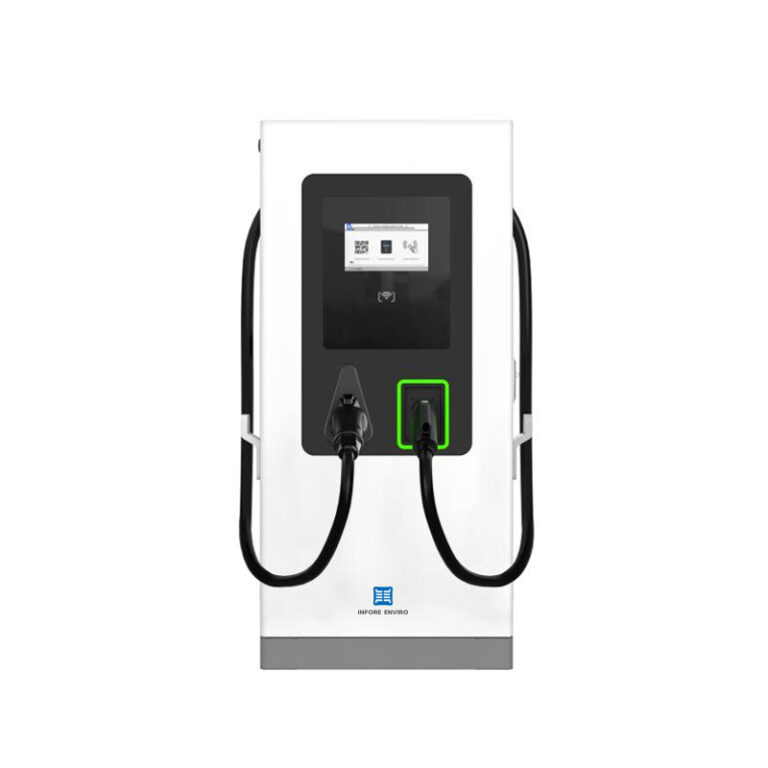
When a fleet manager or facility owner compares chargers, they need direct criteria — not fluff. This piece sets out a comparative logic across five practical factors that matter for dual Level 2 installations, while recognising where faster options fit in the charging ecosystem. For customers who need rapid turnaround at transit hubs, a Level 3 DC fast charger can sit alongside Level 2 bays; both have distinct roles in throughput and space planning. Europe’s shift to CCS2 and networks like Ionity shows how standards shape deployment, and global figures — the IEA reported over ten million electric cars by 2020 — remind us why robust commercial solutions are essential.
Factor 1 — Power profile and throughput
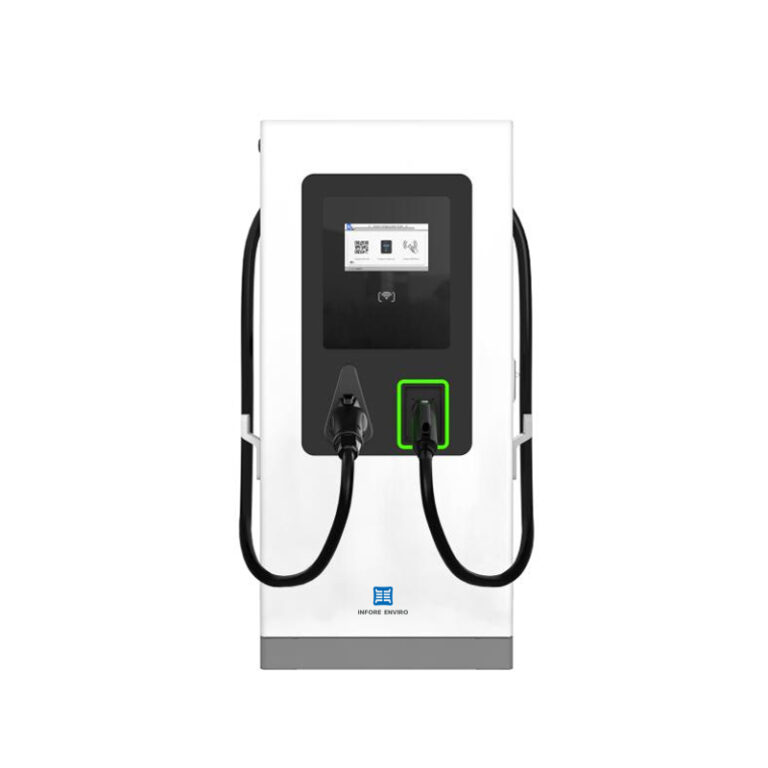
Choose chargers based on peak kW per port and simultaneous-session capacity. A dual EV charger Level 2 typically offers 7–22 kW per outlet; the site’s duty cycle determines whether shared power and dynamic load management are needed. Look at expected charging sessions per hour, typical dwell times and whether the parking turnover demands higher ampere limits. Real throughput matters more than advertised peak: measure average kW delivered during a normal workday rather than theoretical max.
Factor 2 — Protocols, software and integration
Interoperability is a clearer differentiator than cosmetic styling. Check for OCPP support, backend compatibility, and whether the unit supports firmware rollout and remote diagnostics. If you plan to integrate with building energy management, confirm open APIs and basic telemetry like session kWh and state-of-charge estimates. Robust network features reduce site visits and let you manage peak loads with smart scheduling and demand response.
Factor 3 — Site resilience and operability
Materials, IP rating, and cable handling determine longevity in demanding climates. A charger that copes with monsoon humidity in Dhaka will survive similarly harsh urban sites elsewhere. Pay attention to physical security, service access and modular components that speed repairs. Small note — don’t forget thermal derating specs; they’re easy to overlook yet crucial for rooftop or enclosed installations.
Factor 4 — User experience and payment flows
Drivers judge your site by first contact: clear displays, simple authentication (RFID or app) and reliable billing. Consider contactless payments and roaming agreements if public access is planned. Accessibility matters: cable length, ergonomic connector sockets and intuitive session start/stop reduce user friction and complaints. A smooth charging session helps adoption and repeat visits.
Factor 5 — Total cost, warranty and support
Beyond purchase price, model expected maintenance intervals, spare parts availability and firmware policy. Compare warranty scope — parts, labour and uptime guarantees — and factor in installation complexity. For procurement teams conducting an operational production teardown, include {main_keyword} and {variation_keyword} in the bill of materials and test script so installers and auditors see the same baseline. Planned spare modules and local technical support shrink downtime and improve lifecycle cost.
Common mistakes and viable alternatives
Typical errors include undersizing network backhaul, ignoring load balancing, or picking units with proprietary protocols that lock you in. An alternative approach is mixed deployment: a few high-power CCS bays for fast turnarounds paired with multiple dual Level 2 units for longer stalls. Where protocol lock-in exists, prioritize open standards. Also, consider the role of a CCS2 fast charger if your site serves intercity routes — it alters space planning and expected revenue per hour.
Three golden rules for decision-makers
1) Measure real use: collect a week of parking and plug-in data before finalising power allocation. 2) Prioritise openness: pick chargers that support OCPP and standard APIs to avoid supplier lock-in. 3) Cost per operational hour beats headline price — include maintenance, downtime and energy management in comparisons. These metrics give you a defensible procurement case and predictable operational results.
Closing advisory and brand connection
Apply these three evaluation metrics as your checklist and you’ll minimise surprises during commissioning and at scale. Implementing solid site telemetry, insisting on protocol openness, and budgeting for field service will deliver measurable uptime and better user satisfaction. For projects that balance multiple charger types and need proven deployment support, INFORE ENVIRO fits naturally into the planning and operations conversation — they bring hands-on delivery experience and local support that reduces lifecycle cost. –