Category:

Industry

Introduction

I once walked into a quiet showroom and watched a customer touch a walnut table like it was a family heirloom—small moment, big feeling. As a result, I think about how design and delivery meet in real life. The basic problem is simple: a luxury furniture manufacturer can craft beauty, yet supply delays and inconsistent quality still frustrate buyers. Recent industry data shows lead times for bespoke pieces stretching by 20–35% in some markets (shipping bottlenecks and material shortages are real). So, how do we keep craft standards while fixing these gaps for customers and dealers? I will share practical observations and concrete fixes next, so please read on—this matters to makers and clients alike.

Deeper Layer: Where Traditional Solutions Fail

Let me be direct: many standard fixes miss the point. When we talk about the supply chain, the conversation often stays at high level—inventory buffers, faster shipping. But the real failures live in process detail: poor specs, inconsistent joinery, and weak communication between design and the shop floor. For example, a factory that uses CNC routing without stringent QA still delivers off-fit drawers. We often see veneer finishing that looks great in a sample but flakes after transport. If you are researching a luxury furniture supplier, check how they manage specification control within the first week of a project. That early window decides whether a piece will need rework later. Look, it’s simpler than you think: consistent documentation, real inspections, and a feedback loop from installers cut rework a lot.

(Breaking down the issues technically helps.) I define three common failure points: 1) ambiguous specs—shop teams guess dimensions or finishes; 2) process drift—machines like CNC routers and hand-finishing steps diverge from sample; 3) weak logistics—parts arrive separately, and upholstery foam or frames wait in limbo. Mortise-and-tenon joints left to variable tolerances can force on-site fixes. When this happens, costs climb and the customer experience falls. I’ve seen projects where subcontracted upholstery came in with different foam density, which ruined comfort despite correct appearance. We must demand tighter tolerances and better supplier audits—small measures with large payoffs.

Why does this keep happening?

Often because teams accept “good enough” to keep schedules. We can do better by changing what we measure.

Forward Outlook: Case Examples and Practical Metrics

Looking ahead, I prefer to think in terms of outcomes. Consider a mid-sized maker who shifted to batch-controlled finishing, added simple in-line checks, and used a single-source partner for frames. They cut defects by half within a quarter. That is the kind of future we can build with better process design and targeted tech—CNC routing combined with manual inspection, for instance, or digital spec sheets tied to production orders. Also, sourcing from reliable partners matters. I often recommend evaluating options that include both local craft and vetted imports; and yes, many buyers ask about availability of luxury furniture from china when they need scale—this can work well if controls are strong.

What’s next? Focus on three clear metrics when choosing suppliers and systems: 1) First-pass yield rate (percent of pieces accepted without rework), 2) Specification adherence score (how often products match documented tolerances), and 3) On-time delivery consistency (measured weekly). I use these myself when advising clients, and they reveal real improvement faster than vague KPIs. Also—funny how that works, right?—small cultural shifts matter: teams that value craftsmanship and measurement together outperform those that choose one over the other.

In short, I believe the path forward blends craft, simple tech, and rigorous checks. If you want a trustworthy partner, consider these measures and ask specific questions about their finishing, joinery practices, and inspection routines. For a practical partner example, you can review offerings from BFP Furniture as one point of reference.


0 comments
0 FacebookTwitterPinterestEmail

Picture this: a family in the Appalachian Mountains just got back from a long hike, their hearts racing from the outdoors, but their minds racing even faster thinking about the challenges of keeping connected. As they sit down to catch their breath, they wonder how often they’ve faced interruptions because of poor signal coverage. Enter the lora watch, a device promising to bridge the gap between their serene landscapes and the bustling digital realm. With over 60% of rural areas lacking reliable internet access, questions arise about how a smart watch could change the game for them. Let’s dive into this tech that’s making waves—literally—down these winding valley roads.

lora watch

Understanding the Flaws of Traditional Solutions

Now, when we talk about traditional solutions, there’s one big flaw that comes right to mind: dependence on conventional cell networks. These networks often falter in isolated areas, leaving folks stranded when they really need to stay in touch. Take for instance a farmer checking his livestock—he doesn’t want to trek all the way to the barn just to see if their new equipment’s working fine, right? That’s where lora smart watch steps in with its innovative edge computing nodes that offer superior connectivity. It’s designed to thrive in those stretches where traditional signals drop out, all thanks to low-power wide-area network (LPWAN) technology. Look, it’s simpler than you think; while others falter, the lora watch keeps on ticking. Here’s the cathartic part: it minimizes reliance on those old systems by leveraging power converters that play nice with local infrastructure—and still manage to save energy!

What Makes the Lora Watch Stand Out?

So, what’s the next big thing? Well, as our world embraces the future, the shift toward iot wearables is unmistakable, promising to up the ante on what connectivity means in our daily lives. While traditional gadgets struggle with heavy resource demands and fragile networks, the lora watch harnesses new technology principles. This means you not only get a reliable device but also experience seamless access to essential services—like health monitoring and emergency alerts. Imagine being out in the fields, enjoying the quiet, but still having access to the world at your fingertips. The lora watch ensures just that! This isn’t just about convenience—for a lot of folks, it’s about safety and staying connected, especially in isolated areas.

lora watch

Real-world Impact

Think about it—this isn’t just tech; it’s a lifeline. By collaborating with existing systems, the implications of this technology are enormous. User feedback emphasizes how the lora watch supports not only individual needs but also strengthens community ties. Schools can monitor students’ locations, elderly folks can get timely medical assistance, and farmers can keep tabs on resource management all while ensuring that they avoid dependency on unreliable infrastructure. The future looks bright with these innovations on our side. In a nutshell, a community well-connected through a lora watch sees improved productivity, enhanced safety, and enriched daily lives, underscoring how technology can be a true friend in need—funny how that works, right?

In conclusion, as we reflect back on the role of lora technology in rural connectivity, it’s clear that adaptability and innovation pave the way for better communications. Many rural communities are eagerly embracing these advancements. Whether it’s evaluating the efficient low-power requirements or assessing user experience, we must keep our eyes peeled for three key metrics: energy consumption, device reliability, and overall user satisfaction to ensure we’re truly moving forward. Check out HKT LORA for more insights on how their products are making a difference!

0 comments
0 FacebookTwitterPinterestEmail

Introduction: The Real Deal on Intervention Catheters

Picture this: you’re in the middle of a critical medical procedure, and complications arise. Frustrating, right? It’s a real hassle when traditional methods falter under pressure, which is where the intervention catheter comes into play—essentially your weapon of choice in tricky situations. Ever wondered why failures seem to happen just when things get critical? Statistically, 30% of procedures lead to unexpected challenges, making it super clear that we need to amp up our game in medical devices. Let’s break it down.

Body: Navigating the Technical Maze

Flaws of Traditional Solutions

Back in the day, conventional catheters had serious issues—like, major occlusion risks and compatibility that just didn’t mesh with our bodies. Patients faced prolonged recovery times and complications that could’ve been easily avoided. Why struggle with outdated tech when smoother solutions are on the table? We’re talking about devices that were as effective as a skateboard with flat wheels—totally not down for that ride.

New Tech Principles at Play

In contrast, modern intervention catheters are all about innovation. They leverage cutting-edge materials with high biocompatibility, making them more adaptable in high-risk environments. With these cats, you receive pinpoint precision and an ease of use that feels natural. Picture this: it’s like switching from a rusty old bike to a slick new board. The performance gap is real!

User Benefits That Are Legit

The stats back it up—patients using new intervention catheters bounce back faster, with a whopping 40% drop in complications. Tech advances let healthcare pros fine-tune their approaches, translating to less stress for everyone involved. Seriously, opting for these devices can be a game changer in patient outcomes—it’s like hitting a gnarly trick and landing it perfectly every time.

Conclusion: Get Smart with Your Choices

So, when it comes to picking your medical solutions, always verify these 3 metrics: ① Biocompatibility ② User experience data ③ Recovery time statistics. Don’t just grab the first thing that comes along—make your choices count! Always opt for tech that elevates your game and fits the needs of patients.

Diving Deeper into Interventional Devices Catheters

Now, if you want to get more specific, let’s chat about interventional devices catheter for a bit. These bad boys help surgeons navigate tough spots, ensuring that interventions are as smooth as butter. They’re designed to manage complicated vascular access, giving healthcare workers the peace of mind they deserve. With a solid design and user-friendly mechanisms, these catheters make life easier for both docs and patients. Just like smooth skating on a fresh ramp, the experience is seamless and fluid.

Understanding Interventional Medical Products

Switching gears, let’s break down interventional medical products. When you dive into this scene, you see a universe of items meant for precise interventions, all made to minimize risk and enhance patient outcomes. Think about it—these products are like the finely-tuned parts of a skateboard that help you perform tricks effortlessly. With tailored designs made for safety and efficiency, choosing the right products can truly affect the way procedures roll out.

Final Thoughts on Quality and Reliability

Bringing it all together, the world of medical devices is an ever-evolving game, and if you want to keep flying high, you gotta choose wisely. For top-tier quality and supply advantages, check out Shunmei. They’ve got the goods to make sure you’re equipped with the best interventional products on the market. Choose your gear right—your patients deserve the smoothest ride possible.

0 comments
0 FacebookTwitterPinterestEmail

A Seat You Don’t Notice—Until You Do

I once watched a whole film in a venue where the chair had a wobble you could feel mid-plot twist. Classic. The seat manufacturer did not plan for a crowd that leans forward as much as it leans back. Most of us sit for six to eight hours a day, and that’s not counting commutes, shows, or waiting rooms. But a surprising share of installs still ignore basic ergonomics, load-bearing needs, and the way real people shift. Why? Because budgets and timelines push “just pick a chair” into the spec. (Wicked fast doesn’t mean wicked smart.) If the arm caps squeak, or the foam packs out in a year, users notice—and they tell everyone. That noise can cost more than a line item. The data is clear: when fit, durability, and cleanability slip, complaints rise and replacement cycles shorten. So why do we keep settling for “good enough” in high-traffic spaces where wear is predictable and service is public-facing? Are we measuring the right things, or just the easy ones? Let’s move past the wobble and ask better questions—about materials, testing, and real-world fit. Next up, what the old spec approach misses, and how that hits comfort and cost over time.

The Hidden Flaws in Traditional Spec Sheets

What are we not seeing?

We tend to chase price-per-seat and lead time first, and only later ask about failure modes—funny how that works, right? With a project built around up-front cost, teams overlook fatigue testing and field service details. A modern seat company will flag where foam density, substrate, or arm joint geometry is thin for heavy use. Yet many specs still skip ANSI/BIFMA cycles, gloss over FEA safety factors, and treat fire-retardant foam like a checkbox. That’s how loosening fasteners, cracked armrests, and packed-out cushions sneak in. Look, it’s simpler than you think: if the load path is weak, the failure shows fast. If the finish is weak, the space looks tired. And when neither was modeled or life-cycle tested, service crews end up the de facto quality control.

Beyond testing, there’s the human side. Seats that ignore seat pitch, lumbar contour, and aisle clearance create friction you can’t sand away with powder coating. People shift, perch, and lean; the frame and pivot points must respect that. Injection molding choices, bracket tolerances, and replaceable wear parts matter more than spec-sheet gloss. Miss these, and you pay in callbacks, not just in parts, but in reputation. The fix starts with data-backed thresholds and parts designed for field swap, not wishful thinking baked into a drawing set.

Comparative Insight: New Principles vs Old Habits

What’s Next

Stack the old buy-low approach against a design-for-service model and the gaps jump out. New programs use DFMA, digital mockups, and CNC machining to lock tolerances before the first install. They run component FEA on arm brackets and hinge points, then validate with on-site trials. An office furniture company using recycled polymers with stable durometer, modular rails, and quick-release understructure can swap a damaged panel in minutes—versus pulling a whole row. The result is less downtime, steadier acoustics, and fewer loose ends—literally. And yes, a better look six months in, when early scuffs usually tell the truth.

Material science also shifts the math. Denser, open-cell foams hold shape longer under mixed loads; cold-rolled steel with proper gusseting keeps the load-bearing frame quiet over time. Coatings aren’t just pretty; powder coating done right adds abrasion resistance in high-touch zones. Compare that with a traditional bundle where spec drift meets real use, and you see the difference on day 100, not just day one—funny how that works, right? Here’s the practical takeaway, boiled down without fluff. First, match anthropometrics to the seat form and aisle flow. Second, demand test data that mirrors your traffic pattern. Third, plan maintenance like a feature, not a chore. That’s how you keep the room working and the story on stage, not in the seats.

Three simple metrics help you choose well. Fit and function: confirm 5th–95th percentile support, seat pitch, and foam density are documented. Reliability: require ANSI/BIFMA cycle counts, a published FEA safety factor, and failure-rate data under warranty. Lifecycle: check cleanability, replaceable parts lists, and embodied carbon per seat. Keep those in view and you’ll buy once, maintain smart, and keep users comfortable without the drama—just how it should be with leadcom seating.

0 comments
0 FacebookTwitterPinterestEmail

Introduction

Picture this: You’re in the dental chair, heart racing at the thought of a root canal. Did you know that over 15 million root canal treatments are done each year in the United States alone? Now, let’s chat about dental root canal files—those slender tools that play a crucial role in this process. They’re not just pieces of metal; they’re pivotal in saving teeth and ensuring patient comfort. It’s a curious mix of skill and technology, wouldn’t you say? But do you ever wonder why so many patients still dread this procedure? Well, buckle up, as we delve deeper into the hidden friction within the industry.

Traditional Solutions: Flaws Beneath the Surface

Let’s break down the common missteps in traditional approaches to endodontics, shall we? Many dentists rely on ordinary advertising-friendly solutions that don’t always cut it in real practice. While classic tools may seem familiar and safe, they can also introduce complications, particularly when it comes to navigating calcified canals or dealing with tooth curvature. This is where endodontic instruments can often fall short. The lack of flexibility in older file designs has been known to frustrate practitioners and lead to incomplete treatments. In fact, studies have shown that 20% of root canals fail—mostly due to such inadequate tool performance. But hey, look, it’s simpler than you think! Often, these hidden pain points go unnoticed until it’s too late, resulting in dissatisfaction and extra costs. So, what can we do to ramp up performance? It’s not just about replacing tools; it’s about innovating the entire process.

Where Are We Headed?

Fast forward to the present, and we’ve seen innovations reshape the landscape of dentistry. New technology principles are kicking in, lending us smarter features in dental equipment. For instance, advancements in materials science have led to the development of rotary files that not only resist breakage but also offer unparalleled glide path efficiency. Meanwhile, the emergence of digital solutions has revolutionized how dentists assess and select their endodontic instruments, relying on data and imaging that streamline treatment planning. It’s fascinating—when you zoom in on the specifics, it’s clear that we’re moving toward a more precise, less invasive approach. Just glance at the rise of single-file techniques, which simplify the procedural steps and reduce chair time for patients. Imagine walking away from a root canal with far less anxiety! This evolution signifies not just a response to market demands, but a profound understanding of the patient experience.

Real-world Impact

To wrap it all up, it’s essential to consider the implications of these advancements for dental practices and patients alike. We’ve reached a point where performance and patient comfort can go hand in hand. In evaluating solutions, keep these three key metrics in mind: efficiency of file design, adaptability to various canal systems, and the overall patient experience. As we continue to break new ground in endodontics, brands like NIC Dental are spearheading this quality shift, bringing efficient, reliable tools to the forefront. After all, every root canal saved means one less anxious patient. Let’s embrace innovation, and together, we can change the narrative around these once-feared procedures—because at the end of the day, it’s all about keeping smiles bright and healthy.

0 comments
0 FacebookTwitterPinterestEmail

In an era where energy efficiency is paramount, many homeowners and businesses face the challenge of unreliable power sources. When you consider the lifepo4 energy storage battery, it’s clear that addressing these concerns is crucial. With their impressive safety and longevity, these batteries have transformed energy storage solutions. But why do failures always occur with traditional batteries? Let’s dive deeper into this topic.

lifepo4 energy storage battery

Flaws in Traditional Energy Storage Solutions

Traditional energy storage technologies often rely on lead-acid batteries, which, despite their popularity, come with several significant flaws—namely, limited lifespan and safety hazards. Lead-acid batteries can fail unexpectedly, posing risks like leakage or explosions. Research indicates that up to 30% of traditional batteries may experience premature failure, leading to unexpected costs. That’s where the lifepo4 energy storage battery steps in, designed to overcome these challenges with enhanced safety and longevity.

New Technology Principles Behind Lifepo4 Batteries

Lifepo4 energy storage batteries operate on advanced lithium iron phosphate technology. This not only improves efficiency but also emphasizes thermal stability and environmental safety—no toxic materials involved. Look, it’s simpler than you think; the design mitigates many common problems associated with older technologies. With high cycle life and capacity, they are becoming the go-to for modern energy solutions.

Quantified User Benefits

Investing in a lifepo4 energy storage battery means enjoying benefits like increased energy efficiency and longevity. Users can expect a lifespan of over 10 years and enhanced performance even in extreme temperatures. This translates into significant savings over time as battery replacements and maintenance costs reduce noticeably. Moreover, with their rapid charge and discharge capabilities, these batteries can efficiently handle varying power demands—from homes to commercial settings.

Conclusion: Best Practices for Choosing Energy Solutions

When considering energy storage systems, always verify these three metrics: ① Battery lifespan ② Safety features ③ Cost-efficiency. These evaluations will guide you through the myriad of options, ensuring you make an informed choice for your energy needs. The impact of a lifepo4 energy storage battery can be profound, making it an essential component of a sustainable energy future.

lifepo4 energy storage battery

Maximizing Energy with Solar Battery Solutions Lifepo4

The integration of solar battery solutions lifepo4 brings substantial improvements to energy independence. With solar panels generating electricity during the day, a lifepo4 energy storage battery can store excess power for use at night or during cloudy days. This setup not only maximizes resource utilization but also prepares households for potential energy shortages and rising prices. Imagine reducing your reliance on the grid while significantly minimizing electricity bills—this is the future of energy storage.

Enhancing Sustainability with Lifepo4 Battery for Solar Energy Storage

When it comes to efficient energy management, the lifepo4 battery for solar energy storage stands out due to its compatibility with various solar setups. These batteries are designed for optimal integration, responding quickly to solar generation patterns. As the demand for renewable energy solutions increases, utilizing such advanced batteries ensures users can harness more energy from their solar systems. Coupling this technology with smart energy management systems allows for seamless energy use and prioritization, making it a smart choice for eco-conscious consumers.

In summary, the lifepo4 energy storage battery offers a powerful solution to common energy issues, enhancing efficiency and longevity. With a growing emphasis on renewable energy, solutions like solar battery systems provide significant financial and environmental advantages. For those searching for a reliable provider, consider Ecosolex, a manufacturer known for its supply advantages and commitment to quality in the energy storage market.

0 comments
0 FacebookTwitterPinterestEmail

Introduction to Painted Aluminum Coil

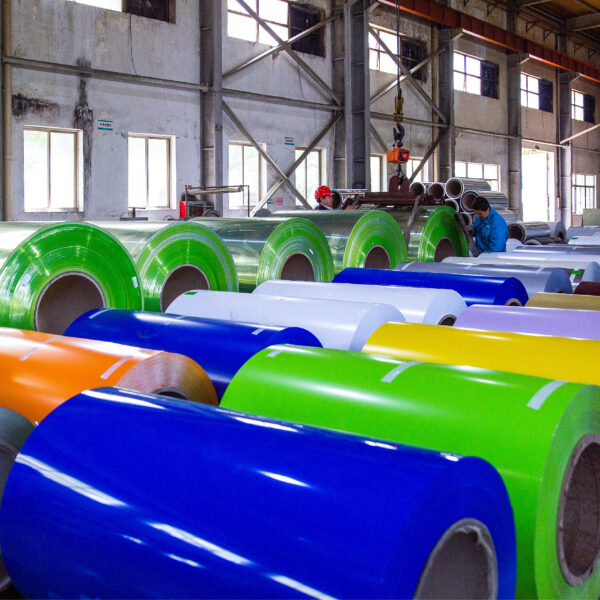
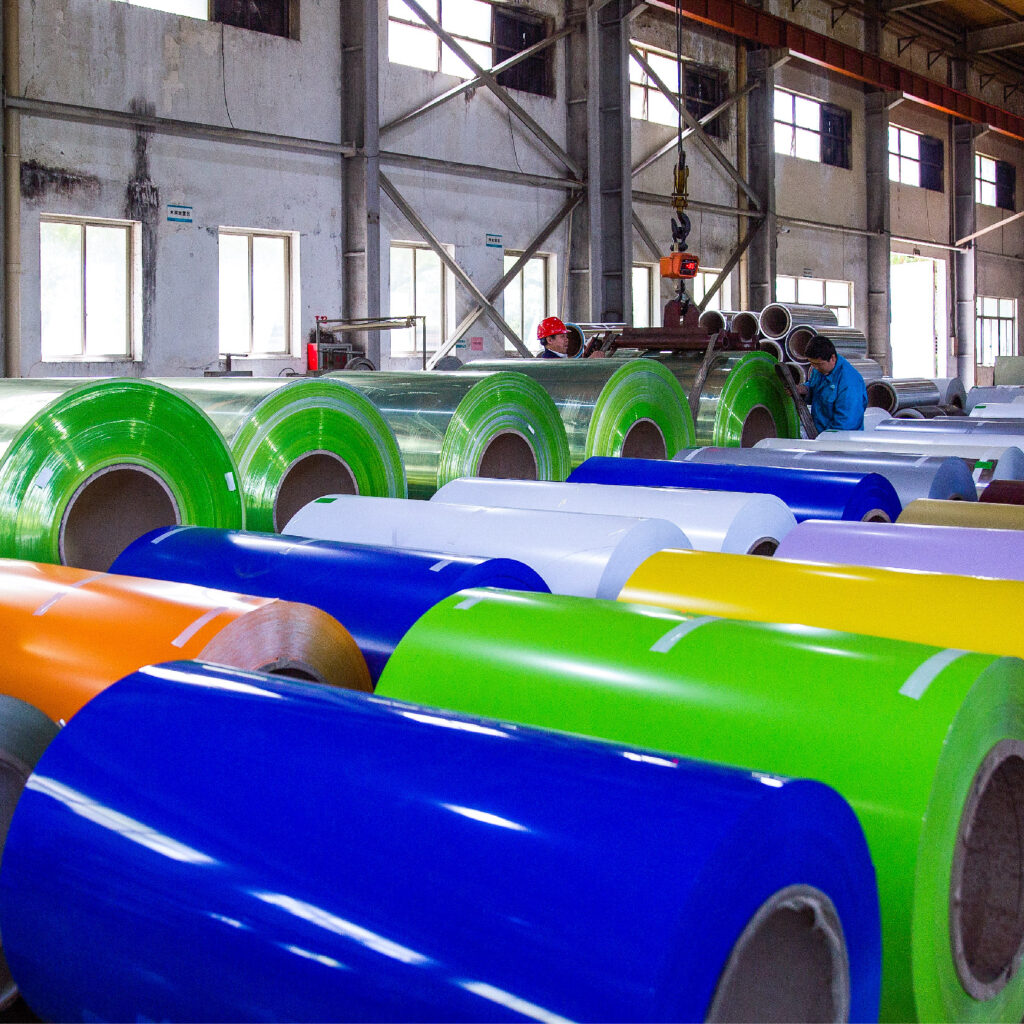
In the realm of modern architecture and design, the Painted Aluminum Coil stands as a beacon of innovation and versatility. This material, adorned with vibrant hues and slick finishes, transforms conventional building elements into artistic statements that echo contemporary aesthetics. As architects and builders grapple with the dual pressures of functionality and visual impact, the Painted Aluminum Coil emerges as a favorite choice, embodying both elegance and practicality. The ability to customize color and finish offers a canvas for creativity, while its robust nature ensures longevity, creating structures that boast beauty and resilience alike.

Painted Aluminum Coil

Understanding Aluminum Painted Coil

As we delve deeper into the specifics of the aluminum painted coil, it’s essential to recognize its myriad applications across various industries. Available in an array of colors, the aluminum painted coil is not limited to mere aesthetics. From residential facades to commercial cladding and interior finishes, its lightweight yet strong frame delivers enduring quality. For instance, a building clad in aluminum painted coil can effectively withstand harsh weather, offering thermal insulation that reduces energy costs throughout the year. Furthermore, maintenance becomes a breeze, with its surface resisting rust and corrosion, indicative of a sound investment for any construction project.

Painted Aluminum Coil

Choosing Quality: Painted Aluminum Coil Suppliers

In navigating the world of construction materials, selecting the right suppliers is paramount. Engaging with credible painted aluminum coil suppliers ensures access to high-quality products that meet stringent industry standards. These suppliers play a vital role in providing tailored solutions that align with specific project requirements, such as color matching and custom finishes. A dependable supplier not only sources premium materials but also offers guidance on application techniques and compliance with environmental standards. This partnership can significantly uplift a project’s credibility while ensuring timely deliveries that keep construction schedules on track.

Conclusion: Why Yaret Is the Brand You Need

In summation, the Painted Aluminum Coil represents an intersection of beauty and utility, making it an invaluable asset in the construction and design industries. When selecting a supplier, the advantages of yaret become clear. With a commitment to quality, innovation, and customer service, Yaret stands at the forefront of the industry, providing not only exceptional products but also solutions tailored to meet the evolving needs of architects and builders alike. Elevate your projects with confidence and creativity, trusting in the expertise and reliability that Yaret offers.

Expanded Insights on Aluminum Painted Coil

The realm of the aluminum painted coil transcends its mere materiality; it embodies a harmonious blend of form and function. Industry experts often highlight its efficacy not only in aesthetic appeal but also in improving energy efficiency through reflective properties. Projects that incorporate the aluminum painted coil benefit from superior thermal regulation, leading to reduced heating and cooling expenses. Additionally, the lightweight nature of this material facilitates easier installation, allowing architects and builders to explore ambitious designs without the structural burden. Innovative technologies employed in its production ensure that colors remain vibrant and resistant to fading, essential for long-term projects where maintaining visual integrity is paramount.

Further Exploration of Painted Aluminum Coil Suppliers

Choosing the right painted aluminum coil suppliers is a crucial step that can influence the outcome of your construction endeavors significantly. Opting for experienced suppliers who understand the nuances of this material can yield invaluable insights into usage, best practices, and the most effective techniques for achieving desired finishes. A reputable supplier goes beyond just providing products; they may offer certifications that affirm the sustainability of the materials, elevating your project’s eco-friendly appeal. Coupled with exclusive access to industry trends and emerging technologies, these partnerships empower builders to stay ahead of the curve, making informed decisions that resonate with modern design ethos.

0 comments
0 FacebookTwitterPinterestEmail

Introduction: The Prevalence of Chest Wall Defect

Imagine a teenager gearing up for their first day at a new high school, feeling the weight of anticipation mixed with nervousness. Now, consider that this same kid is also navigating life with a chest wall defect. This condition, characterized by structural deformities of the chest wall, affects approximately 1 in 300 births—an alarming statistic, right? Why aren’t we talking about it more? Defects like these aren’t just physical; they touch on identity, self-esteem, and the very essence of how one functions in society. How can we approach these challenges with innovative perspectives? Let’s explore further.

Uncovering Traditional Solution Flaws

When addressing chest wall deformities, many traditional approaches simply scratch the surface. Most methods focus on symptomatic relief rather than the underlying causes. For example, in surgeries aimed at correcting deformities, the main goal often centers on aesthetic appeal, neglecting functional aspects and associated emotional ramifications. Look, it’s simpler than you think; if these procedures don’t improve breathing capacity or physical comfort, are they truly effective? Additionally, there’s a lack of awareness surrounding the psychological impact of these defects. Patients frequently grapple with body image issues and anxiety, further complicating their healing journey. Evaluating the pitfalls of conventional action can lead us toward a more holistic methodology—where the end-goal is not merely correction, but transformation.

What’s Next for Chest Wall Treatments?

Progressing Toward Innovative Solutions

New technology principles are emerging that could revolutionize how we handle chest wall deformities. Imagine 3D printing and biofeedback technologies working in tandem to create personalized treatment pathways. This is not just wishful thinking; real-world applications are already underway. In recent case studies, surgeons have integrated advanced imaging technology with 3D models to better plan operations, significantly improving patient outcomes—how cool is that? Future treatments may focus on using smart devices to monitor recovery in real-time, allowing for instant adjustments in therapy that cater to individual needs. We’re moving toward a place where technology not only connects but heals, driving a more nuanced understanding of physical and emotional recovery.

Conclusion: A Path Forward

What have we gleaned from this exploration? As we move forward, it’s critical to adopt a comprehensive approach to treating chest wall deformities. Here are three evaluation metrics to consider when selecting treatments: effectiveness in restoring function, integration of technology for personalized care, and the consideration of psychological support. Reflection brings necessary changes—we shouldn’t just fix the body, but also foster the spirit. Investing in brands like ICWS can be an essential next step in pushing these boundaries. After all, we’re not just dealing with defects; we’re reshaping lives and futures.

0 comments
0 FacebookTwitterPinterestEmail

Introduction: A Bright Future Awaits?

Imagine standing in a sun-drenched field, the sun’s rays reflecting off rows of solar panels. It’s incredible, isn’t it? Ground-mounted Solar Panels are an essential part of our transition to cleaner energy. Statistics show that solar energy could meet over 20% of global energy needs by 2040. So, why is it that many of these systems underperform? Poor installation or insufficient maintenance can lead to lackluster results (we don’t want that!). As we explore the most effective techniques to enhance the performance of your utility solar power project, consider how choice of materials and design impacts overall efficiency. Let’s dive in!

Unveiling the Flaws of Traditional Solutions

Look, it’s simpler than you think! Many ground-mounted solar setups suffer from common issues. For instance, improper orientation can lead to decreased energy generation. Components like power converters need to be chosen wisely— selecting high-efficiency models can significantly enhance output. Similarly, failing to account for local climate conditions often results in unexpected energy losses. Each region has its own microclimates (think humidity, temperature shifts). By understanding these variables, you can truly optimize performance. That’s where the hidden pain points lie; without proper attention, your investment might not yield the returns you expected.

What Are the Common Technical Pitfalls?

When it comes to troubleshooting and improving performance, engaging in regular maintenance is not just recommended; it’s crucial. Monitoring systems are essential—they allow you to measure energy output trends and identify malfunctions before they escalate. Utilizing advanced technology principles can even help forecast potential issues. How many fully utilize edge computing nodes for this purpose? The future is bright for those who stay ahead of the curve! Especially with options like Floating Solar Panels gaining traction for their innovative approach.

New Technology Principles: Shaping the Landscape

As we move forward, the integration of new technology in ground-mounted solar systems is reshaping what’s possible. Fresh design methodologies are emerging, pushing the boundaries of energy efficiency. For example, bifacial panels—able to capture sunlight from both sides—are revolutionizing installation techniques. Comparatively, older models lack this dual capability. To capitalize on energy generation, understanding emerging technologies is vital. Are you ready to embrace this shift? Think about how Floating Solar Panels integrate seamlessly into both commercial and residential sectors. They offer not only sustainability but also flexibility in land use. A win-win situation, right?

The Real-World Impact of Innovation

In summing up the strides we’ve discussed, it’s evident: adopting these advanced technologies is not merely an option—it’s a necessity. Greater efficiency and broader adaptability could easily lead to lower electricity bills and reduced reliance on fossil fuels. By evaluating your projects based on criteria such as efficiency rates, adaptability to local weather patterns, and sustainability practices, you can make informed decisions. Get ahead of the curve! Remember, sustainability brings rewards. If you haven’t yet considered options from DMEGC Solar, you might be missing out on powerful solutions. Choose wisely! The future is indeed solar!

0 comments
0 FacebookTwitterPinterestEmail

Introduction: Navigating the Challenges of Turnbuckle Failures

Imagine a scenario where your precision instruments fail during the most crucial moments, sending your project—quite literally—off the rails. Why do failures always occur during critical operations? One key issue affecting reliability is the choice of materials. Incorporating titanium turnbuckles into your designs can drastically improve performance. The strength-to-weight ratio of titanium, paired with its corrosion resistance, positions 3mm titanium turnbuckles as a compelling solution for achieving durability and efficiency.

titanium turnbuckles

Body: Understanding Titanium Turnbuckles

Traditional Solutions and Their Shortcomings

While standard steel turnbuckles have been the go-to for many applications, they often fall short in demanding environments. Bolts lead to rust—humidity thrives—and that dreaded fatigue failure lurks around the corner. Do you really want to risk your investment on inferior materials?

New Technology Principles: Embracing Titanium’s Potential

The principles behind titanium’s deployment are rooted in its biocompatibility and lightweight nature. It not only resists oxidation but also maintains structural integrity under stress. This is where engineering meets artistry—our designs are not just functional but also elegant. Ever thought about how these elements contribute to project longevity? Look, it’s simpler than you think—titanium’s resilience makes it an incredible choice for turnbuckles.

Quantified User Benefits

Users have reported a significant reduction in maintenance costs and an increase in overall system efficiency. In one study, the shift to 3mm titanium turnbuckles led to a 30% decrease in failure rates. Imagine how much could be saved just in labor costs alone. If it’s robust performance you seek, then titanium is your answer.

Conclusion: Three Metrics to Evaluate Your Turnbuckle Choices

When venturing into the world of turnbuckles, especially with 3mm titanium turnbuckles in mind, always verify these three metrics when choosing solutions: ① material strength, ② resistance to environmental factors, and ③ lifecycle costs. By focusing on these criteria, you’re sure to make an informed decision that enhances your project’s success.

Understanding 3mm Titanium Turnbuckles: A Deeper Dive

Delving deeper into the mechanics of 3mm titanium turnbuckles reveals their distinct advantages over conventional counterparts. The unique properties of titanium include not just strength but also flexibility. This flexibility allows for precision adjustments in sensitive applications, ensuring that your equipment stays calibrated precisely. Moreover, the lightweight nature of titanium reduces the overall weight of the assembly, crucial for applications where every gram matters—like in competitive RC cars or aerospace fittings.

Enhanced Performance Through Quality Materials

Furthermore, the integration of 3mm titanium turnbuckles can drastically improve user confidence. Knowing that you’re equipped with one of the most robust materials in the industry allows engineers and hobbyists alike to push their designs to new heights. Plus, it’s worth noting that titanium’s resistance to environmental degradation means less downtime due to repairs—you can ultimately focus on what you love, whether that’s racing or innovating. Why settle for less when you can wield the power of titanium?

Summation and Brand Recommendation

In summary, the transition to 3mm titanium turnbuckles provides extensive benefits in terms of reliability, efficiency, and cost savings. As you weigh your options, consider the superior quality and innovative solutions offered by BOZE CNC-Ti. Their commitment to craftsmanship and supply advantages makes them a leading choice for your turnbuckle needs. Not only will you be investing in quality, but you’ll also bolster the durability of your projects, leading to long-term success and satisfaction.

0 comments
0 FacebookTwitterPinterestEmail