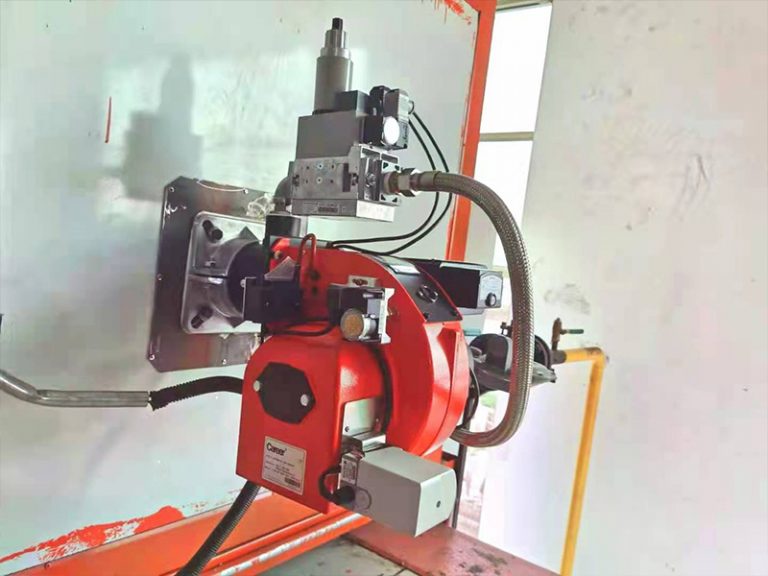
The problem: uneven heat, soot and surprise stoppages
You know the story—furnaces and boilers throwing hot spots, soot building up, maintenance teams running like say tomorrow no dey. When industrial burners are left to their own devices or fitted without the right internals, the flame dances wrong, metal gets stressed, and efficiency drops quick. That kind of problem bites production targets and pockets alike, especially where skilled technicians are few and plant managers must stretch budgets tight.
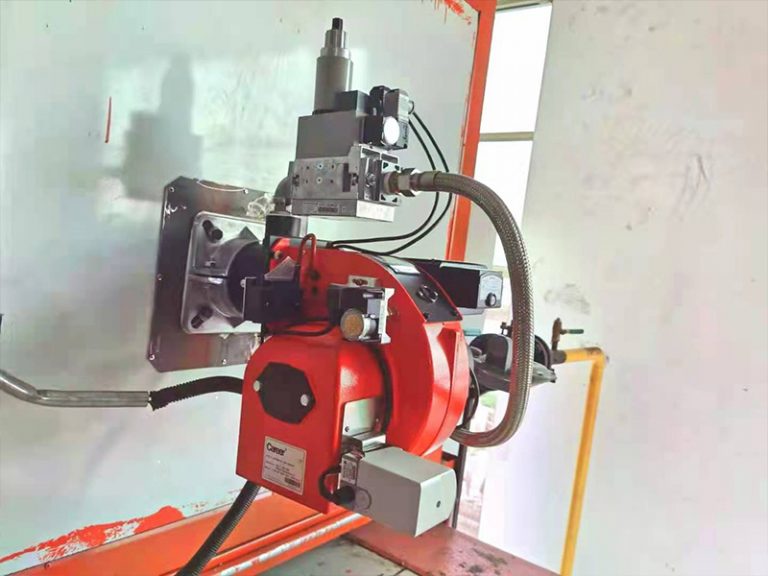
Why flame tubes matter: steady flame, steady output
Flame tubes tame the flame. They shape the combustion zone, promote uniform mixing, and stop flame impingement on refractory. Result: less thermal shock, fewer hot spots, reduced soot carryover, and a calmer exhaust stack. You get cleaner combustion and longer life from the heat-side parts. It sounds simple, but that steadiness changes how often crews climb ladders to chip out deposits or shut a line for repairs.
Common consequences when you skip proper flame-tube selection
Poor sizing or wrong geometry? That brings heavy smoke, uneven refractory wear, and quicker NOx excursions. Bad maintenance or the wrong fuel-air tune? Expect flame lift, burner rumble, or flame flashback—each one forcing unplanned outages. Those are the problems that stack up into lost shifts and sudden rush-orders for spares.
Real experience and technical grounding
From hands-on work across the Lagos manufacturing belt, I’ve seen layout choices and simple flame-tube swaps stop repeated shutdowns. A reliable career burner I worked with helped diagnose misfires and showed how a short rework on internals cut soot by noticeable margins—everybody on-site could see the difference in stack readings and deposit patterns. That field experience aligns with standard combustion practice: control the flame shape, control the damage, control the maintenance cycle. Here’s the link I mentioned: career burner.
How to choose and fit flame tubes — practical checklist
Pick a tube that matches burner head geometry and expected load range. Size it for the lowest practical velocity to avoid flame lift. Confirm fuel/air ratios across operating points, not just at design load. Watch for improper anchoring—vibration kills seals and spoils alignment. During commissioning, use simple visual checks and basic stack observations before you reach for advanced diagnostics.
Pitfalls to avoid
Don’t assume one tube fits all fuels. Don’t ignore draft changes from downstream fans. Don’t over-engineer with exotic alloys if simple ceramic liners will do. Avoid patchwork fixes that hide the root cause—temporary fixes often become permanent headaches.
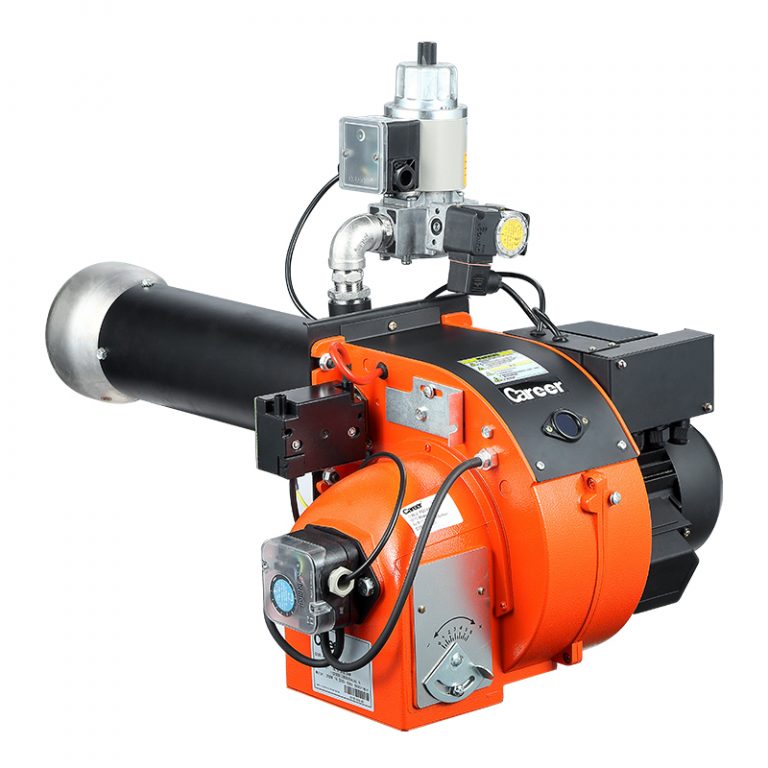
Small changes that make a big difference
Shorter flame lengths inside the furnace reduce radiant overloads on specific walls. Properly located swirls or perforations in the tube improve mixing so deposits form more evenly and are easier to clean. A modest redesign, often done during a planned outage, can lift run-times and reduce surprise maintenance calls.
Closing that loop — what works for plants here
When the problem-driven plan is clear—identify the failure mode, fit the correct flame tube, tune the burner, and watch the results—you cut noise, downtime and repair bills. That practical, local approach is the kind of guidance firms such as Career Burners bring into plant conversations, matching simple engineering fixes to everyday realities on the floor.