Purpose and scope of this comparison
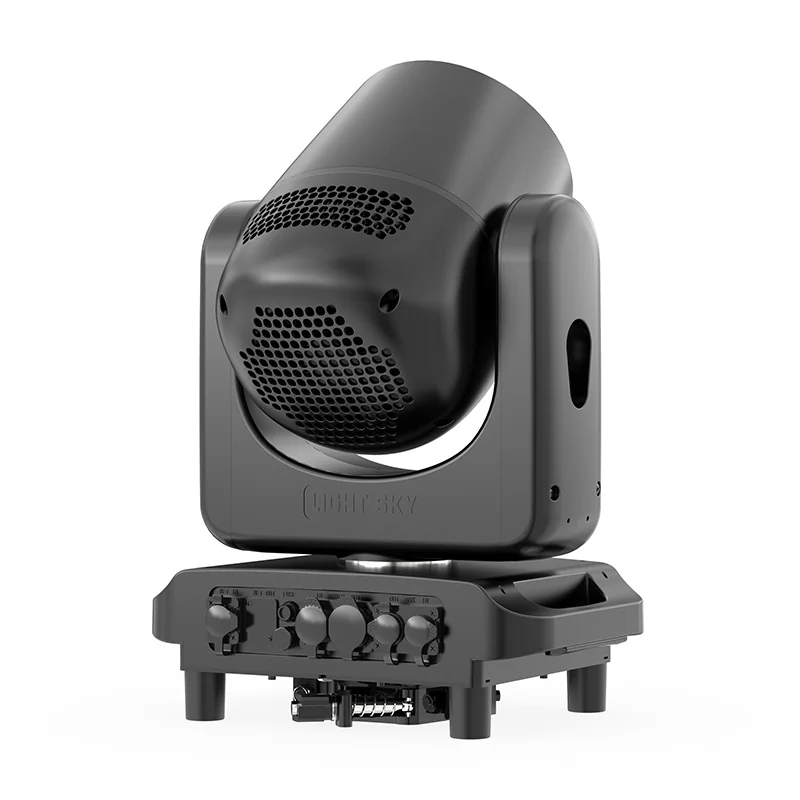
This comparative piece evaluates two classes of fixtures most often specified for live events and productions: the moving wash and the zoom moving head. I focus on measurable performance, control integration, and operational fit rather than marketing claims. For an immediate product reference, consider the led moving wash as a baseline for compact wash fixtures that aim to balance lumen output with soft-edge coverage.
Core technical differences
At the component level the distinctions are clear: moving wash fixtures prioritize uniform field illumination with wide beam angles and often employ high-CRI LEDs and diffused optics; zoom moving heads use a variable zoom lens, tighter beam control, and precise framing mechanics. Key parameters to compare are lumen output, CRI/CRI-TLCI values, zoom range (typically expressed as focal length or degrees), and mechanical pan/tilt resolution. Control-wise, both types usually support DMX and Art-Net; the zoom units add gobo wheels and iris/zoom motors that increase both capability and maintenance points.
Performance metrics that matter in specification
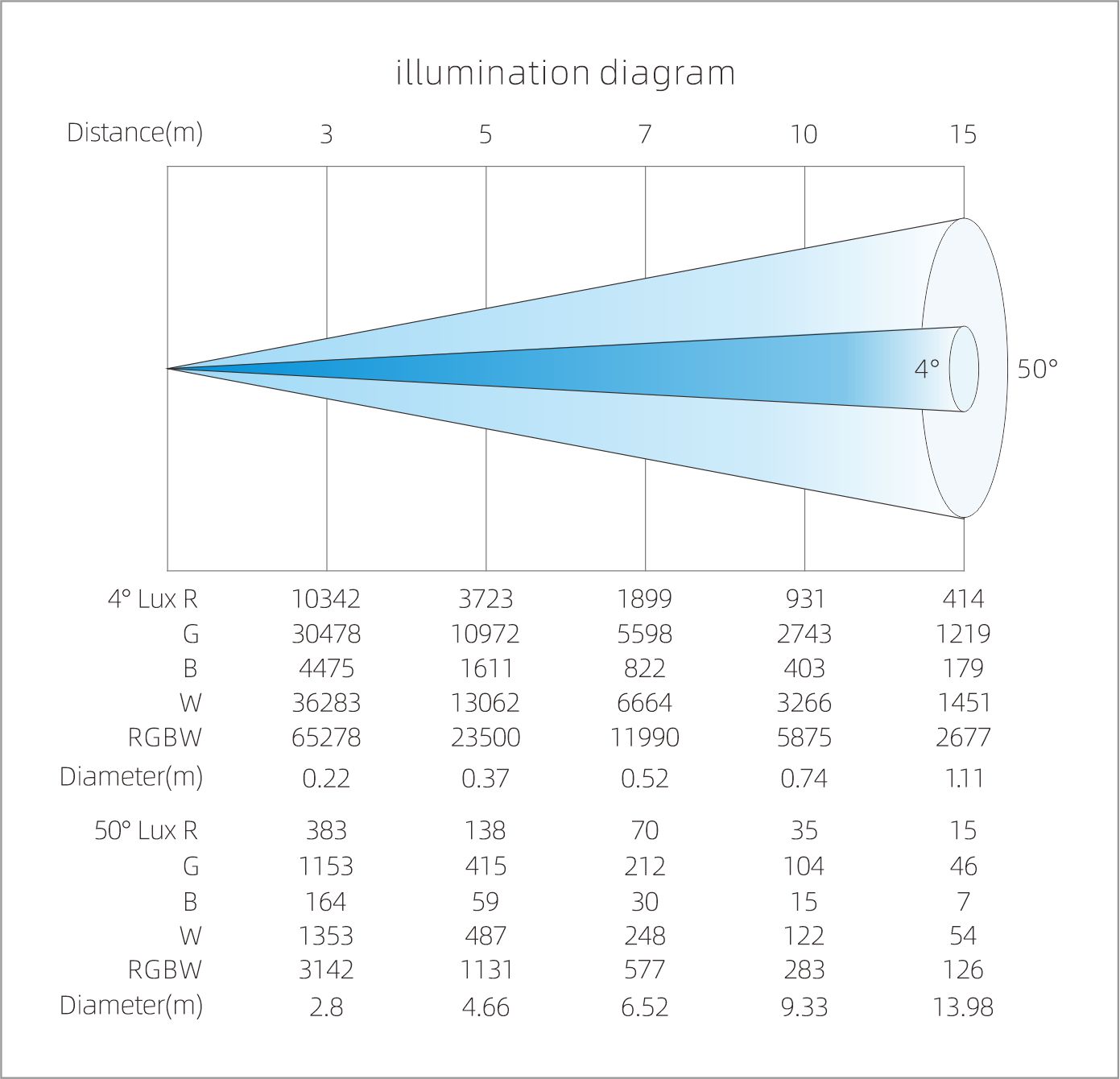
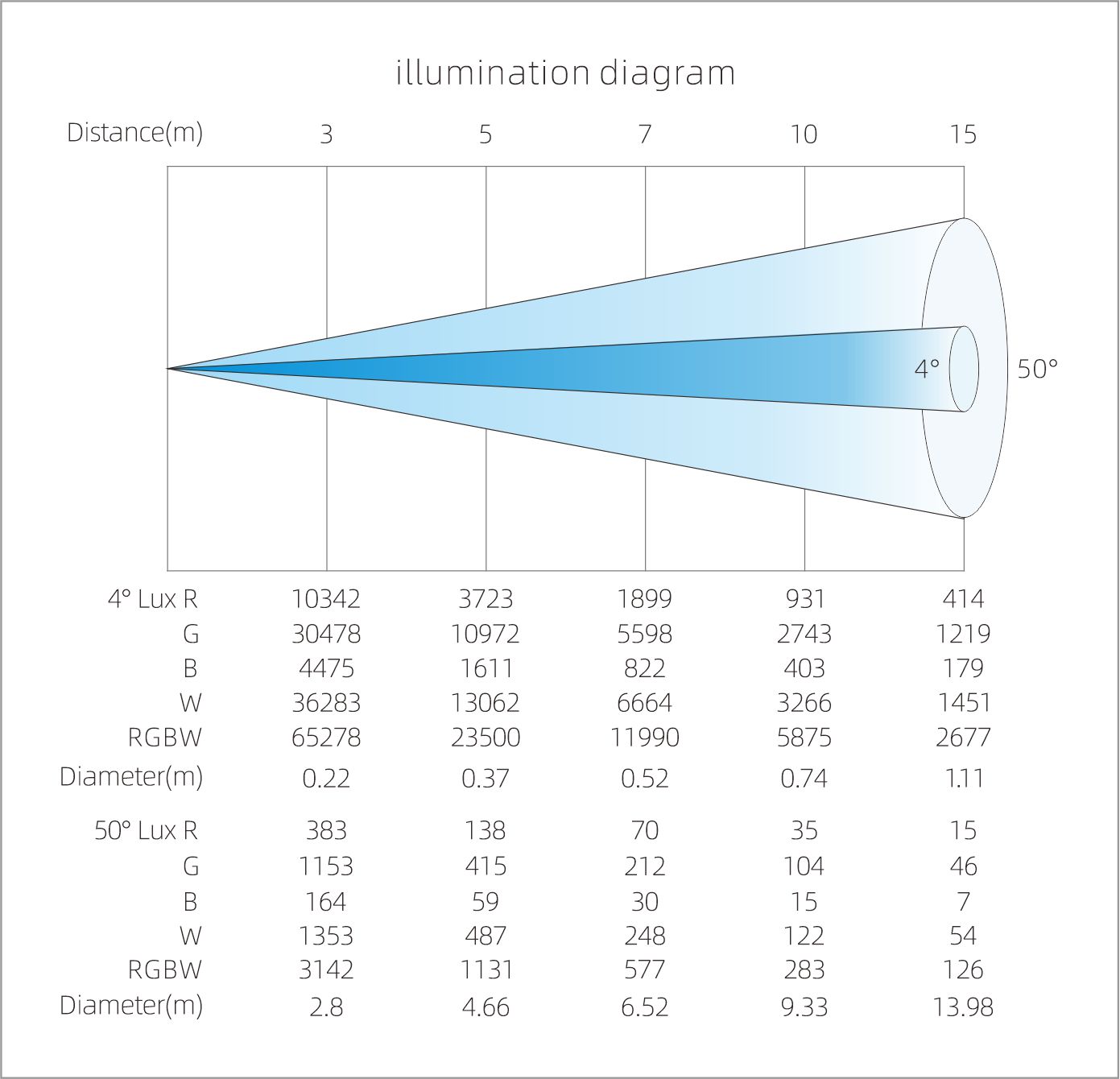
Design teams should quantify expectations rather than rely on nominal categories. Specify: center-lumen density at 10 m, beam angle spread (in degrees), color temperature stability across a 0–100% dim curve, and latency of pan/tilt response in milliseconds. For FOH and touring rigs, weight per fixture and power draw per channel are critical for road logistics and dimmer planning. Note that global context matters: lighting consumes roughly 15% of global electricity usage according to the International Energy Agency, so efficiency figures—lumens per watt—are not merely operational; they drive cost and sustainability metrics.
Operational trade-offs and real-world anchor
In a West End theatre retrofit I observed, productions that switched from generic wash fixtures to calibrated zoom moving heads gained sharper cue consistency and saved rigging time by using fewer fixtures to cover the stage—an outcome of zoom range and superior beam shaping. The trade-off was increased control complexity and slightly higher maintenance intervals for the zoom motors. For venues prioritizing even color wash across seating, a dedicated led moving wash can reduce the number of fixtures required while improving color rendering.
Control and integration considerations
From a systems standpoint, DMX universes, Art-Net routing, and fixture personality files determine how quickly a rig can be deployed. I recommend confirming RDM support for remote addressing and live diagnostics. For front-end developers building custom control panels, expose only the parameters you need—dim, color, zoom, pan/tilt—and keep latency under 100 ms to preserve cue timing. This reduces operator error and shortens rehearsal cycles.
Common mistakes in specifying fixtures
Buyers often overvalue peak lumen numbers while undervaluing beam uniformity and CRI. Another frequent error is failing to match zoom range to throw distance: a 2–40° zoom has very different coverage implications than a 15–60° unit. Also avoid underestimating thermal management; fixtures rated at a given lumen output may derate after sustained use in hot roof environments—maintenance schedules must reflect that. — A small but practical tip: verify spare-part availability for motors and LED modules before final purchase.
Alternatives and complementary strategies
Where budget permits, combine both fixture classes: use zoom moving heads for key highlights and mid-stage spots, and deploy led moving wash units for audience or cyc illumination. Consider LED Fresnels when soft, tight-focus fills are required. For remote-controlled installations, prioritize fixtures with robust network protocols and manufacturer-backed firmware update paths to avoid compatibility issues mid-tour.
Advisory: three golden rules for selection
1) Match optical specification to venue geometry—chart throw distances and select zoom ranges so beam edges fall where intended. 2) Prioritize controllability and diagnostics—RDM, Art-Net, and clear personality files reduce setup time and troubleshooting. 3) Measure lifecycle cost—include power consumption (lumens/watt), spare parts availability, and mean time between failures rather than only purchase price. These metrics will predict real operational value more reliably than headline lumen claims.
Light Sky provides fixtures and documentation that make these evaluations straightforward—detailed lumen maps and control protocols let production teams test assumptions before procurement. — Final thought: choose fixtures that solve the specific visual problem, not the broad category.