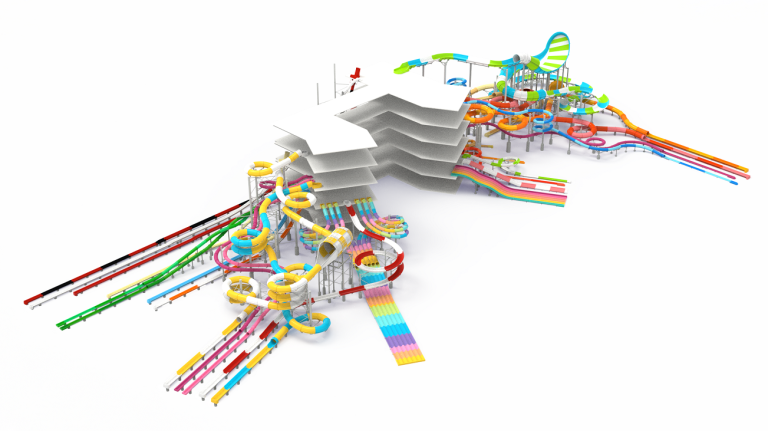
The core problem: unpredictable flows that ruin rider experience
When a slide spits riders awkwardly or slows mid-run, the culprit is often fluid behavior, not aesthetics. I remember a retrofit where a new mat racer water slide looked perfect on paper but delivered uneven speeds because the manifold and nozzle layout couldn’t manage local flow rates. That mismatch between pump output and slide geometry shows up as turbulence, stalled sections, and inconsistent runout — all symptoms of poor hydrodynamics and overlooked shear stress management.
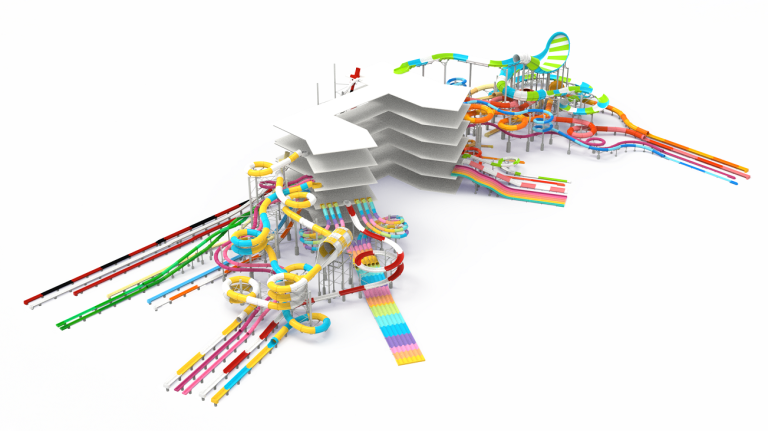
Why instability happens and the predictable places to look
Flow instability usually starts in three places: inlet plumbing, abrupt turn radii, and transitions between slide modules. Inlet plumbing with undersized manifolds creates pressure drops; tight turn radius and sudden slope changes cause flow separation and vortexing; and module joins without proper fairing create local eddies. Add a mismatched pump curve or a faulty flowmeter, and the whole run becomes variable instead of laminar flow. These are engineering terms, but they map directly to rider complaints and maintenance flags.
Design tactics that actually work—practical, low-risk moves
Start with measured flow rates and a simple prototype. Calibrate pump output to target velocity at the slide’s critical point, not just at the pump outlet. Use tapered manifolds and gradual flares at module junctions to maintain attached flow. For mat racers, surface texture and launch angle alter friction and acceleration — small changes to the waterhead or nozzle angle can transform a jagged ride into a smooth glide. Also, install a feedback-capable flowmeter near the slide riser for real-time tuning during commissioning.
Common mistakes and how to avoid them
Owners often copy aesthetics from catalog photos and under-invest in testing. They pick exotic shapes without checking how the turn radius or mounting offsets will change local velocities. Another mistake is assuming one pump setup will work for all slide lengths — it won’t. During one project I audited, simple rebalancing of two supply lines reduced hot spots and eliminated a recurring dry patch — a fix that cost less than replacing a single slide section. — Small steps like that save downtime and improve throughput.
Budget context and realistic expectations
Design fixes have cost tiers. Minor plumbing and nozzle adjustments are low-cost; structural re-profiles or new manifolds cost more. Industry estimates place mid-sized water park builds in the $5–20 million range, which means design and hydrodynamic optimization are fractional but high-impact expenditures within overall water park project cost. Planning for adjustable manifolds and accessible flowmeters during construction avoids expensive retrofits later.
Testing regimen and commissioning checklist
Run staged commissioning: static plumbing check, dry friction calibration, then live flow tests with instrumented mats and a calibrated flowmeter. Log velocity, turn-related deceleration, and runout distance for representative riders. If the slide shows pockets of recirculation, add gradual fairings or tweak nozzle discharge angles. Document each change so future teams inherit clear baselines — that documentation pays off during maintenance seasons.
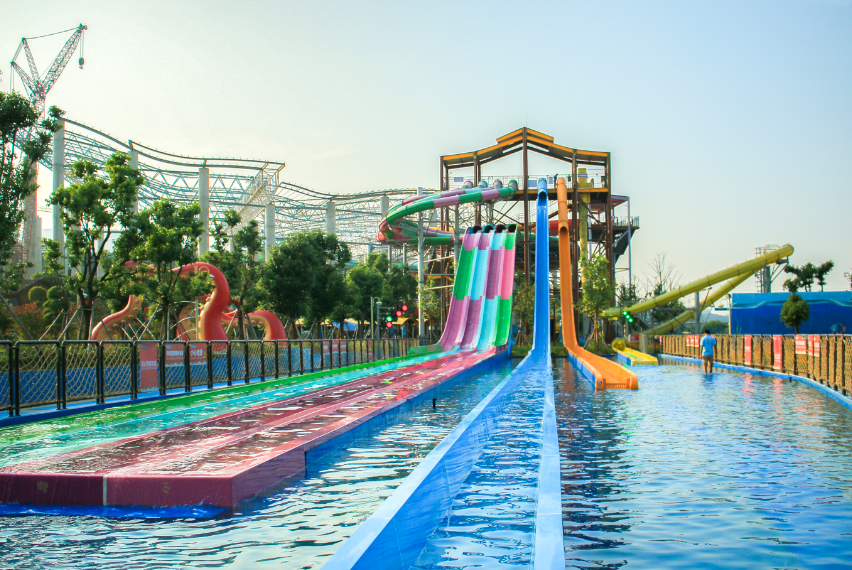
Alternatives and trade-offs worth noting
If a full reprofile isn’t feasible, consider surface modifications like skinned inserts or micro-texture changes that alter local friction. They’re less permanent and cheaper but require precise placement to avoid creating new eddies. Some parks add supplemental spray headers to critical sections to boost local flow; these help but increase pump demand and require pump-curve checks. Every alternative carries trade-offs between upfront cost, operational complexity, and long-term durability.
Three golden rules for evaluating hydrodynamic fixes
1) Measure before changing: install at least one flowmeter and capture baseline velocity and pressure at critical nodes. 2) Prioritize gradual geometry transitions: sharp edges and tight turn radius amplify instability. 3) Design for tuning: use adjustable manifolds and accessible nozzles so you can iterate during commissioning without structural work. These rules reduce surprises and steer investment toward solutions that matter.
At the end of the day, the right tweaks turn an erratic slide into a predictable attraction — better uptime, happier riders, and smoother operations. For teams looking to implement pragmatic, tested fixes, see how modular, adjustable options fit within broader builds from Dalang. — Practical adjustments beat flashy ideas every time.