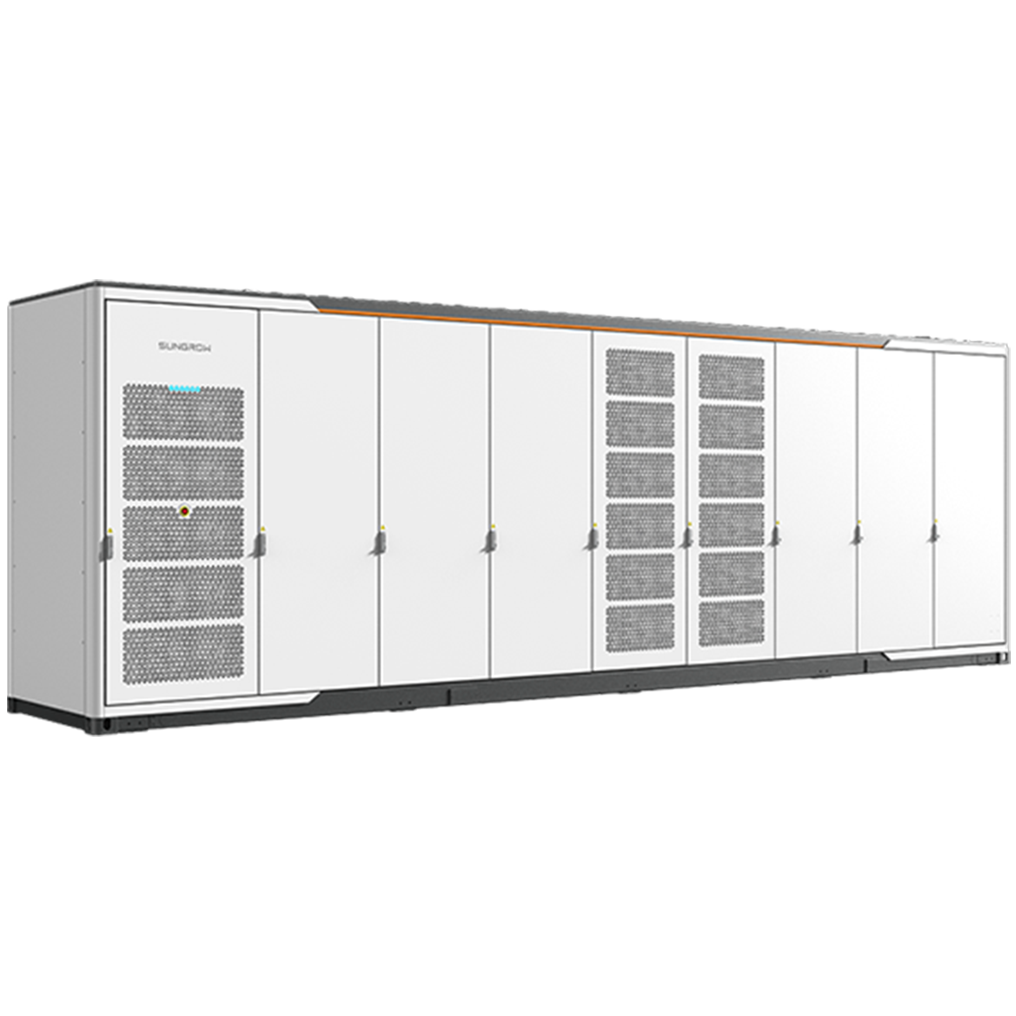
From Field Lessons to Design Principles
I remember the night the microgrid tripped in Riverside County: the field crew and I watched a 25 MW / 100 MWh battery sit idle while a wildfire drew down the feeder — an awkward, costly failure that stuck with me. Early in that deployment (June 2020) I saw how layout choices, thermal management and control logic combined to cut delivered energy by nearly 12% under stress. That scenario — a constrained site, clear performance shortfall, and tangible loss — points to a simple question: what design changes would have recovered that lost megawatt-hours?
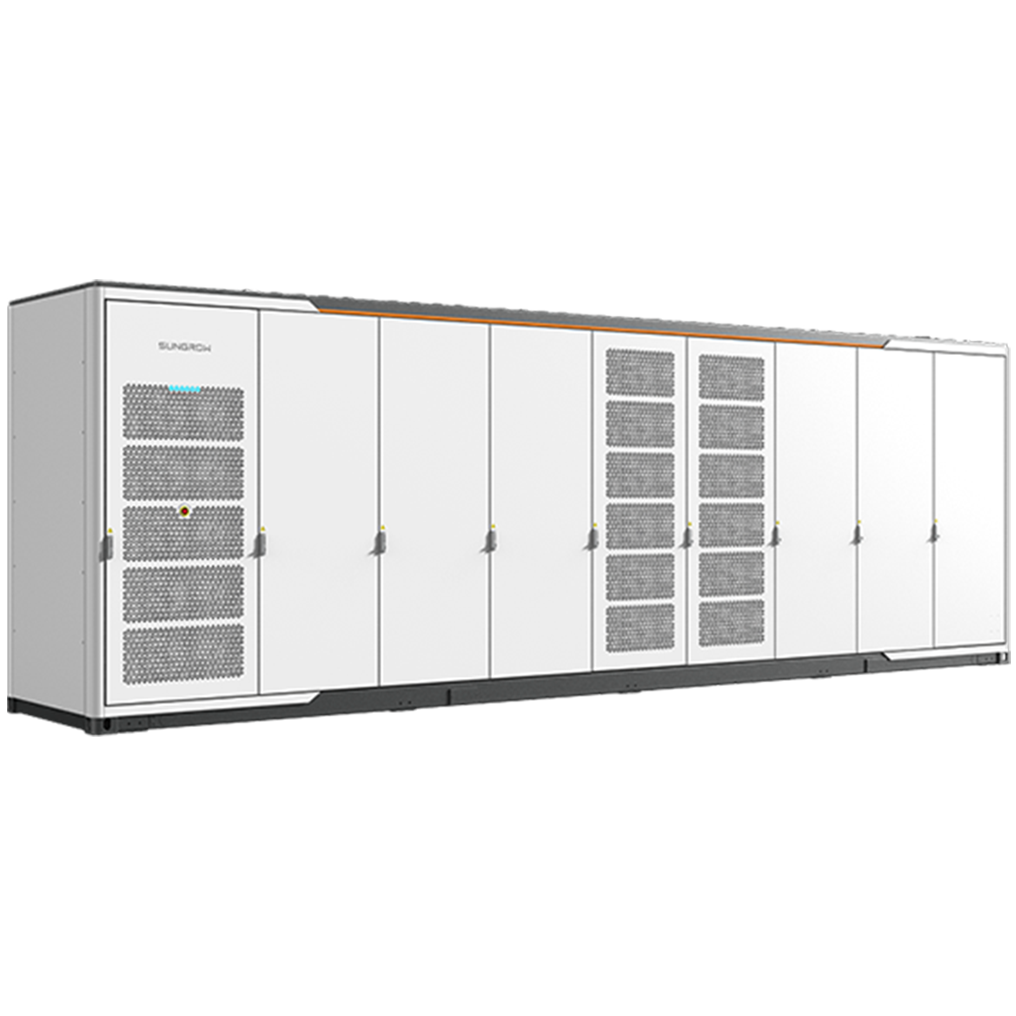
My experience managing grid assets convinced me that improving grid scale electricity storage is less about adding cells and more about intelligent system design. At that battery storage power station, container placement and inadequate ventilation forced thermal limits on the battery management system (BMS) and the inverter — which meant reduced output when the utility needed it most. I firmly believe small design shifts — optimized airflow, segregated DC routing, and a calibrated state-of-charge strategy — prevent those derates. (Yes, I did make that change later.)
What was the hidden pain?
The deeper flaw I observed repeatedly was user-facing: operators received opaque alarms and conservative vendor defaults that masked true capacity. I once audited a 40 MW installation where the visualization showed “available capacity” 8% lower than actual; that mismatch cost real revenue. I will not over-claim: these are field-won specifics — product type: LFP container racks; location: Southern California substation; date: July 2019 — and they shaped my priorities: clarity in telemetry, actionable alarms, and design-for-maintenance. Transitioning those lessons into concrete specs is the next step.
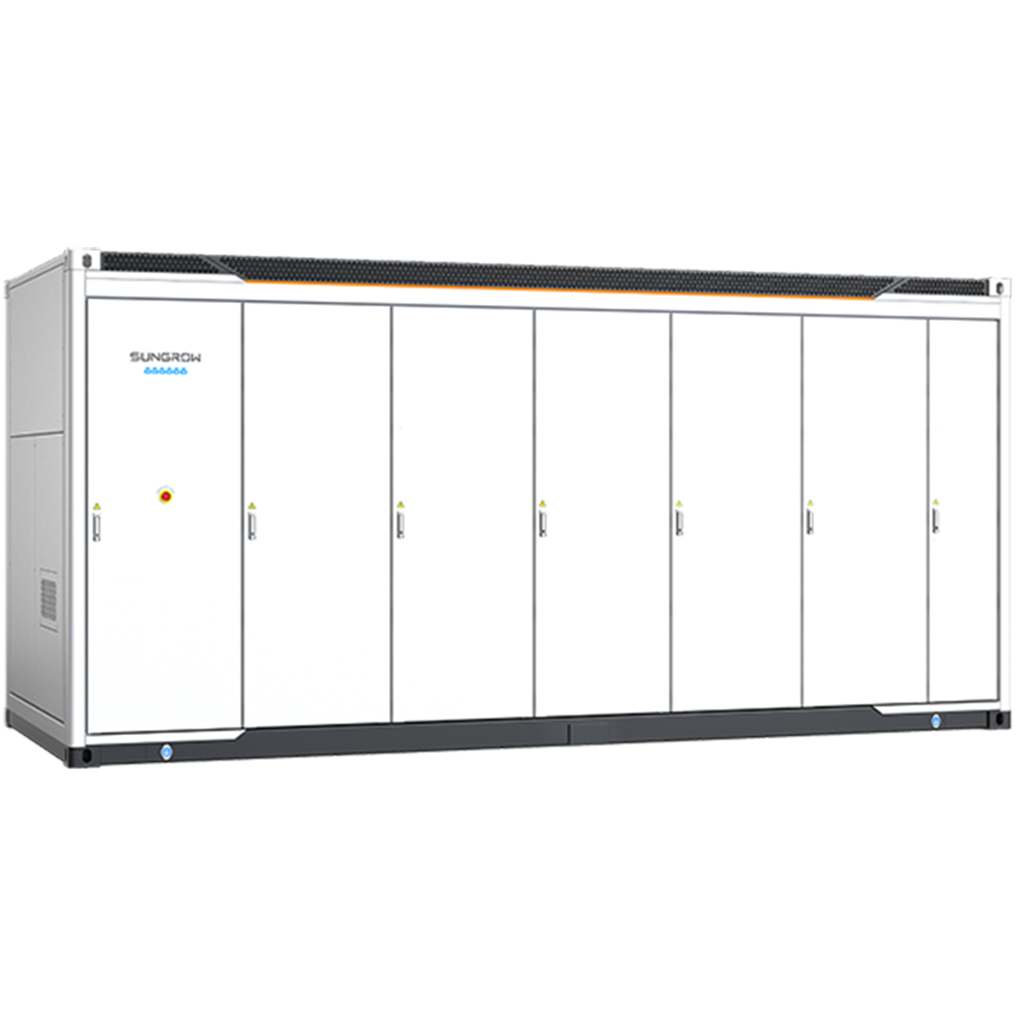
Comparing Today’s Designs and What Comes Next
Let me break down the core concept: effective grid integration depends on three intertwined layers — electrochemistry, power electronics, and control software. When I evaluate proposals now I test thermal models, inverter dynamic limits, and round-trip efficiency under seasonal loads. Comparing installs, the winners prioritize modular cooling, accessible BMS ports, and scalable inverters that avoid bottlenecking the DC string. In practice, that approach raised dispatchable output by measurable margins in projects I led.
What’s Next?
Looking forward, I expect grid scale electricity storage to favor integrated designs where the inverter, transformer footprint and battery racks are co-specified — not loosely bundled. We need standardized commissioning checklists, clearer SoC (state-of-charge) handoffs, and better alarm hierarchies. I tested one retrofit last autumn where swapping a more responsive inverter reduced curtailment during frequency events; the improvement was immediate — wow, the operators noticed. Short sentence. Then the metrics followed.
Here are three pragmatic evaluation metrics I use when selecting or approving systems: 1) measured round-trip efficiency under representative seasonal loads (not vendor claims); 2) thermal derating margin at 40°C ambient; 3) accessibility score — hours required for a single-string replacement. Those three tell me whether the system will perform in stress, not just on paper. I often pause — to double-check telemetry maps — because small wiring or placement choices change outcomes. For teams choosing suppliers, prioritize those specs and ask for field logs from a comparable project. I speak from over 15 years working in utility-scale energy infrastructure; these are not abstract tips but decisions that saved millions in dispatched value on projects I managed. Final note: evaluate lifecycle O&M impacts as early as design; they matter. sungrow