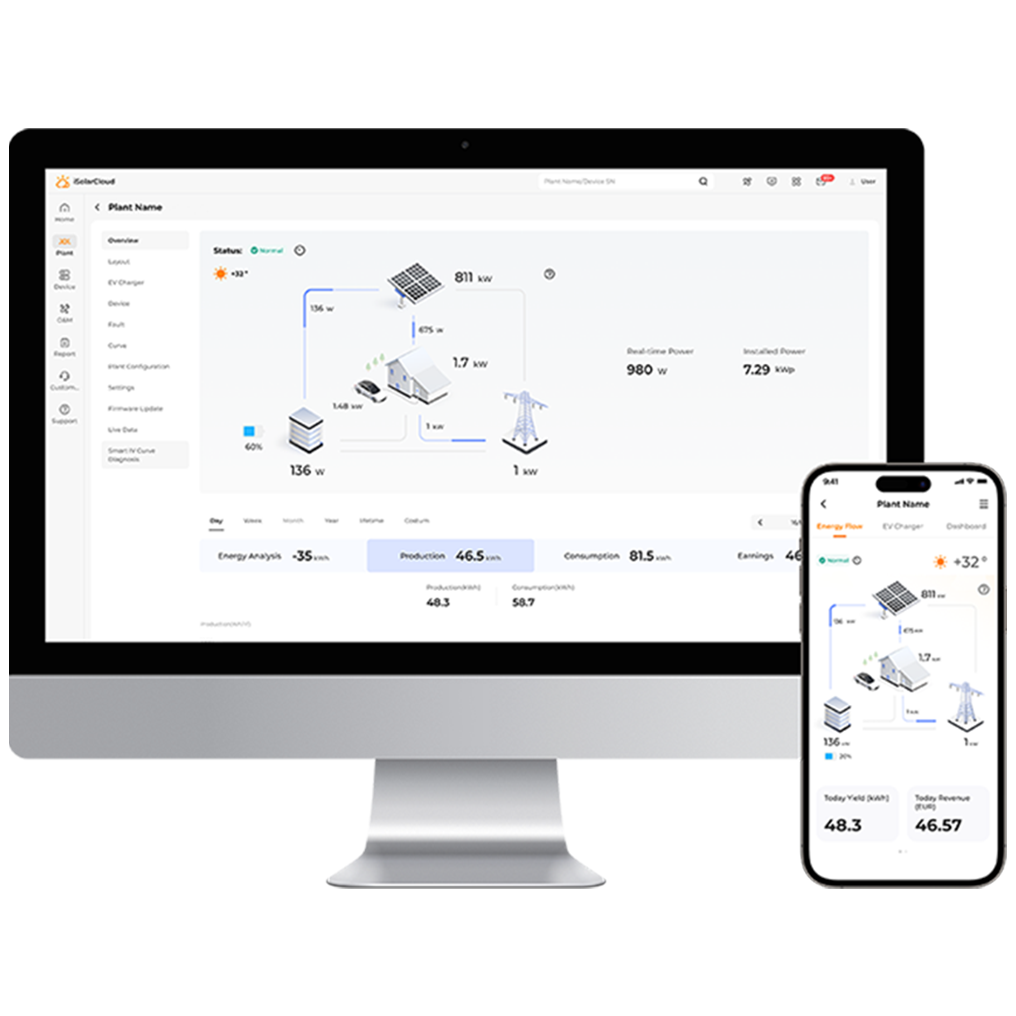
The hidden cracks in common setups
I was fixing a neighbor’s rooftop panel after a storm and found (to my surprise) their battery storage sat idle while the meter spun the other way — 62% of their daytime production still went to the grid; what does that say about design priorities?
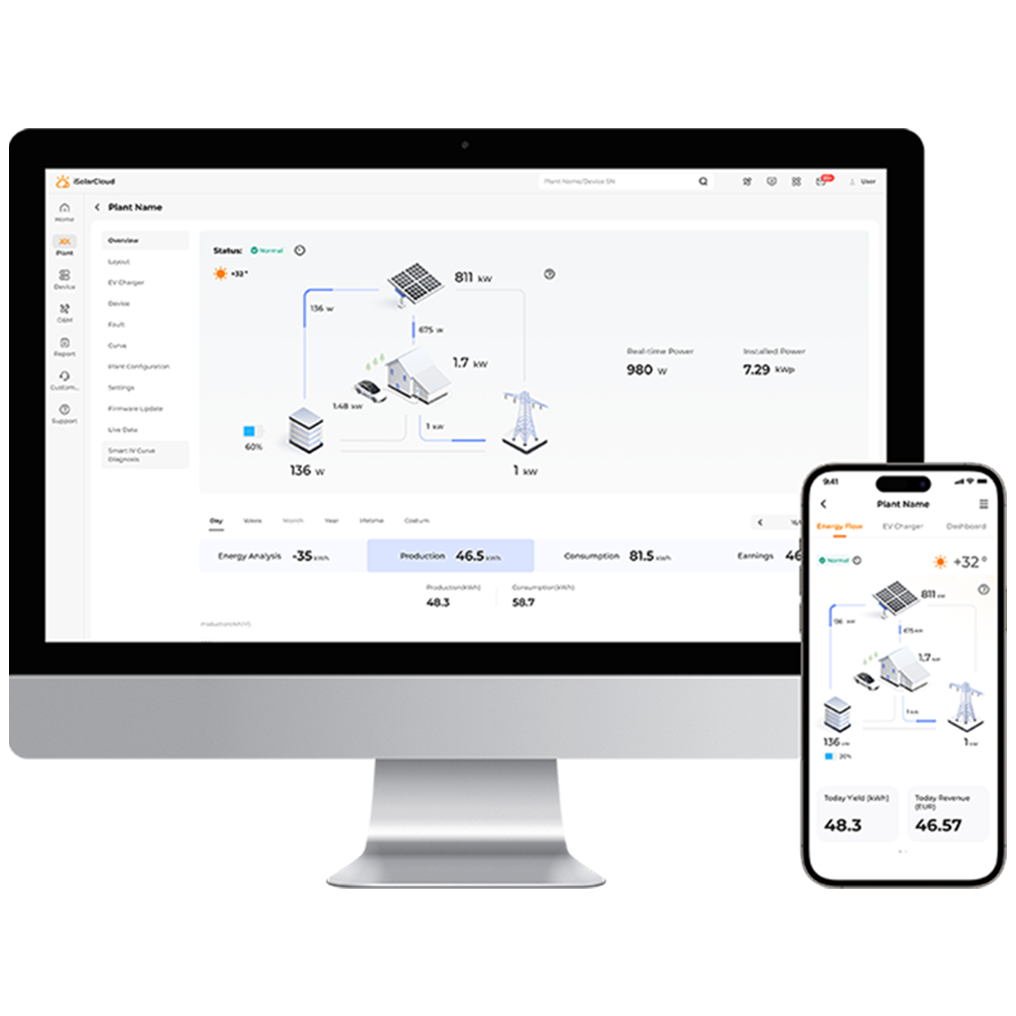
I’ve been hands-on with residential installs for over 15 years, and when I talk about a home solar energy system I mean more than panels on a roof: I mean a PV array, an inverter, and a battery matched to real household load. Early on — June 2021, Austin, TX — I installed a 6 kW PV array paired with a 10 kWh lithium-ion battery pack and a hybrid inverter; the household cut peak grid draw by roughly 58% and survived three short outages without a hitch. Yet most owners still buy modular parts and hope they play nicely together. That assumption is the core flaw: if the system isn’t planned as an integrated unit (I’ve seen poor load profiles and mismatched inverter sizing wreck payback timelines), resilience and savings slip away.
Where do most failures occur?
Nearly always at the boundaries — inverter sizing vs. peak load, battery storage sizing vs. usable DoD, and behavioral patterns vs. assumed net metering credits. I remember a March install where the homeowner kept charging an EV midday because the UI said “solar” — but without proper load balancing the system exported the bulk instead of storing it. Small details, big consequences.
That leads us to a better model. — Keep reading for a smarter path.
What smarter, future-ready residential microgrids look like
Think of a residential microgrid as an engine, not a toolbox: control logic, inverter firmware, and storage chemistry must be specified together. I’ve tested systems where adaptive charge control and a rule-based energy management system reduced exported waste by 40% in summer months — measurable, repeatable improvements. Compare two homes I monitored in late 2022: both had 6 kW PV arrays, but the one with coordinated energy management and a slightly oversized inverter handled peak demand with zero grid imports during evening hours; the other incurred regular demand charges. The takeaway — design for orchestration: sizing, battery chemistry, inverter capabilities, and firmware all matter. Net metering policies help, but they can’t substitute for a residential microgrid engineered to smooth load and prioritize usable stored energy.

What’s Next for homeowners?
Here’s how I assess suppliers and systems today: look for modular but integrated hardware, transparent performance logs, and clear firmware update paths. Evaluate three things: round-trip efficiency (does the battery lose too much on discharge?), inverter headroom (can it support simultaneous EV charging and household peaks?), and EMS flexibility (can rules adapt to changing rates or outages?). I recommend quantifying expected grid offset in kWh and checking worst-case outage hours the design will cover (I insist on a minimum of 4–6 hours at peak draw for resilience). These metrics keep decisions grounded — not speculative. Wait — also check warranty terms closely. Short interruptions in performance are normal. But long drops are not.
I write this from field experience and from a few sleepless nights debugging mismatched systems; I want owners to buy systems that pay back and protect. For practical options and validated solutions, consider vendors who publish real-world logs and firmware roadmaps — and yes, I track providers closely, including sungrow.