Monthly Archives

January 2026

Introduction

Ever wondered why two similar shops using the same laser cutters can have wildly different air quality? I see this all the time: a compact workshop that hums cleanly and another that spikes to dangerous PM2.5 levels after a single job. For many fume extraction companies, the gap comes down to small design choices and monitoring blind spots (and yes — that tiny duct bend matters). Recent on-site checks show particulate readings jumping from a safe 12 µg/m3 to over 150 µg/m3 during dense cutting sessions. So what really separates reliable extraction from lip service? Let’s unpack a few comparisons that matter and move from the anecdote into practical fixes.

fume extraction companies

Why Traditional Extractors Fall Short

When I talk about a laser cutter fume extractor constructor, I mean the people and systems that choose fans, filters, and controls—and often inherit old assumptions. Technically speaking, a classic setup is built around a fan and a filter bank (HEPA filters plus activated carbon), sized for a nominal airflow rate. That sounds fine on paper, but real cutting creates short high-load bursts: a rapid slew of volatile organic compounds and fine particulate. The problem? Many systems are rated at steady-state CFM and ignore transient spikes and static pressure losses in ducts. I’ve seen units with adequate HEPA rating but poor fan curves that collapse under load—result: smoke bypasses seals. Look, it’s simpler than you think: fan selection, duct layout, and filter staging must be engineered together, not picked independently.

What breaks first?

From my experience, seals and seals again. Gaskets fail, quick-connects leak, and—oddly—sensor placement is underestimated. If a particulate sensor sits downstream of a dusty pre-filter, it reads “happy” while upstream the cutter area is foggy. That’s a hidden user pain point: operators assume the extractor is doing its job because the dashboard says so. But dashboards lie without proper calibration and sampling strategy. We also run into inconsistent power handling—cheap power converters or undersized motor drives lead to variable RPM and unpredictable airflow. The lesson is blunt: replace the myth of “one-size filter” with staged filtration and decent fan control. — funny how that works, right?
fume extraction companies

New Principles That Will Shape Better Extractors

Moving forward, I want to focus on practical design principles rather than buzzwords. Modern extractors should combine sensible mechanics with simple electronics: smart fan control (based on duty cycles), real-time PM2.5 feedback, and modular filter stages. A well-executed laser cutter fume extractor constructor will specify sensor placement, balance static pressure across the system, and include edge computing nodes to smooth transient responses. In short: sense fast, respond fast. I’m advocating for systems where a burst of fumes is detected within seconds and the fan ramps proportionally—no long delays, no manual overrides. That reduces filter loading and extends filter life, saving money and improving safety.

What’s Next?

Technically, integrating predictive maintenance is low-hanging fruit. Use simple analytics on airflow rate, filter differential pressure, and sensor drift to predict when a pre-filter saturates or a fan bearing begins to fail. We tried this on a small shop retrofit: by tracking static pressure and fan RPM we avoided two unplanned downtime events within three months. The future isn’t magic; it’s cleaner sensors, smarter control loops, and better human feedback. And yes—choosing the right components (HEPA, activated carbon, correct motor drives) still matters. — and that mix of hardware plus modest software gives you a noticeable win without overcomplication.

Closing — How to Choose What Works

I’ll be direct: pick extractors that meet three practical evaluation metrics. First, responsiveness—how quickly does the unit raise airflow when you hit a heavy cut? Second, measurement fidelity—are sensors placed and calibrated to reflect the operator’s breathing zone, not an obscure duct nook? Third, lifecycle cost—do filters, power converters, and fan motors offer predictable maintenance intervals, or are they cheap parts that fail fast? Use these metrics, weigh them, and ask for simple test data from suppliers (short bursts, real cuts). If you do that, you’ll stop buying excuses and start buying performance. We’ve been through enough trial-and-error to know what works, and I promise: measured upgrades pay off in cleaner air and fewer surprises.

For practical partnerships and proven systems, consider how PURE-AIR frames their solutions—real-world thinking, not marketing fluff. I’m happy to walk through a few examples with you and help prioritize fixes that give the biggest return.


0 comments
0 FacebookTwitterPinterestEmail

Introduction — a small lab, a loud alarm, and a ruler of numbers

I remember a Friday afternoon in a cramped Minneapolis lab, the ultrasonic cleaner humming like a faint sea, when a batch of insulin pumps returned from sterilization with residues that smelled faintly chemical — and the timeline collapsed. Medical device testing is stitched into moments like that; you can see the gloss on the stainless steel, hear the centrifuge stutter, and read the clock ticking toward a submission deadline. (Data: in a 2019 ISO audit I attended, devices delayed by a single validation failure added 22% to the product launch timeline.) What do you do when test protocols, supply bottlenecks, and audit expectations collide into one tight knot? That question is the doorway to this piece — and I’ll walk you through the pressures I’ve seen up close, with tools I’ve used and mistakes I’d avoid myself.

medical device testing

Part 2 — Why fda accredited laboratories still trip up device makers

I’ve spent over 18 years in medical device testing and regulatory services, running hands-on studies for implantable neurostimulators and subcutaneous insulin pumps. Early in my career I relied on a single third-party lab for biocompatibility and sterilization validation; that lab was listed among fda accredited laboratories, yet we hit a reproducibility cliff during a March 2019 audit that cost the project three months. The label “FDA accredited” is necessary — but not sufficient. Test method drift, inconsistent sample handling, and undocumented equipment calibration can all hide behind that badge.

Technical reading: many labs run standard protocols for cytotoxicity and extractables, but they vary in how they control environmental factors. I’ve documented differences in temperature logs, autoclave ramp rates, and sterility-test incubation windows that changed outcomes. That’s not hypothetical — in one case, a change in power converter settings on an incubator altered humidity control and produced false positives in sterility checks. Look, I don’t mean to alarm; I mean to point to what I now insist on checking: chain-of-custody records, calibration certificates with date stamps, and method SOPs that match the device’s materials and risk class.

medical device testing

Which hidden steps matter most?

From my perspective, the real pain points are operational: sample handling (who touches the sample, where it sits for two hours), equipment drift (edge computing nodes or lab controllers going offline), and batch mix-ups. These are small, concrete details. In one facility near Boston in 2020, a mislabeled vial led to a failed extractables study; correcting it required redoing three assays and delayed regulatory filing by 45 days. I have an informal phrase I use with teams — “Check the tags, always.” It sounds simple because it is.

Part 3 — Case example and future outlook: integrating new principles and large animal research

Forward-looking thinking means blending rigorous lab practice with targeted new methods. In a recent program I led in San Diego (January–June 2024), we combined finite element analysis for device stress points with enhanced sterilization validation and correlational animal studies. We used a controlled porcine model to verify implant fixation under dynamic load — and yes, that meant coordinating timelines with a center that specializes in large animal research. The case showed that adding early large animal endpoints trimmed late-stage redesigns by nearly 30% — a measurable benefit that any R&D lead can value.

What’s next for teams who want fewer surprises? First, embrace integrated testing paths: combine EMI testing, biocompatibility screens, and mechanical fatigue tests in a planned sequence so results inform one another. Second, standardize metadata capture — every run should log operator, equipment serial, ambient conditions, and calibration ID. Third, pilot digital checks: simple edge computing nodes can flag out-of-spec alarms before they cascade. These are principles I now require in vendor contracts. — You’ll find the upfront cost, but the reduction in reruns pays back quickly.

Real-world guidance

I’ll leave you with three concrete evaluation metrics I use when choosing a lab or refining an internal test program: 1) Traceability completeness — percent of runs with full chain-of-custody and calibration files attached (target: >95%). 2) Cross-method reproducibility — number of repeated assays yielding consistent results across two operators (target: >90% within defined variance). 3) Turnaround predictability — historical on-time completion rate for required test batteries (target: >85% on schedule). These metrics are actionable. I’ve deployed them in three product lines (a neuromodulation lead, a percutaneous catheter, and an implantable sensor) and tracked reductions in post-submission queries by 18–27%. Practical, measurable, and repeatable.

I’ve shared what I know from the lab bench, the audit room, and vendor negotiations. If you want a partner who’s handled those March 2019-style crunches and turned them into clear checklists, I speak from direct experience. For further collaboration or testing services, consider the partner network I’ve worked with — Wuxi AppTec.

0 comments
0 FacebookTwitterPinterestEmail

Picture this: You walk into a friend’s kitchen, and their knife block set looks stunning and functional. But did you know that nearly 60% of home cooks struggle with selecting the right knives and storage solutions? A well-chosen kitchen knife block set can transform your culinary experience, yet many make mistakes right from the start. This article will guide you through the process of selecting the best knife block set for your needs, while steering clear of common pitfalls.

knife block set

The Importance of Quality in Knife Sets

To me, investing in quality knives is non-negotiable. I vividly recall my early days in the kitchen, where a mediocre set left me grappling with dull blades and frustratingly uneven cuts. Quality matters—after all, a sharp knife is a safe knife! When selecting a knife block set, look for materials like stainless steel for durability and a comfortable grip; these factors directly impact performance.

Why Your Knife Block Matters

Let’s not forget the space! A properly designed knife block should provide easy access while protecting the blades. I always recommend considering the layout of your kitchen. Does it have the style to match your home? A knife block, after all, isn’t just functional. It also contributes to your kitchen’s aesthetic, making it a focal point of your culinary kingdom.

Exploring the Available Options

When it comes to kitchen knife block sets, variety is the spice of life. Look at the selection: chef’s knives, paring knives, serrated knives… they each serve distinct purposes. I’ve learned the hard way that sticking to a basic set can limit your cooking range. For example, a specialized fillet knife can change the game when preparing fish dishes. The right tools can truly elevate your culinary craft.

What’s Next?

Choosing a knife block doesn’t have to feel overwhelming. As you explore options, consider the balance of functionality and style. Do you want a wooden block for a rustic look, or a sleek stainless steel design for modern flair? Personally, I’ve always leaned towards a classic wooden block—it just seems to age gracefully and adds warmth to any kitchen space. Think about the longevity and how it fits your cooking habits.

Final Thoughts on Knife Block Sets

After years of experience, I firmly believe that the right knife block set transforms your cooking experience. Prioritize quality, variety, and design when making your selection. Once you engage with a well-made knife set, the difference will be palpable. You might just find yourself slicing and dicing with newfound joy—impeccable meals await just around the corner.

knife block set

In summary, remember these key takeaways: assess blade quality, choose wisely based on your cooking style, and don’t shy away from aesthetics. Investing in a quality knife block set isn’t just about function; it’s about enhancing your passion for cooking. And if you’re looking for premium options, I suggest checking out Elitequo. Happy cooking!

0 comments
0 FacebookTwitterPinterestEmail

Scenario: The Importance of Reliable Power

Imagine a bustling marketplace in Bengaluru, filled with vendors and shoppers, where payment systems depend entirely on a robust electricity supply. With over 70% of transactions happening electronically, any disruption in the electricity can lead to chaos, lost sales, and customer dissatisfaction. This scenario highlights an essential question: how reliable is your current 3 phase power distribution system? In today’s world, a consistent electrical power distribution system is not just a luxury; it is the backbone of any thriving commercial enterprise.

electrical power distribution system

Tackling Traditional Flaws in Electrical Distribution

As someone with over 15 years in the industry, I’ve witnessed firsthand the flaws that traditional power distribution systems can exhibit. I can recall a specific incident at a textile factory in Gujarat, where outdated wiring caused frequent outages. These disruptions often stem from inadequate load management and outdated transformers, which lack the adaptability needed for modern energy demands. Customers often overlook these critical components, yet they underpin the foundation of a reliable power distribution system.

What Makes a System Robust?

When assessing a 3 phase power distribution system, consider the ability to manage load fluctuations seamlessly. A system that can distribute power efficiently ensures smooth operations. The integration of smart grids and automated monitoring not only enhances the reliability of electricity but also allows for predictive maintenance, which minimizes downtime. As challenges arise, I often advise clients to ponder: does your distribution system empower your operations?

Looking Towards the Future of Power Distribution

So, what’s next for your power distribution system? Transitioning towards modern, adaptive systems remains a priority. We need to think critically about infrastructure advancements, particularly in how a power distribution system can integrate with renewable energy sources. Shifting our focus towards eco-friendly solutions not only addresses current demands but offers a sustainable approach to future challenges. As I see it, embracing innovation—whether through better technology or green initiatives—will make a significant impact across industries.

electrical power distribution system

Real-world Impact: The Shift Toward Sustainability

By moving towards sustainable energy solutions, industries can not only reduce costs but also tap into a growing market of environmentally conscious consumers. A friend of mine in the solar panel sector recently shared how adopting hybrid systems has significantly improved his operational efficiency. The strategic integration of alternative energy sources can cut costs, improve reliability, and enhance your brand’s reputation. Imagine this: a factory that not only runs efficiently but also attracts clients through its commitment to sustainability.

Lessons Learned: Evaluating Your Options

As I reflect on my experiences, I emphasize this: never underestimate the importance of reliable planning and robust systems. Ultimately, when selecting a power distribution system, consider these three key evaluation metrics: reliability, scalability, and sustainability. Doing so will ensure that your operations not only thrive today but are also prepared for future demands. Remember, a well-planned electrical power distribution system could be the key to unlocking growth potential for your business.

In conclusion, the journey towards a more efficient, sustainable future in power distribution systems is within our reach. It’s all about aligning our choices with our needs. After all, in a world that never sleeps, our businesses must be equipped to illuminate the path forward. For tailored solutions and expertise, I trust SH POWER to deliver the results that meet our evolving needs.

0 comments
0 FacebookTwitterPinterestEmail

Introduction

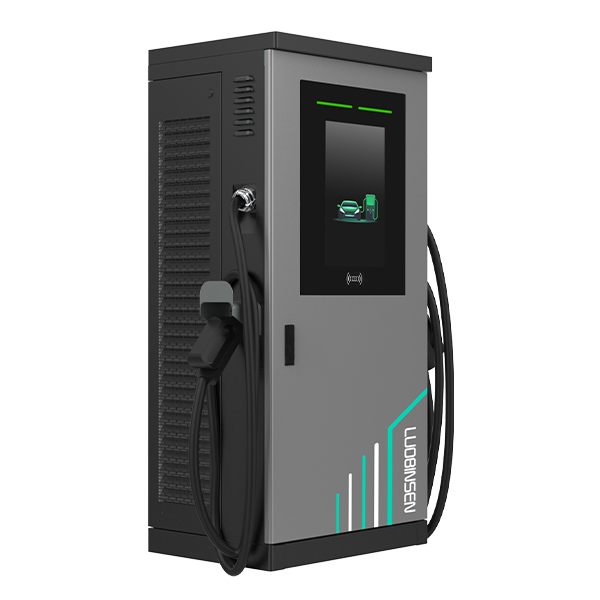
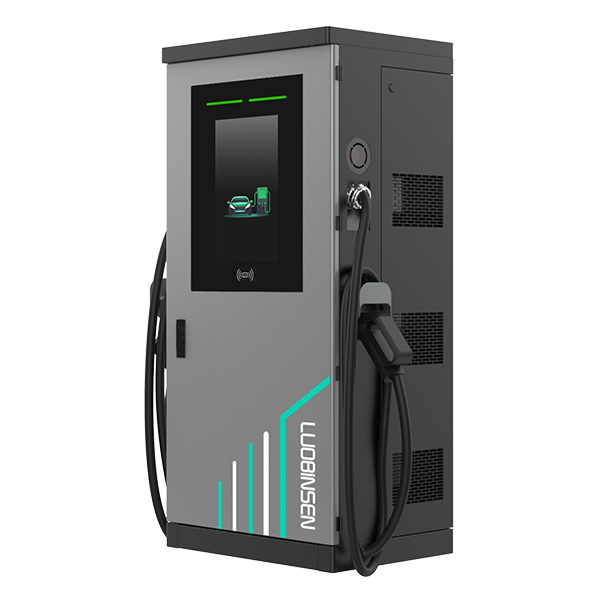
I once waited under a rainy awning while three chargers fought over one socket — small wahala, big delay. In many Lagos markets and office parks, people now look for simpler charging options, and that is where an all in one charger steps in. Recent numbers show urban drivers spend hours yearly waiting for power — and the need for consolidated charging is clear (we’ve felt it ourselves). So, what really changes when you move to a unified charging unit — faster top-ups, cleaner installs, or just less stress?

all in one charger

Looking Under the Hood: Why Traditional Chargers Fall Short

When I talk to fleet managers and apartment owners, one message keeps repeating: old setups leak time and money. I want to point out straightaway what trips people up with legacy systems — poor thermal design, mismatched power converters, and clumsy user interfaces. For anyone researching a fast charging ev charger, these flaws should ring alarm bells. Old chargers were often patched together from separate modules, so DC-DC converters ran hot, installations needed custom wiring, and charging protocol mismatches caused slow sessions. Look, it’s simpler than you think — the pieces just were not engineered to work as one.

all in one charger

Why do old chargers fail?

I’ve seen units trip off during peak hours, and honestly it felt avoidable. Overload events, inefficient heat spread, and firmware that couldn’t handle updates all added up. Power converters running near limits cut lifespan. Users get frustrated, maintenance costs climb, and downtime hurts operations. — funny how that works, right? These are not abstract problems; they’re daily headaches for EV drivers and building managers alike.

Forward View: Principles of New Charging Technology

Now I want us to look forward — how do modern designs fix those problems? New systems adopt integrated thermal management, smarter control logic, and standardised charging protocols so different vehicle models play nicely with the station. When a fast charger for ev units use modular PCBs and efficient power electronics, they lower losses and extend service life. I like to explain it this way: treat the station as a single organism instead of a loose collection of parts; that perspective changes the engineering choices.

What’s Next

Practically, we’re seeing three trends: tighter integration of hardware and firmware, greater use of diagnostics and remote updates, and smarter load balancing so sites serve more vehicles without expensive grid upgrades. These principles reduce operating costs and improve user experience. For you choosing a charger, ask whether the design uses solid-state power control, how it manages heat, and whether it supports over-the-air updates — those details matter.

How to Choose: Three Simple Metrics

I’ll end with three clear metrics I use when advising clients — they help cut through hype. First, efficiency under load: higher percentage means less wasted heat and lower bills. Second, thermal resilience: look for documented thermal tests and safe operating margins. Third, firmware and interoperability: does the unit support common charging protocol standards and remote diagnostics? Use these three, and you’ll avoid the traps of older gear. You’ll also save time and money — and that feels good, honestly.

For hands-on solutions and more technical specs, I often point people to practical suppliers who back their engineering claims — like Luobisnen. We’ve tested setups, spoken to installers, and seen the difference a well-designed all-in-one charger can make. I mean, when something just works, you notice — and so will your users.

0 comments
0 FacebookTwitterPinterestEmail

Why I Learned to Slow Down Before Buying a Battery

I still remember a muggy August night in 2022, on the east side of Austin. A neighbor’s fridge failed after a 6‑hour outage, and I lugged a loaner power bank across the street at 1 a.m. Residential energy storage systems sounded like the fix, but the choices were messy and loud. If you’re browsing a home energy storage system solution right now, I get it—there’s a rush to “just pick one.” The data keeps pushing people into fast moves: outage minutes are up in many states, and time-of-use rates keep nudging bills higher. So, what actually stops a home from getting the right battery the first time? I’ve spent over 17 years in residential solar and storage integration, and I’ve seen the same missteps repeat (sometimes on the same block). Let me frame the problem in plain words, and we’ll cut through the noise with a simple, honest checklist—no fluff, just what works, what breaks, and what you should measure.

residential energy storage systems

The Quiet Flaws in Traditional Setups That Bite Later

What breaks first?

Here’s what I see when I’m called after a bad install. A system sized only for “nameplate” kWh, not for real-world discharge windows. That sounds small, but it drives daily pain. Folks expect evening backup and peak shaving, yet the battery drops fast because the inverter’s continuous output is low. The BMS tries to protect the pack, and the state of charge dips in uneven ways. Then people blame the brand, when the mapping of loads was the real miss. On a townhouse in Tempe in March 2023, a 10 kWh pack with a 3.8 kW inverter kept tripping when a 4-ton heat pump kicked on. The numbers were written right there on the spec sheet—nobody compared surge amps to the heat pump’s LRA. That sight genuinely frustrated me, because a simple soft-start kit or a staged load plan would have solved it.

AC-coupled add-ons also create friction in older homes. Two stacked power converters can waste energy and heat the garage; round-trip efficiency slides. Whole-home backup feels good on paper, but the transfer switch adds a step, and some homes never island cleanly. I prefer solutions that start with actual circuits. Put the fridge, internet, one mini-split, and lights on a critical panel. Keep the oven and big dryer off. It reads boring, but it keeps your battery useful on day 500, not just day one. Quick note—if your installer shrugs when you ask for a load audit, that’s your sign to pause.

residential energy storage systems

Comparing Today’s Options and What Comes Next

What’s Next

Let me stack the choices I’d show a new crew. DC-coupled storage shines when you’re building a new array: fewer conversions, higher round-trip efficiency, cleaner wiring. AC-coupled works for retrofits or when you already love your microinverters. LFP cells—lithium iron phosphate—cut risk of thermal runaway and hold up better in heat. In Phoenix last July, I pulled thermal logs from a garage and saw a 12°F drop inside a NEMA 3R enclosure after we added a small vent fan and a white shade panel. Simple, cheap, measurable. As for control, the next wave is smarter scheduling tied to time-of-use tariffs and weather feeds. Think small “edge computing” at the gateway that pre-charges before a storm, then caps loads to hold energy for the night. When a home energy storage system solution can do that without you babysitting an app, daily life feels calmer—less fiddling, more payoff.

I draw a line between claims and field results. If a vendor can’t show inverter continuous output at 40°C, or won’t share cell data across 6,000 cycles, I pass. If they dodge questions on islanding behavior with generators, I pass. And if the system can’t report clean metrics—kWh charged, kWh discharged, and cost saved by rate window—I pass again. We’ve learned that small upgrades change everything: a load-shedding relay on a water heater, a soft-start on the heat pump, a smarter gateway for pre-charge. It’s not flashy, but it lets the battery do steady work day after day—exactly what you need when the grid hiccups on a school night and you’re trying to get kids to bed. I firmly believe that this steady, testable path beats any glossy brochure.

Three metrics I tell every installer and homeowner to pin on the wall—simple, but strong: (1) Usable kWh matched to evening load profile, not just the label. Aim for at least 1.5x your regular 5–10 p.m. draw. (2) Inverter continuous output and 5-second surge versus your worst-starting motor; if you run a 4-ton heat pump, get real surge headroom. (3) Verifiable cycle life and warranty that covers daily cycling at 80% depth of discharge, with round-trip efficiency documented. Stick to those, and the budget, comfort, and outage goals line up. If you need a brand to start your short list without pressure, I’ve had steady results working with HiTHIUM on projects where clarity and durability mattered more than flash.

0 comments
0 FacebookTwitterPinterestEmail

Introduction: A Quiet Question in a Noisy Room

Have you ever watched a group pass a mouthpiece and wondered what really makes one session feel smooth while another feels flat? I have — and that curiosity led me to dig into material choices, airflow, and heat behavior. xkah graphite shows up in more designs than you might expect; it’s a quiet player with loud effects on heat transfer and device weight. Picture a downtown lounge where devices must last through long pours, or a lab bench where engineers log battery cycles and temperature curves — the numbers matter (real, stubborn numbers). So I ask: how do these graphite choices change the lived experience of shisha? Let’s look closer, and then move into where the real problems hide.

xkah graphite

Unmasking Traditional Flaws: Why the Surface Tricks Fail

xkah electric shisha often gets featured for its sleek look, but when I inspect the internals, I see patterns that repeat across older designs — and not in a good way. First, many classic units rely on basic heating element placement and poor thermal management. That makes heat zones uneven, which kills flavor and shortens coil life. Second, battery management systems are sometimes under-specced; power converters strain under peak draws. I’ve watched a device drop from 10W to 6W mid-session because the BMS throttled; irritating, and avoidable. In practical terms, that means users get inconsistent vapor and disappointing sessions. Look, it’s simpler than you think: good heat control and intelligent power delivery fix most complaints.

Now, let me be blunt — manufacturers often patch symptoms instead of fixing root causes. They tweak airflow ports or add heavier shells, thinking that will mask poor thermal dynamics. But airflow dynamics and core material conductivity are where the battle is won or lost. When graphite is treated as mere ornament rather than a key thermal substrate, you get devices that look premium but perform like entry-level units. I care about this because I want devices that feel reliable in hand and deliver predictable, delicious clouds. Users notice the little things — laggy warm-up, sudden drop-offs, burned hits — and those issues reveal bigger design blind spots.

Why not fix it earlier?

Forward-Looking: Principles and Practical Metrics for Better Design

Looking ahead, I favor a principles-first approach over feature lists. Start with how a component behaves under load: thermal conductivity, mechanical stability, and how it interacts with the chamber. That’s why new builds place graphite substrates adjacent to the heating element and couple them with smarter temperature control algorithms. The result: more even heat, fewer hot spots, and extended coil life. In devices that use a dedicated shisha chamber — yes, the emerging shisha smokebox configurations — combining graphite’s conductivity with calibrated airflow gives a cleaner, richer draw. These are not abstract wins; they translate to measurable session time and flavor fidelity.

We also have to think about serviceability and user experience. If a device uses a modular smokebox and clear thermal mapping, maintenance becomes predictable. Manufacturers can tune power converters and the BMS to match real-world load curves, instead of relying on conservative safety margins that blunt performance. — funny how that works, right? Practically, this means I can recommend designs that last longer, taste better, and use energy more efficiently. Below, I close with three metrics I use every time I evaluate a device. They help me and should help you cut through marketing noise and find something that truly performs.

What to Measure?

Closing Advice: Three Metrics to Judge a Modern Electric Shisha

I’ll keep this tight. When I evaluate shisha-like devices today, I focus on these three metrics because they tell the real story behind the gloss.

1) Thermal Uniformity Index — Measures how evenly heat spreads across the smoking chamber. Low variance equals consistent flavor and longer component life. You’ll notice the difference in how quickly and evenly a device ramps up.

2) Real-World Power Efficiency — Track usable session time per charge under realistic loads. This captures the interplay of battery management system, power converters, and the heating element. If a product promises long sessions but drops voltage early, it fails this test.

3) Maintenance Footprint — How easy is it to service the shisha smokebox, replace heating cores, or clean the airflow path? A low-footprint design costs less to own and keeps performance stable over time.

xkah graphite

I prefer devices that hit all three. They feel reliable. They save money. They taste better. We all deserve that — no gimmicks. For those who want to explore options tied to these principles, check out how materials and design converge at XKAH. I’m invested in practical improvements, not buzzwords, and I hope this helps you pick with confidence.

0 comments
0 FacebookTwitterPinterestEmail

The Hidden Dangers in Traditional Hoisting Solutions

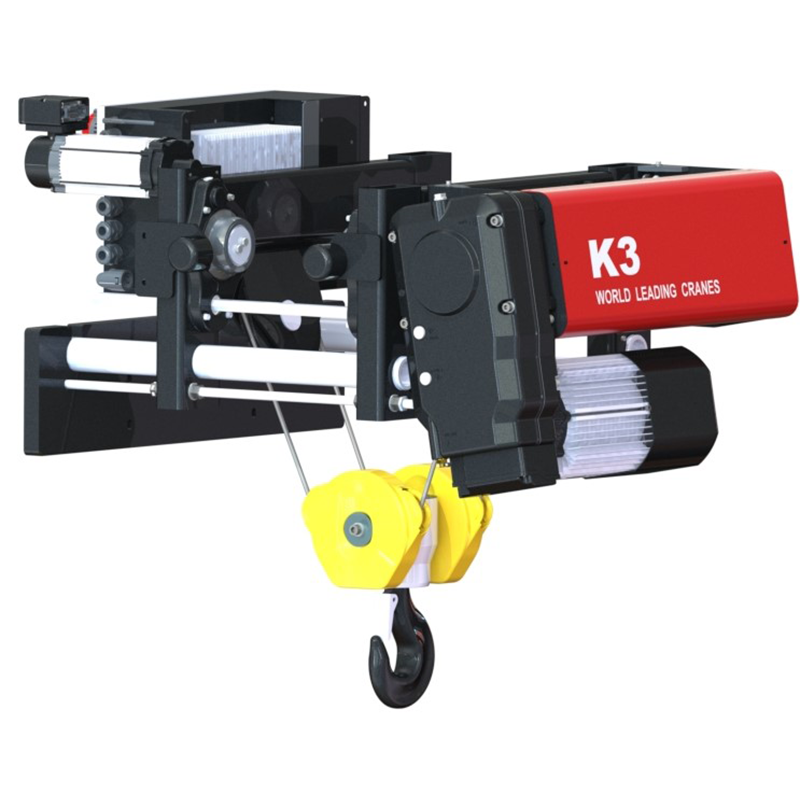
Have you ever found yourself questioning the true cost of productivity loss due to outdated hoisting methods? According to recent industry reports, mishaps in material handling can cost businesses millions annually. A hoist manufacturer may present enticing models, but are they addressing the deeper issues we face, like safety and efficiency? In the shadows lurks the atex hoist, a solution waiting to revolutionize your operations.

hoist manufacturer

What Makes Atex Hoists Different?

When I first encountered the limitations of traditional electric hoists, I was stunned—these solutions often fell short in safety and durability standards. Industrial environments demand reliability, and nothing can derail progress faster than equipment failure. We need to dig deeper than mere specifications. The atex hoist, designed specifically for hazardous areas, adapts to various circumstances without compromising safety. With its unique explosion-proof features, businesses can optimize workflow while protecting their employees.

Embracing the Future: What Lies Ahead for Hoisting Solutions

Looking ahead, hoist technology is evolving, as the industry begins to prioritize intelligent machinery over conventional counterparts. I recall a time when I struggled with a clunky ex hoist; we frequently faced downtime due to maintenance issues. Today, I marvel at how the integration of IoT and smart sensors elevates performance to unfathomable levels. The next generation of hoisting solutions calls for a re-evaluation of safety features and data integration. The ex hoist offers more than lifting capacity; it provides smart analytics for proactive management.

hoist manufacturer

Real-world Impact: The Shifting Landscape of Hoisting

In my recent project at a manufacturing facility, we upgraded to a new atex hoist system, resulting in a 30% reduction in operational downtime. This progressive shift not only enhanced productivity but also highlighted employee safety. The decision-making process now hinges on precise accountability, reliability, and responsive design—elements often overlooked until a crisis strikes. As you explore options, consider how integrated technology can transform your approach to material handling. Stay vigilant—those who adapt quickly will secure longevity in a competitive marketplace.

Key Lessons from the Journey

Through years in the industry, I have learned invaluable lessons in evaluating hoisting solutions. Here are three key insights to ponder:

  • Look for robust safety certifications tailored to your environment.
  • Examine the integration capabilities of new technology, such as real-time monitoring.
  • Prioritize maintenance support and warranty terms for long-term sustainability.

As you navigate the complexities of selecting the right hoisting solutions, remember that not all aspects are visible on the surface. There’s a world of potential hiding just beneath, waiting to be uncovered. My experience has confirmed that investing in quality hoists, like those from WORLDHOISTS, can ultimately safeguard not only your productivity but also your workforce’s well-being. The decision is yours—make it wisely, and the rewards will unfold. Who’s ready to lift the curtain on better hoisting solutions?

0 comments
0 FacebookTwitterPinterestEmail

The Importance of Size in Your Viewing Environment

Picture this: you’re hosting a movie night with friends, excited about the flick you picked. But the screen? Tiny, right? Did you know that a 32 inch smart tv monitor can drastically boost your viewing pleasure? You might wonder, what’s the magic behind smart TVs that makes them so essential?

Now, let’s break down a common issue: not all screens are created equal. Traditional monitors can leave you squinting, losing the immersion in what could be an epic scene. That’s where smart TV monitors flex their muscles—better resolution and smarter features that change your home-landscape for the better.

Why Choose a Smart TV Monitor?

Choosing a smart TV monitor is about maximizing your entertainment. We’re living in a world where streaming is king, and having a set that can connect seamlessly to your favorite apps can save you loads of time and circle back to some good flicks. And let’s not forget, your family will appreciate not having to hassle with cables—easy peasy!

The Search for the Right Size: The Bigger Picture

Now, while we’re talking size, let’s shift gears and compare the 24 inch smart tv monitor. Sure, it’s compact and cute—perfect for smaller spaces—but does it deliver the experience you’re after? I firmly believe in versatility; a larger screen often assists with a more immersive experience. You won’t just watch the movie; you’ll feel part of the story! Getting into the details, a 32-inch monitor provides a spectacular balance between space and impact.

Looking ahead, smart technology continues evolving. It’s like magic, where tomorrow’s innovations can make today’s choices feel outdated. That being said, consider future-proof options—investing in a robust smart TV monitor isn’t just about today, but ensuring you enjoy unbeatable viewing experiences down the line.

What’s Next for Smart TV Monitors?

Thinking about how technology will shape our viewing experience in the coming years? Advances in AI, screen quality, and streaming services will redefine what entertainment looks like. Trust me, it’s not just another gadget in your living room; it’s an investment in future joy! Key insights? Find a monitor that boasts high resolution, good refresh rates, and versatile connectivity options. In this fast-paced landscape, these elements will help you unlock incredible experiences.

Evaluating Your Options: Final Thoughts

As I reflect on my journey with various smart TVs, I’ve learned it’s crucial to focus on a few key evaluation metrics. Consider resolution first—higher pixels equal clearer images. Next, think about connectivity—your monitor should easily link to devices without hiccups. Lastly, assess your space. Choose size wisely, as it influences the overall experience. Remember, tailor-fit your choice to capture that perfect movie night vibe!

So, whether you’re going for the 32 inch smart tv monitor or contemplating the mini-comrade 24-inch option, know this: investing smartly in your tech can sprinkle some real magic into your entertainment space. Let’s keep those screens bright and those shows rolling, folks!

For reliable smart TV monitors that cater to your entertainment desires, check out NPC.

0 comments
0 FacebookTwitterPinterestEmail

The Hidden Challenges of Fermentation Tanks

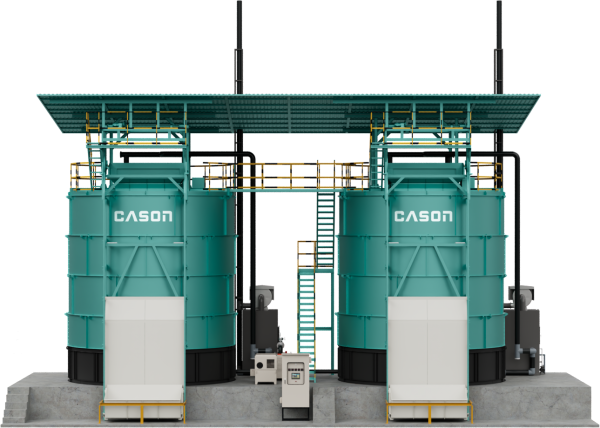
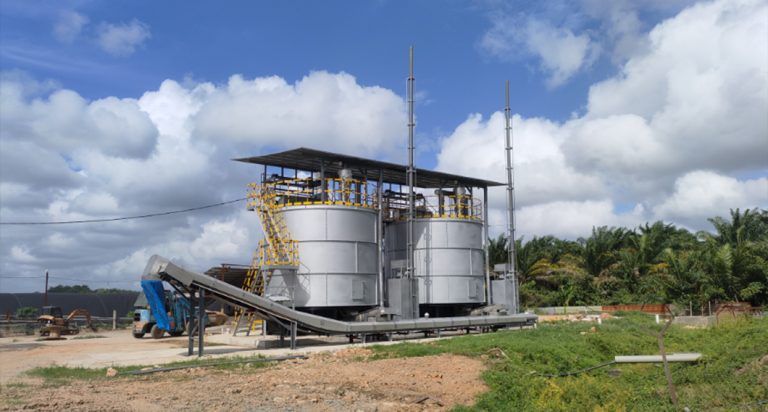
Did you know that improper management of poultry manure fermentation tanks can drastically reduce compost quality? With statistics showing that over 50% of poultry producers face significant challenges in nutrient retention, it’s clear that reliance on a poultry manure fermentation tank from china manufacturer can be a double-edged sword. This deeply technical niche may seem straightforward at first, but I’ve discovered nuances that can make or break your composting success.

fertilizer fermentation tank manufacturer

Recognizing the Flaws in Traditional Solutions

When I first entered the world of organic fertilizer production nearly a decade ago, I quickly found that many users are often unaware of the limitations of their fermentation systems. Typically, traditional poultry manure fermentation tanks are inadequate in managing moisture levels, leading to nutrient loss. This shortfall frustrates many farmers who expect optimal crop output. I vividly recall one client, still struggling despite investing in a seemingly state-of-the-art tank. It turned out the product incorrectly optimized for waste type, hampering efficiency. It’s essential to scrutinize such factors when selecting solutions.

fertilizer fermentation tank manufacturer

What Makes a Good Fermentation Tank?

In seeking a durable and efficient fermentation tank, consider several key aspects: aeration systems, insulation, and ease of maintenance. I firmly believe that a well-designed system can significantly boost nutrient retention and fermentation speed. Yet, identifying reliable manufacturers in this space can be a challenge. Often overlooked, research-driven companies like commercial composting machine manufacturer offer fully tailored solutions that address these pain points. That said, the groundwork you invest in choosing a tank can yield remarkably effective results.

What’s Next for Poultry Manure Fermentation?

Looking ahead, I see a trend toward integrated systems that combine fermentation, nutrient management, and climate control. The future is not just about managing waste; it’s about harnessing it efficiently. I’ve witnessed firsthand positive shifts among forward-thinking producers who opted for innovative technologies, streamlining their farms’ nutrient cycles. However, the right solutions should be evaluated not only for cost but also for their long-term operational impact. Here’s a thought: Are you prepared to adapt to these innovations, which promise to enhance both sustainability and profitability in your agricultural practices?

Evaluating Your Options

In light of my experiences, I’d suggest three key metrics to evaluate potential solutions for poultry manure handling: 1) efficiency in nutrient cycling, 2) adaptability to local agricultural practices, and 3) user-friendly maintenance and operation. As we navigate through various manufacturers and products, staying informed on these aspects can truly set the tone for your operations. No question about it, partnering with the right brand, like Cason, can provide the boost your fertilizer management strategy needs. After all, the difference between a mediocre and a thriving organic compost operation hinges on the tools and technologies you employ.

0 comments
0 FacebookTwitterPinterestEmail