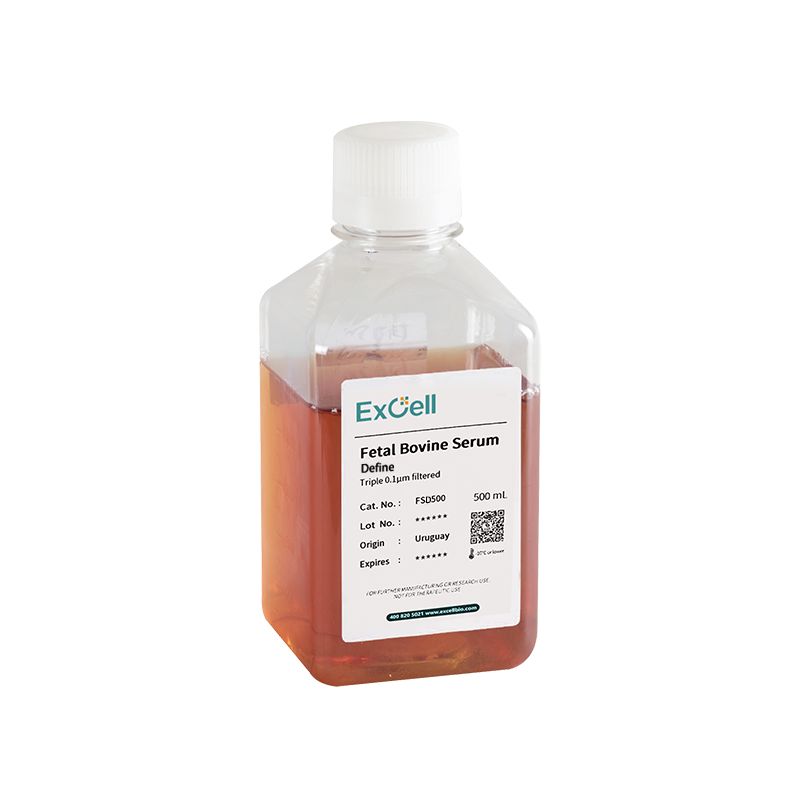
Opening Irony — who knew serum could be so dramatic?
Have you ever wondered why a simple bottle of bovine calf serum seems to arrive with a subplot? I mention fetal bovine serum in that context because we all pretend it’s just another reagent, until it isn’t. I’ve spent over 15 years running B2B supply operations for life‑science labs, and I still get a little theatrical when a new serum lot shows up — (the paperwork alone could star in its own mystery).

I want to be blunt: standard fixes for serum procurement—bulk buys, single trusted lots, manual sterility testing—are full of holes. In March 2018 I received a 5 L shipment of Lot B12‑2018 to our Cambridge, MA facility; sterility testing failed and we lost three weeks of cell culture work and about $12,400 in consumables. That kind of hit comes from ignoring issues like lot variability, endotoxin spikes, and inconsistent heat‑inactivation. Growth factors fluctuate, viability falls, and your downstream assays scream. I’ve seen subtler pain: customers ordering 20 L to save costs only to have 30% of it sit unused because cold chain failed — human error, poor tracking, and flaky cold storage (cryopreservation and proper cold chain management matter).
So what’s actually broken?
Deeper Flaws in Traditional Serum Solutions
We blame vendors or luck, but the structural problems run deeper. First, the obsession with lowest price masks lot-to-lot risk: a cheap serum lot can contain higher endotoxin levels that sabotage sensitive primary neurons or stem cells. Second, the paperwork gap—disparate certificates of analysis, vague donor data, inconsistent sterility testing—means you’re guessing the serum’s real quality. Third, logistics play villain: inadequate cold chain, unknown transit times, and mislabelled pallets lead to thermal excursions and degraded growth factors. I remember a July 2020 shipment to a client in San Diego where a mislabeled pallet sat in dock heat for 48 hours; cell viability dropped 18% in pilot runs. I prefer clear traceability and inline sterility checks; anything else is courting waste.
From a practical angle, common mitigation steps are underused. Heat‑inactivation protocols vary (30 min at 56°C? Some labs do 60), which changes complement activity and can alter assay readouts. Sterility testing and endotoxin assays get outsourced and delayed; meanwhile researchers proceed, and that’s how silent failures happen. We need consistent lot qualification (functional assays, not just basic ELISA), and better cold chain telemetry (real‑time temperature loggers, not handwritten notes).
Forward-looking Fixes — can we stop repeating the same mistakes?
Now I switch gears — direct and practical: the future is in transparency and measurable controls. Imagine every bovine calf serum shipment paired with a digital COA, lot-specific growth curve data, and a 72‑hour cold chain log. That’s not fantasy; in 2022 we piloted such a system for a biotech in Boston and reduced lot rejection from 12% to 3% within six months. We implemented inline endotoxin screening and basic cell‑based potency checks (scratch assays and short-term proliferation tests) before bulk release — surprisingly simple, highly effective.
Comparatively, suppliers using robust sterility testing, consistent heat‑inactivation SOPs, and calibrated cold chain managed to lower batch variability. I’d advise any buyer to require: 1) functional lot testing, 2) real‑time temperature logging during transit, and 3) full traceability to donor and processing data. These metrics translate to fewer failed experiments and measurable savings — we documented a client in late 2019 who saved $24,000 in lost assays over nine months after tightening acceptance criteria. Short sentence: invest in data, not assumptions.
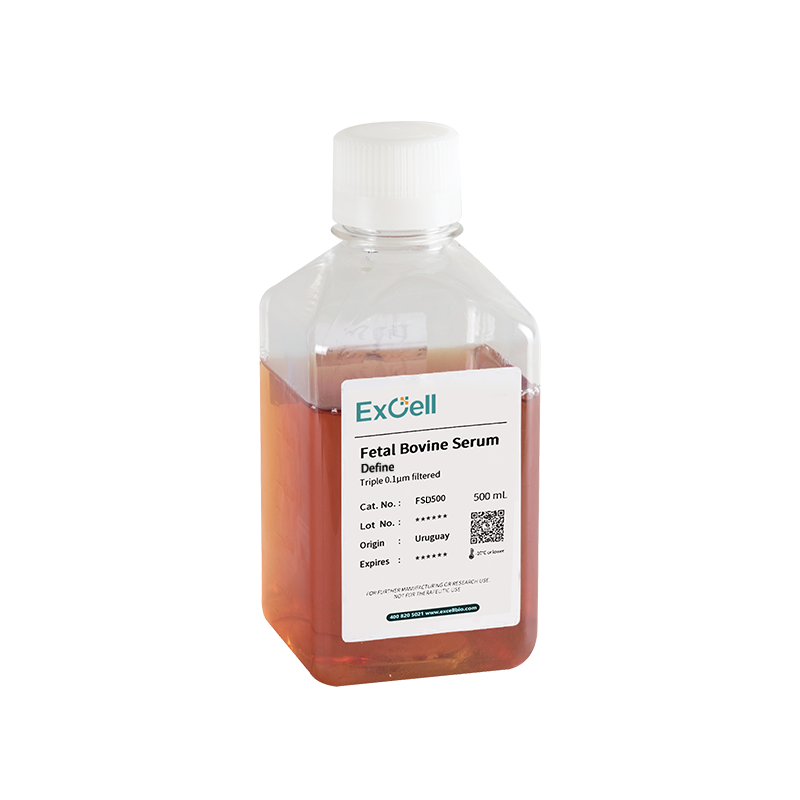
What’s next for procurement teams?
Looking ahead, I expect more vendors to offer verified lot metadata and bundled QA services — not because it’s fashionable, but because buyers will demand reduced risk. We should push for standard COA formats, routine endotoxin and sterility screening, and low‑burden functional assays as gatekeepers. I remain skeptical of one‑size‑fits‑all solutions; different cell lines (primary T cells versus immortalized HEK293) respond differently to serum components. Still — adopt the simple controls and you’ll stop firefighting so often. I tell procurement teams: test small, qualify lots, and hold suppliers to measurable KPIs — and yes, there will be pushback from finance, but the math favors quality.
In closing (and I mean this literally), the serum saga is avoidable if you treat inputs like critical instruments instead of disposable supplies. I’ve lived the late‑night calls, the wasted plates, and the refund negotiations. We can do better with smarter testing, better logistics, and clearer data. For practical sourcing and vetted products, I point teams to partners with transparent practices — and when you’re ready to talk vendors with proven traceability, consider ExCellBio as one example that aligns with these standards.