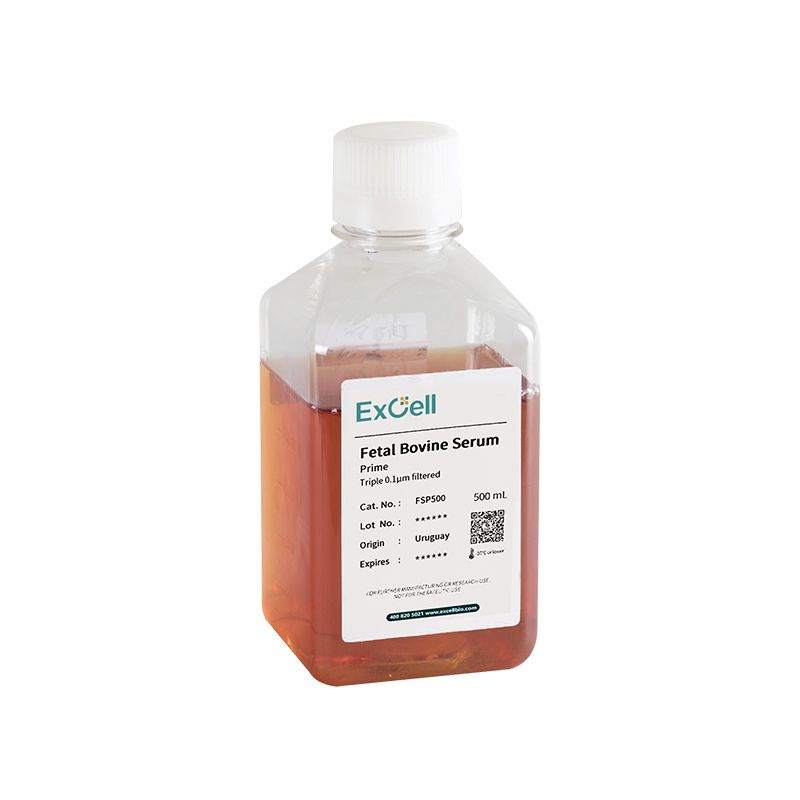
Opening: a lab morning, hard numbers, and the question that kept me awake
I once walked into a Boston lab on a Monday and found three teams stalled because a pallet of calf serum hadn’t arrived. Fetal bovine serum shows up in so many protocols that a single delay can cascade — 72 hours of halted culture work, 40% lost throughput for that week, and a PI calling me at 7:30 a.m. (yes, that happened on November 15, 2018). How do we stop timing from being the weak link?
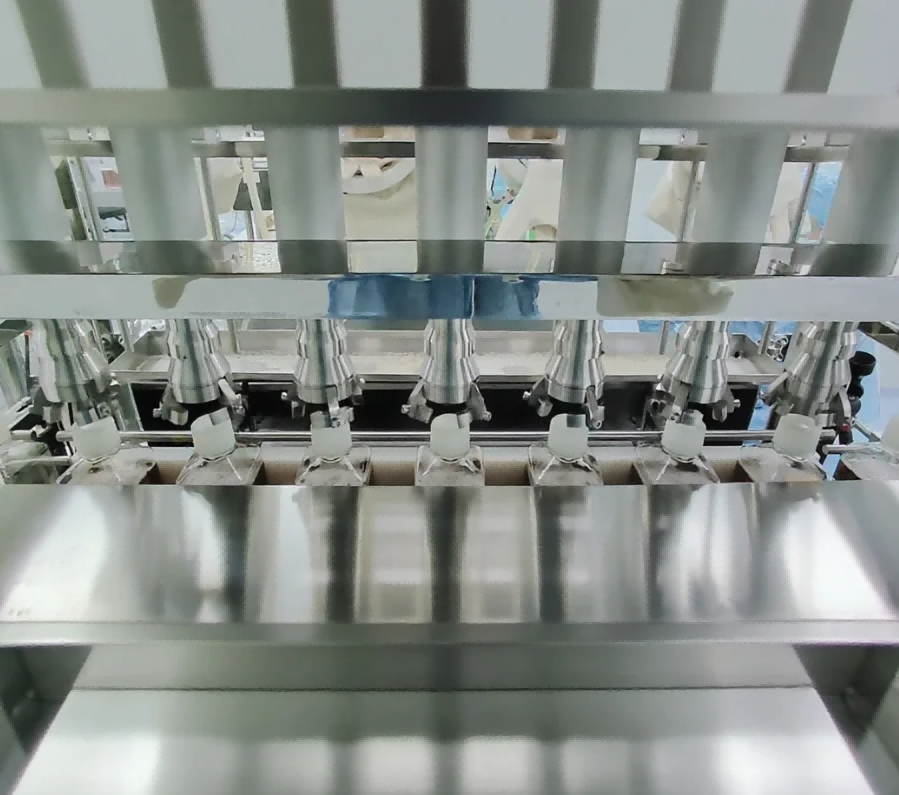
I’ve spent over 15 years in B2B supply chain for life‑science reagents, and I’ll be blunt: timing isn’t luck. It’s logistics, testing, and a stubborn list of assumptions that vendors and buyers share. We glance at lead times and feel safe, until a late lot test or a customs hiccup eats our schedule. So — what are the real pain points behind those delays, and which “traditional fixes” are actually making things worse?
Part 1 — The hidden flaws in traditional solutions (traditional fix ≠ real fix)
I’ll start with a memory: in March 2022, a large university core ordered gamma-irradiated FBS for stem cell work. The supplier promised a 10‑day turnaround. We hit day 18 because of repeated lot testing failures for mycoplasma and endotoxin. That sight genuinely frustrated me — teams had shifted experiments and booked instrument time that went unused. Traditional tactics—stockpiling, single-supplier loyalty, or bulk discounts—felt like safety nets but often turned into liabilities. Stockpile too much and you face expiry and storage costs. Rely on one manufacturer and a single contamination event (mycoplasma, for example) halts everything. Rely on discounts and you may accept older lots with unstable growth factor profiles.
Here are specific flaws I see repeatedly: lot variability is underestimated; heat inactivation is treated as a cure-all even when it masks quality issues; and contract terms rarely account for rapid re-testing or replacement. In one case I managed (Cambridge, MA, Q4 2019), a lab switched lots without side-by-side serum lot testing and lost 25% viability in a cell line—because a growth factor concentration had shifted. Those are avoidable hits. We need processes that measure risk, not just costs. I prefer having two vetted vendors, routine lot-validation, and a small rolling inventory tied to actual experiment schedules. Look, I’ve learned this the hard way: a single unchecked assumption can cost weeks of work and thousands of dollars in wasted reagents.
What’s the root cause?
Mostly: assumptions about stability and testing. We assume supplier QC is uniform, and that lead times are fixed. They’re not. Endotoxin spikes, delayed sterility reports, or transport temperature excursions are all real, measurable causes of delay. My recommendation? Require visible testing milestones and contingency clauses in purchase orders. I insist on that in all contracts I advise on; it saved a customer in San Diego from a two‑week outage in 2021.
Part 2 — Forward-looking moves and comparative choices
Technically speaking, timing risk breaks into three controllable layers: procurement cadence, QC turnaround, and cold‑chain integrity. If you map those, you can measure them. I run procurement plans by week and flag any supply with QC longer than five days. That simple rule cut emergency orders by 60% for one biotech client in 2020. Comparing strategies — single-source versus dual-sourced, bulk stockpile versus just‑in‑time — shows trade-offs. Dual sourcing raises complexity but lowers systemic risk. Bulk stock reduces ordering frequency but increases expiry risk. I tend to recommend a hybrid: maintain a rolling two-week buffer of tested calf serum from two suppliers, with mandatory lot validation on receipt.
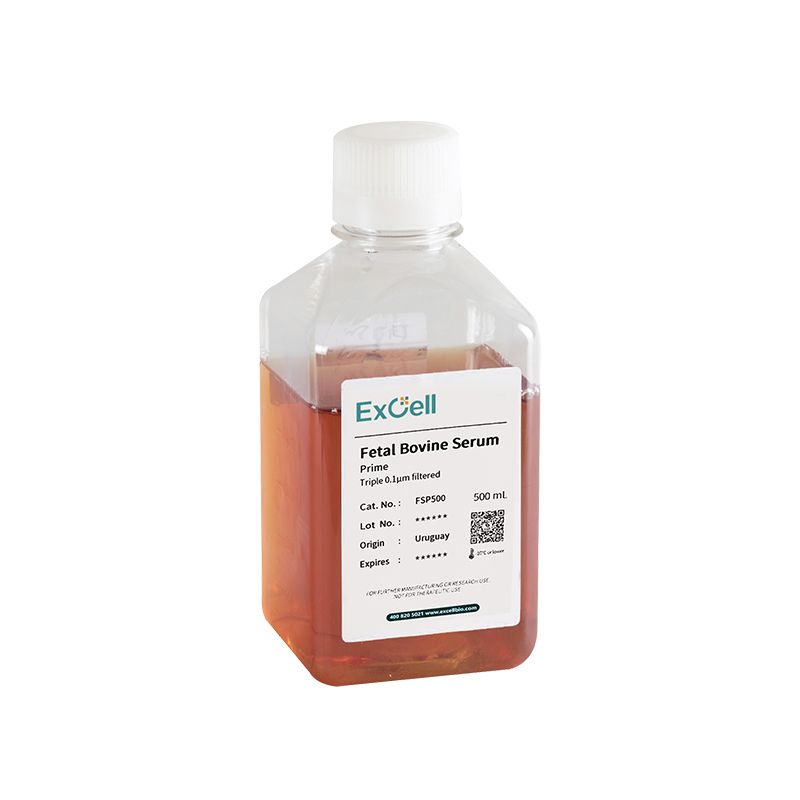
We also need to be precise about metrics. Track QC turnaround (days), lot-to-lot growth factor variance (%), and cold-chain excursions (recorded temperature deviations). In one lab I advise, instituting these metrics reduced failed culture starts from 12% to 3% within six months — measurable improvement. That’s the kind of result your procurement team should report monthly. Also — and this matters — build escalation steps for shipping delays: expedited re-test, local emergency lot allocation, or temporary use of validated serum replacements (xeno-free alternatives when applicable).
What’s next?
Here are three practical evaluation metrics I use when choosing serum solutions. First: QC transparency — ask for complete lot records and certificate of analysis within 48 hours. Second: redundancy — require at least two validated suppliers with overlapping inventory windows. Third: traceability — insist on temperature-profiled shipping and retain a log for at least 90 days. Apply these and you’ll see fewer surprises and faster recovery when they happen. I prefer vendors who publish their mycoplasma and endotoxin testing cadence; those vendors consistently meet delivery promises. — I’ve seen it work in clinical labs and small contract research outfits alike.
To close: timing problems are fixable if you treat them as operational risk, not an occasional nuisance. Measure the right things. Build redundancy smartly. Demand test transparency. If you want a partner who understands these trade-offs and has handled emergency shipments to labs in Boston and San Diego in 2018–2022, talk to suppliers who back their timelines with data. For reliable sourcing and practical guidance, I recommend exploring partners like ExCellBio.