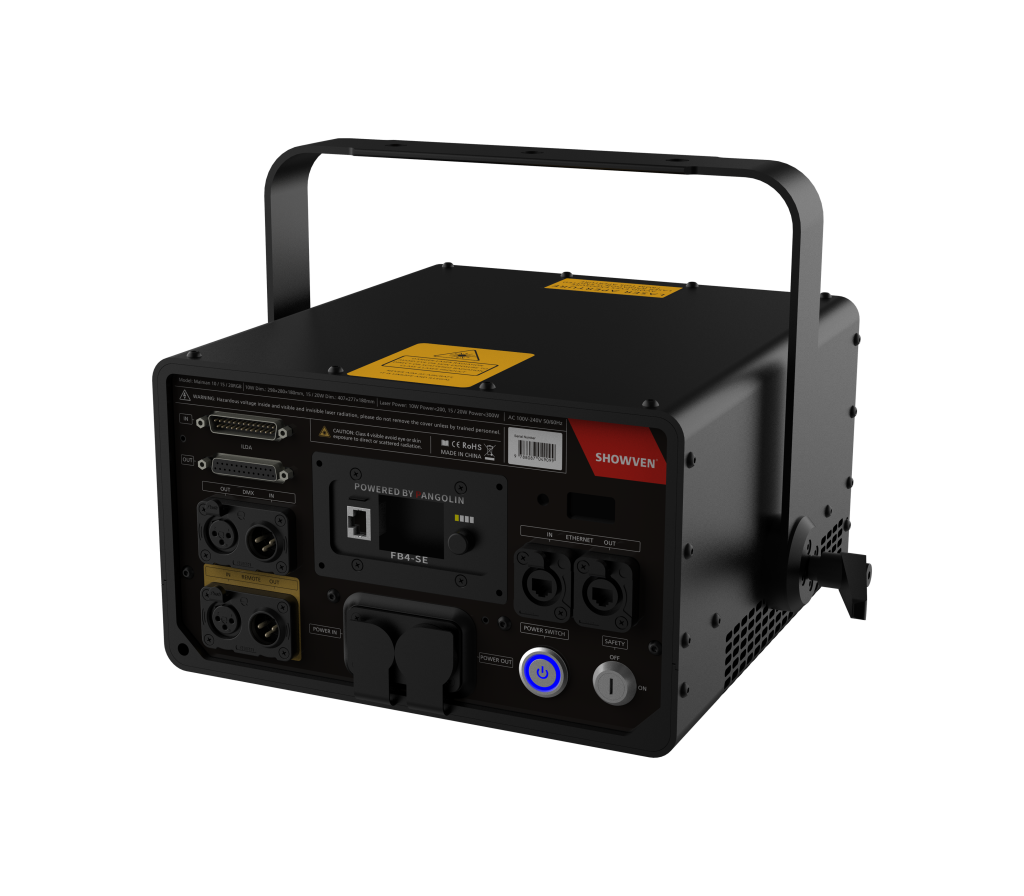
When the Room Is Full, Why Do Beams Feel Thin?
You lock a prime slot at a warehouse party. The DJ laser light rig you rented promised sharp lines and big-room energy. Yet once the floor fills up and the haze hangs, the beams look softer than the promo video (no, it’s not just your fog machine). In mid-size rooms, operators often lose a big chunk of perceived power to distance and air; at 30 meters, a 1 mrad beam spreads to about 3 cm, and that spread lowers punch. Add ambient LEDs, mirrored walls, and moving heads, and the eye’s attention splits fast. So the spec sheet says “watts,” but your crowd sees “meh.”
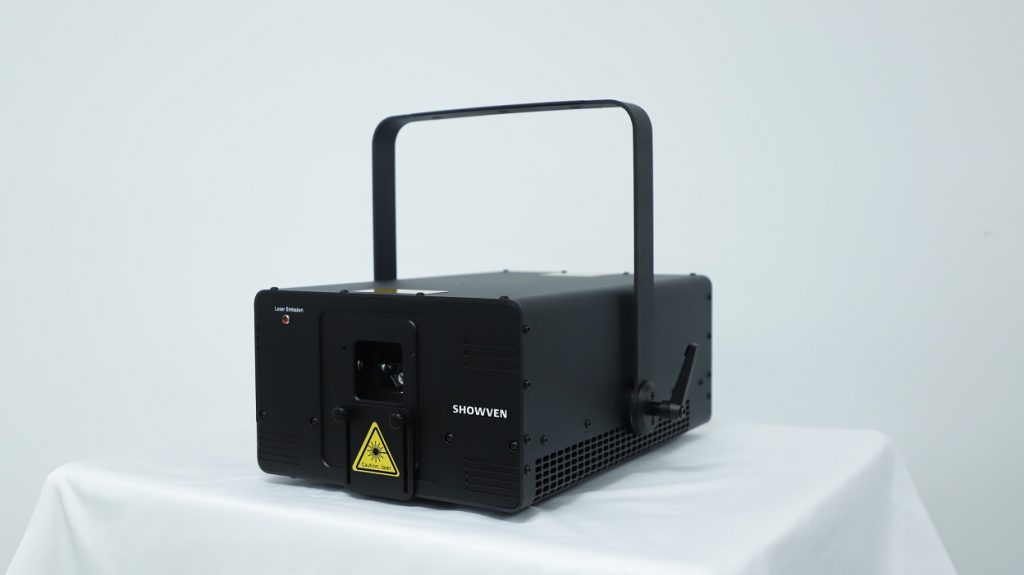
That gap between lab numbers and live space is where shows falter. Is it the optics, the angles, or the control chain? Probably a mix. The question is simple: how do we line up power, placement, and timing so the room stops eating your light? Let’s stack the spec against the venue and find out what actually breaks first—then fix it.
Under the Surface: Pain Points With Club Laser Setups
What trips most rigs up?
Most buyers choose nightclub laser lights by wattage and color, but the room writes the final script. The first culprit is beam divergence: small numbers matter, because spread kills intensity fast over distance. Next, scan angle meets physics. Push wide looks, and your galvo scanners have to cover more space at the same frame rate; go too wide, and lines blur. Control paths add friction too—DMX512 is simple for cues, but for smooth vector art, an ILDA DAC or stable Art-Net pipeline is safer. Power distribution? Brownouts from tired power converters cause flicker that feels like “lag,” even when timing is fine.
Then there’s placement. Mount lasers too low and the crowd blocks the throw; too high and you’re painting ceilings, not air. Haze density swings minute to minute and alters visibility; thin haze erases mid-air beams, heavy haze blooms them into mush. Safety interlocks and scan-fail limits are non-negotiable, but they also clip your creative angles if you don’t map zones with care. Look, it’s simpler than you think: match beam divergence to room length, keep scanning within your kpps headroom, and feed clean power so thermal throttling doesn’t sneak in mid-set. Miss any one step, and the best spec turns ordinary.
Next-Gen Fixes and Smarter Choices
What’s Next
Forward-looking rigs pair smarter optics with smarter control—funny how that works, right? Variable beam expanders let you tune divergence to room size on the fly, keeping mid-air brightness tight. Auto-mapping tools use quick camera scans to build “no-go” zones, so you push bold looks without risky audience scanning. Edge computing nodes at the truss can watch haze density and adjust power per zone in real time. On the control side, stable Art-Net with timecode tightens choreography, while higher kpps scanning preserves detail at modest angles. When you combine all that with well-tuned party lights and lasers, you get contrast where it counts: crisp fans, defined tunnels, readable logos. Less guessing, more glow.
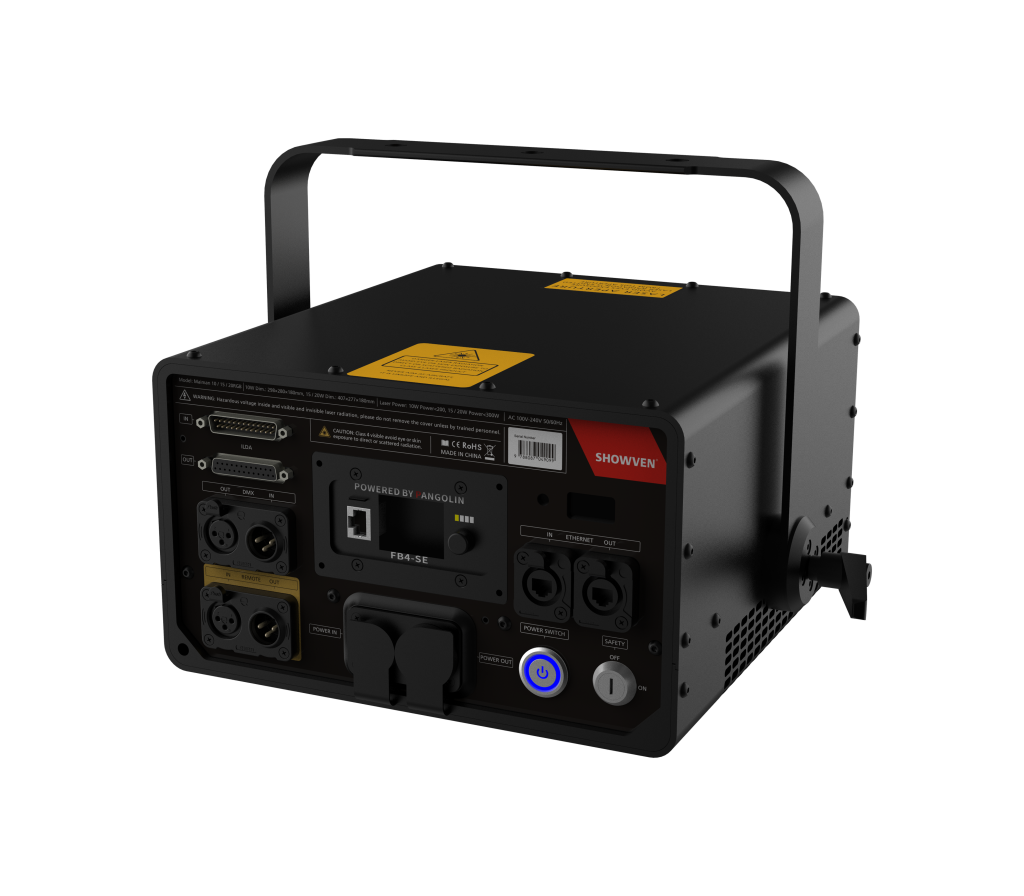
To pick smarter, use three checks that cut through hype. First, effective brightness at distance: ask for modeled irradiance at your throw lengths, factoring beam divergence and haze (not just total watts). Second, scanning headroom: confirm kpps at your actual scan angle and frame complexity, not a best-case micro-logo. Third, control and power stability: measure end-to-end latency on DMX512 or Art-Net, and verify clean input plus PFC power converters to avoid ripple under load. Get those right, and your cues land, your lines stay sharp, and your crowd looks up at the drop. If you want a benchmark for how these pieces come together, keep an eye on engineering-forward makers like Showven Laser.