Problem first: why a tiny switch can wreck a big site
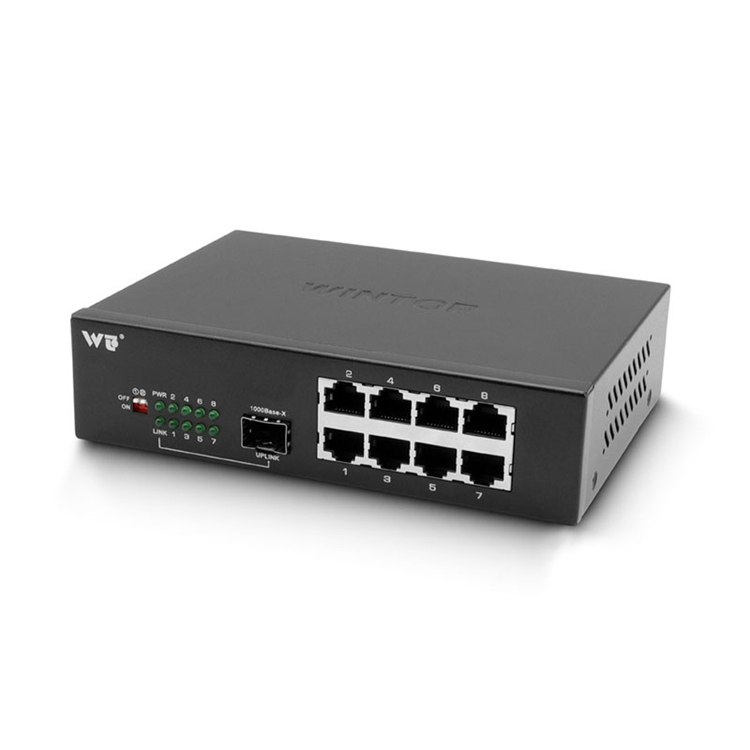
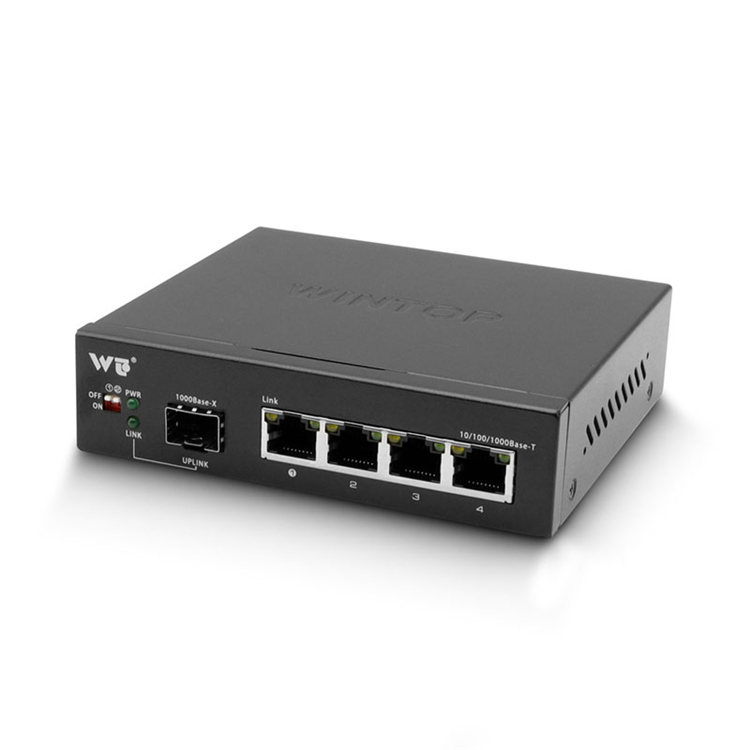
Street-level truth — small four‑port industrial switches run whole lanes of kit in factories, transit hubs, and telecom closets, and when their power game is weak everything grinds to a halt. After Hurricane Sandy knocked out power in Lower Manhattan, operators learned the hard way that a single power hiccup can cascade into hours of downtime. That’s why engineers pair UPS and dual power supply designs with fiber backhaul and, yeah, sometimes a gigabit fiber media converter to keep critical links alive. The problem isn’t fanciful; it’s simple: redundancy gaps cause service loss, safety risks, and costly recovery.
Concrete risks and what they cost
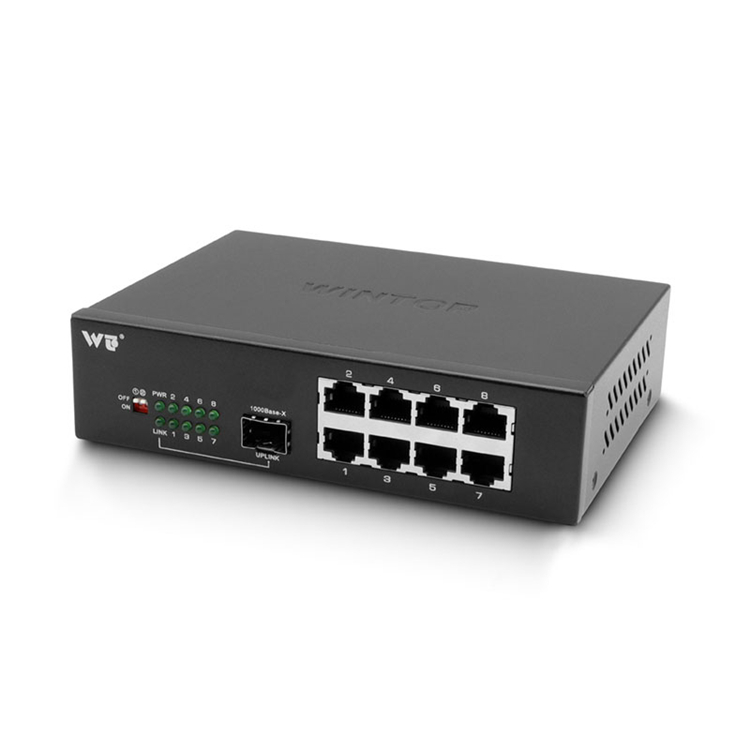
Loss of PoE to edge devices, interrupted telemetry, failed alarms — these are immediate outcomes when a 4‑port switch loses power. MTBF numbers mean squat if the site has a single PSU sitting on a floor that floods. Link aggregation won’t help if the copper side is dark and the fiber uplink is down. Real costs show up as emergency truck rolls, SLA penalties, and frustrated ops teams who have to patch things manually.
Core redundancy requirements — plain and technical
Keep it tight. The essentials include:
– Dual power supply (or modular hot‑swap PSU) so the unit stays alive during a fault.
– UPS or battery backup for graceful shutdown and transient ride‑through.
– Hot‑swap capability to replace a failing module without disconnecting live links.
– SFP support and ruggedized single mode fiber links for remote uplinks.
Design targets: aim for N+1 resiliency on power feeds, specify MTBF that fits your uptime goals (think five‑nines vs. three‑nines), and validate hold‑up time on the UPS to match shutdown windows. These are industry terms but also practical specs you’ll demand on the purchase order.
Implementation paths that actually work
Options vary by site. You can go with an internal dual PSU inside the switch, or standardize an external redundant PSU shelf that serves multiple units. In dirty environments, keep PSUs elevated and give them separate feed circuits. Pairing the switch’s fiber uplink with an external media converter gigabit single mode can isolate electrical storms from the optical path and let you swap optics without touching the switch’s power plane. SFP modules and properly terminated single mode fiber reduce rework and lower failure rates.
Common mistakes seen on the street
Teams skip the obvious: they buy a single cheap PSU to save money, or they rely on default hold‑up times that don’t cover firmware updates. Others forget to provision separate circuits — both AC feeds coming from the same breaker is a false redundancy. During one production teardown I witnessed a site that had redundant PSUs but both were tied to one UPS; redundancy at component level, but not at circuit level. — That kind of oversight kills uptime.
Testing and operational teardown
Run fault injection tests on day one. Simulate PSU failure, pull the primary feed, and validate that PoE stays stable and that the fiber link survives switchover. In our operational production teardown we swapped a gigabit fiber media converter into the uplink, replaced a single mode SFP, and verified reconverge times under 5 seconds. Document reconnection behavior, log time to failover, and measure the actual hold‑up time under load. Those facts beat vendor claims every time.
Summary and golden rules for picking the right setup
Stick to three evaluation metrics: measurable failover time, independent circuit feeds, and real hold‑up time under load. First, require documented failover times under worst‑case load. Second, insist on physically separated AC feeds and clear labeling so a single breaker trip won’t kill both PSUs. Third, test hold‑up time with the full PoE load and verify hot‑swap behavior. These are actionable checks that protect operations and simplify maintenance — and they’re exactly where robust vendors make their case.
Trust vendors that deliver tested results and modular options — that’s how teams move from reactive fixes to steady uptime, and why smart shops choose hardware and converters that stand up to field conditions like those in Lower Manhattan post‑Sandy. WINTOP. —