Introduction
Have you ever paused and wondered why some shops seem to leap ahead while others stall on the exact same shop floor? In many cases the difference comes down to what CNC turn mill center manufacturers choose to measure and prioritize — and the data backs that up: productivity gaps of 20–40% show up between shops that standardize metrics and those that don’t. Picture a small job shop (late shift, one operator juggling setups) and then imagine the same floor with smarter fixtures and tighter cycle time control — which would you bet on? So where do we start when improvement feels overwhelming, and which signals really matter?
Deeper Issues: Why Traditional Approaches Fall Short
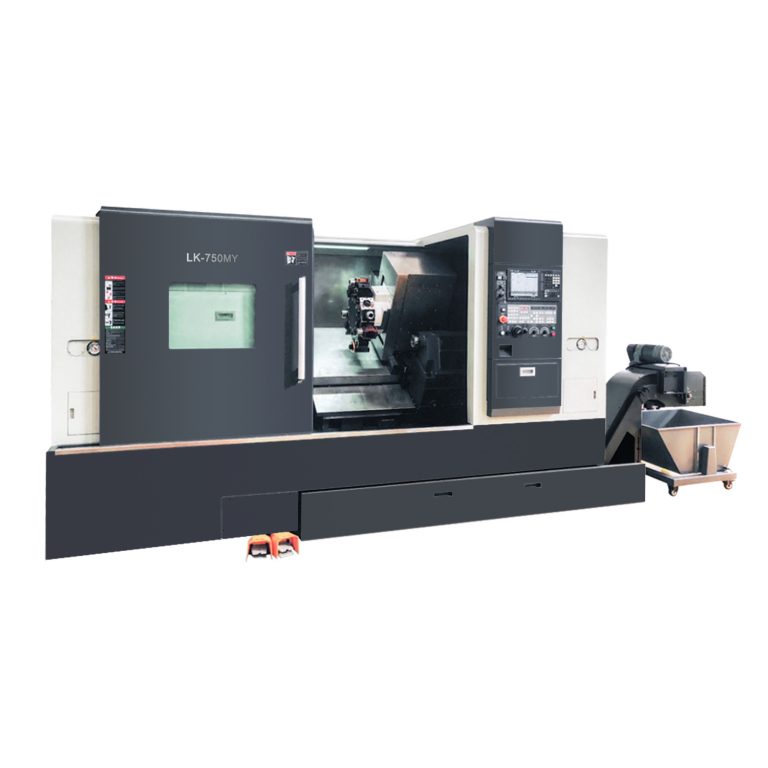
I like to begin by defining the machine at the center of the debate: a multifunctional mill turn center blends turning, milling, and sometimes drilling in one footprint. That sounds ideal on paper, but I’ve watched the same promise trip up teams again and again. Traditional setups expect operators to stitch processes together manually. The result? Longer tool change times, misaligned setups, and missed spindle speed optimization — all of which erode throughput.
What goes wrong?
First, planners often assume single-point fixes will solve multi-dimensional problems. They’ll tune spindle speed or upgrade tooling, but leave axis synchronization and live tooling workflows unaddressed. Second, handoffs between turning and milling steps — especially where a subspindle is involved — create hidden waits. Look, it’s simpler than you think when you map it out: bottlenecks are sequences, not isolated failures. I’ve seen cycle charts where 30% of the elapsed time is pure waiting — tool changer delays, part indexing, manual probing. — funny how that works, right? The fix demands systems thinking: optimize the CNC controller logic, reduce tool magazine swaps, and tighten fixturing strategy rather than only chasing RPMs.
Future Outlook: Principles for Next-Gen Turn-Mill Centers
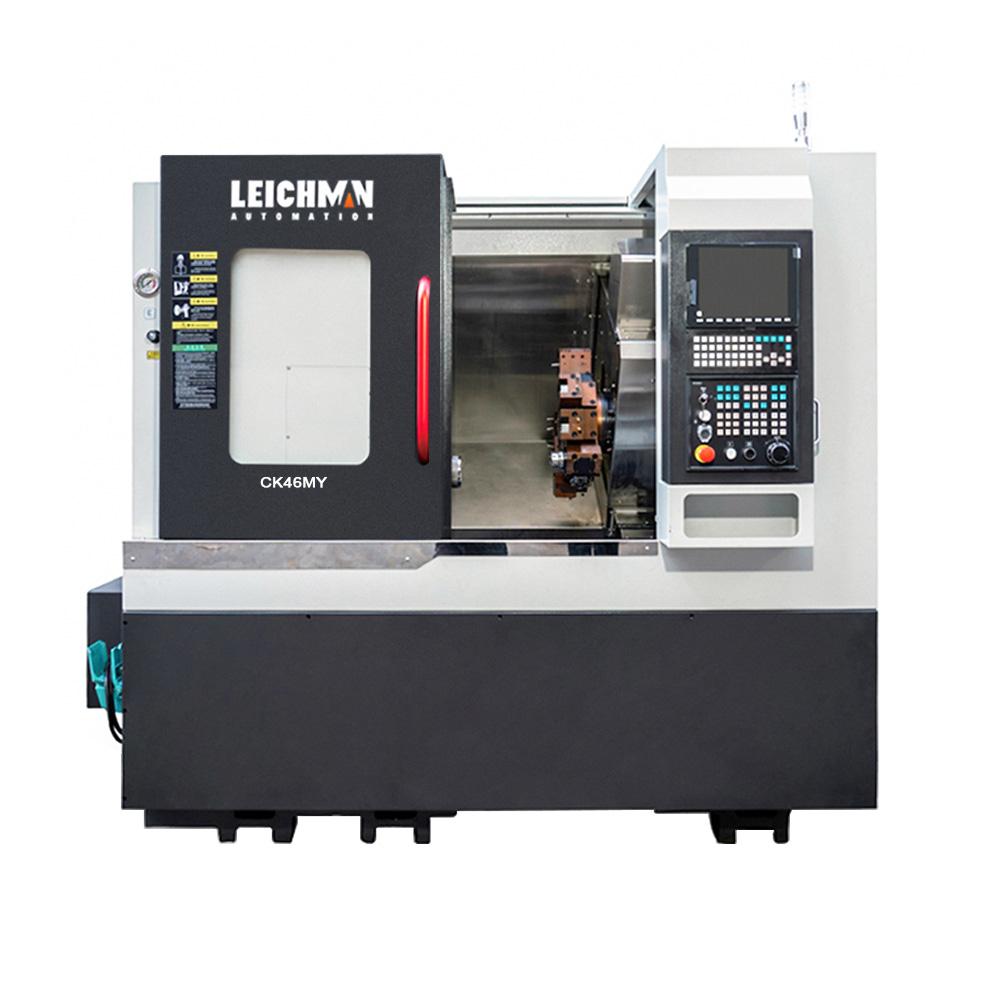
Moving forward, I focus on core principles rather than buzzwords. For me, that means designing around predictable flow, not one-off speed gains. New control strategies (edge processing of sensor data, smarter tool path scheduling) can unlock consistent gains. Consider the role of a cnc turning lathe as more than a cutter — it becomes a coordinated cell that balances spindle torque, controller commands, and tool life management. If we tune all these in concert, we beat the piecemeal approach hands down.
What’s Next?
Practically speaking, I recommend three evaluation metrics to separate real solutions from hype: 1) Effective Cycle Utilization — percentage of time the part is actively being cut versus idle; 2) Changeover Footprint — time and steps required for switching job families; 3) Predictable Surface Quality — measured variance in finish across runs. Use those, and you’ll see where investments pay off. We’ve tested these metrics in pilot runs, and improvements were measurable within two weeks — small changes compound fast. — and yes, that matters.
Finally, when you’re ready to benchmark vendors or plan upgrades, keep the questions simple: How does this control strategy reduce idle time? What is the expected reduction in tool swaps? Can the system report these metrics automatically? I’m convinced the right focus beats the flashiest spec sheet. If you want a practical partner in this work, consider checking out Leichman — they’ve been in the trenches and will talk through trade-offs honestly.