Introduction — a quick scene, a few numbers, then a question
Have you ever stood beside a busy welding bay and wondered how any human could tolerate that air day after day? I have — and that curiosity led me to dig into what actually keeps people safe on site. Right now, fume extraction companies report that fine particulate exposure still affects thousands of shop-floor workers annually, with localized concentrations spiking during peak operations (welding, soldering, chemical mixing). So: how do we make the systems that surround those workers genuinely reliable and easy to live with?
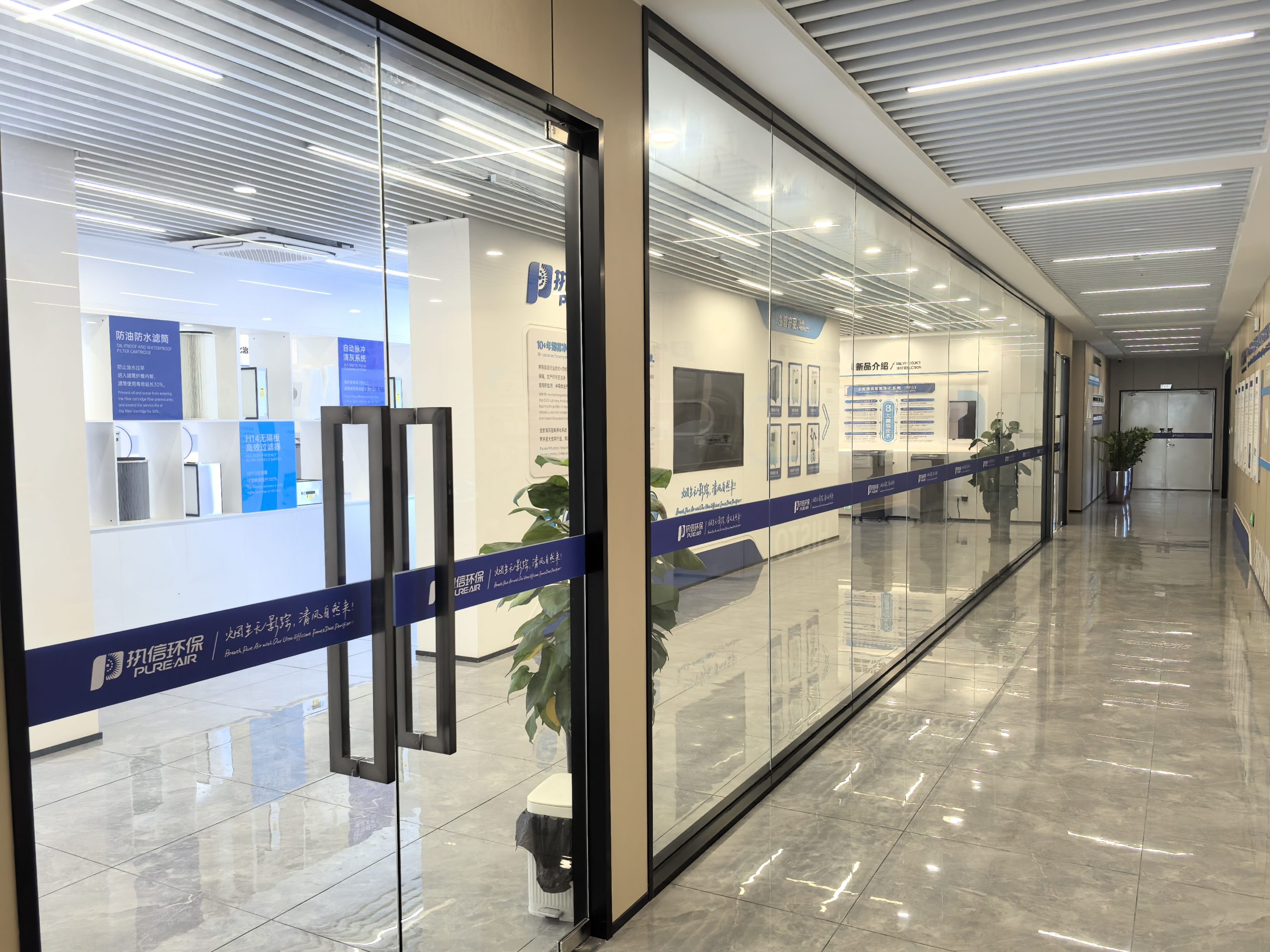
I’m thinking of real shop-floor scenes — helmets up, sparks flying, ductwork snaking overhead — and the gap between a neat spec sheet and the mess of everyday use. That gap matters to fume extraction companies and to the people on the line. Look, we can measure capture velocity and airflow rate until our heads spin, but practical failures keep cropping up. — Let’s move into what usually goes wrong, and why it matters.
Part 2 — Where standard fixes fall short (technical, focused)
fume extraction system designs often look fine on paper, but once installed they reveal several predictable weaknesses. I’ll be direct: vendors sometimes prioritize peak airflow numbers over sustained performance. That means a system with a great initial CAD rating can lose efficiency because of poor ductwork layout, clogged filtration cartridges, or mismatched fan motors. Those are not glamorous issues, but they’re the ones that make workers open windows and hope for the best.
Why do specs fail in real life?
First, capture velocity is measured at a specific point, yet operators move around. You get spotty protection. Second, maintenance gaps — dirty HEPA filters and worn belts — cut performance fast. Third, electrical and control mismatches (think: under-sized power converters) cause variable fan speeds and unstable suction. I’ve walked facilities where edge cases — cluttered benches, makeshift hoods, temporary tooling — broke a carefully modeled solution within weeks. In short: design intent collides with human behavior and site realities. That collision is a better target for improvement than chasing one more cubic-feet-per-minute number.
Part 3 — Looking forward: practical tech and realistic outcomes (semi-formal outlook)
What’s next is less about a single breakthrough and more about combining smarter sensors, modular filtration, and realistic maintenance plans. A modern fume extraction system needs to tie capture hoods to local controls, feed simple diagnostics to operators, and use filtration cartridges sized for real duty cycles. I’m convinced the future is about pragmatic tech: reliable control logic, affordable edge computing nodes to flag underperformance, and ductwork designs that accept — not fight — shop habits. — funny how that works, right?
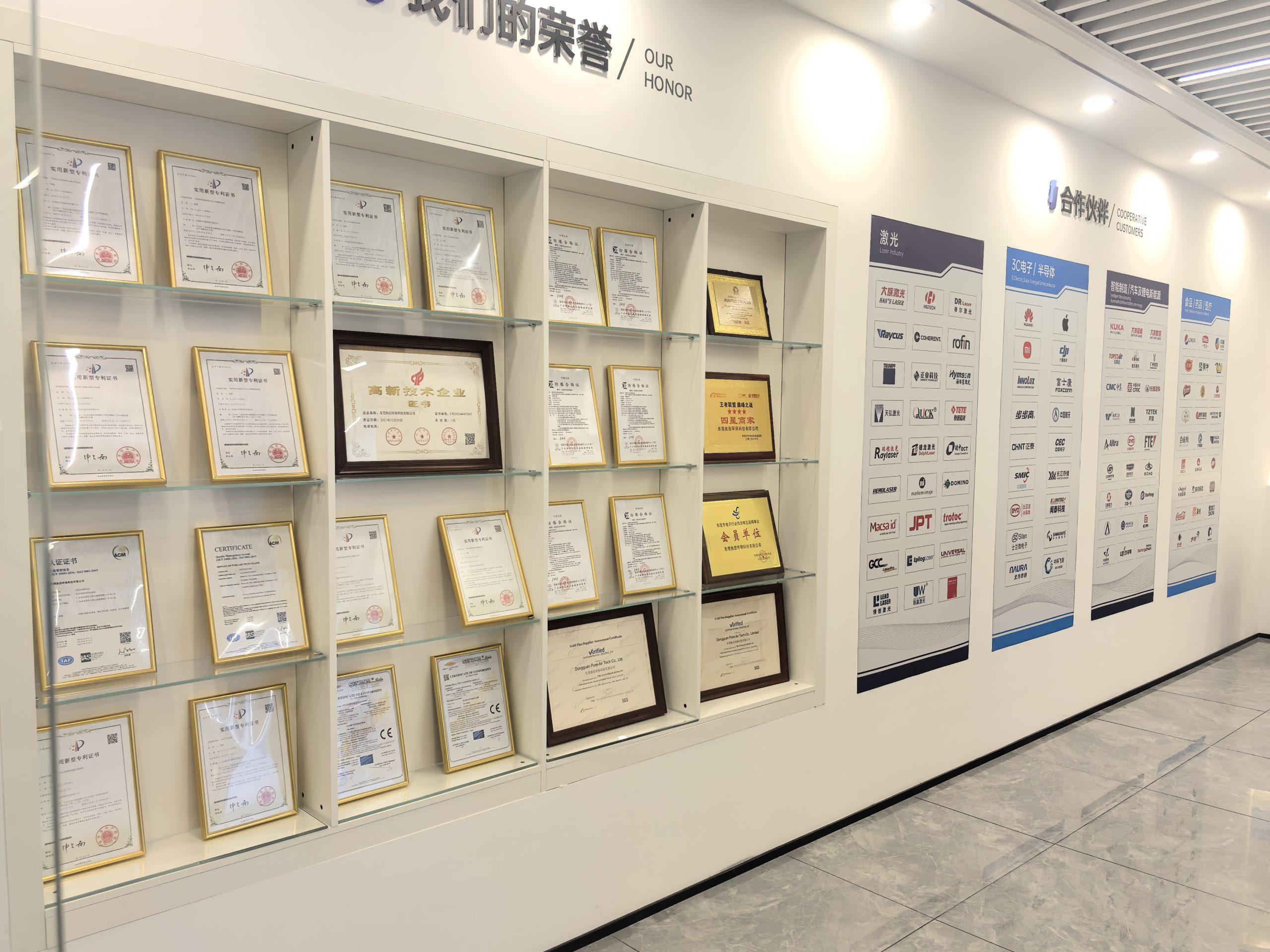
Practically speaking, facilities will benefit from three shifts: first, measure usable protection (not just peak airflow); second, monitor components (filters, fan motors) with simple alerts so maintenance happens on time; third, prioritize modular parts so a small failure doesn’t take the whole line down. Wait, real talk: these aren’t glamorous, but they’re what keep people breathing easier. As you evaluate options, consider uptime, measurable capture, and service responsiveness. For hands-on buyers, I recommend focusing on those metrics — they predict outcomes better than glossy brochures. And if you want to start somewhere, talk to brands that back design with field service and real-world data, like PURE-AIR.