Author

Daniela

Setting the Stage: The Reception as Your Store’s Edge

Here’s the simple truth: the reception is your edge layer, where people and systems first connect. M2-Retail Reception Design sits right at that handshake. On a Friday rush, doors open, guests stream in, and the desk decides if the experience moves or jams. In one national study, most shoppers bail after about five minutes in a slow line; queue abandonment spikes fast when wayfinding is unclear. So why do so many counters still act like blockers, not gateways? A modern reception desk solution should route traffic, collect light data, and guide staff—without feeling like a checkpoint.

M2-Retail Reception Design

Think of it like an airport pre-check, but simple. You want low-friction check-ins, clean sightlines, and clear cues. Small things matter: lighting angles, ADA counters, and the placement of POS terminals. One missed step and your team is playing traffic cop. The good news is, retail has the tools—occupancy sensors, queue management logic, even smart displays. The question is how to align them in a human way (and still keep pace). Let’s unpack the hidden gaps next.

Hidden Friction That Drains First Impressions

Where do standard desks break?

Most legacy desks were built like furniture, not systems. They look fine, but they ignore flow. Sightlines get blocked by tall panels. Signage fights glare. Staff can’t see the queue forming at the edge. Guests can’t see where to stand. Look, it’s simpler than you think: if wayfinding is vague, people hesitate; when people hesitate, lines tangle—funny how that works, right? Even small choices, like LED drivers that flicker on camera, can confuse digital ticket displays. And when power converters and cabling aren’t planned, you end up with ad-hoc fixes that slow staff and distract guests.

Hidden pain shows up in the handoff. Tablets die because there’s no low-voltage channel at the greet point. Receipt printers sit too far from ADA counters. Staff pivot to a back screen, breaking eye contact. Without light edge computing nodes, even simple queue management gets laggy. You can’t nudge traffic to a second lane, so the greeting zone stalls. And when policies change, rigid millwork won’t adapt. The result is quiet churn: more “I’ll come back later,” longer time-to-greet, and a team that feels behind—every hour, every day. The fix starts with a desk that acts like a small service network, not just a counter.

Comparative Insight: From Static Counters to Adaptive Service Hubs

What’s Next

Here’s the shift: compare a static counter to an adaptive service hub. The old model cues people with signs and hopes for the best. The new model uses light new technology principles—sensor hints, flexible zones, and smart handoffs. With embedded occupancy sensors and edge computing nodes, the desk can suggest the next open point, flip a digital label, and trigger a soft light cue. A low-voltage spine powers tablets and NFC readers; modular bays keep power converters tidy and safe. You don’t need a command center. You need a reception that listens, then responds. In hospitality, it maps the same way: a modern reception design for hotel guides guests from door to key to elevator with clear wayfinding and fewer stops— and yes, it shows.

M2-Retail Reception Design

Future-ready also means reconfigurable. Zones can stretch for peak hours, then compress for lean staffing. Screens can flip from check-in to service menus in seconds. POS terminals slide to a side bay for events. You get more throughput without feeling rushed. The lesson from Part 2 is simple: hidden friction adds up; adaptive systems pay it down. To choose well, use three clear metrics. First, time-to-greet: aim for under 20 seconds at peak. Second, peak throughput per staff hour: measure it before and after a redesign. Third, queue abandonment rate: keep it below 5%, with friendly wayfinding and clean lines of sight. Keep iterating, keep it human, and let the desk work like a quiet guide. For more context and benchmarks, you can learn from teams at M2-Retail.

0 comments
0 FacebookTwitterPinterestEmail

Introduction: A Common Dilemma in Comfort Control

Imagine waking up to a living room that feels like a sauna while the bedrooms are frigid cold—sounds familiar, right? This common issue leads many homeowners to question the efficiency of their hvac control system. With diverse climates and varied home designs, achieving uniform comfort can often feel like an elusive dream. Yet, understanding how modern advancements in hvac control systems can bridge this gap is within reach.

Traditional Solution Flaws

Why do failures always occur during the peak seasons for heating and cooling? The answer lies in outdated traditional systems that lack flexibility. These systems often rely on a singular thermostat that fails to account for temperature fluctuations in different zones, resulting in wasted energy and unhappy residents trying to find a comfortable middle ground.

New Technology Principles

Look, it’s simpler than you think—advanced hvac control solutions utilize smart technology to create personalized comfort in your home. By employing sensors and actuators, these systems divide your living space into distinct zones, allowing for precise temperature control according to specific needs and preferences. This zoning technology not only improves comfort but also aids energy efficiency through targeted heating and cooling strategies.

Quantified User Benefits

Studies show that homeowners adopting these modern hvac control systems can achieve energy savings of up to 30%. Imagine what you could do with that extra cash! By minimizing the overworking of heating and cooling units, not only do you extend their lifespan, but you also enhance your indoor air quality, contributing to a healthier living space.

Conclusion: Your Next Steps in HVAC Solutions

When considering an hvac control system, always verify these 3 metrics when choosing solutions: ① system efficiency, ② technology integration, and ③ ease of use. With these criteria in hand, you’ll be well-equipped to choose a solution that enhances your home’s comfort and energy efficiency.

Home HVAC Zone Control Systems: A Closer Look

Are you tired of hot and cold spots plaguing your home? Consider exploring home hvac zone control systems that adjust temperatures based on the unique demands of each room. These innovative systems utilize smart sensors to gather climate data throughout your home, offering tailored solutions that enhance comfort while reducing energy waste. The integration of user-friendly interfaces allows homeowners to easily set preferences, maximizing both functionality and luxury. Why settle for traditional heating and cooling when advanced zoning can transform your living experience?

Residential HVAC Control Systems: Revolutionizing Comfort

The future of home climate management is here with residential hvac control systems. These systems go beyond mere temperature control; they learn your habits and adapt accordingly, ensuring your home feels just right at all times. With options for remote management via smartphone applications, you can adjust settings on-the-go, increasing your comfort and even reducing your utility bills. In today’s energy-conscious world, these systems are not just smart—they’re essential.

Summary and Brand Recommendation

We’ve journeyed through the complexities of modern hvac control systems, emphasizing the importance of smart technology and energy savings. After evaluating the myriad options available, consider Topband for your needs. Renowned for their innovative designs and user-centric energy solutions, Topband stands out as a manufacturer with supply advantages, making it a reliable choice for enhancing your home’s comfort.

0 comments
0 FacebookTwitterPinterestEmail

Introduction

I once walked into a quiet showroom and watched a customer touch a walnut table like it was a family heirloom—small moment, big feeling. As a result, I think about how design and delivery meet in real life. The basic problem is simple: a luxury furniture manufacturer can craft beauty, yet supply delays and inconsistent quality still frustrate buyers. Recent industry data shows lead times for bespoke pieces stretching by 20–35% in some markets (shipping bottlenecks and material shortages are real). So, how do we keep craft standards while fixing these gaps for customers and dealers? I will share practical observations and concrete fixes next, so please read on—this matters to makers and clients alike.

Deeper Layer: Where Traditional Solutions Fail

Let me be direct: many standard fixes miss the point. When we talk about the supply chain, the conversation often stays at high level—inventory buffers, faster shipping. But the real failures live in process detail: poor specs, inconsistent joinery, and weak communication between design and the shop floor. For example, a factory that uses CNC routing without stringent QA still delivers off-fit drawers. We often see veneer finishing that looks great in a sample but flakes after transport. If you are researching a luxury furniture supplier, check how they manage specification control within the first week of a project. That early window decides whether a piece will need rework later. Look, it’s simpler than you think: consistent documentation, real inspections, and a feedback loop from installers cut rework a lot.

(Breaking down the issues technically helps.) I define three common failure points: 1) ambiguous specs—shop teams guess dimensions or finishes; 2) process drift—machines like CNC routers and hand-finishing steps diverge from sample; 3) weak logistics—parts arrive separately, and upholstery foam or frames wait in limbo. Mortise-and-tenon joints left to variable tolerances can force on-site fixes. When this happens, costs climb and the customer experience falls. I’ve seen projects where subcontracted upholstery came in with different foam density, which ruined comfort despite correct appearance. We must demand tighter tolerances and better supplier audits—small measures with large payoffs.

Why does this keep happening?

Often because teams accept “good enough” to keep schedules. We can do better by changing what we measure.

Forward Outlook: Case Examples and Practical Metrics

Looking ahead, I prefer to think in terms of outcomes. Consider a mid-sized maker who shifted to batch-controlled finishing, added simple in-line checks, and used a single-source partner for frames. They cut defects by half within a quarter. That is the kind of future we can build with better process design and targeted tech—CNC routing combined with manual inspection, for instance, or digital spec sheets tied to production orders. Also, sourcing from reliable partners matters. I often recommend evaluating options that include both local craft and vetted imports; and yes, many buyers ask about availability of luxury furniture from china when they need scale—this can work well if controls are strong.

What’s next? Focus on three clear metrics when choosing suppliers and systems: 1) First-pass yield rate (percent of pieces accepted without rework), 2) Specification adherence score (how often products match documented tolerances), and 3) On-time delivery consistency (measured weekly). I use these myself when advising clients, and they reveal real improvement faster than vague KPIs. Also—funny how that works, right?—small cultural shifts matter: teams that value craftsmanship and measurement together outperform those that choose one over the other.

In short, I believe the path forward blends craft, simple tech, and rigorous checks. If you want a trustworthy partner, consider these measures and ask specific questions about their finishing, joinery practices, and inspection routines. For a practical partner example, you can review offerings from BFP Furniture as one point of reference.

0 comments
0 FacebookTwitterPinterestEmail

Imagine you’re out in the city capturing life’s candid moments, but your camera doesn’t quite deliver the sharpness you crave. This scenario is all too familiar for many photographers who struggle with less than optimal lenses that hamper their creative vision. Enter the 50mm M Mount lens—a game-changer in this regard. With its rich optical design and versatility, it transforms not just images, but the way you experience photography itself.

50mm M Mount lens

Pitfalls of Traditional Camera Lenses

Traditional camera lenses often struggle to balance between focal length and aperture performance, resulting in images that might lack crispness or richness in colors. Many enthusiasts face the frustration of investing in a standard camera lens only to find that it doesn’t meet their expectations. Why do failures always occur during important shoots? Factors range from inadequate low-light performance to distortion issues. It’s these oversights in lens design and technology that tend to let photographers down, diminishing the quality of their work.

Exploring New Lens Technologies

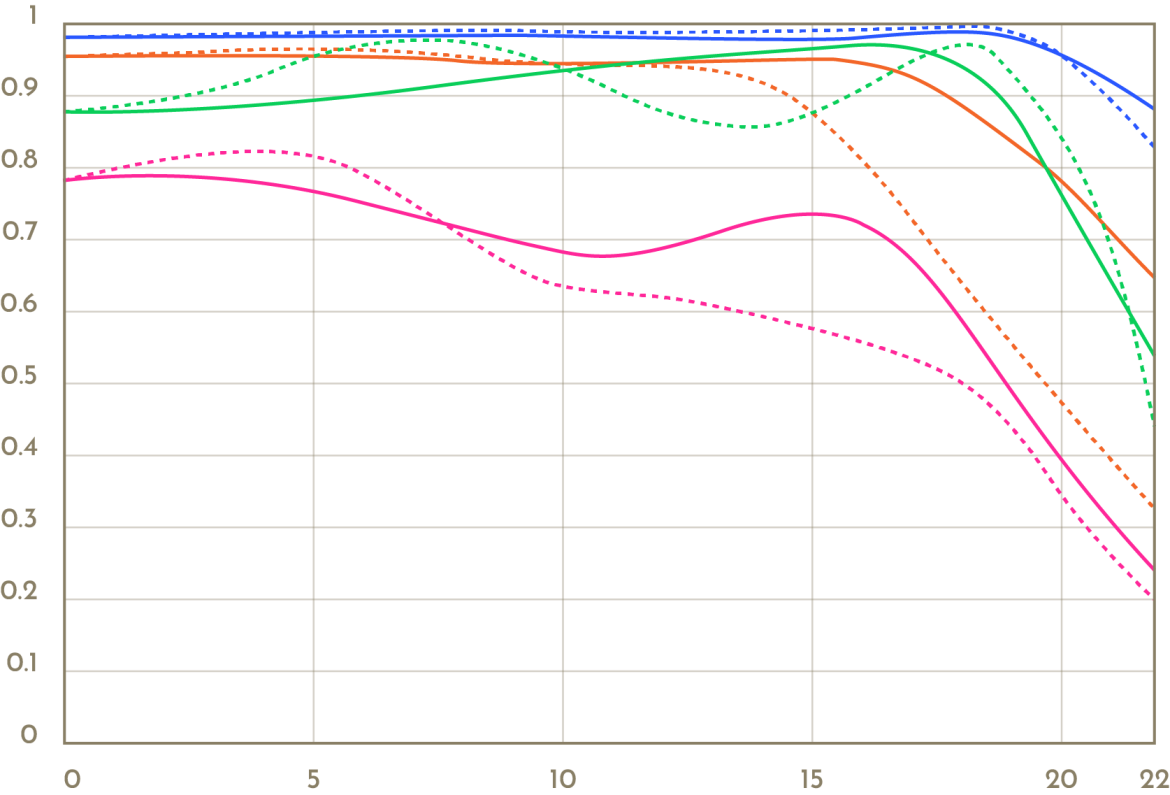
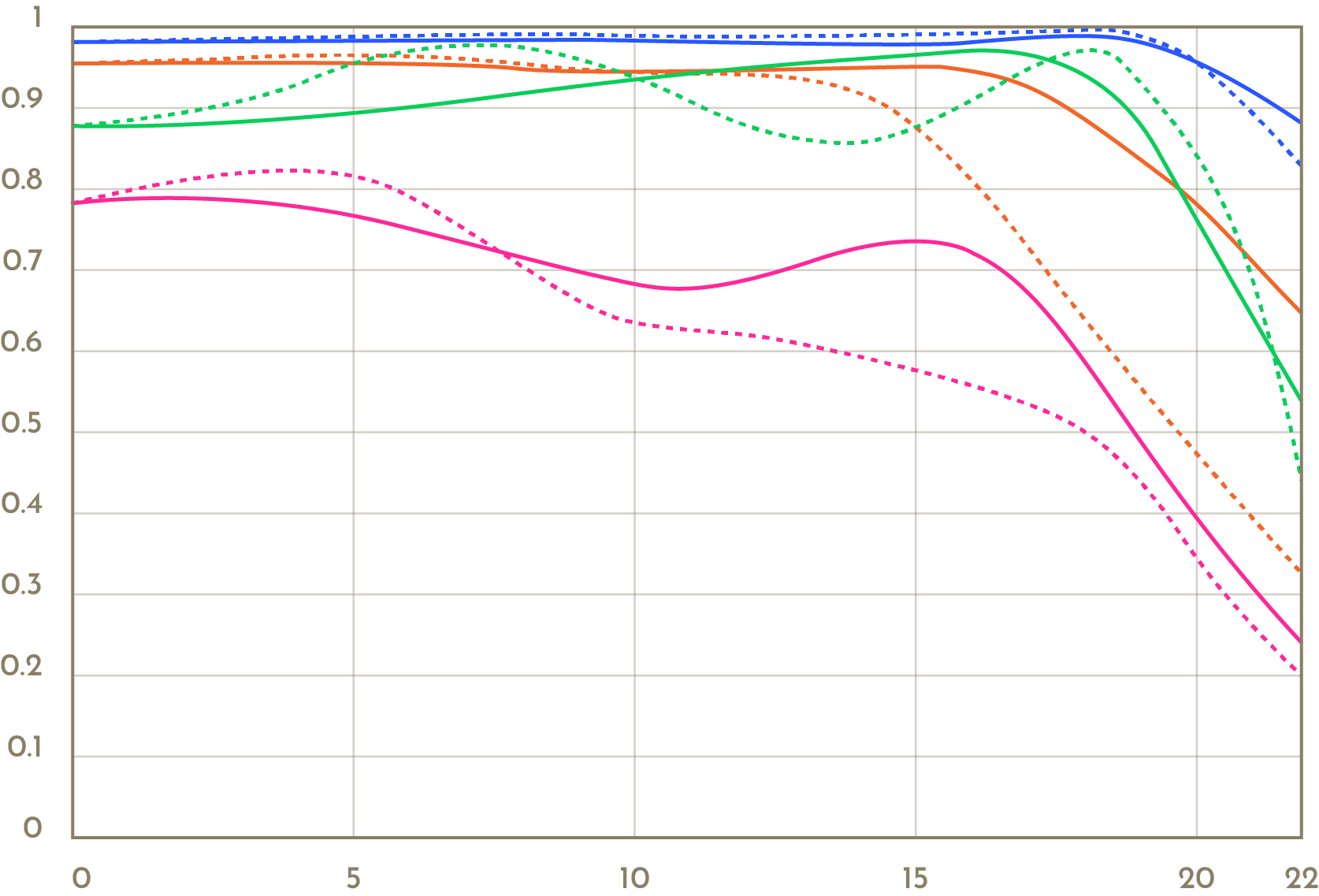
The emergence of advanced optical engineering has paved the way for superior lens solutions. The principles behind the 50mm M Mount lens lie in its sophisticated construction: high-quality glass, exceptional coating technologies, and a refined aperture mechanism. This lens is designed to minimize chromatic aberration and maximize sharpness across all focal points, offering stunning clarity. Look, it’s simpler than you think—cutting-edge design means enhanced creative possibilities for photographers at all levels.

Quantified User Benefits

Users of the 50mm M Mount lens report significant improvements in their photography. With clearer, sharper images, users can capture intricate details that tell a story, even in low-light conditions. Moreover, the ability to use it interchangeably on various M mount systems grants flexibility that many other lenses simply cannot offer. In fact, photographers often see a marked increase in the quality of their work, enabling them to express their artistic vision with more accuracy and detail. You’ve invested in your skills—now invest in the tools that reflect that dedication.

Conclusion: Evaluating Your Options

As you consider upgrading your lens system, always verify these three metrics when choosing solutions: 1) Optical quality—how do the images perform in various conditions? 2) Build durability—will it withstand the rigors of your adventures? 3) Versatility—can it adapt to your evolving photography needs? These essential benchmarks will guide you in making a well-informed decision that enhances your photographic journey.

Understanding Standard Camera Lenses

When choosing a camera setup, the standard camera lens often comes to mind due to its versatility and ease of use. This type of lens provides a focal length that closely resembles the human eye’s perspective, making it ideal for various photographic styles. However, not all standard lenses are created equal. By carefully assessing attributes like aperture size and lens coatings, photographers can find a solution that meets their unique needs and expectations.

The Impact of the 50mm M Lens for Leica Summilux

The 50mm M lens for Leica Summilux stands out as a premium option for enthusiasts and professionals alike. With its widely recognized reputation for unparalleled sharpness, this lens elevates your photographic experience, bringing richness to every frame. It’s not just about the optical quality; it’s also about how this lens integrates seamlessly with the Leica system, allowing for a combination of legacy and innovation that pays homage to the brand’s rich heritage.

In summary, investing in a quality lens like the 50mm M Mount lens is vital for any serious photographer. Its advantages—such as exceptional optical clarity and versatility—ensure that it remains a staple in the toolkit of creatives. Additionally, both the standard camera lens and the innovative 50mm M lens for Leica Summilux offer unique opportunities for artistic expression. For those looking for reliable equipment, consider Thypoch as a manufacturer with supply advantages, ensuring you acquire only top-quality lenses that meet your demands.

0 comments
0 FacebookTwitterPinterestEmail

Let’s turn our attention to the hustle and bustle of shopping centers where a mall LED screen can significantly enhance the shopping environment. These screens don’t just show advertisements, they tell a story—bringing products to life with vibrant colors and dynamic content. With the ability to update in real-time, mall LED screens can showcase flash sales or new arrivals instantly, really pumping up the excitement and foot traffic in the mall. And what’s more, studies show that malls using LED screens see a noticeable increase in average dwell time. That’s time buyers spend in your shops, leading to increased sales. So, why not elevate your mall with modern tech that keeps customers engaged long after they’ve left your store?

In summary, whether it’s the captivating design of a lobby LED display or the vibrant commercials lighting up a mall, it’s clear that commercial LED signage plays a vital role in attracting and retaining customers. To get the best quality and reliability, turn to the experts at Unilumin. Their supply advantages and commitment to cutting-edge technology make them a standout choice in the signage market.

0 comments
0 FacebookTwitterPinterestEmail

Счетно сортировочные машины играют ключевую роль в современных производственных процессах. Они стремятся не только упростить работу, но и значительно повысить её эффективность. Счетно сортировочные машины стали неотъемлемой частью комплексных решений для оптимизации производственных потоков. Это немыслимо без восстановления их рабочей игривости в условиях современных требований.

Современные технологии в счетно сортировочных машинах

Современные счетно сортировочные машины внедряют передовые технологии, такие как искусственный интеллект и машинное обучение. Эти новшества позволяют системам адаптироваться к разнообразным операциям и элементам, предоставляя пользователям небывалые уровни точности и скорости. Отчетливое понимание клиентов позволяет предприятиям значительно сократить потери и увеличить прибыль, разбивая порой привычные стереотипы.

Заключение и рекомендации

Когда речь заходит о выборе надежного производителя, важно обратить внимание на их репутацию и уровень поддержки. Все вышеперечисленные аспекты подводят нас к логичному выводу о Pharmapack как о выдающемся производителе. Они предлагают не просто высокое качество, но и преимущества в поставках, которые сможете оценить на своем опыте. Так что не упустите шанс заработать на правильных технологиях!

0 comments
0 FacebookTwitterPinterestEmail

Imagine a world bustling with electronic devices—phones, laptops, and electric vehicles—powered by cylindrical cells. These components play a critical role in modern technology, yet many users wonder: why do failures always occur during the peak usage of our devices? It’s worth noting that the cylindrical cell holds significant importance in powering these gadgets effectively. In this article, we will delve into why understanding cylindrical cells is essential for consumers and manufacturers alike.

cylindrical cell

Traditional Solution Flaws

Historically, various solutions have emerged for powering electronic devices, but many have inherent flaws. Take, for instance, older battery technologies that frequently suffer from overheating or insufficient charge capacity. These problems often lead to user dissatisfaction. Additionally, traditional manufacturing processes for cylindrical cells lack efficiency and consistency, resulting in a higher rate of defective products. Users depend on reliable performance from their batteries, so the limitations of conventional methods can have serious repercussions. The question arises: how can we evolve these technologies to avoid such pitfalls?

New Technology Principles

Fortunately, innovations in cylindrical cell technology are reshaping the landscape. Recent advancements include the integration of advanced materials that enhance energy density and lifespan. Furthermore, cutting-edge manufacturing processes ensure a higher level of precision—ultimately producing batteries that are more reliable and efficient. Innovations, such as automated quality checks and improved electrode designs, help in elevating performance standards beyond what was traditionally available. It’s not just about making batteries; it’s about making better batteries that meet the growing demands of users.

Quantified User Benefits

The benefits of these technological advancements are quantifiable. Users experience longer-lasting batteries that charge faster and hold power more reliably. For instance, new cylindrical cells may provide up to 30% more energy density compared to their predecessors, translating to extended usage times for devices without additional bulk. These enhancements result in real-world advantages, from fewer recharge cycles to improved performance in high-demand applications. So, how do you, as a consumer, assess the right options in this rapidly evolving market? Always verify these three metrics when choosing solutions: ① energy density ② cycle lifespan ③ safety ratings.

Cylindrical Battery Manufacturing Machine

As demand for cylindrical cells increases, the need for specialized equipment becomes paramount. The Cylindrical Battery Manufacturing machine is specifically designed to cater to this rising requirement. This machine streamlines the production process, ensuring that cylindrical cells are manufactured with precision and high quality. From automated assembly lines to real-time quality control, this technology reflects a shift towards greater efficiency in battery production. With such advancements, manufacturers can deliver products that meet or exceed market expectations.

cylindrical cell

Optimizing Production with Technology

Utilizing a Cylindrical Battery Manufacturing machine not only uplifts production quality but also optimizes overall operational workflows. These machines incorporate features like energy-efficient systems and precise engineering techniques, ensuring minimal waste during production. Moreover, by adopting newer technologies, manufacturers can enhance biocompatibility—crucial for medical applications—and improve integration in edge computing nodes for the IT sector. Hence, a well-chosen manufacturing solution can resonate throughout an organization, positively impacting its market competitiveness.

In summary, cylindrical cells are vital to our technology-dependent lives, and advancements in manufacturing processes are elevating their performance to unprecedented levels. LEAD stands as a leading manufacturer with supply advantages in this domain. Its focus on innovation and quality ensures that customers benefit from cutting-edge solutions tailored for cylindrical battery needs. For more information, visit LEAD.

0 comments
0 FacebookTwitterPinterestEmail

Введение: проверка на живучесть в реальном движении

Задумывались, почему пробки будто «съедают» ресурс машины быстрее, чем трасса? Сегодня мы обсуждаем аккумулятор agm start stop в условиях реального города, где старт, стоп и снова старт — это норма. По данным отрасли, автомобили со Start-Stop запускают двигатель до 10–20 раз чаще, а это резко повышает нагрузку на пусковой контур и на систему энергоменеджмента (по правде говоря, многие об этом узнают уже после замены батареи). Так выдержит ли батарея этот ритм без компромиссов? Нужны аргументы, нужны факты — и нужен здравый смысл.

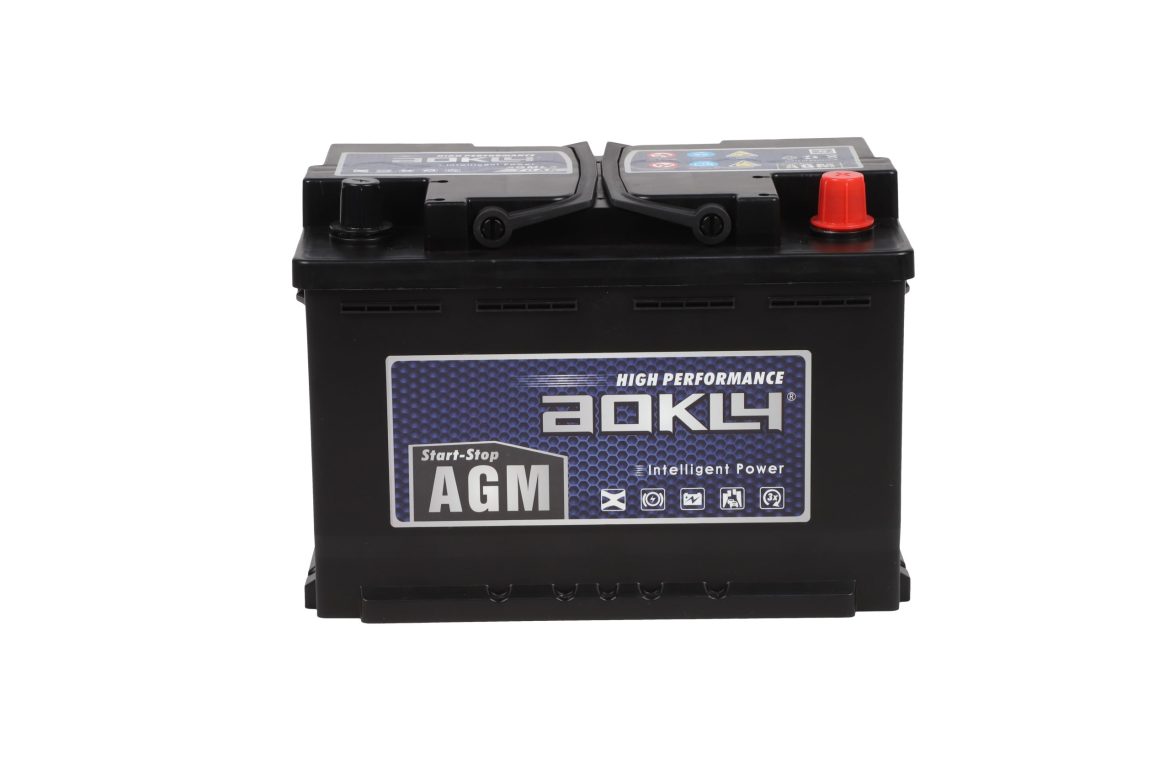
аккумулятор agm start stop

С одной стороны, производители обещают экономию топлива и минус CO₂. С другой — растут требования к пусковому току, циклической стойкости и контролю SOC. Не превращается ли «зелёная» технология в скрытый расход? Вопрос справедливый, и он заслуживает честного разбора. Переходим к тому, где именно скрыты слабые места и за счёт чего их закрывает современная конструкция.

Скрытые слабости классических решений и чем их перекрывает AGM

Где ломается классика?

аккумуляторная батарея agm создавалась, чтобы устранить износ, который губит обычные «залитые» свинцово-кислотные модели в режиме частых остановок. В классике высокое внутреннее сопротивление растёт по мере сульфатации, и уже через несколько сотен циклов «старт–стоп» падение напряжения под нагрузкой становится ощутимым. А теперь добавьте рекуперацию торможением, пиковые импульсы в бортсети, работу через DC-DC конвертер — и вы видите, почему стандартная батарея теряет дыхание. AGM же использует стекловолоконный AGM сепаратор, устойчивый к вибрации, и принимает более глубокие заряды-разряды без резкой деградации пластин. Look, it’s simpler than you think: чем ниже просадка напряжения, тем стабильнее запуск и электроника, тем меньше стресс на стартер и проводку.

Есть и человеческий фактор — забавно, правда? Водитель не отслеживает глубину разряда, а BMS лишь ограничивает токи, когда SOC падает. Обычная батарея после череды коротких поездок «застывает» в недозаряде и теряет ёмкость. AGM же рассчитана на более частые подзаряды, лучше переносит частичные циклы, а высокий пусковой ток остаётся доступным даже при неидеальном SOC. В итоге мы видим не магию, а инженерную логику: выше циклическая стойкость, ниже внутреннее сопротивление, стабильный холодный старт. Именно в таких режимах традиционное решение и сдаёт позиции.

Вперёд: принципы новой технологии и что это меняет на дороге

What’s Next

Дальше важнее не маркетинг, а принципы. AGM — это VRLA-конструкция с плотной фиксацией электролита, поэтому реакции идут быстрее, а газовыделение контролируемо. В паре с продвинутой BMS и корректной калибровкой генератора батарея поддерживает нужный SOC даже при череде коротких поездок. Система честно балансирует приоритеты: питание доступа без ключа, удержание памяти ЭБУ, уверенный пуск. Плюс выдержка к глубоким кратковременным импульсам при работе «старт–стоп». Если вы хотите купить батарею agm, важно понять не только «что лучше», но и «как работает». Разница в принципах превращается в разницу в повседневной надёжности — и в вашем счёте за сервис.

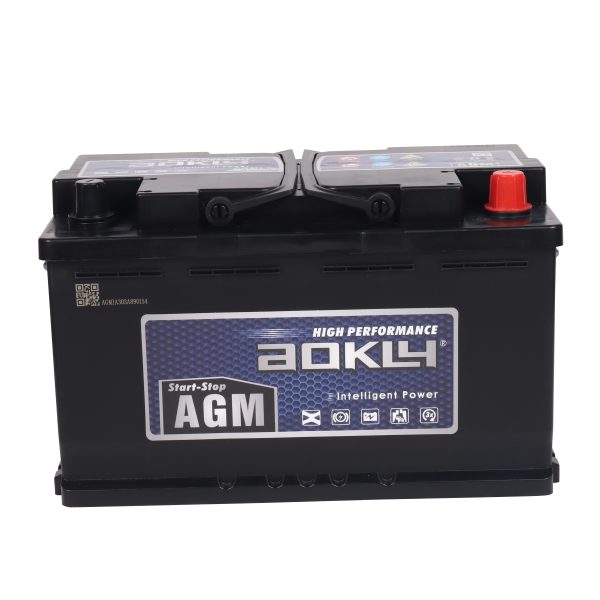
аккумулятор agm start stop

Сравним по сути. Обычная батарея выигрывает ценой, но теряет ресурс на циклировании и падает под пиком нагрузки электрооборудования. AGM удерживает напряжение при старте, быстрее принимает заряд после ускорения, а в городе экономит нервы — и время. На трассе эффект другой: сниженная просадка под нагрузкой питает «прожорливую» периферию, от подогрева сидений до систем помощи. Итог не в лозунгах, а в метриках: стабильный пусковой ток, предсказуемый отклик после рекуперации, меньше просадок на шине при работе DC-DC конвертера. — funny how that works, right?

Итог: как выбрать AGM для Start-Stop без лишних компромиссов

Чтобы превратить выводы в действие, ориентируйтесь на три понятных критерия. Во-первых, циклическая стойкость: ищите подтверждённые значения по тестам старт–стоп и ресурс по количеству циклов при 50–80% SOC. Во-вторых, фактический пусковой ток в холоде и поведение под нагрузкой: замеряйте просадку напряжения, а не только читайте этикетку. В-третьих, совместимость с электроникой: корректная работа с BMS, калибровка генератора и поддержка профилей зарядки у вашего авто. Если эти три пункта закрыты, вы получаете предсказуемость каждый день, без сюрпризов в утро понедельника. Технология не обещает чудес — она честно делает свою работу, когда условия заданы верно. Для детального изучения ассортимента и спецификаций обратитесь к надежному источнику знаний — Aokly Battery.

0 comments
0 FacebookTwitterPinterestEmail

引言:科技如何重新定義汽車行業?

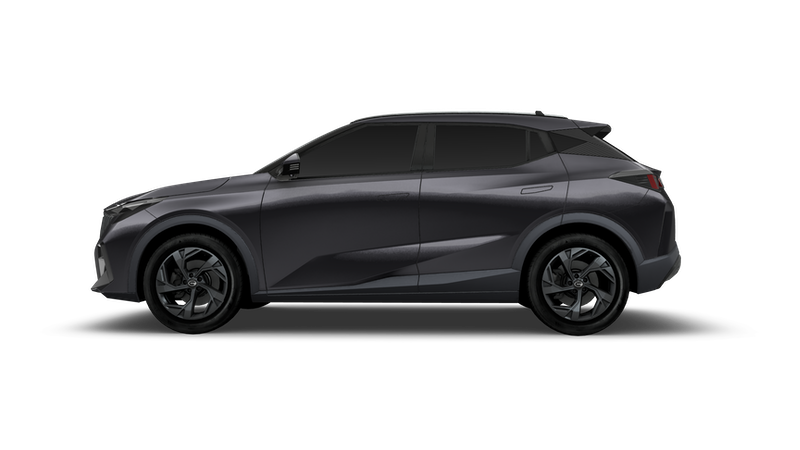
在未來的十年裡,汽車行業將會發生重大變革。aion auto 生产厂家在這項競爭中佔據了重要的地位。隨著消費者對智能和可持續的交通工具需求的提升,這些車輛不僅僅是運輸的工具,更是一種全新的生活方式。但問題來了:苛刻的市場需求能夠滿足嗎?特別是當涉及到邊緣計算節點和高效能電力轉換器時,這樣的挑戰並不簡單。本篇文章將深入探討技術如何解決這些挑戰,同時還會尋找那些仍未被充分注意到的使用者痛點,請繼續閱讀。

aion auto

技術演變:打破傳統解決方案的侷限

在討論技術進步時,必須承認傳統解決方案存在很多不足之處。現在就讓我們看看 aion auto 生产厂家如何通過最新技術來克服這些挑戰。現在來點技術:電動車的設計需要處理現代邊緣計算的複雜性和電源轉換器的效率問題。然而,這些技術在傳統解決方案中受到了哪些限制?事實上,間歇性的大電流需求常常會導致系統過載並影響整體效率。看,這其實比你想象得要簡單得多!不過,當前的技術發展已經讓這些問題迎刃而解,特別是在汽車電子與資訊技術的交叉點上。

aion auto

有什麼改進的空間嗎?

當談到消費者的不滿時,我們不禁要問:在大方向上還有什麼需要改進的?用戶普遍希望更長的電池壽命、更加智能的導航系統以及無縫的網絡連接。然而,隱藏的痛點如電池充電速度和耐用性亦不容忽視。新技術正逐步消除這些障礙,現在是時候探討這些技術能為未來的汽車行業帶來哪些潛在的變化了。

新技術引領未來:展望與範例

隨著技術的不斷發展,行業專家對於未來汽車技術的前景持樂觀態度。而 aion auto 报价則在此進程中扮演著至關重要的角色。電動車的未來不僅限於更高效的電源轉換器—還要探索車聯網 (IOT) 和自動駕駛技術的無縫結合。誰能想象,未來你所駕駛的汽車將不再只是一種交通工具,而更像是一個在移動的生活空間。展望未來,我們需要考慮的不僅僅是技術的突破,更是如何滿足消費者多樣化的需求。

展望未來:進一步探索可能性

什麼是未來汽車科技的標配?除了電動,連接與自動駕駛也將成為焦點。然而,挑戰與機遇並存,每一項新技術的落地都伴隨著複雜的市場反應和用戶需求的轉變。新的一代汽車將會如何定義人們的生活方式?這值得我們深思。最終,我們所面臨的課題是如何運用技術改變駕乘體驗,並滿足多層次的市場需求——可以說,答案就在不遠的未來。

總而言之,在這場技術進化的浪潮中,GAC正站在創新的前沿,領航汽車科技的未來發展。

0 comments
0 FacebookTwitterPinterestEmail

Why Comparisons Matter Now

Here’s the hard truth: the next big power cost you avoid will come from how you compare, not what you buy. Commercial energy storage systems are on every short list, yet most teams still pick by sticker specs or a fast payback slide. In one real scenario, a factory’s demand charges ate 38% of the monthly bill—even with solar—and a rush-to-install mindset made things worse (more curtailment, less value). So, are you asking the right questions—or just the easy ones? For many buyers, a wholesale commercial energy storage system looks like a bargain at first glance, but cost without control can be a trap. Demand profiles shift. Tariffs change. Controls fail under real loads. And then there’s integration with power converters and site PLCs—messy but decisive.

Direct point: the comparison should be about outcomes under your load, not features on a page. That’s the political case for smarter buying—deliberate, evidence-based, and a bit stubborn. Map peak shaving to real usage, stress test the dispatch curve, and make sure the warranty follows the duty cycle you will actually run. Then push vendors to prove it (on your data). Transitioning now, let’s examine where the old approach breaks—so you don’t repeat it.

Hidden Friction: What Spec Sheets Won’t Tell You

What gets missed?

Let’s get technical and simple at once. A wholesale commercial energy storage system can look ideal on paper, but hidden pain points undermine results. First, control gaps: a glossy EMS may not talk well with your SCADA or microgrid controller. Without clean integration to meters, inverters, and power converters, the dispatch algorithm lags the load spike by a minute—and your demand charge stays high. Second, usable energy is not the nameplate. BMS rules, state of charge windows, and thermal management chop the kWh you think you have. A 1 MWh rack delivering 0.72 MWh at peak is common—funny how that works, right?

Third, operations. Maintenance events, firmware updates, and communication drops arrive at the worst hour. If the system can’t hold grid support while a gateway reboots, you pay—again. And those “simple” tariff rules? They are not simple in practice. Overlapping TOU windows, coincident peaks, and export limits turn naive control into costly noise. Look, it’s simpler than you think—and harder where it matters. The fix is to measure in your units: minutes of peak clipping achieved, kWh delivered during the top 5% intervals, and degradation per cycle under your ambient profile. If the vendor can’t model that, the savings will not show up.

Comparative Outlook: New Control Principles That Change the Math

What’s Next

Forward-looking buyers compare on principles, not slogans. Three shifts matter. One: predictive dispatch using site-specific load fingerprints. When a controller blends short-horizon forecasts with tariff rules, it targets the real peaks—not the average ones. Two: grid-forming inverter modes that stabilize during faults or fast ramps, so you don’t lose clipping when the grid sneezes. Three: edge computing nodes that keep the system autonomous if connectivity drops (minutes count). In this frame, a wholesale commercial energy storage system is not just hardware; it’s a control stack with lifecycle economics. The best designs align BMS limits, inverter response, and the EMS to protect cycle life while hitting the top five intervals where dollars live—and yes, that silence at peak is costly.

Here’s how to turn that into action without hype. Ask for a model that replays your last 12 months of interval data, then run side-by-side simulations of two control strategies: rule-based peak shaving versus predictive peak targeting. Compare round-trip efficiency under real ramp rates, not lab curves. Check if the system derates under heat or high C-rate events, and whether augmentation is part of the plan. Summarizing, the earlier flaws were integration gaps, usable-energy myths, and control lag; the forward fix is tighter interoperability, predictive control, and fault-tolerant operation. Advisory close: use three metrics to choose well—1) delivered kWh in the top 5% load intervals per month, 2) control stack openness (EMS/SCADA APIs, Modbus/MQTT), and 3) lifecycle cost per delivered kWh including warranty and augmentation. Do that, and your choice becomes rational, durable, and defensible with stakeholders—because outcomes beat promises. Learn more from a builder’s perspective at JGNE.

0 comments
0 FacebookTwitterPinterestEmail